Yakitori Ando
In Residence
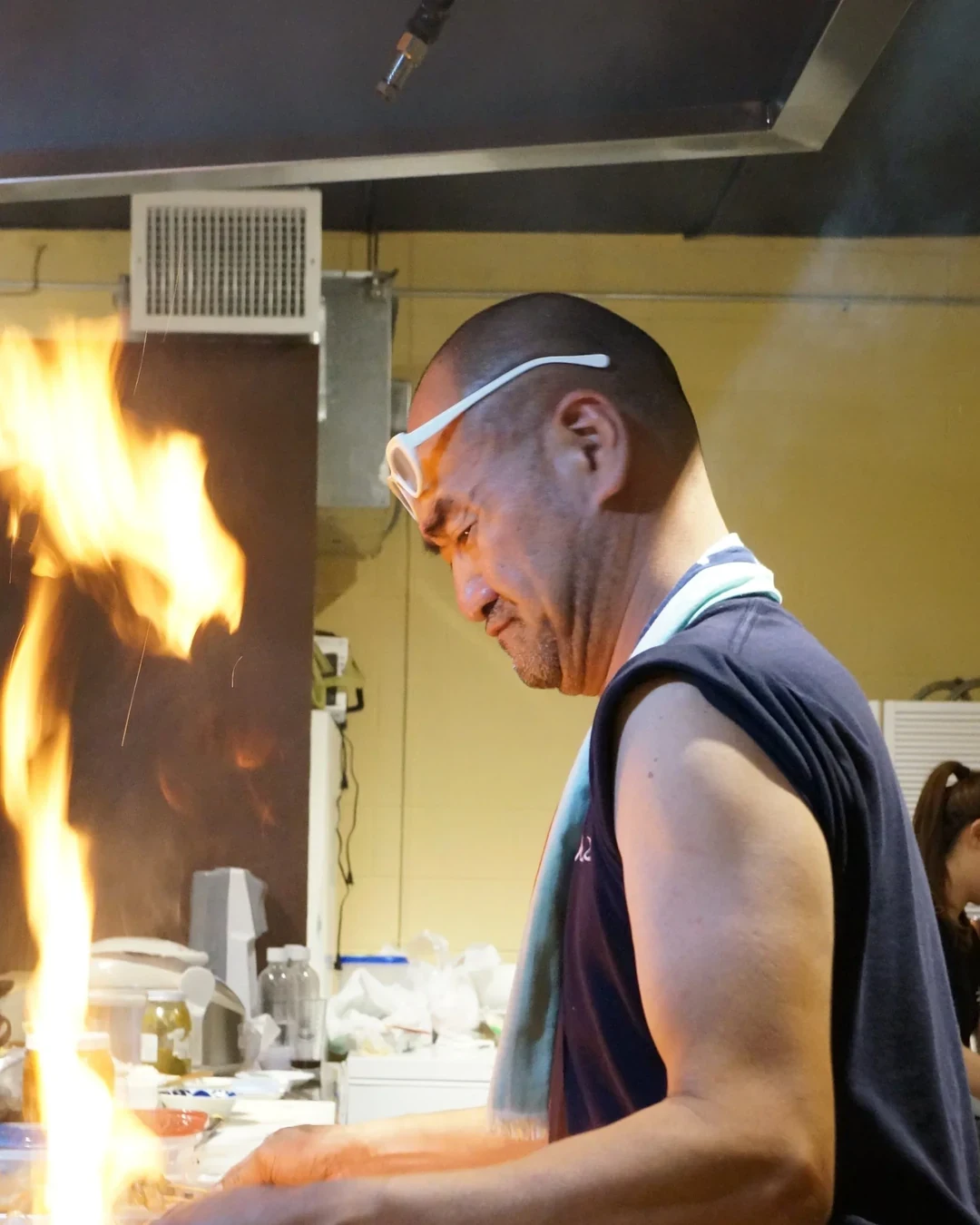
Takashi Ando
Chef
- 01CuisineJapanese Yakitori Omakase
- 02CityHonolulu, United States
- Opinionated About Dining Top Restaurants in North America Recommended · 2026
- Opinionated About Dining Top Restaurants in North America · 2025
- Opinionated About Dining Top Restaurants in North America Ranked #468 · 2024
Smoke, Skewer, and the Geography of Yakitori
In Japan, the regional fault lines of yakitori are drawn quietly but firmly. Kanto practitioners, Tokyo's dominant style, tend toward tare-forward glazing, with birds broken into precise anatomical cuts and skewered to showcase single muscles or organs in sequence. The Kansai approach, centered on Osaka and Kyoto, leans toward salt seasoning, shorter cook times, and a preference that lets the chicken's own fat do the work. Both traditions are disciplined, both demand charcoal fluency, and neither has any patience for imprecision. What makes a yakitori counter in Honolulu worth tracking is whether it roots itself in one of those traditions or trades in a softer, hybrid interpretation built for a market less likely to notice the difference.
Yakitori Ando, operating from the second floor of 1215 Center Street, is a yakitori restaurant in Honolulu. The address, off Waiʻalae Avenue, away from the tourist density of Waikīkī, signals something about the intended audience. This is a neighborhood-level operation drawing a room that came looking for it, not one that stumbled in from a hotel concierge list. The evening-only hours, six nights a week with Wednesday dark, reinforce that positioning: this is a destination for people who have already decided what they want.
The Charcoal Counter in Context
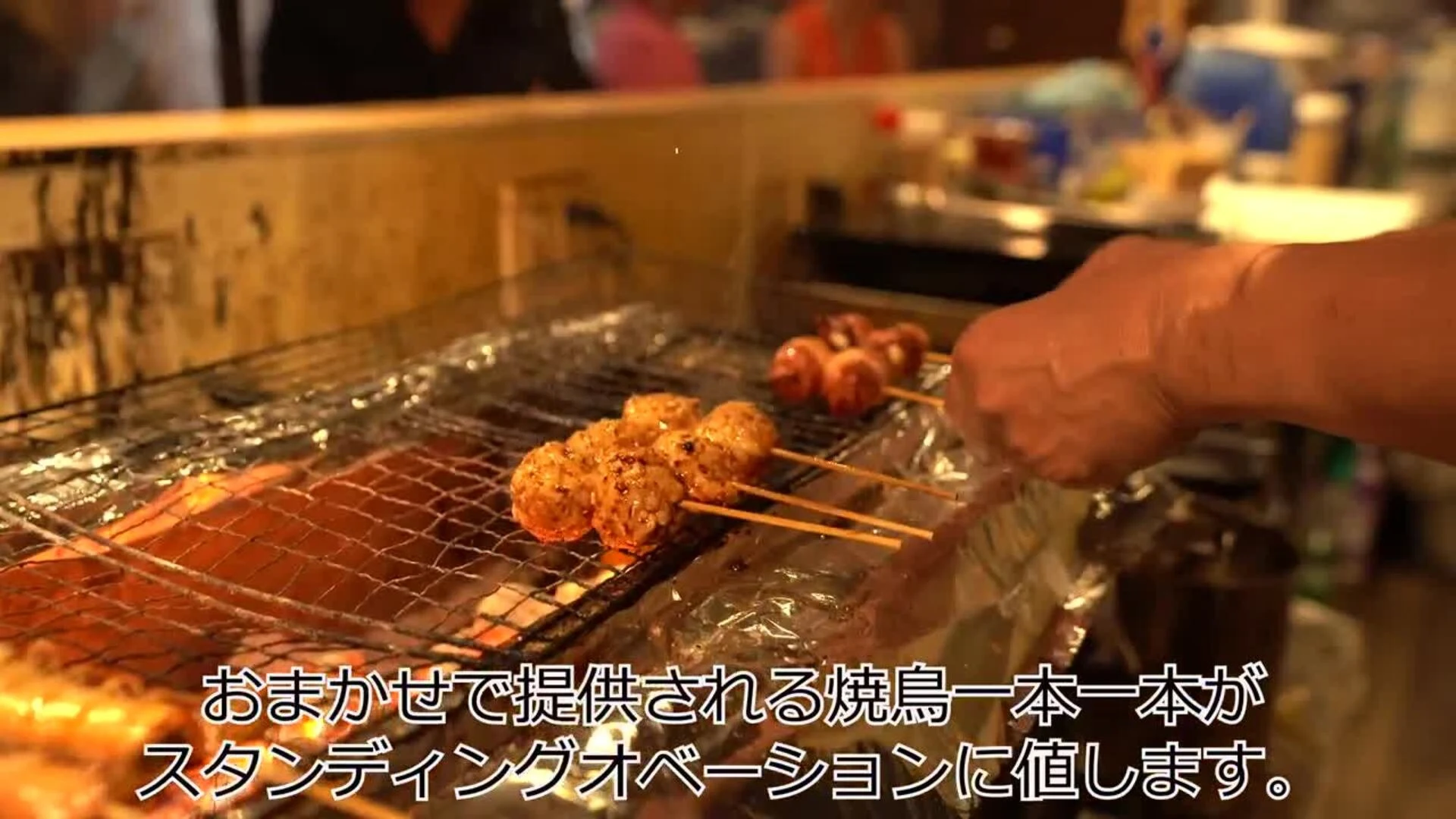
Yakitori remains one of the more technically demanding formats to execute at a high level outside Japan. The cuts require specific skewering angles to cook evenly; the charcoal, typically binchotan, the dense white oak charcoal that burns hot and clean, demands active management to avoid flare-ups that char rather than cook. A skilled yakitoriya in Japan will rotate skewers with a consistency that looks casual but reflects years of calibrated muscle memory. That level of craft is rare in the United States, where yakitori has more often been absorbed into broader izakaya menus as one component among many rather than refined as a standalone discipline.
The recognition Yakitori Ando has received from Opinionated About Dining, listed among the leading restaurants in North America in both 2024 and 2025, ranking 468th in the 2024 edition, places it in a comparable set defined by technical seriousness rather than scale or celebrity. OAD rankings are compiled from the votes of active restaurant professionals and dedicated diners, which makes the list a more granular signal than general-audience guides. Appearing on it twice, in consecutive years, suggests a consistency that matters more in this format than a one-time critical moment. For comparison within Honolulu's broader Japanese dining corridor, Ginza Bairin and Fujiyama Texas represent the more accessible end of Japanese-inflected dining on the island; Yakitori Ando operates at a different register of specificity.
Regional Technique in a Pacific Setting
Hawaii's food culture has long absorbed Japanese influence at a structural level, not as novelty, but as part of the islands' demographic and culinary history. That creates a different baseline familiarity with Japanese ingredients and formats than you'd find in a mainland American city. A Honolulu diner encountering yakitori is less likely to need the concept explained than a diner in, say, Chicago or Denver. That context matters for a venue like Yakitori Ando, because it can operate at a higher technical register without spending half the meal on education.
The Kansai-inflected salt-forward approach, if that is Ando's orientation, would read differently here than it would in Tokyo. Hawaii's own culinary tendency toward fresh, light flavors and seafood-adjacent seasoning logic makes the shio (salt) tradition a natural fit, in a way that the heavier tare glazing of Kanto style might not be. The parallel exists in how Kyoto and Osaka yakitori traditions connect to a broader Kansai aesthetic of ingredient clarity: let the product speak, season to amplify rather than transform. That philosophy has an analog in stronger examples from Hawaiian cooking, which makes Honolulu an more sympathetic home for that approach than many mainland cities. For those interested in how these traditions read in their original contexts, Ichimatsu in Osaka and Torisaki in Kyoto offer direct reference points.
Where Yakitori Ando Sits in Honolulu's Evening Options
Honolulu's evening dining has developed a small but coherent tier of technically serious restaurants operating outside the resort corridor. Fête represents the New American end of that category; Bar Maze covers the cocktail-omakase intersection. Yakitori Ando occupies a format that doesn't have many direct competitors locally: a single-discipline Japanese counter focused on charcoal-grilled skewers, running an evening-only format, earning national recognition from a demanding peer-voted guide.
For context on how Honolulu's serious dining compares to other American cities with established fine dining reputations, the OAD list that includes Yakitori Ando also contains restaurants like Le Bernardin in New York, The French Laundry in Napa, Alinea in Chicago, Lazy Bear in San Francisco, and Single Thread Farm in Healdsburg. Appearing in that company, even at rank 468, says something specific about the level of craft the room is operating at. It also underscores that yakitori, when done seriously, belongs in the same conversation as tasting-menu formats that draw broader recognition.
Planning a Visit
Yakitori Ando operates at 1215 Center Street, Suite 200, in Honolulu, the second-floor location requires some intention to find, which is consistent with the venue's overall positioning. Hours run 6 to 10 pm Monday, Tuesday, Thursday, Friday, Saturday, and Sunday, with Wednesday closed. Given the OAD recognition and the limited evening format, advance planning is advisable rather than a walk-in assumption.
What Regulars Order
What do regulars order at Yakitori Ando?At a serious yakitori counter, the ordering pattern among regulars tends to follow a specific logic: begin with cuts that showcase the kitchen's salt discipline, typically white meat or breast cuts where precision matters most, before moving into fattier preparations like thigh, neck, or skin that reward the charcoal's heat accumulation as the cook settles in. Offal cuts, where offered, signal the kitchen's confidence and the diner's trust. Given Yakitori Ando's OAD recognition and the chef's surname attached directly to the venue, the menu likely anchors on a focused selection of chicken-centric skewers rather than a sprawling izakaya format. Regulars at venues of this type typically allow the counter to guide the sequence rather than ordering à la carte out of sequence, the pacing of skewers from a binchotan grill is part of the experience, and disrupting it works against what the format is designed to deliver. For reference on what comparable counters emphasize, the approaches at Ichimatsu in Osaka and Torisaki in Kyoto illustrate the range within serious yakitori traditions.
Questions
Frequently asked
Who works at Yakitori Ando?
Made By profiles Takashi Ando (Chef) at Yakitori Ando.
How expensive is Yakitori Ando?
Yakitori Ando is listed at a price level of $$$$.
Where is Yakitori Ando and what does it serve?
Yakitori Ando is in Kaimuki, Honolulu, serving Japanese Yakitori Omakase.
The field
How it compares
| Place | Cuisine | Notes | Awards |
|---|---|---|---|
| Yakitori Ando | Japanese Yakitori Omakase | Kaimuki, $$$$ | · |
| ESqUISSE | Modern French with Japanese Influences | Tokyo | Michelin 2 Stars, World's 50 Best |
| Hy’s Steak House | Classic Steakhouse | Honolulu | · |
| Mugen | Modern Japanese-French Fusion Fine Dining | Honolulu | · |
| Orchids | Coastal Fine Dining | Honolulu | · |
| Pig & the Lady | Modern Vietnamese | Honolulu | · |
| The Clove Club | Modern British Fine Dining | London | Michelin 2 Stars, World's 50 Best |
In residence
Similar places
Modern French with Japanese Influences
ESqUISSE
Tokyo, Japan
★★ · 50 Best
Classic Steakhouse
Hy’s Steak House
Honolulu, United States
Modern Japanese-French Fusion Fine Dining
Mugen
Honolulu, United States
Coastal Fine Dining
Orchids
Honolulu, United States
Modern Vietnamese
Pig & the Lady
Honolulu, United States
Modern British Fine Dining
The Clove Club
London, United Kingdom
★★ · 50 Best