y'east
- 01CuisineModern East Asian Contemporary
- 02CitySeoul, South Korea
- 03RecognitionOne Michelin Star
From the people index
Recommended by
One trusted voice points here.
- 1 Michelin Star · Michelin Guide
- Opinionated About Dining Top Restaurants in Asia Recommended · 2026
- Michelin 1 Star · 2025
- Michelin 1 Star · 2024
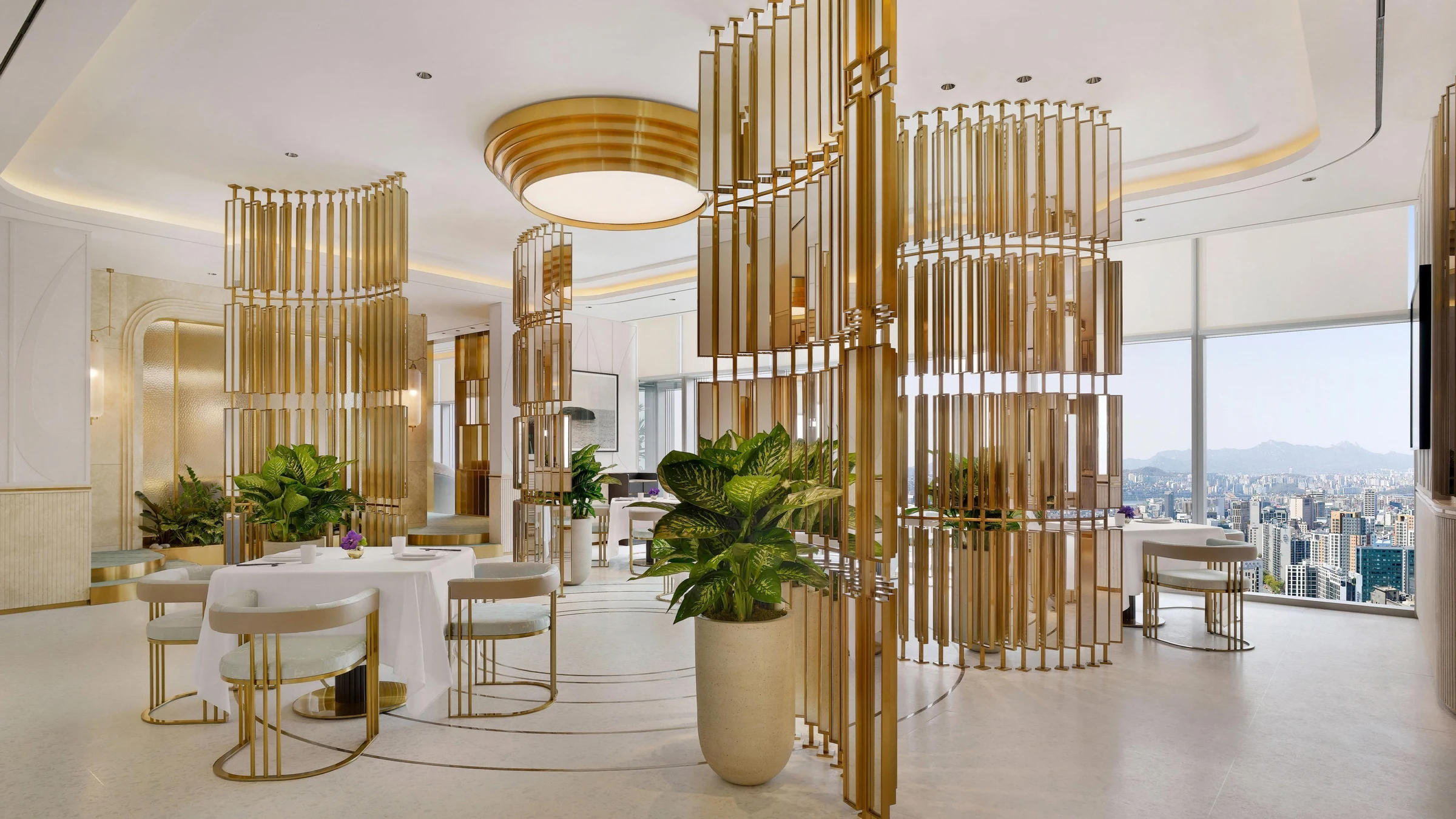
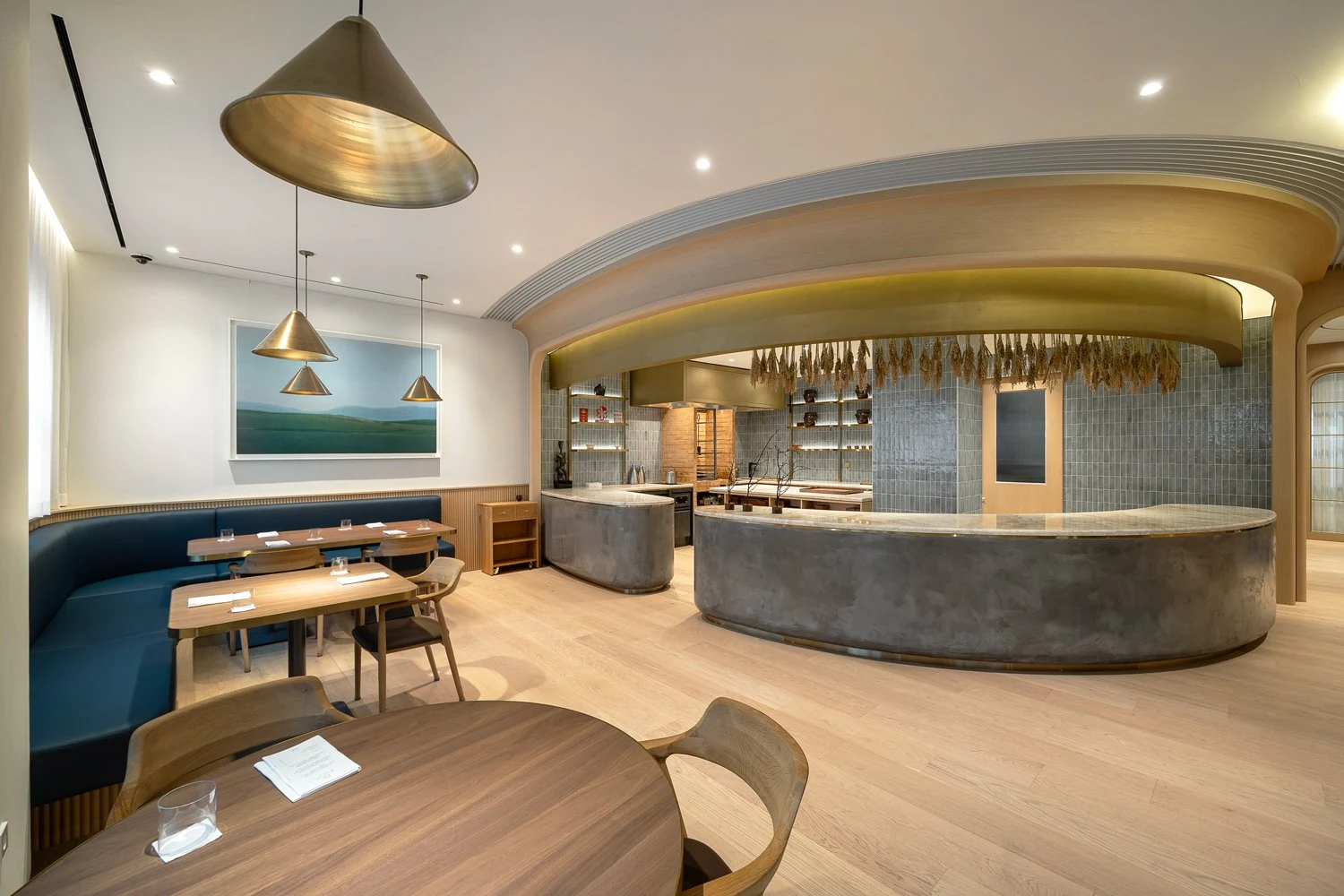
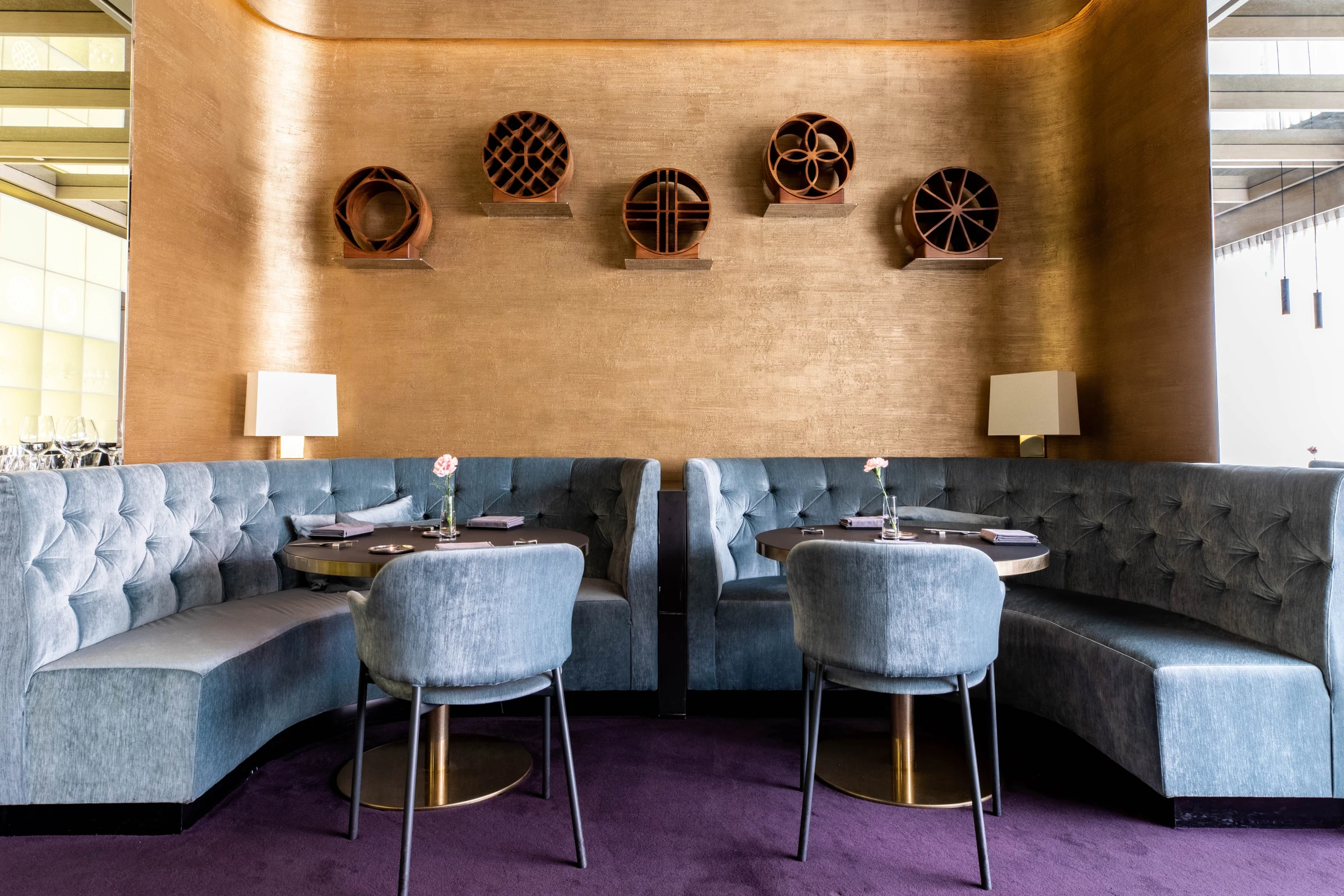
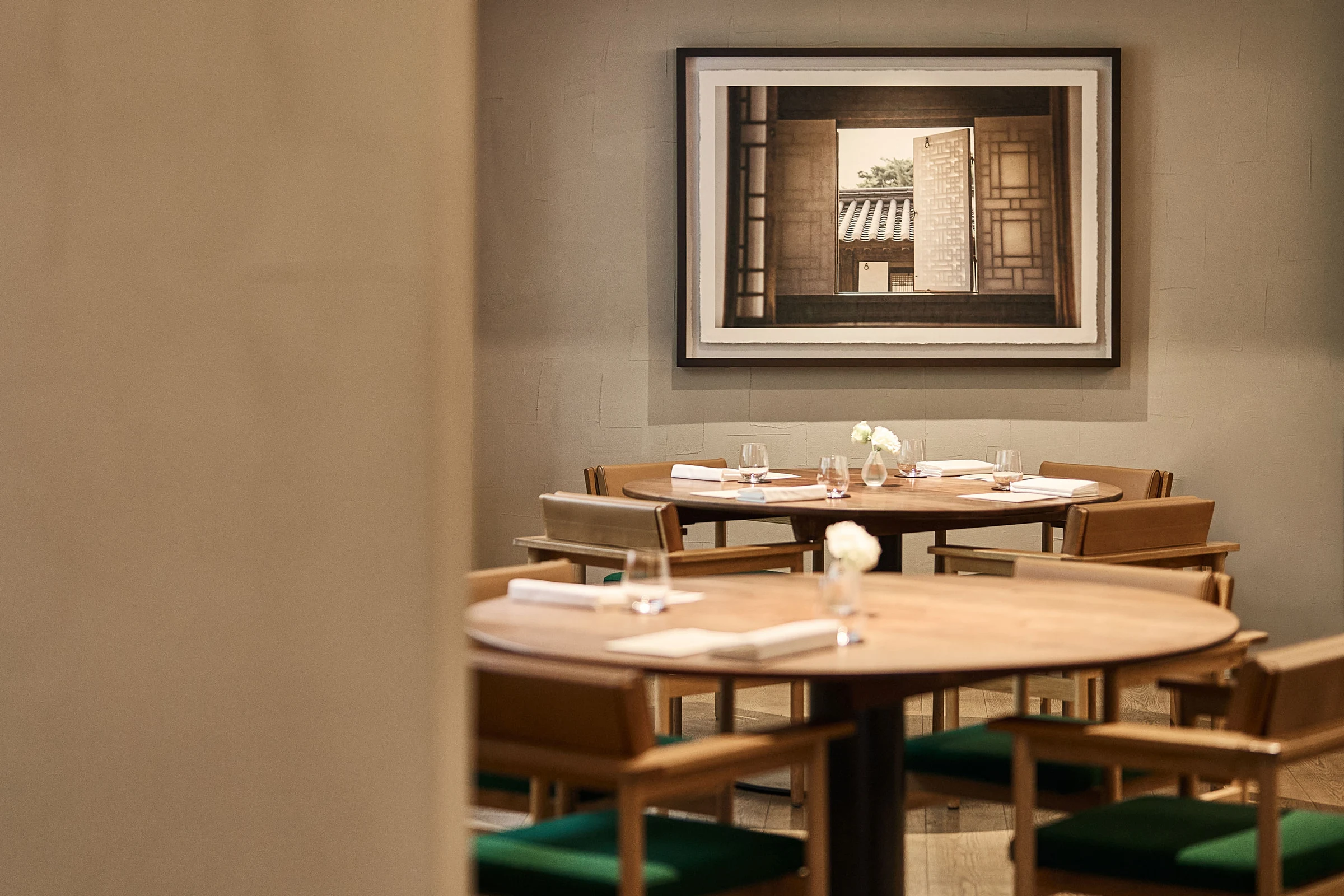
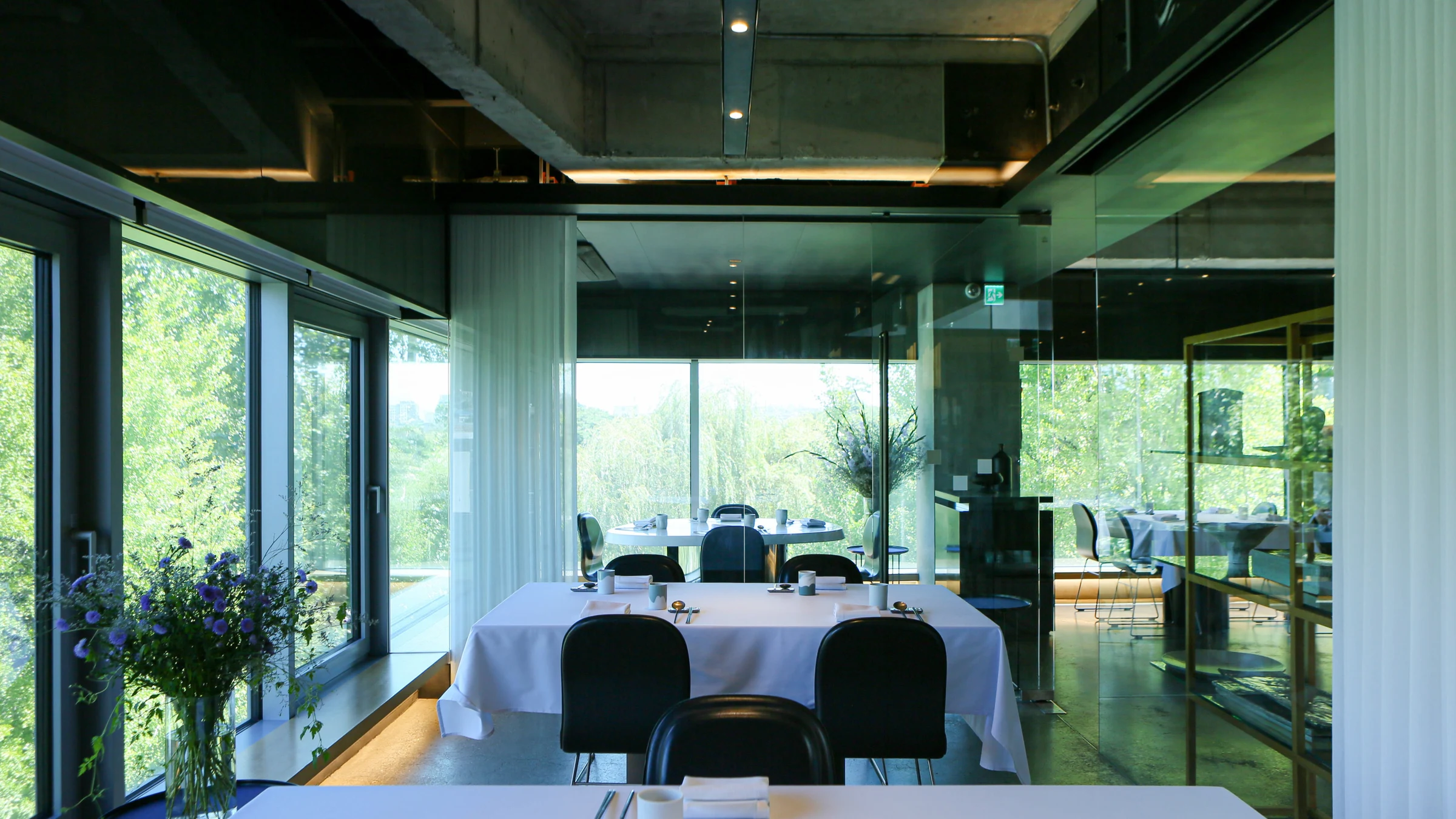
Seoul’s polished dining rooms tend to announce themselves through control: muted entrances, disciplined lighting, a room calibrated for concentration rather than theater. y'east belongs to that Seoul register, where the meal is framed as a study in familiar flavors reworked with contemporary imagination rather than a parade of luxury ingredients. The useful question is not whether the format feels expensive, but whether the kitchen gives enough thought, technique, and local relevance to justify a premium dinner.
Familiar Korean references, reworked for the contemporary tier
Seoul’s ambitious restaurants have spent the past decade moving beyond the old binary of formal tradition versus casual comfort food. The stronger rooms now work by translation: a memory of street food, restraint, barbecue, or pastry is pulled into a more composed idiom, then judged on whether the reference survives the polish. That is the lane y'east occupies. Its public recognition points to familiar dishes reimagined through Chef Cho Young-dong’s aesthetics, with ingredients described as hard to come by in Korea. That matters because creative Korean dining can easily become decorative; here, the stated ambition is to keep the original flavor visible while changing the architecture around it.
The clearest examples named in the restaurant’s public recognition are the amuse bouche inspired by kaya toast and Galbi Stone, a braised short-rib preparation served in several variations. Those references say plenty about the room’s value proposition. Kaya toast is not a luxury cue in the conventional sense, and galbi is one of Korea’s deeply legible comfort references. The premium comes from reinterpretation, sequencing, and ingredient handling, not from asking the diner to admire rarity for its own sake.
That puts the restaurant in a more interesting middle band of Seoul’s creative dining scene. Some Seoul dining rooms compete on accessibility and a lighter sense of occasion. At the higher end, Jungsik and Ile de Cheongdam signal a different ceiling, both in price expectation and in the level of ceremony diners tend to anticipate. y'east, like Trid, sits in the serious destination-dinner conversation: polished enough for meaningful recognition, but still defined by the question of how much originality the kitchen can deliver. For diners choosing among Seoul tasting rooms, that is the commercial point.
Where the money goes: technique before spectacle
The contemporary category in Seoul can be uneven because the surface language is now easy to imitate. Ferments, reductions, Korean names in English, and sculptural plating do not automatically produce a better meal. The more useful test is whether the kitchen has a coherent grammar. y'east’s reputation has formed around the idea of the familiar made unfamiliar without being severed from its source. Its recognition gives that claim external weight, but the more practical signal is the restaurant’s focus on a composed dinner experience rather than an all-day, high-turnover model.
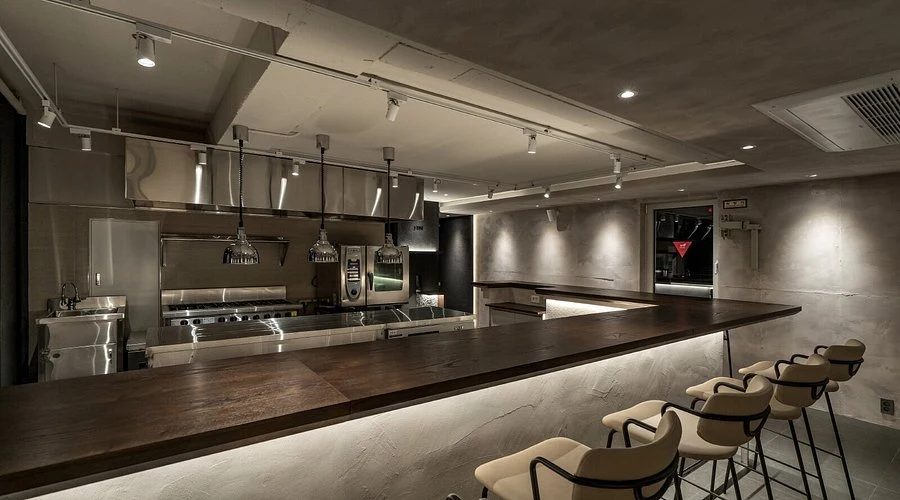
Chef Cho Young-dong is relevant here as a credential, not as a personality story. Seoul’s creative dining culture rewards chefs who can move between Korean memory and broader technique without making either feel like a costume. The named dishes suggest that his kitchen is operating in that translation zone: kaya toast moved into an opening bite, braised short rib treated as a composed idea rather than a simple centrepiece. In value terms, that means the diner is paying for conceptual labor as much as ingredients.
For visitors mapping a Seoul itinerary, this is not the same decision as choosing barbecue, naengmyeon, or market food. It is a controlled evening meal in Seoul, better suited to diners who want to see how the city’s more ambitious kitchens are reframing familiar references now. Those building a wider city plan can compare it with other Seoul dining rooms and Ile de Cheongdam, then use Our full Seoul restaurants guide to decide how many formal meals the trip can bear.
How to place it inside a Seoul trip
The smart use case is a focused dinner rather than a casual drop-in. The room’s recognition and creative format make it better for couples, small adult groups, or travellers using one evening to understand Seoul’s contemporary restaurant culture without making the night purely about maximum ceremony. Families can make it work only if younger diners are comfortable with a composed, chef-led format and a longer dinner rhythm; otherwise, the value will be harder to justify.
Seoul also changes the surrounding itinerary. Pairing dinner here with a nearby base keeps the evening efficient, while visitors staying across town should treat the meal as the anchor rather than an add-on. For broader planning, Our full Seoul hotels guide, Our full Seoul bars guide, Our full Seoul wineries guide, and Our full Seoul experiences guide help separate a dinner-led night from a neighborhood-hopping one.
Seen against South Korea’s wider dining map, y'east is part of Seoul’s urban creative argument rather than a regional-tradition stop. A trip built around contrast might place it after colder, sharper noodle traditions, casual pork-focused meals, coastal or island cooking, or the quieter register of temple-influenced dining. Internationally, its contemporary instincts invite comparison with other small, idea-led dining rooms, though Seoul’s reference points are more tightly bound to Korean memory and metropolitan speed.
The verdict is simple: y'east makes sense for diners who want recognized, idea-led cooking in Seoul without making the evening only about luxury signals. Its value lies in how it reframes recognizable flavors, not in maximal opulence. That distinction is exactly why the restaurant belongs on a serious Seoul dining shortlist.
Questions
Frequently asked
What recognition does y'east hold?
y'east holds 1 Michelin star.
How expensive is y'east?
y'east is listed at a price level of $$$.
Where is y'east and what does it serve?
y'east is in Doseon-dong, Seoul, serving Modern East Asian Contemporary.
The field
How it compares
| Place | Awards | Cuisine | Notes |
|---|---|---|---|
| y'east | Michelin 1 Star | Modern East Asian Contemporary | Doseon-dong, $$$ |
| alla prima | Michelin 2 Stars, World's 50 Best | Modern Fusion Fine Dining | Seoul |
| Eatanic Garden | Michelin 1 Star, World's 50 Best | Modern Korean Contemporary | Seoul |
| Evett | Michelin 2 Stars | Modern Innovative Korean | Seoul |
| Jungsik | Michelin 2 Stars, World's 50 Best | Modern Korean Fine Dining | Seoul |
| Mingles | Michelin 3 Stars, World's 50 Best | Modern Korean Fine Dining | Seoul |
| Onjium | Michelin 1 Star, World's 50 Best | Modern Korean Royal Court Cuisine | Seoul |
Similar places
Modern Fusion Fine Dining
alla prima
Seoul, South Korea
★★ · 50 Best
Modern Korean Contemporary
Eatanic Garden
Seoul, South Korea
★ · 50 Best
Modern Innovative Korean
Evett
Seoul, South Korea
★★
Modern Korean Fine Dining
Jungsik
Seoul, South Korea
★★ · 50 Best
Modern Korean Fine Dining
Mingles
Seoul, South Korea
★★★ · 50 Best
Modern Korean Royal Court Cuisine
Onjium
Seoul, South Korea
★ · 50 Best