Yongsusan
- 01CuisineTraditional Korean Royal Court Cuisine
- 02CitySeoul, South Korea
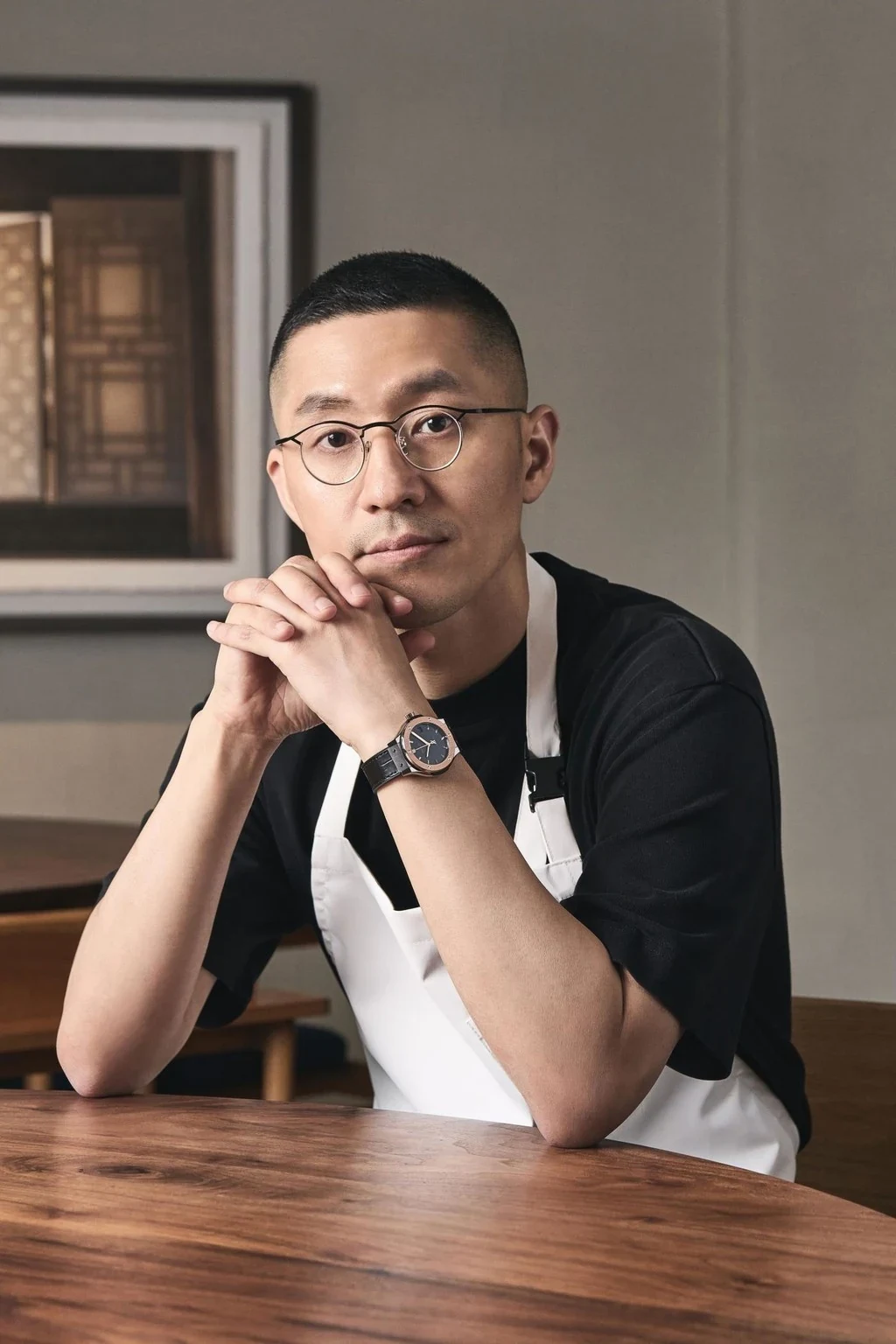
From the people index
Recommended by
One trusted voice points here.
Where Seoul's Royal Table Still Sets the Standard
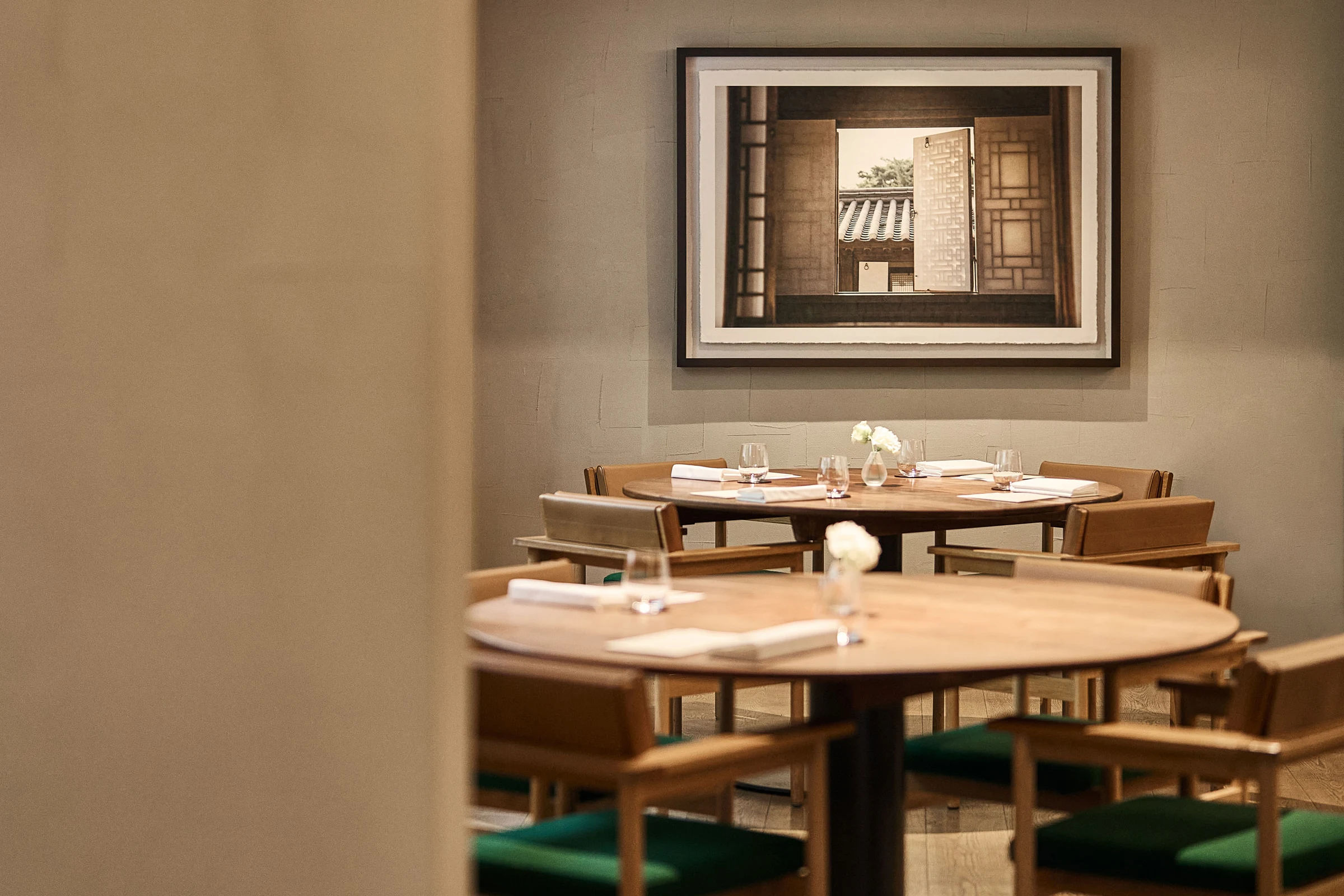
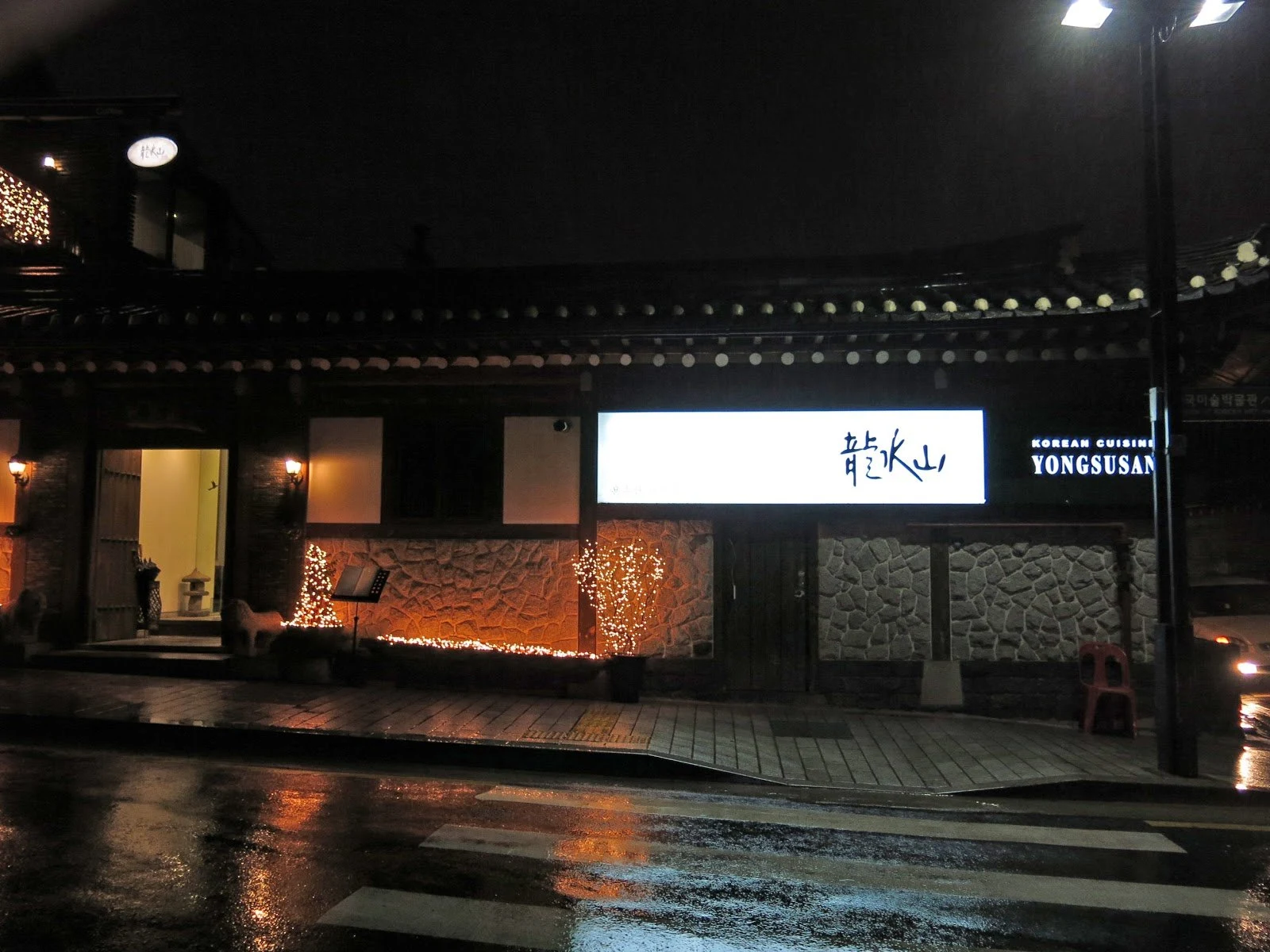
Samcheong-dong arrives quietly. The slope from Gyeongbokgung Palace toward the back hills is lined with low-roofed buildings, small galleries, and tea houses that have survived the pressure to redevelop that erased much of central Seoul's older fabric. At 118-3, in this district where the architectural texture actually holds, Yongsusan occupies the kind of setting that does half the editorial work before a single dish appears. The approach through a traditional hanok compound signals that what follows is deliberate and historically grounded.
That physical context matters because Yongsusan is one of a small number of restaurants in Seoul that positions itself around gung-jung yori, the formal cuisine developed for the Joseon dynasty court. This is not a cuisine built around improvisation or chef personality. It is a codified tradition, one in which presentation sequences, ingredient hierarchies, and preparation methods were standardised over centuries. Yongsusan has long been treated as a reference point.
Gung-Jung Yori and Its Place in the Seoul Dining Order
Seoul's premium Korean dining tier has bifurcated sharply over the past decade. On one side sits the contemporary Korean movement: Mingles, Jungsik, and Soigné represent a generation of chefs who absorbed French technique and applied it to Korean ingredients and flavour logic. Their menus are authored, evolving, and in conversation with global fine dining. On the other side sits the tradition-preservation model, where the question is not what the chef invented but how faithfully they can execute a historical template. Yongsusan belongs to this second category, and within it, occupies a position closer to the formal end than the casual.
Comparison venues at the ₩₩₩₩ tier in this tradition-forward space include Onjium, which has attracted significant critical attention for its scholarly approach to joseon-era recipes, and 7th Door, which blends Korean ceremonial formats with contemporary pacing. What distinguishes Yongsusan's positioning is the Samcheong-dong address itself: this is Jongno District, the historical core of the city, and operating here rather than in Gangnam signals a deliberate alignment with the cultural rather than the commercial axis of Seoul. Kwonsooksoo and its Gangnam-gu counterpart offer a useful reference point: the same broad culinary lineage, different neighbourhood registers.
The Table as Historical Argument
Gung-jung yori meals are structured around abundance as evidence of respect. The traditional surasang, the royal meal table, carried dishes numbered in the dozens, arranged by category and colour. Modern interpretations at serious restaurants don't replicate that numerically, but they do preserve the logic: variety over intensity, balance over drama, the meal as an accumulation rather than a narrative arc with a single climax. This structure makes entirely different demands on a wine or beverage program than the European tasting menu format does.
Where a contemporary Korean tasting menu might follow a progression that pairs well with sake flights or a single-region wine selection, gung-jung yori's horizontal abundance requires a beverage approach with lateral range. The traditional pairing is sool, Korean traditional alcohol, which encompasses makgeolli, cheongju, and dongdongju across a spectrum from cloudy and lactic to clear and austere. A serious house in this tradition maintains a considered sool selection that tracks regional producers and fermentation styles, not merely the commercial labels that appear in every Korean restaurant. For drinkers more oriented toward wine, the pairing challenge is real: the umami density of fermented vegetable preparations and the subtlety of court-style broths push toward low-tannin, high-acid wines with textural restraint, a calculus closer to what works with Japanese kaiseki than to the Bordeaux-centric logic of many European fine dining pairings.
This is worth understanding before arriving. The beverage component at a restaurant in this tradition is not a supplementary option but an integrated part of the meal architecture. Guests who approach Yongsusan as they would a European tasting menu, expecting a curated wine flight to carry them through, will find the Korean fermented beverage tradition more instructive and more rewarding. See also alla prima for a Seoul address that takes a comparably serious approach to beverage integration in a very different culinary register.
Samcheong-dong as a Dining District
The neighbourhood context shapes the experience. Samcheong-dong and its immediate surrounds in Jongno District sit within walking distance of Gyeongbokgung Palace, the National Museum of Korean Contemporary Art, and the Bukchon Hanok Village, making the area one of the few parts of Seoul where a full day's cultural itinerary can be assembled without a taxi. The dining character here skews toward Korean tradition and tea culture rather than international formats, which means Yongsusan has peer venues in spirit if not in price tier nearby.
Travellers arriving from elsewhere in Korea should note that Samcheong-dong is accessible but not a transit hub.
Planning a Visit
Yongsusan's address in Samcheong-dong at 118-3 places it in a walkable area of Jongno District. Reservations are recommended.
Questions
Frequently asked
How expensive is Yongsusan?
Yongsusan is listed at a price level of $$$.
Where is Yongsusan and what does it serve?
Yongsusan is in 가회동, Seoul, serving Traditional Korean Royal Court Cuisine.
The field
How it compares
| Place | Cuisine | Notes | Awards |
|---|---|---|---|
| Yongsusan | Traditional Korean Royal Court Cuisine | 가회동, $$$ | · |
| alla prima | Modern Fusion Fine Dining | Seoul | Michelin 2 Stars, World's 50 Best |
| Eatanic Garden | Modern Korean Contemporary | Seoul | Michelin 1 Star, World's 50 Best |
| Evett | Modern Innovative Korean | Seoul | Michelin 2 Stars |
| Jungsik | Modern Korean Fine Dining | Seoul | Michelin 2 Stars, World's 50 Best |
| Mingles | Modern Korean Fine Dining | Seoul | Michelin 3 Stars, World's 50 Best |
| Onjium | Modern Korean Royal Court Cuisine | Seoul | Michelin 1 Star, World's 50 Best |
Similar places
Modern Fusion Fine Dining
alla prima
Seoul, South Korea
★★ · 50 Best
Modern Korean Contemporary
Eatanic Garden
Seoul, South Korea
★ · 50 Best
Modern Innovative Korean
Evett
Seoul, South Korea
★★
Modern Korean Fine Dining
Jungsik
Seoul, South Korea
★★ · 50 Best
Modern Korean Fine Dining
Mingles
Seoul, South Korea
★★★ · 50 Best
Modern Korean Royal Court Cuisine
Onjium
Seoul, South Korea
★ · 50 Best