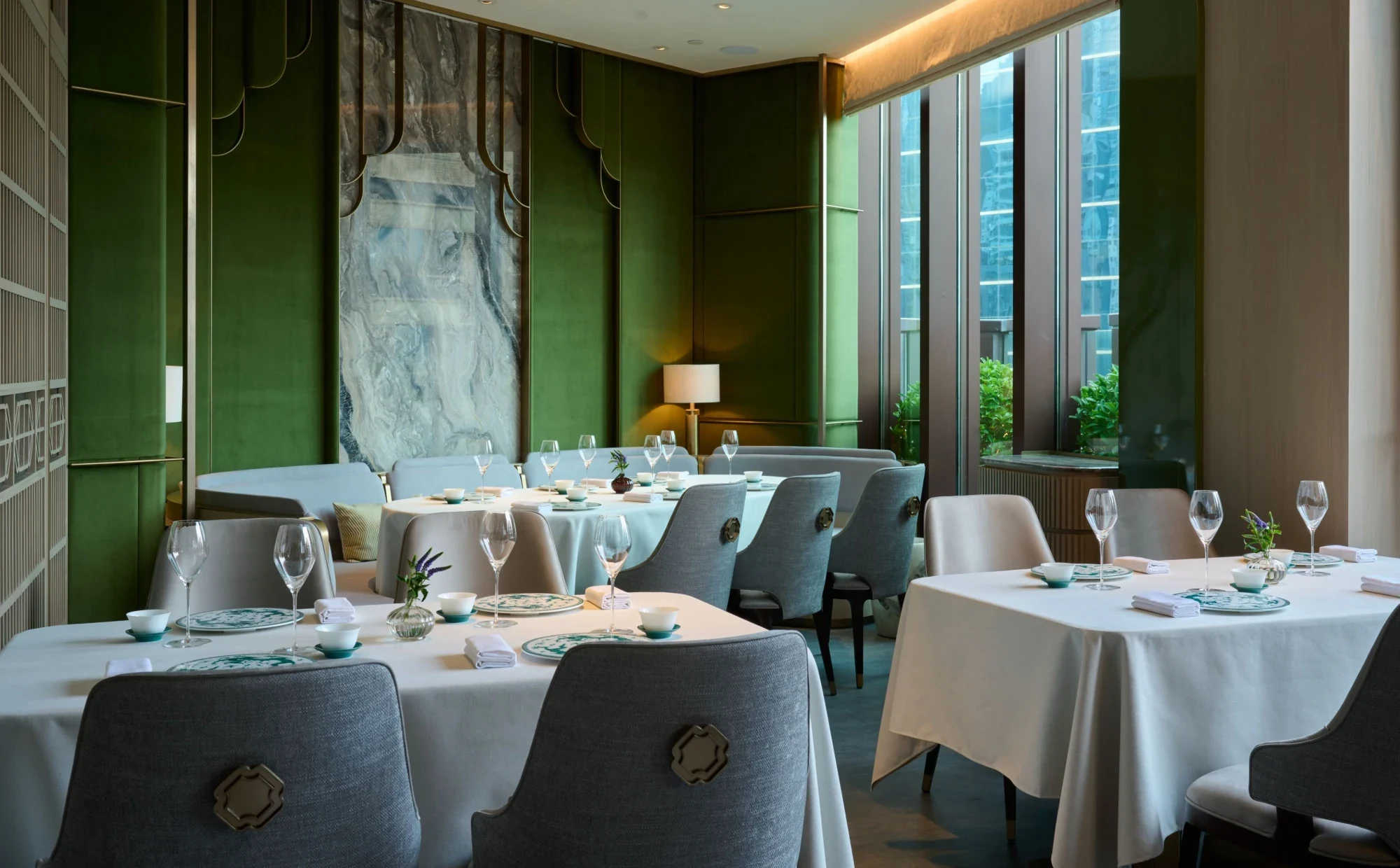
柚木元 - Yukimoto
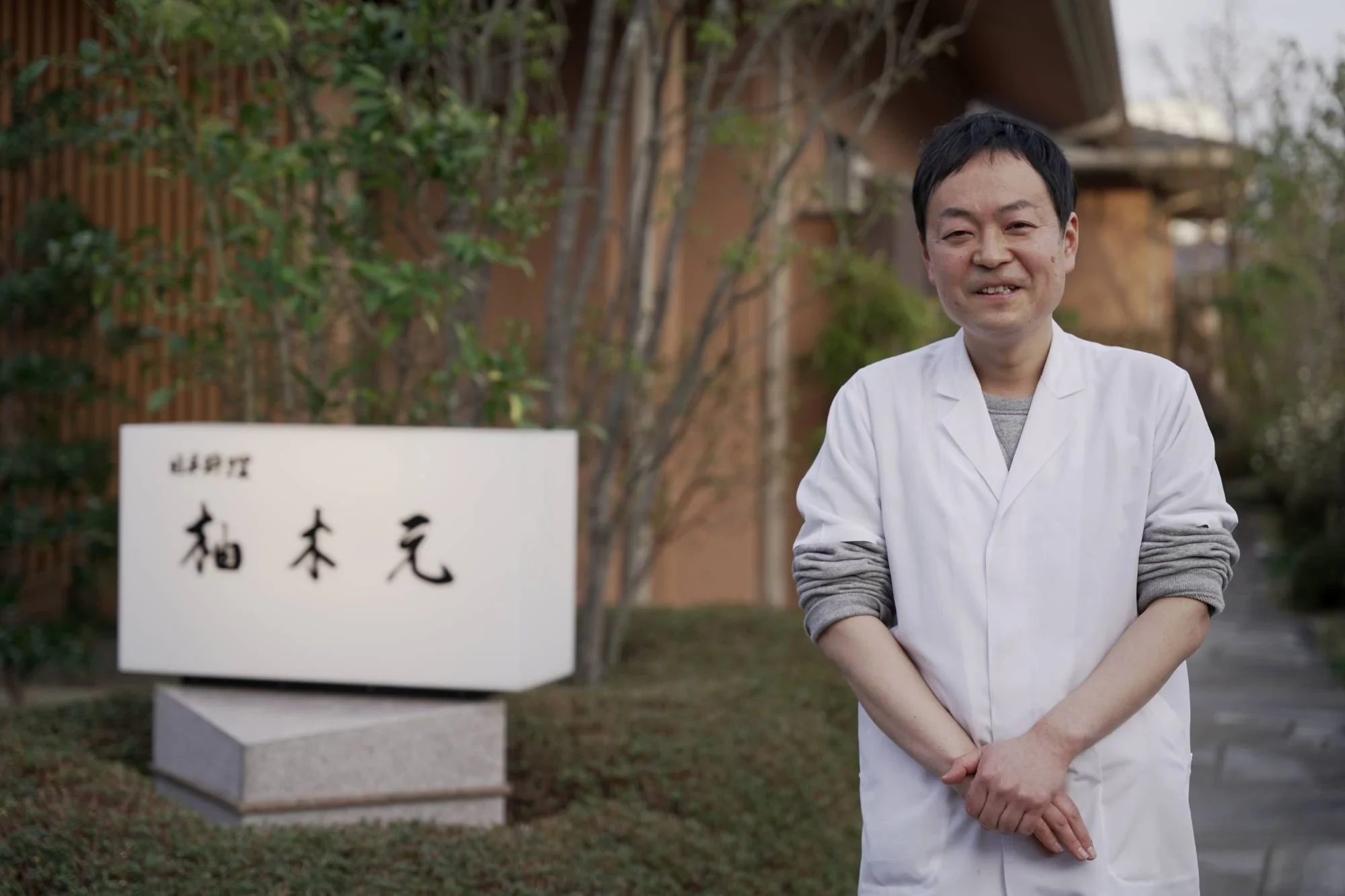
In Residence
Takayuki Hagiwara
Chef
- 01CuisineModern Japanese Kaiseki with Wild Game
- 02CityIida, Japan
- Opinionated About Dining Top Restaurants in Japan Ranked #6 · 2026
- Tabelog Gold #36: 4.6pts · 2026
- La Liste Top Restaurants: 84pts · 2026
- Tabelog Gold · 2025
- Tabelog 100 #87: 4.6pts · 2025
- Opinionated About Dining Top Restaurants in Japan Ranked #46 · 2025
- La Liste Top Restaurants: 80pts · 2025
- Opinionated About Dining Top Restaurants in Japan Ranked #146 · 2024
- Opinionated About Dining Top Restaurants in Japan Highly Recommended · 2023
Approach Iida and the dining context changes before the meal begins: not Ginza’s dense counter culture, nor Kyoto’s temple-adjacent formality, but a house restaurant in Nagano, where kaiseki reads through altitude, season, and restraint rather than metropolitan theatre. In that frame, Nihonryori Yukimoto (JAPANESE FOOD) belongs to a rarer category: a regional Japanese cuisine address with national-level recognition and a format built around multi-course grammar.
Kaiseki is often misread abroad as luxury by accumulation. In Japan, its authority comes from sequence, editing, temperature, serving ware, and making seasonality feel structured rather than decorative. Iida gives that tradition a different register from Tokyo or Kyoto. Southern Nagano, shaped by the Central and Southern Alps, draws on mountain produce, river fish traditions, preserved foods, and a climate where seasonality is more than a menu slogan. Serious kaiseki here is not a detour from the Japanese canon; it is one way the canon proves it can travel beyond old capitals.
Mountain-region kaiseki with national scrutiny
The evidence is unusually strong for a restaurant outside Japan’s main dining circuits. Yukimoto holds The Tabelog Award Gold in 2024, 2025, and 2026, after Silver from 2019 through 2023. It was selected for Tabelog Japanese cuisine EAST 100 in 2021, 2023, and 2025. La Liste scored it 84 points for 2026, and Opinionated About Dining ranked it #46 in Japan in 2025, after Highly Recommended in 2023 and #146 Japan in 2024. Those signals place a small Iida dining room in conversation with restaurants usually supported by denser luxury travel infrastructure.
That comparison is not imitation. Kyoto kaiseki carries courtly tradition and seasonal ritual; Tokyo’s high-end Japanese dining sharpens the format through access, polish, and a competitive reservation market. Nagano’s stronger argument is terroir in the literal sense: mountain geography, inland seasonality, and slower regional sourcing. The category has peers across Japan, from Aoyagi - 青柳, Japanese Kaiseki in Tokyo to Aca 1°, Japanese Kaiseki in Kyoto, but Iida asks a different question: what happens when a high-form Japanese meal is judged without the automatic glamour of a major city address?
The answer is discipline. A 20-seat restaurant with four private rooms sits closer to intimate kaiseki than banquet-scale Japanese dining, while private rooms change the social pitch. Kaiseki is food in sequence, but also pacing, conversation, and privacy. That suits Iida’s quieter dining culture, where a meal can carry ceremony without urban performance.
Why the format suits Iida
The chef named with the restaurant is Takayuki Hagiwara, but the useful point is not biography. In kaiseki, authorship is measured less by personality than by control over progression: appetizer, soup, sashimi, grilled course, simmered preparation, rice, and closing sweets may vary, but credibility depends on how each course advances the season rather than displaying it. Regional restaurants that succeed make locality legible without rustic cosplay.
Iida also changes the travel calculus. For visitors moving through Nagano, this is not another Tokyo counter or Kyoto ryotei, but part of an itinerary around mountain towns, onsen culture, craft foodways, and slower rail or car travel. For a premium dining audience, the meal is not just a reservation; it is a commitment to a place outside the dominant international restaurant map. For a wider view of the local scene, Our full Iida restaurants guide is a more useful planning companion than a city-only hit list.
Within Iida, the contrast with meat-led dining is instructive. Yakiniku Tokuyama speaks to grilling and convivial table cooking; kaiseki works by compression, restraint, and seasonal order. Both belong in the city’s dining conversation, but answer different travel needs: one is built for smoke, appetite, and pace; the other asks the diner to read small changes across a long meal.
That distinction helps when comparing Japanese dining broadly. A sukiyaki specialist such as -Grilled beef Sukiyaki- KAMAKURA TANUKIAN 鎌倉 たぬき庵 in Kamakura foregrounds beef, heat, and sauce; a seafood-and-charcoal address such as. 鮪と炭火焼き うお炭 秋葉原店 in Tokyo organizes pleasure around tuna and fire. Kaiseki is more architectural: not one ingredient category, but the relationship between courses, vessels, room, and season.
The reader decision: destination meal or Nagano anchor
Yukimoto makes strongest sense for travelers who value Japanese cuisine as a formal language. It is less suited to anyone chasing spectacle, chef-counter banter, or a single famous dish. The Tabelog score, Gold awards, La Liste rating, and OAD Japan ranking indicate a restaurant judged by diners and guides who understand the Japanese cuisine category at a high level. That does not make the experience universal; it makes the case for going more specific.
The room format matters. Private rooms, non-smoking policy, credit-card acceptance, parking, and family-friendly conditions place it in a practical bracket unlike many small counter-only destinations. Drinks span sake, shochu, wine, and cocktails, suggesting a broader pairing environment than strictly sake-only kaiseki. The restaurant’s positioning as a house restaurant reinforces the point: formal Japanese dining with domestic architecture rather than hotel gloss.
For travelers building a fuller Iida stay, the meal should sit inside a wider plan rather than appear as an isolated booking. Use Our full Iida hotels guide for overnight context, Our full Iida bars guide for after-dinner options, Our full Iida wineries guide for regional drinking, and Our full Iida experiences guide for the cultural frame around the city. Iida rewards time; the restaurant’s recognition makes more sense when the surrounding geography is part of the trip.
Japan’s dining range can be dizzying, from café culture at.cafe in Osaka and contemporary formats such as.know in Kumamoto to casual specialization at (Shoku) Vietnam in Kawasaki, [Curry Senmon Ten] Maruyama Kyoju. in Sapporo, [ki:] in Kyoto, #肉といえば松田 奈良本店 in Kashihara, and 1/3 HAMBURGER FACTORY in Kanazawa. Against that spread, kaiseki in Iida is not novelty. It is whether the diner wants the Japanese seasonal meal in a setting where regional context does real work.
Questions
Frequently asked
Who works at 柚木元 - Yukimoto?
Made By profiles Takayuki Hagiwara (Chef) at 柚木元 - Yukimoto.
How expensive is 柚木元 - Yukimoto?
柚木元 - Yukimoto is listed at a price level of $$$$.
Where is 柚木元 - Yukimoto and what does it serve?
柚木元 - Yukimoto is in Iida, Iida, serving Modern Japanese Kaiseki with Wild Game.
The field
How it compares
| Place | Cuisine | Notes | Awards |
|---|---|---|---|
| 柚木元 - Yukimoto | Modern Japanese Kaiseki with Wild Game | Iida, $$$$ | · |
| Addison | Modern California Fusion Fine Dining | San Diego | Michelin 3 Stars, World's 50 Best |
| Alkimia | Modern Catalan Fine Dining | Barcelona | Michelin 1 Star |
| Belcanto | Contemporary Portuguese Fine Dining | Lisbon | Michelin 2 Stars, World's 50 Best |
| Elkano | Basque Grilled Fish | Getaria | Michelin 1 Star, World's 50 Best |
| Jungsik New York | Modern Korean Fine Dining | New York City | Michelin 3 Stars, World's 50 Best |
| WING Restaurant | Modern Chinese Fine Dining | Hong Kong | World's 50 Best |
In residence
Similar places
Modern California Fusion Fine Dining
Addison
San Diego, United States
★★★ · 50 Best
Modern Catalan Fine Dining
Alkimia
Barcelona, Spain
★
Contemporary Portuguese Fine Dining
Belcanto
Lisbon, Portugal
★★ · 50 Best
Basque Grilled Fish
Elkano
Getaria, Spain
★ · 50 Best
Modern Korean Fine Dining
Jungsik New York
New York City, United States
★★★ · 50 Best
Modern Chinese Fine Dining
WING Restaurant
Hong Kong, Hong Kong
50 Best