From the people index
Recommended by
One trusted voice points here.
- Opinionated About Dining Casual in North America Recommended · 2026
- Opinionated About Dining Casual in North America Ranked #297 · 2025
- Michelin Plate · 2025
- Opinionated About Dining Casual in North America Ranked #173 · 2024
- Opinionated About Dining Gourmet Casual Dining in North America Ranked #103 · 2023
- Opinionated About Dining Casual in North America Recommended · 2023
- James Beard Award Outstanding Restaurant · 2019
- James Beard Award Rising Star Chef of the Year · 2018
- James Beard Award Outstanding Chef · 2017
- James Beard Award Best Chefs · 2011
- Robb Report 100 Greatest American Restaurants of the 21st Century #19
Society Hill's Defining Israeli Table
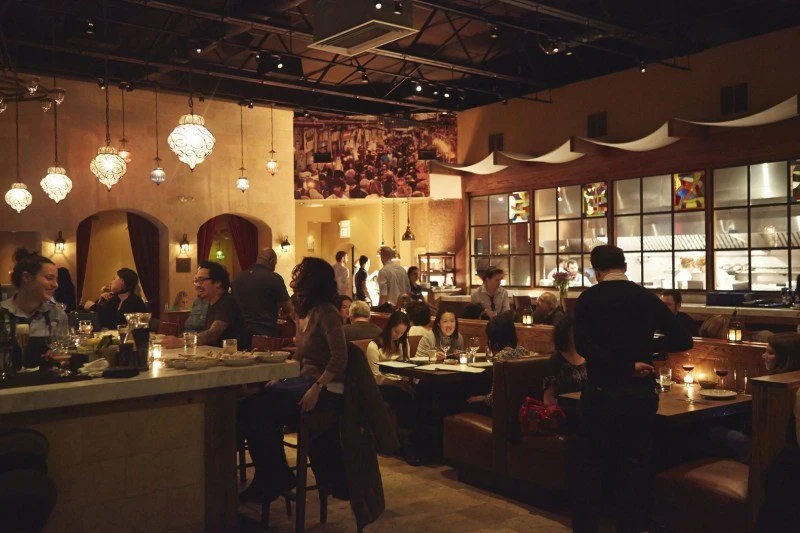
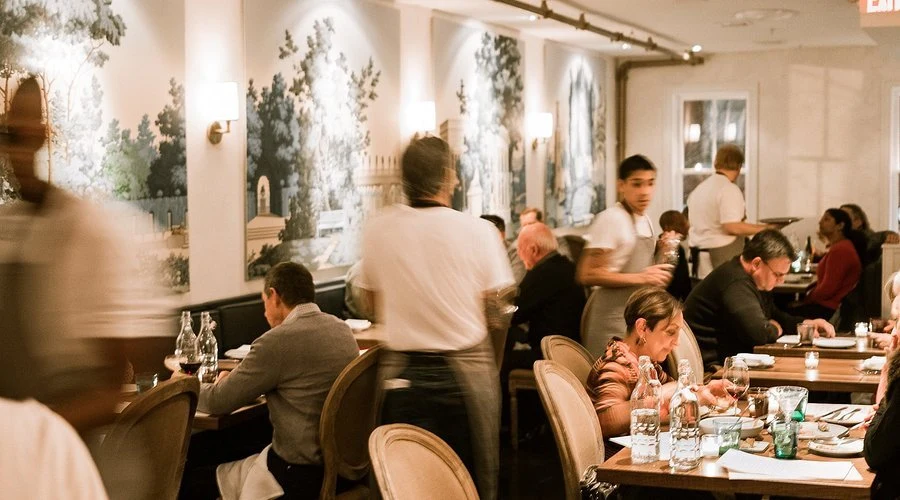
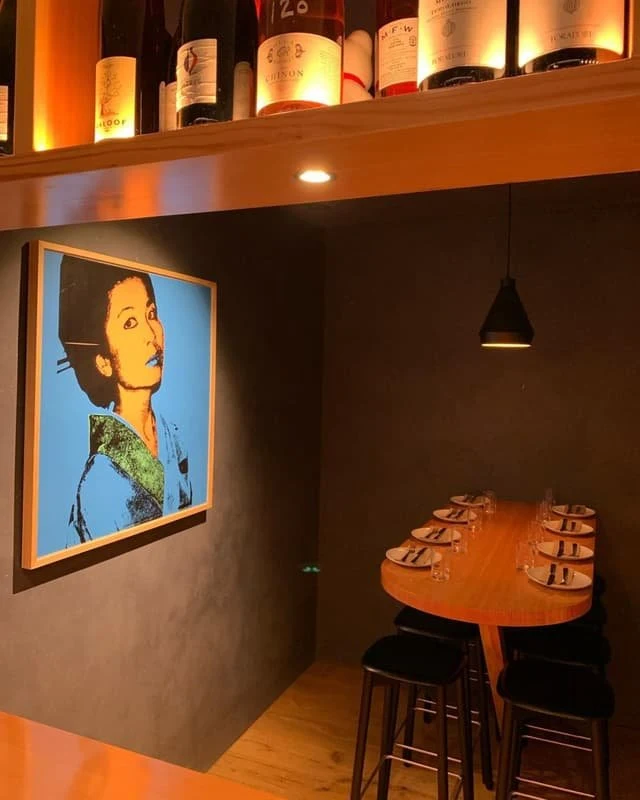
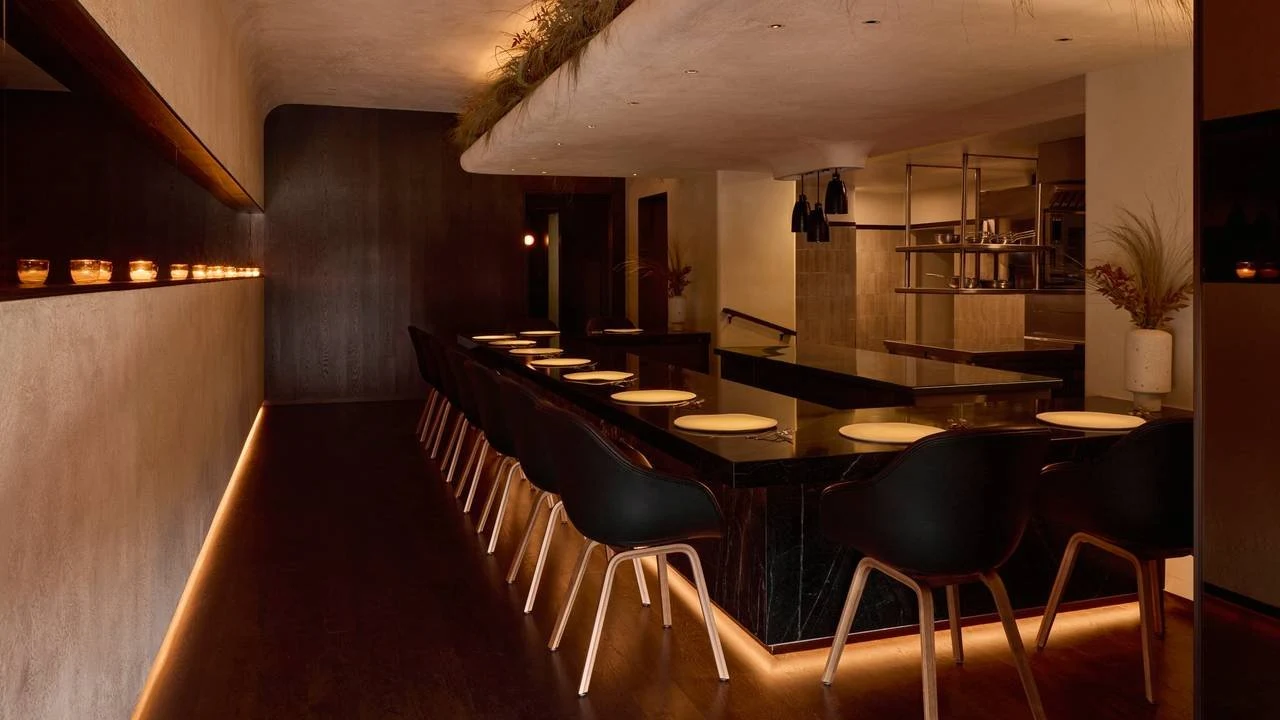
There is a particular kind of restaurant that becomes so woven into a city's identity that telling someone you visited Philadelphia without going prompts genuine disbelief. Zahav, in the Society Hill neighbourhood at 237 St James Place, occupies that position. It has accumulated the sort of durable local authority that most restaurants spend decades chasing and many never find. The dining room isn't a spectacle: it's a room that has settled into itself, busy in the way that places are busy when word of mouth does the work advertising cannot.
Israeli Cooking and the Question of Sourcing
Israeli cuisine draws from a wider geographic and cultural arc than its national label suggests. The food that defines the tradition, hummus made from dried chickpeas soaked overnight, salatim built from preserved and pickled vegetables, bread baked in high-heat ovens, proteins treated with spice profiles from across the Levant, North Africa, and Eastern Europe, is the product of mass immigration across the twentieth century and the layering of culinary traditions that followed. What makes that cooking interesting at table is how directly the quality of those foundational ingredients translates to the finished dish. Hummus is an exercise in chickpea quality, soaking time, and tahini ratio: there is nowhere to hide. The same logic applies across the menu.
The Sunday letter
Find new places through the people who run them.
Our Sunday email brings you the chefs, winemakers and hoteliers behind our newest stories. See a sample before you subscribe.
See a sample of the Sunday emailOne email a week. Unsubscribe from any issue.
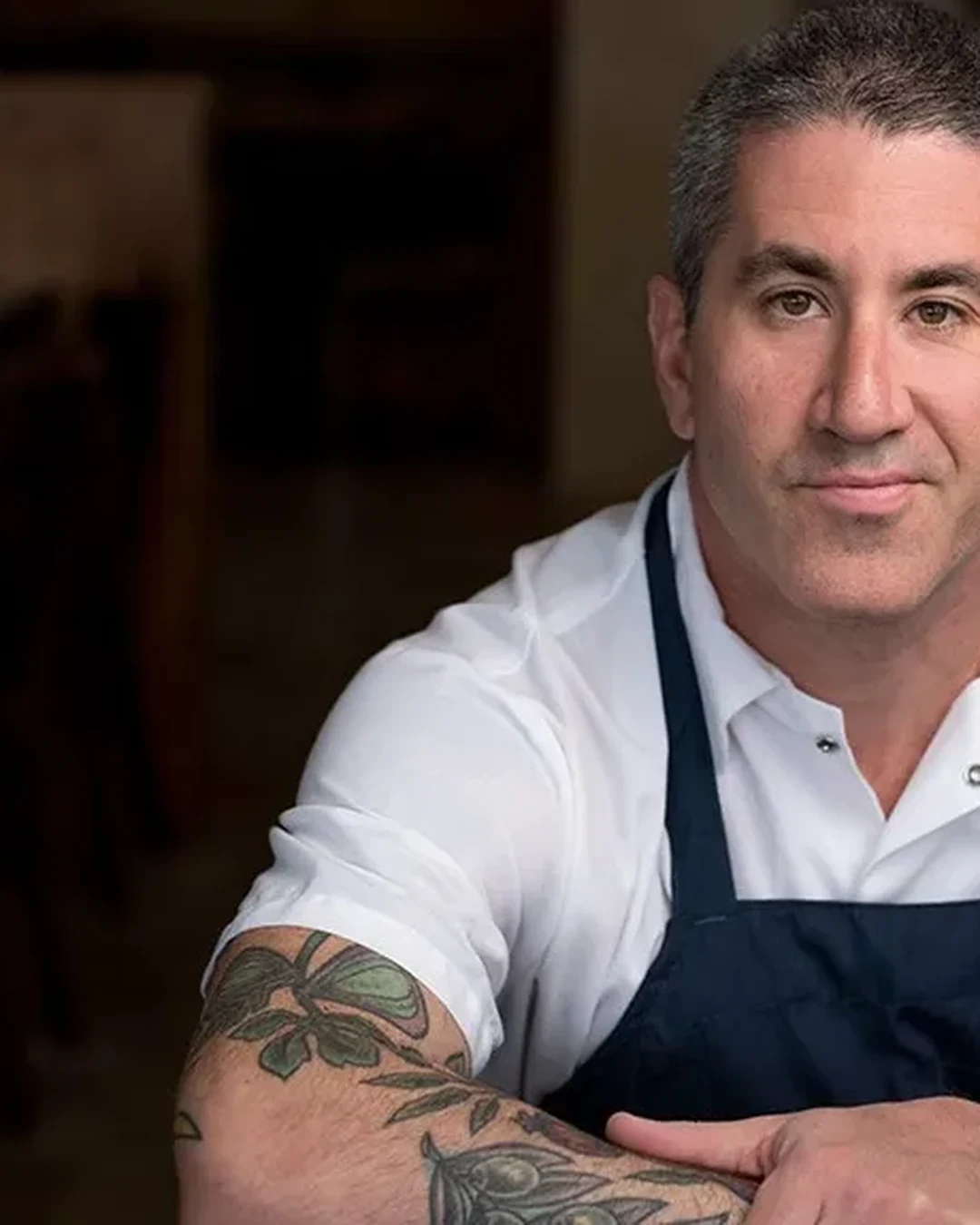
At Zahav, chef Michael Solomonov has worked within that framework since the restaurant's first year of service. The format centers on shared salatim and mezze for all tables, followed by a choice between the Al Ha'esh charcoal-grilled skewer option and the Mesibah format built around the restaurant's lamb shoulder. It asks the kitchen to hold consistent standards across dishes that live or die on ingredient quality and technique applied to those ingredients.
The Lamb Shoulder and What It Requires
The lamb shoulder has become the dish most associated with Zahav, and its preparation makes clear why. The process runs through brining, smoking over hardwood, and braising with pomegranate molasses. The result, served with chickpeas and crispy Persian rice, is soft enough to require no knife. That kind of texture is not accidental: it is the outcome of a multi-stage technique applied to an ingredient whose fat content and connective tissue structure make it well-suited to long cooking. The pomegranate molasses introduces an acidic sweetness that cuts through that richness, a balance that reflects the Levantine tradition of pairing fruit-based acids with lamb. When the ingredient quality is right and the process is followed, the dish lands exactly as described in the Opinionated About Dining notes that have tracked Zahav across multiple years of listing. Opinionated About Dining has ranked it among North America's casual restaurants in recent years. That kind of consistent multi-year presence in a competitive guide reflects something more than a one-cycle moment of attention.
The Structure of the Meal
The format at Zahav functions as an editorial choice about how Israeli hospitality works. The salatim and mezze section is not optional, and it is not a preamble. In Israeli dining culture, the spread of small dishes that arrives before a main protein is the meal's structural core: it is where the kitchen's depth across preserved vegetables, dips, and flatbreads is legible. The laffa bread that accompanies these courses is baked to order and serves the practical function of all good flatbread in this tradition: it is a utensil as much as a dish.
Decision point that follows, Al Ha'esh versus Mesibah, separates the meal into two meaningfully different directions. The charcoal-grilled skewer option (Al Ha'esh, which translates roughly to "on the fire") reflects the shish tradition common across the Middle East, where high direct heat and rapid cooking preserve the texture and mineral quality of the meat. The Mesibah format, built around the lamb shoulder, requires the opposite: extended low cooking that breaks down the shoulder's structure over hours. Both are legitimate expressions of how Israeli cooking handles protein; they are not interchangeable, and the choice shapes the experience of the meal.
Philadelphia's Position in American Israeli Cooking
American Israeli cooking has developed a comparable set across multiple cities. In New York, 12 Chairs represents one interpretation of the format. In Denver, Ash'Kara operates in a different market context. Zahav sits in a different tier from both: it is a longer-established, more heavily cited reference point that has operated continuously since 2008, accumulated cross-year OAD recognition, and generated the kind of out-of-city awareness, the people-from-Philadelphia-will-ask-you-about-it quality, that restaurants in the Israeli category rarely reach in markets outside New York.
Philadelphia's restaurant culture has produced a number of distinct, serious dining rooms in the years since Zahav opened. Fork and Friday Saturday Sunday represent the New American side of the city's dining identity. Mawn and My Loup signal the city's expanding range across Cambodian-influenced cooking and French-inspired formats. South Philly Barbacoa occupies its own category as a destination for Mexican slow-cooked meat. Against that field, Zahav's longevity and consistent external validation give it a reference point status that goes beyond cuisine category.
Compared to restaurants that operate at similar levels of national recognition, Le Bernardin in New York, Alinea in Chicago, The French Laundry in Napa, or Lazy Bear in San Francisco, Zahav operates in a different register: its format is accessible rather than ceremonial, and its dining culture is communal rather than reverent. That accessible seriousness is part of what has sustained its following across seventeen years of service. Single Thread Farm in Healdsburg and Emeril's in New Orleans similarly carry the weight of long institutional presence; what distinguishes Zahav is that its format has remained structurally unchanged rather than evolving through tasting menu iterations or concept pivots.
Planning a Visit
The address is 237 St James Place in Society Hill, a neighbourhood close to Penn's Landing and Old City, accessible on foot from central Philadelphia hotel stock. The Google rating across 2,879 reviews sits at 4.6, which for a room this busy and this well-documented is a signal of genuine consistency rather than novelty-driven enthusiasm. The practical note worth carrying: decide before you arrive whether you want the Mesibah lamb shoulder or the Al Ha'esh grilled skewers. Both paths begin with the same salatim and mezze, but they arrive at different kinds of satisfaction, and the lamb shoulder in particular benefits from being ordered with that intention rather than as an afterthought.Questions
Frequently asked
Who works at Zahav?
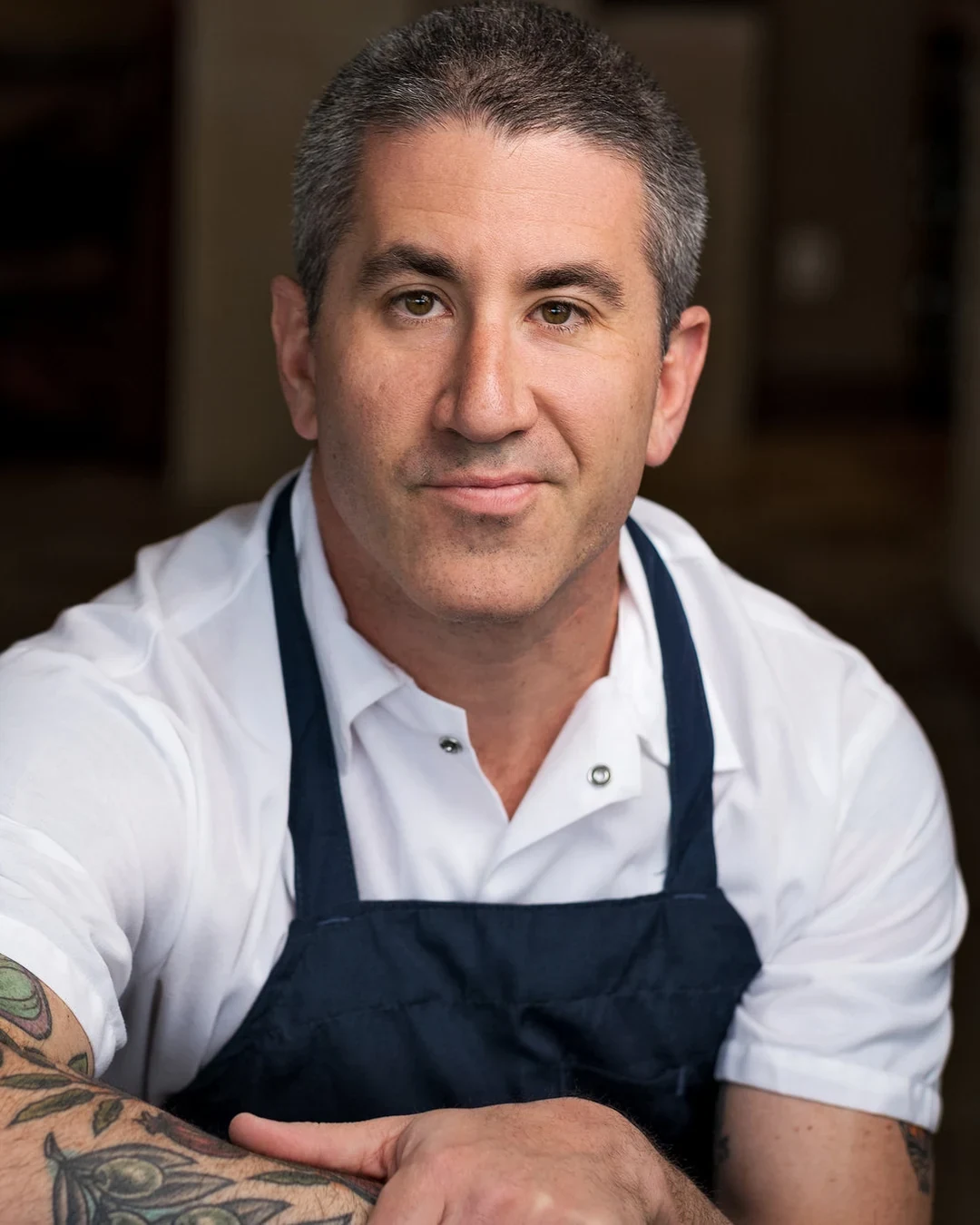
Made By profiles Michael Solomonov (Chef) and Mike Solomonov (Other) at Zahav.
How expensive is Zahav?
Zahav is listed at a price level of $$$$.
Where is Zahav and what does it serve?
Zahav is in Society Hill, Philadelphia, serving Modern Israeli.
The field
How it compares
| Place | Cuisine | Notes | Awards |
|---|---|---|---|
| Zahav | Modern Israeli | Society Hill, $$$$ | · |
| Friday Saturday Sunday | Modern American Tasting Menu | Philadelphia | Michelin 1 Star, World's 50 Best |
| Her Place Supper Club | Seasonal French-Italian Fine Dining | Philadelphia | Michelin 1 Star |
| Kalaya | Southern Thai | Philadelphia | World's 50 Best |
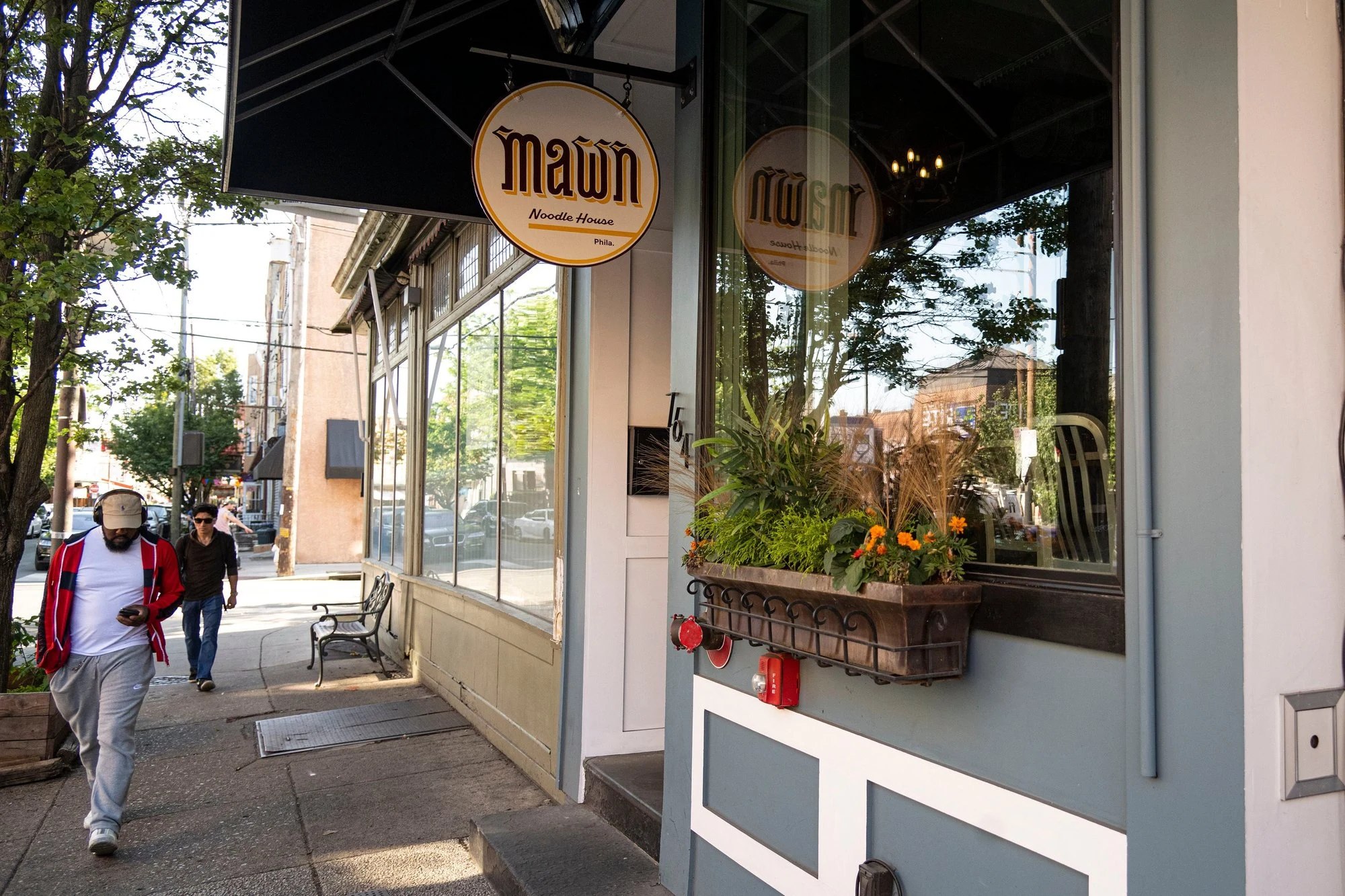
| Mawn | Modern Cambodian Noodle House | Philadelphia | · |
| Pizzeria Beddia | Exceptional Neapolitan-Style Pizza | Philadelphia | · |
| Provenance | Modern French-Korean Fine Dining | Philadelphia | Michelin 1 Star |
In residence
Similar places
Modern American Tasting Menu
Friday Saturday Sunday
Philadelphia, United States
★ · 50 Best
Seasonal French-Italian Fine Dining
Her Place Supper Club
Philadelphia, United States
★
Southern Thai
Kalaya
Philadelphia, United States
50 Best
Modern Cambodian Noodle House
Mawn
Philadelphia, United States
Exceptional Neapolitan-Style Pizza
Pizzeria Beddia
Philadelphia, United States
Modern French-Korean Fine Dining
Provenance
Philadelphia, United States
★
The Sunday letter
Get the next Made By story in your inbox.
We send one email every Sunday morning with the places and people we covered that week.
See a sample of the Sunday emailOne email a week. Unsubscribe from any issue.