Chef in Residence
Lisa Morent
Chef

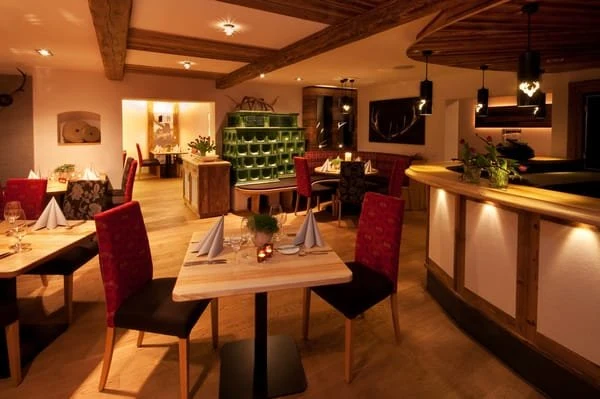
A Michelin Bib Gourmand-recognised country house outside Munich, Zum Vaas serves traditional Bavarian cooking under chef Lisa Morent in a family-oriented setting that rewards the taxi ride from the city. Relais & Châteaux-affiliated and consistently rated 4.7 across more than 600 Google reviews, it represents the kind of grounded regional cooking that Munich's urban restaurant scene rarely replicates at this price point.
<h2>Country Roads and Bavarian Kitchens: What Zum Vaas Tells Us About Regional Cooking Outside Munich</h2><p>The restaurants that define a region's food culture are rarely found in its capital. Munich has its share of serious kitchens, from the Franco-Asian precision of <a href="https://www.enprimeurclub.com/restaurants/jan-munich-restaurant">JAN in Munich</a> to the ambitious tasting formats that have made southern Germany a reference point for German fine dining broadly. But the farmhouse cooking that actually shaped Bavarian cuisine, the kind rooted in seasonal local produce and multigenerational technique, has mostly survived in smaller towns where rents stay low and regulars stay loyal. Forstinning is one of those towns, and Zum Vaas is one of those restaurants.</p><p>Set in a country house along Münchener Strasse, the property arrives the way these places tend to: gradually, through a range of fields and low rooflines that signals you have left the city behind. The building itself carries the unhurried character of a place that hasn't needed reinvention, a family-oriented space where the dining room communicates comfort through physical detail rather than through designed atmosphere. This is not the aesthetic register of <a href="https://www.enprimeurclub.com/restaurants/schwarzwaldstube-baiersbronn-restaurant">Schwarzwaldstube in Baiersbronn</a> or the spare modernity of <a href="https://www.enprimeurclub.com/restaurants/aqua-wolfsburg-restaurant">Aqua in Wolfsburg</a>. It is something older and more specific: a Gasthaus format where the room exists to support the food, not to announce itself.</p><h2>What the Michelin Bib Gourmand Signal Actually Means Here</h2><p>Zum Vaas has held the Michelin Bib Gourmand in both 2024 and 2025, a distinction that Michelin reserves for kitchens offering what its inspectors consider quality cooking at a moderate price. At the €€ price tier, the restaurant operates well below the €€€€ bracket occupied by the likes of <a href="https://www.enprimeurclub.com/restaurants/vendome-bergisch-gladbach-restaurant">Vendôme in Bergisch Gladbach</a> or <a href="https://www.enprimeurclub.com/restaurants/coda-dessert-dining-berlin-restaurant">CODA Dessert Dining in Berlin</a>. The Bib Gourmand is specifically structured for this gap: it marks restaurants where value and craft coexist, where the cooking is serious without the price card requiring a special occasion.</p><p>For traditional cuisine at this price point, consistent Michelin recognition across consecutive years is a meaningful signal. It indicates that the kitchen isn't riding a single-year surge but maintaining a standard, which is harder to sustain in ingredient-led cooking where sourcing costs fluctuate and seasonal availability determines the menu's range. The 2025 Relais & Châteaux affiliation adds a second layer of external validation; the organisation's membership criteria emphasise authenticity, character, and a sense of place, qualities that align directly with what Zum Vaas represents within the Bavarian country kitchen tradition.</p><p>A Google rating of 4.7 from 638 reviews reinforces that this is not a critics' restaurant that divides its local audience. The breadth of that score suggests consistent delivery across a large and varied guest pool, not just favourable coverage from a narrow visiting segment.</p><h2>Ingredient Logic: Why Location Matters in Traditional Bavarian Cooking</h2><p>The editorial angle for understanding Zum Vaas isn't the decor or the format; it's where the food comes from and what that sourcing makes possible. Traditional Bavarian cuisine is, at its foundation, a cuisine of proximity. Pork, veal, freshwater fish from Alpine lakes and rivers, root vegetables, dairy from nearby farms, and seasonal foraged additions like wild mushrooms and herbs: these are the building blocks of the tradition, and they all depend on short supply chains that urban restaurants struggle to replicate at competitive prices.</p><p>Forstinning's position outside Munich, rather than within it, is an operational advantage for this kind of cooking. Proximity to agricultural suppliers reduces both cost and transit time between field or farm and plate. Chef Lisa Morent works within a cuisine category where the quality of raw ingredients does most of the heavy lifting, and where the cook's role is partly to resist over-complicating material that doesn't need it. This is a different discipline from the interventionist creativity on display at kitchens like <a href="https://www.enprimeurclub.com/restaurants/essenz-grassau-restaurant">ES:SENZ in Grassau</a> or <a href="https://www.enprimeurclub.com/restaurants/restaurant-haerlin-hamburg-restaurant">Restaurant Haerlin in Hamburg</a>, but it isn't a lesser one. Getting out of the way of good produce is its own form of skill.</p><p>The European comparison is instructive. Auberge Grand'Maison in Mûr-de-Bretagne and <a href="https://www.enprimeurclub.com/restaurants/auga-gijon-restaurant">Auga in Gijón</a> represent a similar tradition in their respective regions: traditional cuisine formats, anchored to local sourcing, operating at a price point that makes them regular destinations rather than annual events. Zum Vaas sits in the same category, where the regional identity of the food is the primary point.</p><h2>Forstinning in the Broader Dining Picture</h2><p>Forstinning doesn't have a restaurant district in any conventional sense. It has a small number of serious kitchens that serve both local regulars and visitors willing to travel from Munich for something they can't find inside the city. <a href="https://www.enprimeurclub.com/restaurants/maroots-forstinning-restaurant">Ma'Roots</a>, which takes a seasonal approach to its menu, operates in the same town and reflects a broader regional interest in produce-driven cooking. For anyone building a day around a meal, the EP Club guides to Forstinning restaurants, Forstinning hotels, bars, wineries, and experiences map the full picture of what the area offers beyond the table.</p><p>Within the German fine dining conversation more broadly, Zum Vaas occupies a different register from destination restaurants like <a href="https://www.enprimeurclub.com/restaurants/schanz-piesport-restaurant">Schanz in Piesport</a>, <a href="https://www.enprimeurclub.com/restaurants/waldhotel-sonnora-dreis-restaurant">Waldhotel Sonnora in Dreis</a>, or <a href="https://www.enprimeurclub.com/restaurants/victors-fine-dining-by-christian-bau-perl-restaurant">Victor's Fine Dining by Christian Bau in Perl</a>. Those are multi-star operations running elaborate tasting formats at the top of Germany's critical hierarchy. Zum Vaas is doing something structurally different: making the case that traditional Bavarian cooking, executed with care and supplied from close proximity, warrants serious recognition on its own terms.</p><h2>Planning the Visit</h2><p>The restaurant sits at Münchener Str. 88, 85661 Forstinning. A taxi from central Munich is the most practical approach for visitors without a car, and the awards profile and review volume suggest advance planning is worthwhile; Bib Gourmand recognition tends to fill tables in mid-sized regional venues quickly, particularly at weekends. The €€ pricing means the financial barrier is low relative to most Michelin-recognised dining in the region, which likely contributes to the high review volume and broad guest mix. Given the family-oriented character of the space and the traditional cuisine format, it functions well as a lunch destination as much as an evening one, particularly for visitors combining it with time in the Bavarian countryside east of Munich.</p><h3>Frequently Asked Questions</h3><h3>What is the signature dish at Zum Vaas?</h3><p> Zum Vaas operates within the traditional Bavarian cuisine category, where menus typically follow seasonal availability and regional produce. Chef Lisa Morent's kitchen holds a Michelin Bib Gourmand for 2024 and 2025, indicating consistent quality across the menu rather than a single marquee item. Contacting the restaurant directly is the most reliable way to understand what the kitchen is currently emphasising, particularly given how closely this style of cooking tracks the season.</p>
The chef associated with Zum Vaas is Lisa Morent.
Zum Vaas has received recognition including: Zum Vass is actually a taxi ride outside of Munich, but it’s definitely worth the trip and worth mentioning. It’s a very family-oriented place in a beautiful little country house, serving Bavarian com...; Relais Chateaux Award (2025); Miche….
No single dish is confirmed in published records, which is consistent with how traditional Bavarian kitchens typically operate: menus rotate with the season and what regional suppliers provide. Zum Vaas holds the Michelin Bib Gourmand for both 2024 and 2025, a signal that the cooking is grounded in technique rather than a single showpiece plate. The country house format under chef Lisa Morent points toward the kind of menu where the roast, the dumpling, and the sauce matter as much as any headline item.
Münchener Str. 88, 85661 Forstinning, Germany
Forstinning

Japanese-influenced Californian Kaiseki
Single Thread Farm
Healdsburg, United States
★★★ · 50 Best

French Seafood Fine Dining
Le Bernardin
New York City, United States
★★★ · 50 Best

Modern Korean Tasting Menu
Atomix
New York City, United States
★★ · 50 Best

French
Sézanne
Tokyo, Japan
★★★ · 50 Best

Contemporary Plant-Based Fine Dining
Eleven Madison Park
New York City, United States
★★★ · 50 Best

Modern Seafood Fine Dining
Providence
Los Angeles, United States
★★★ · 50 Best