Winemaker
Benoît Marguet
- Discipline
- Winemaker
- Based in
- Ambonnay, France
i. Biography
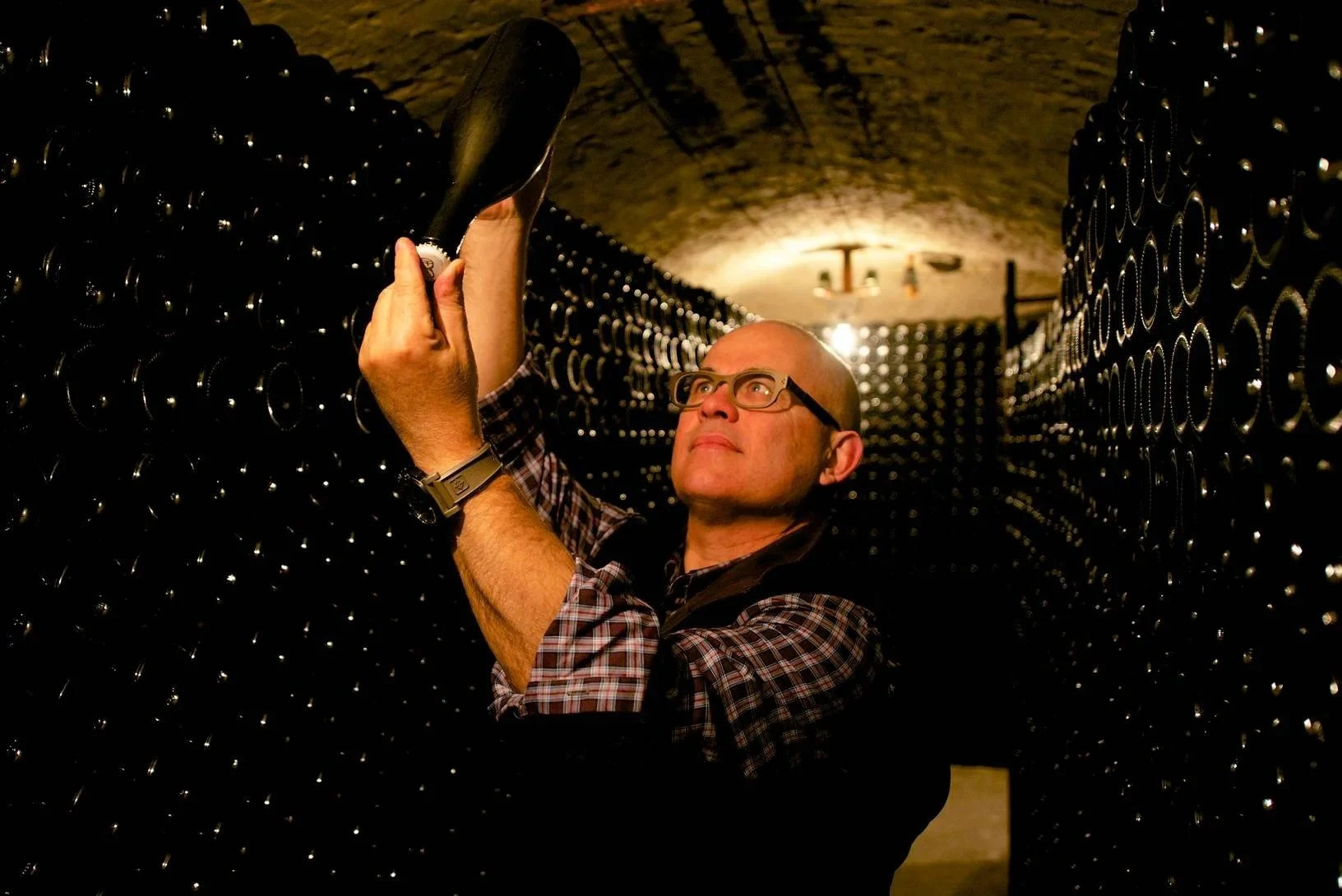
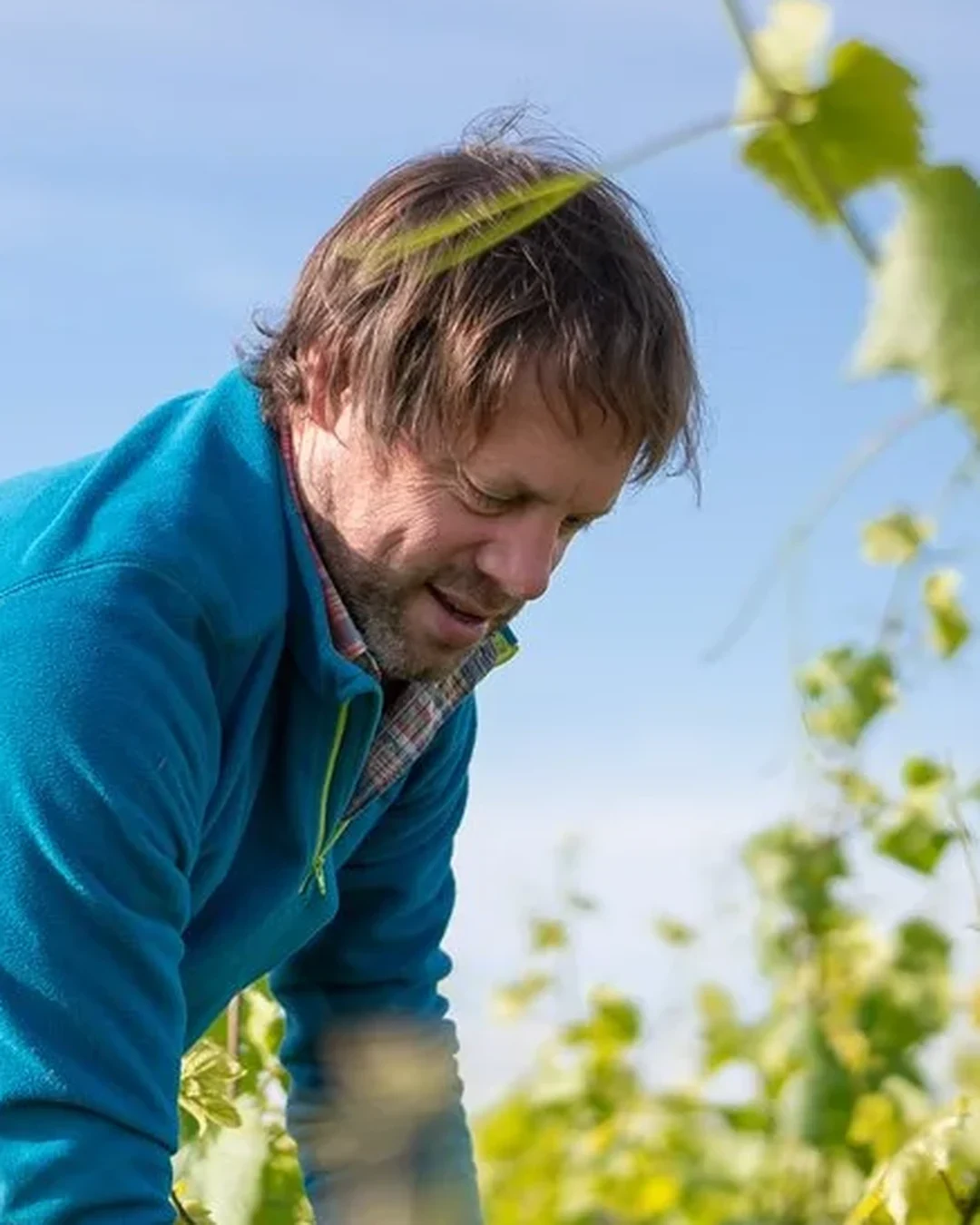
Benoît Marguet’s formation begins inside Champagne itself: a fifth-generation producer of Champagne Marguet Père & Fils in Ambonnay, France, he trained at Champagne Mumm, worked in the USA, then returned to the family line with a broader sense of how a label can carry memory through farming. In 2005, he took full control of Marguet Père et Fils, making lineage not a backdrop but the working structure of the estate.
Where It Started The Marguet story is rooted in Ambonnay, on the Montagne de Reims, where inheritance is measured in parcels as much as in surnames. Marguet did not simply enter a Champagne address; he became the fifth generation to run the family’s work through Champagne Marguet Père & Fils, carrying forward a local continuity while changing the way the vineyards are farmed. Training at Champagne Mumm gave him a formal Champagne foundation before time working in the USA widened the frame. Those two experiences sit beside the family label rather than replacing it: one offered outside discipline, the other a return to place.
Who Shaped Them Ambonnay shaped the deepest part of the work. The village appears in the wines through lieux-dits including Le Parc, Les Crayeres, La Grande Ruelle, Les Bermonts, and Les Saint Remys, each treated as a distinct expression rather than folded into anonymity. The range follows a Burgundy-like hierarchy: multi-terroir blends, village Champagnes, and single-vineyard lieu-dit expressions. Fruit also comes from villages including Avize, Cramant, Bouzy, and Trepail, linking the family base to a wider Champagne map without loosening the attachment to Ambonnay. A decisive agricultural turn has defined his era at the domaine. All company-owned vineyards are run biodynamically, every vineyard he farms follows biodynamic practices, and the wines are produced with minimum intervention. Since 2011, all purchased fruit has come exclusively from vineyards certified organic or in conversion to organics. Since 2009, he has experimented with horse plowing, and he owns two horses capable of plowing all the vineyards he owns and farms. That relationship is not ornamental. He considers his horse, which feeds on flora at the winery, to be part of his terroir, and he makes biodynamic preparations entirely from materials he grows himself.
The Work Today
The Champagnes carry the imprint of that farming in the cellar. His wines use old barrels, naturally complete malolactic fermentation, use virtually no sulphur, and have no dosage. The result has been described as energy, vivid acidity, and texture linked to meticulous farming and his approach. Biodynamic Champagne from Ambonnay and the Montagne de Reims is the central craft, with the cellar work designed to keep the vineyard’s voice close to the glass. Among the bottles to know, the Shaman cuvée is cited as part of the range to explore. NV Marguet Champagne Premier Cru Yuman 19 Blanc de Blancs was described by a taster as one of the best wines of a trip for value and quality ratio. The 2007 Marguet Sapience Zéro Dosage was listed by Falstaff with a 94 rating. Marguet Shaman Rosé Grand Cru Extra Brut was listed by Falstaff with a 92 rating, another marker of how the estate’s biodynamic, low-intervention language can move across cuvée and color.
FAQ