i. Biography
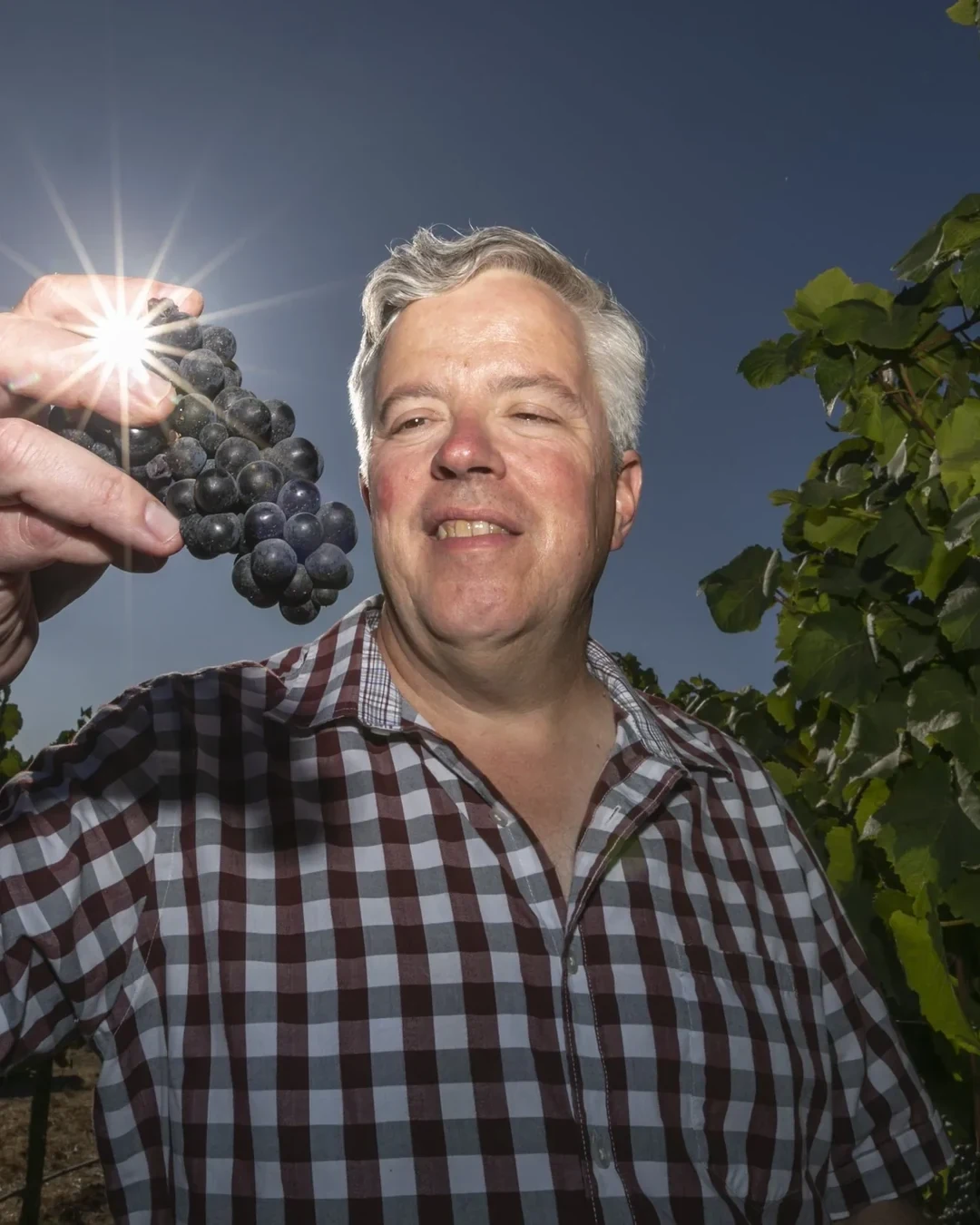
Winemaker at Bouwland in Stellenbosch, South Africa, Beyers Truter’s formation begins with study before estate life: a BSc Agriculture with oenology and viticulture from the University of Stellenbosch in 1979, bursary service at the Fruit Board, then the cellar discipline of Kanonkop. From that route came a life’s work around Pinotage, carried from separated vineyard blocks and hand-worked fermenters into Beyerskloof and Bouwland Estate.
Where It Started The first formal marker in Truter’s line is Stellenbosch: in 1979, he completed a BSc Agriculture with oenology and viticulture at the University of Stellenbosch. His early obligation was practical rather than ceremonial; he worked for the Fruit Board as part of his bursary commitments before moving into the cellar role that would define the next long chapter. He remembered it plainly: "I started at Kanonkop when I think I was 25-years-old. Prior to that I’d been at the Soft Fruit Board; I had to work off a study loan. Straight after, I got work at Kanonkop, so I was young when I started there." That path is significant because it joins classroom, obligation, and cellar floor without separating them. The winemaking that followed was not an abstract calling but a sequence: study the vine, work off the loan, enter a cellar, repeat the physical acts until a style begins to show itself.
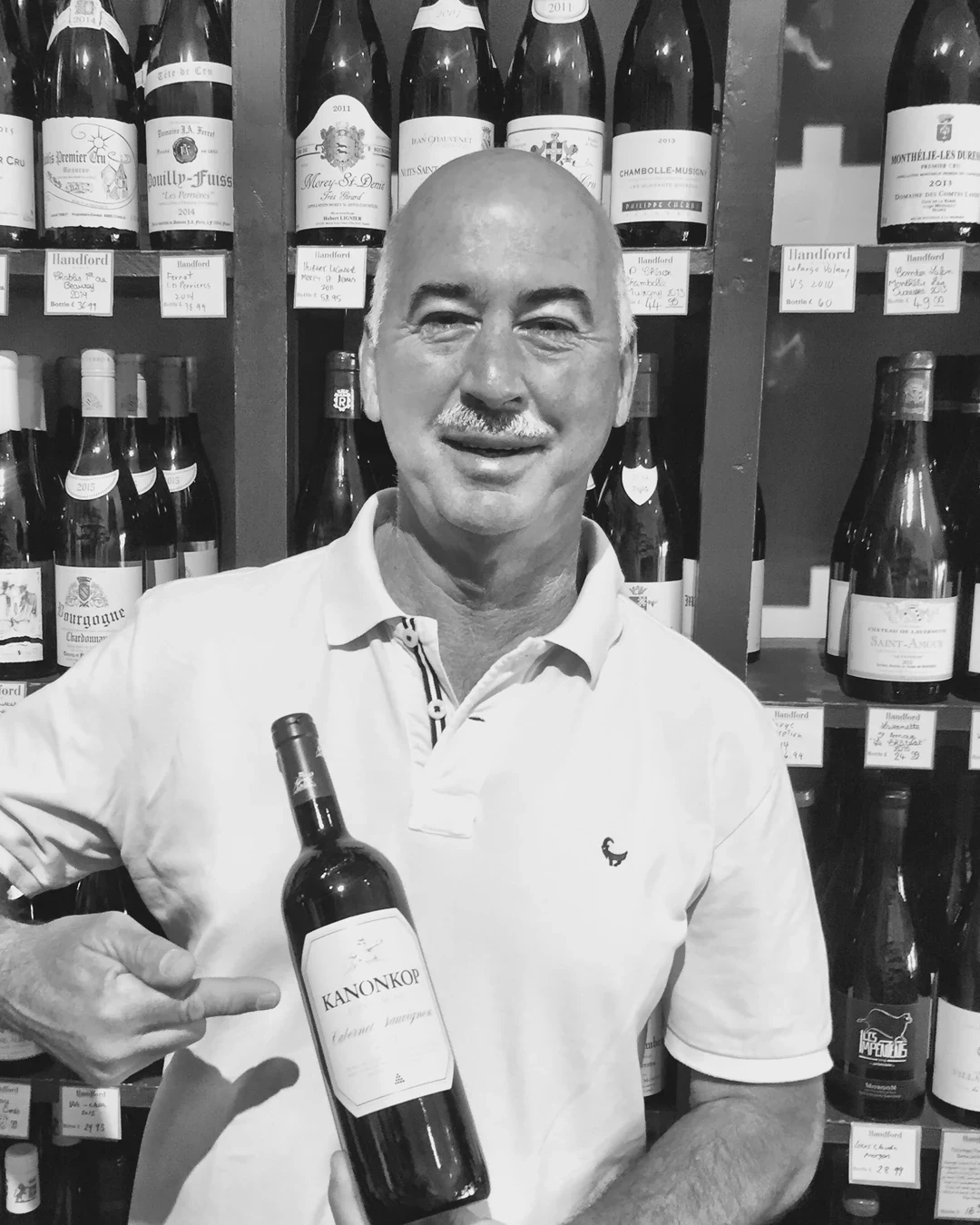
Who Shaped Them From 1980 to 2003, Truter was the third winemaker at Kanonkop. There, his work with Pinotage became exacting in the most literal way: each vineyard block was harvested separately, and the grapes were kept apart in 10-ton fermenters. The method stayed hands-on. He developed a manual punch-down regimen every two hours, with 15-minute punch-downs per tank, to optimize colour, tannin extraction, character, complexity and depth. The rhythm suggests a winemaker shaped by repetition, timing, and the refusal to let a block disappear into a general blend too soon. The 1989 Kanonkop Pinotage became the wine that convinced judges to give Truter the 1991 International Wine and Spirit Competition Robert Mondavi Trophy for Best Winemaker in the World. Another signature from that same cellar era, the Paul Sauer 1991 Bordeaux blend, was linked to the Chateau Pichon Longueville Comtesse de Lalande Trophy for the World’s Best Red Blend.
The Work Today
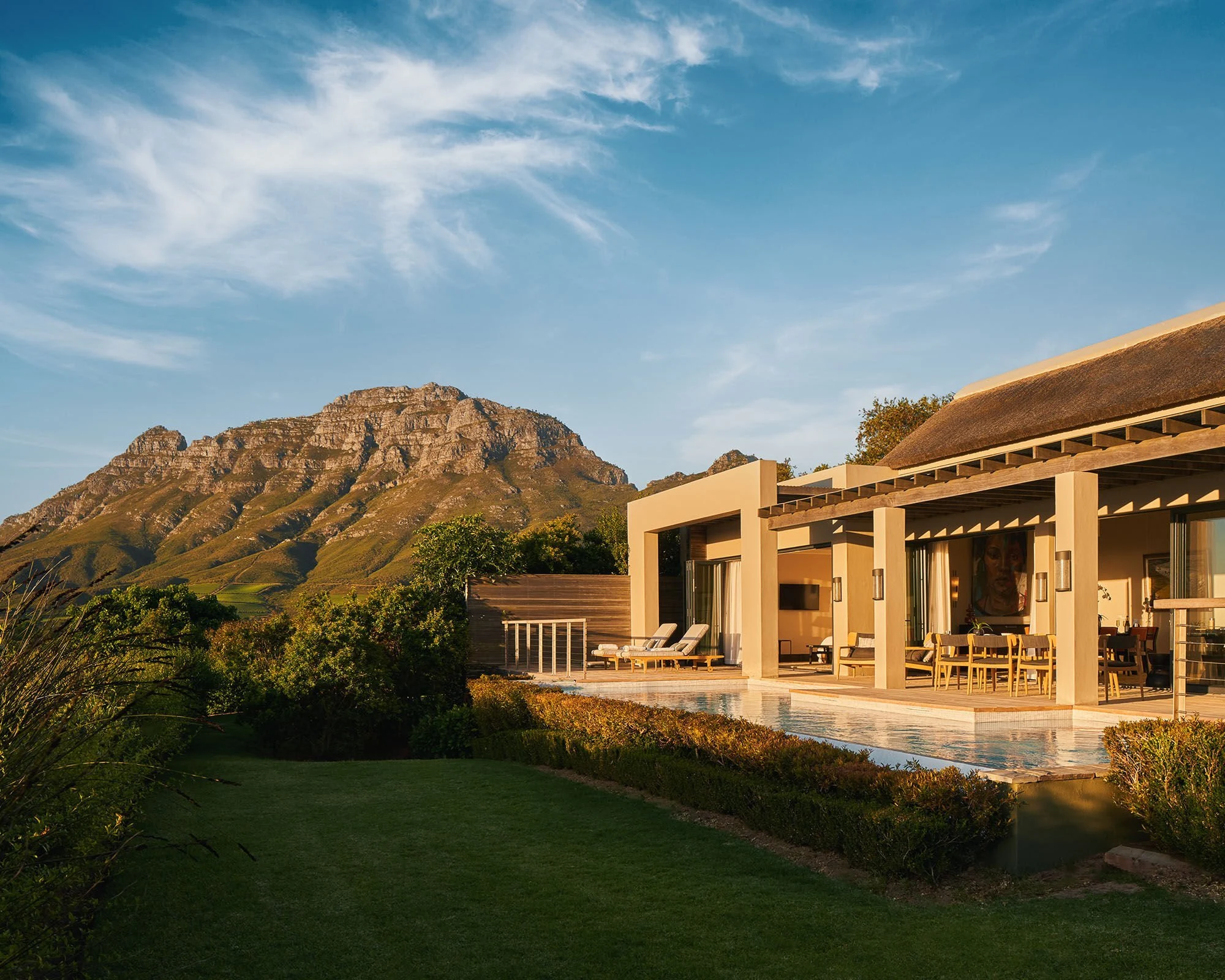
His own line took physical root in 1988, when Beyerskloof began with a small home farm off the Koelenhof road in Stellenbosch. As founder and cellarmaster of Beyerskloof, he made a fresh, fruit-driven, easy-drinking style of Pinotage, partially barrel-matured for six months and sometimes blended with Cabernet or Merlot. Beyerskloof Pinotage was first produced and bottled in 1995, then won its first Absa Top 10 Pinotage award one year later. The wine gives a second register to Truter’s Pinotage story: after the separate-block discipline and deep extraction associated with his Kanonkop years, this was a Stellenbosch bottle made for freshness, fruit, and reach. At Bouwland in Stellenbosch, his title is winemaker, and at Bouwland Estate he is director of the new estate. The connection reads like a return to formation rather than a departure from it: Stellenbosch study, Fruit Board obligation, Kanonkop practice, Beyerskloof origin, and Bouwland work all belong to one continuous line of Pinotage, cellar method, and place.
FAQ Who has Beyers Truter mentored? His influence is tied to cellar practice—separate block ferments, manual punch-downs, and Pinotage—rather than to a specific public mentee. Who did Beyers Truter train under? His training line runs through the University of Stellenbosch, the Fruit Board, and his early Kanonkop years rather than a single individual teacher. Where did Beyers Truter study or apprentice? He studied at the University of Stellenbosch, completed his BSc Agriculture with oenology and viticulture in 1979, worked at the Fruit Board, and joined Kanonkop as third winemaker in 1980.