i. Biography
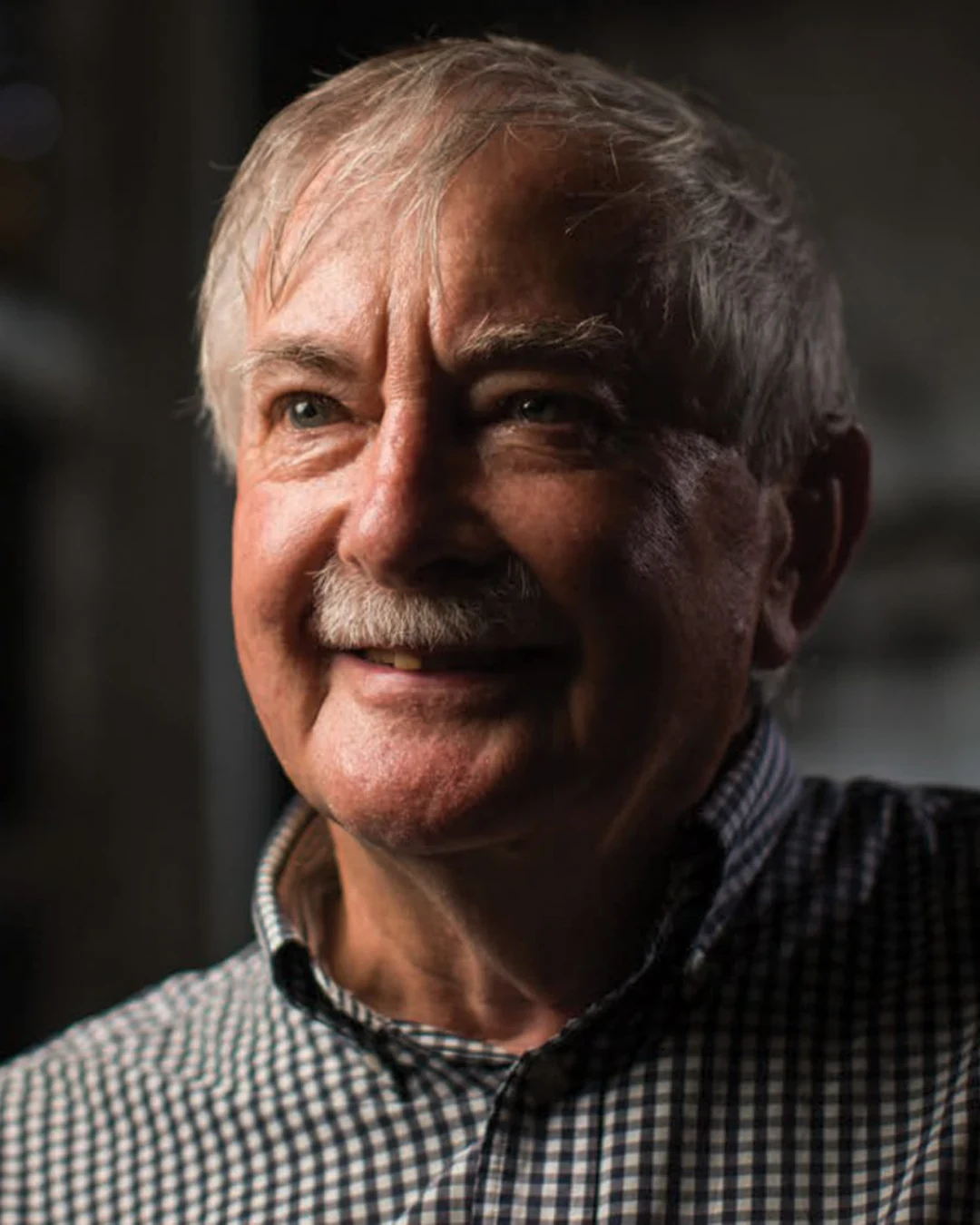
Career Brian Croser’s formation reads less like a classroom record than a long apprenticeship to place, moving from Petaluma to Tapanappa through terroir-driven wines, deliberate vineyard choices, and repeated attention to what fruit can say when the vineyard is allowed to speak first. The work turns on one clear principle: the vineyard is not support material for winemaking, but the starting point of it. That principle set the operating grammar for everything that followed: site selection, variety, viticulture, and restrained winemaking in service of terroir-driven wines. It is a practical language, built through decisions made row by row and season by season, with the long view kept in frame. Croser’s method does not try to cover origin; it depends on it, trusting that a site, once properly chosen and carefully farmed, will show its character in the glass. His own words describe the method plainly. “I have spent 40 years choosing distinguished vineyard sites, planting them with the right variety, refining the viticulture and the winemaking, and enduring the swings and roundabouts of the third-party critical assessment of the wines.” The line lays out the work as practice, not theory: site first, variety matched to it, farming refined over time, and the wine shaped to reflect those conditions rather than override them. The result is technical work with an expressive edge, held together by restraint and patience. The geography matters as much as the label. Brian Croser is a South Australian winemaker whose career has been built around naming, refining, and returning attention to the fruit of the valley where he made a major part of that career. The outcome is less a fixed style than an ongoing exchange between land and bottle, with vineyard decisions carrying as much weight as anything that happens in the cellar.
The Climb
The work continues on the same line that has defined his career from the start: terroir-driven wines shaped by the relationship between vineyard site, variety, viticulture, and winemaking. The emphasis stays on fundamentals that do not date out—where to plant, what to plant, how to farm, and how little to obscure the character already present in the fruit. That continuity gives the present work depth, as though each new decision returns to first principles. For anyone tracing the path, Tapanappa is not a separate story but a continuation of questions first clarified at Petaluma. The logic remains steady and exacting: what site can support a long-lived vineyard, which variety belongs there, which clones, and how the vines should be tended so the site remains legible in the finished wine. Croser’s public reflection on vineyard investment states the point directly: “This as they say, has become bigger than Ben Hur. What it does demonstrate is that when making 50 year plus investments in vineyards, it is paramount to get the choices of site,variey(ies) and clone(s) right.”
Signature
Brian's signature wines include Croser, The Tiers Vineyard, Foggy Hill Vineyard Pinot Noir, Tiers Vineyard Chardonnay, and Piccadilly Valley Chardonnay. Each sits within the same larger philosophy: wines shaped by place, and by the careful discipline required to bring that place into focus.
In Their Words “I have spent 40 years choosing distinguished vineyard sites, planting them with the right variety, refining the viticulture and the winemaking, and enduring the swings and roundabouts of the third-party critical assessment of the wines.” “This as they say, has become bigger than Ben Hur. What it does demonstrate is that when making 50 year plus investments in vineyards, it is paramount to get the choices of site,variey(ies) and clone(s) right.”
Recognition
Brian's honors include South Australian Legend of the Vine, Distinguished Alumni Award, Viticulturist of the Year, Doctor of the University (honoris causa), Decanter Man of the Year (2004), and Officer of the Order of Australia.
FAQ What recognition has Brian Cr