i. Biography
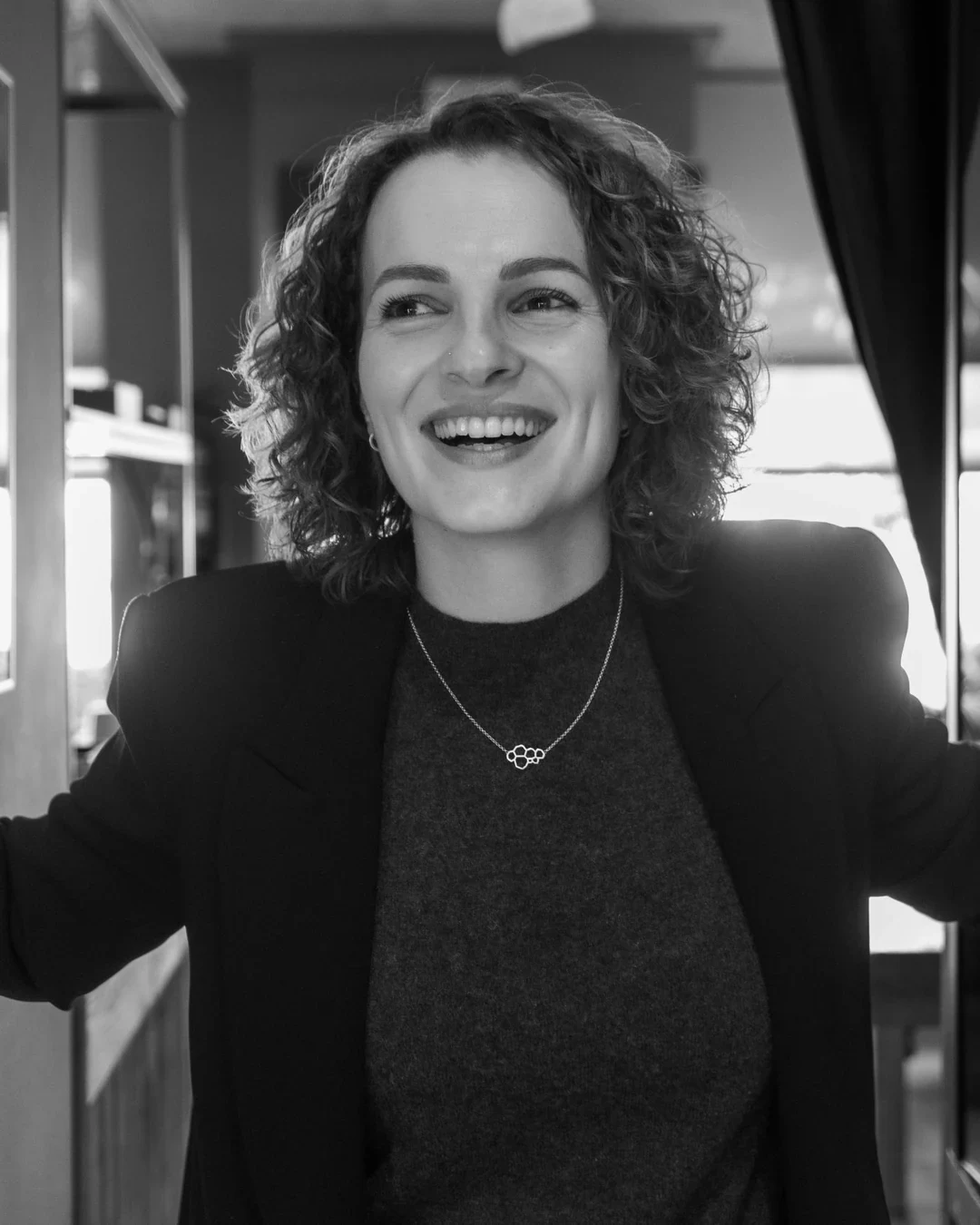
Before Clara Puig became co-owner of Tula in Jávea, Spain, her formation ran through a stage at Quique Dacosta’s three-star restaurant in Dénia. That house is also where she met Borja Susilla, making the origin of Tula read less like a business plan than a kitchen lineage carried from one Mediterranean address to another.
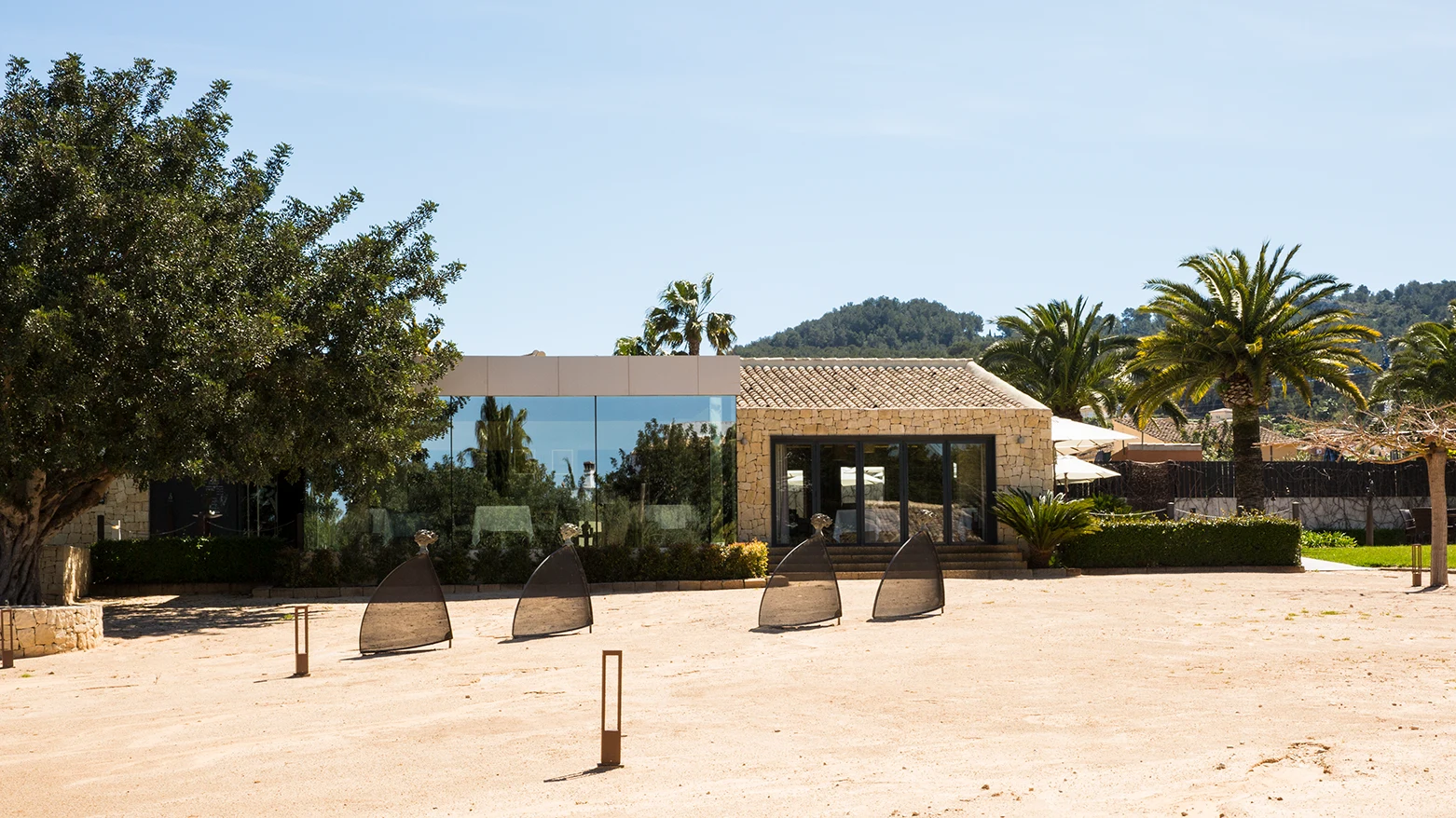
Where It Started Puig has been co-owner of Tula in Jávea since 2016, but the story begins earlier, in the discipline of staging at Quique Dacosta in Dénia, Spain. The fact that she and Borja Susilla met while working there matters to the shape of the restaurant they later built: a partnership born in service, repetition, precision, and the shared language of a demanding kitchen. Her own working creed is blunt enough to fit a prep list: “The formula for success is work.” At Tula, that sentence feels less like a slogan than a method. The restaurant’s food puts deliciousness and flavour first, even when the dish is creative or complicated, and its kitchen is supplied almost entirely by local materials, with some Japanese, Korean, and Peruvian products folded into the pantry.
Who Shaped Them The formative house named in Puig’s path is Quique Dacosta’s three-star restaurant in Dénia. It gave her not only a stage but also the meeting point with Susilla, linking training, partnership, and place in one early chapter. From that foundation, Tula’s cooking developed as reworked homemade food: simple, original, author-driven cooking that combines local, quality product with training and craft. The menu is mainly based on local products so the restaurant’s offer is identified with its area, while still allowing a wider vocabulary through selected ingredients from Japan, Korea, and Peru. That balance explains the restaurant’s stated specialties: Mediterranean cuisine and modern cuisine, alongside seafood-focused fusion cuisine and traditional Mediterranean dishes with modern twists. The result is not a break from the coast around Jávea, but a way of working through it, letting flavour come first while technique gives shape to memory and product.
The Work Today
In 2020, the MICHELIN Guide awarded one Michelin star to Tula, marking a defining recognition for the restaurant Puig co-owns in Jávea. Framed through the work rather than the ceremony, the star belongs to a kitchen built on local materials, flavour-led decisions, and the patient craft learned through earlier service. Since 2024, Puig has also operated Gaztelur in Arcangues, France, with Borja Susilla and David González. That role extends the working circle beyond Tula while keeping the named collaborators close: Susilla from the Dénia origin story, González in the later chapter at Gaztelur. Across these addresses, the through-line is formation turned into hospitality. A stage in Dénia became a meeting, the meeting became a restaurant in Jávea, and the restaurant became a Michelin-recognized expression of Mediterranean and modern cooking with seafood, local product, and carefully chosen global accents.
FAQ Where did Clara Puig study or apprentice? She was a stager at Quique Dacosta in Dénia, Spain, and met Borja Susilla while working at the three-star restaurant there. What tradition or house shaped Clara Puig? The named formative house in her path is Quique Dacosta in Dénia, whose kitchen connects her training to the partnership behind Tula.