i. Biography
The Path
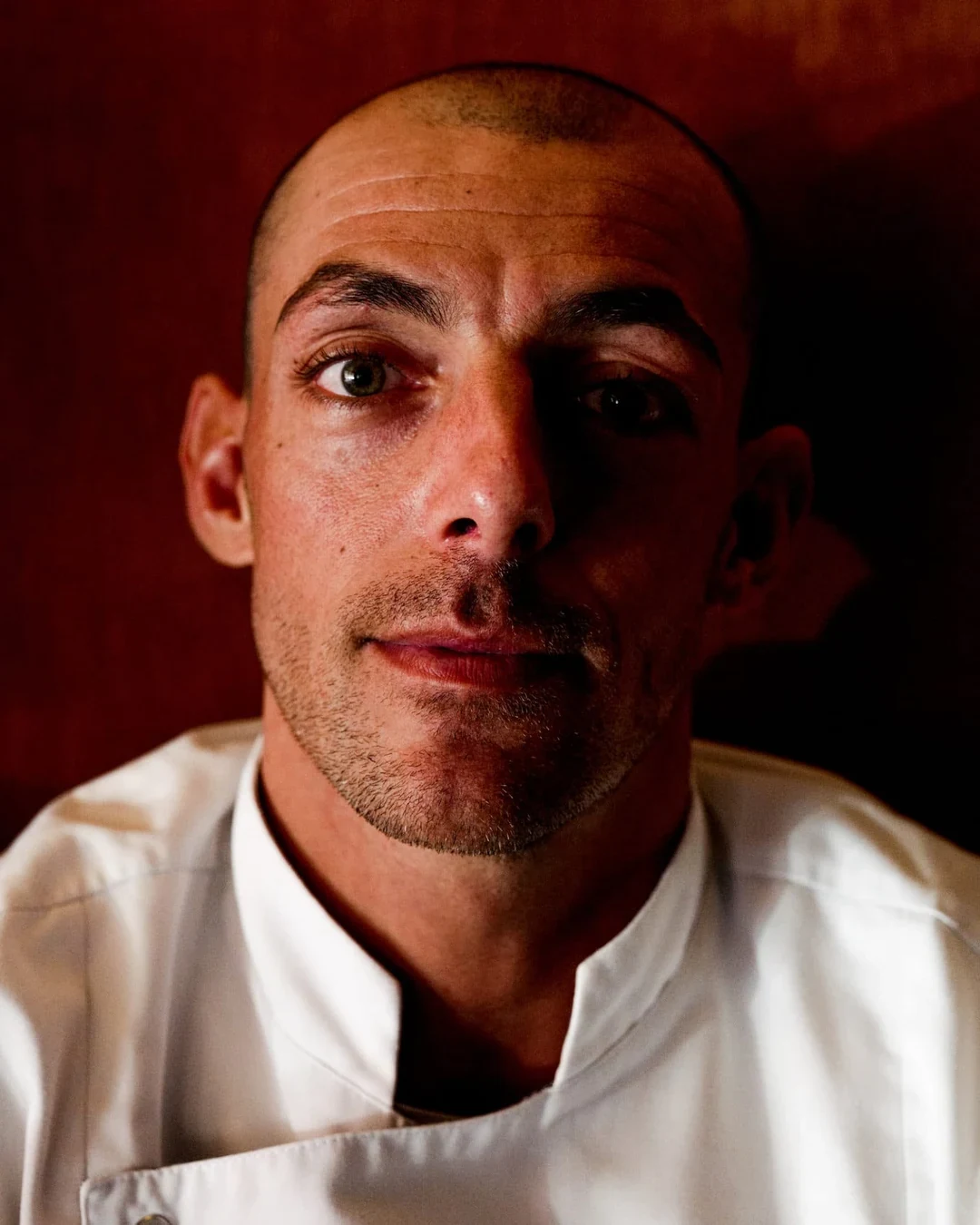
Training at ALMA, The International School of Italian Cuisine, gave Daniele Bendanti a formal base for the work that followed: measured, technical, and built in layers. In the early stages of service, the craft is often learned through repetition and restraint, and his first roles at Antica Locanda del Sole — as barman and aiuto cuoco, then commis di cucina — sit squarely in that register. Those are positions that teach timing, cleanup, and the discipline of fitting into a brigade before trying to define one. The next steps widened the technical range. At Ristorante Arnolfo in Colle Val d'Elsa, Italy, Bendanti worked as capo partita; at Locanda di Piero in Montecchio Precalcino, VI, Italy, he worked as cook. In Bologna, his time with Cesare Maretti at Battibecco and with Cesare Maretti at Osteria Bottega in Bologna, Italy, added another set of working languages. Moving across these kitchens, he accumulated a frame for Italian cooking that is rooted in tradition but not locked inside a single version of it.
The Work Today
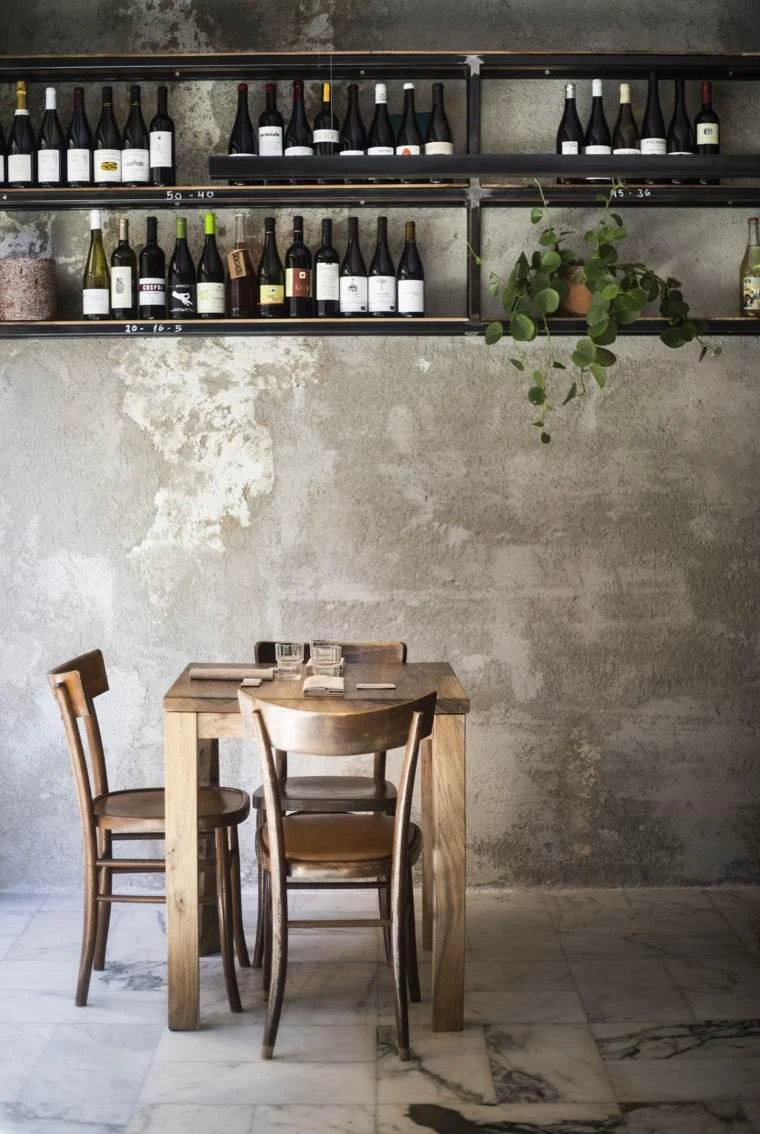
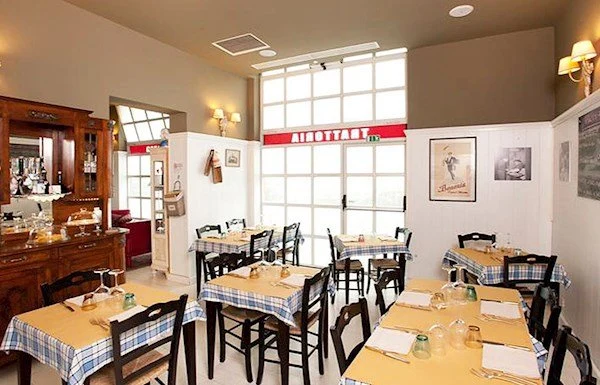
At Oltre in Bologna, the work is organized around continuity: what came before is still legible in the present, but not repeated without editing. Daniele Bendanti describes that line plainly: “My idea was to unite traditional cuisine with my experiences and my travels, meaning the experiences I had abroad and in Italy.” The point is not reinvention for its own sake. It is composition — taking what has been learned, then placing it in a room and on a plate with care. Pasta is central to that structure. Bendanti treats it as a base craft rather than a side note: “In my kitchen, pasta is fundamental; it is rolled by hand and is rich in eggs, so as to give it that beautiful yellow color that distinguishes it.” It is a practical definition of identity, made visible through technique. The restaurant itself is described in domestic terms, but the effect is operational rather than sentimental. “I try to run my restaurant as if it were a little like my home.” That choice of scale says something about the service model as much as the atmosphere: controlled, intimate, and close to the person directing it. In Bendanti’s kitchen, hospitality is part of the method.
Career - chef and owner — Oltre, Bologna, Italy (2016–present) - chef — Oltre, Bologna, Italy (2016–present) - barman and aiuto cuoco - commis di cucina — Antica Locanda del Sole - capo partita — Ristorante Arnolfo, Colle Val d'Elsa, Italy - cook — Locanda di Piero, Montecchio Precalcino, VI, Italy - worked with Cesare Maretti — Battibecco - worked with Cesare Maretti — Osteria Bottega, Bologna, Italy Education: ALMA, The International School of Italian Cuisine
Signature
Daniele's signature dishes include tortellini in crema di Parmigiano, tagliatelle al ragù Bolognese ramen, pigeon, and cauliflower and cherries. The range is clear enough on its own: regional pasta work, a Bolognese standard, a dish that crosses categories, and a plate that pairs pigeon with cauliflower and cherries. Taken together, they point to a kitchen that keeps one foot in local convention and the other in measured adaptation.
In Their Words “My idea was to unite traditional cuisine with my experiences and my travels, meaning the experiences I had abroad and in Italy.” “I try to run my restaurant as if it were a little like my home.”
Acclaim
The public marker attached to Bendanti is straightforward: he is the Head Chef and owner of Oltre. In Bologna, that places his work within Modern Bolognese and Emilian cooking, with handmade, egg-rich pasta as one of its defining signals.
FAQ What is Daniele Bendanti's current role? As of 2026, Daniele Bendanti is Head Chef and Owner. Where did Daniele Bendanti train or study? Daniele Bendanti trained at ALMA, The International School of Italian Cuisine. What is Daniele Bendanti known for? Modern Bolognese and Emilian cooking.