Chef
David Skinner
- Discipline
- Chef
- Based in
- Kemah, Texas, United States
- Venue
- Ishtia · Restaurant
Made By record
Awards & recognition
1 total
verified records

i. Biography
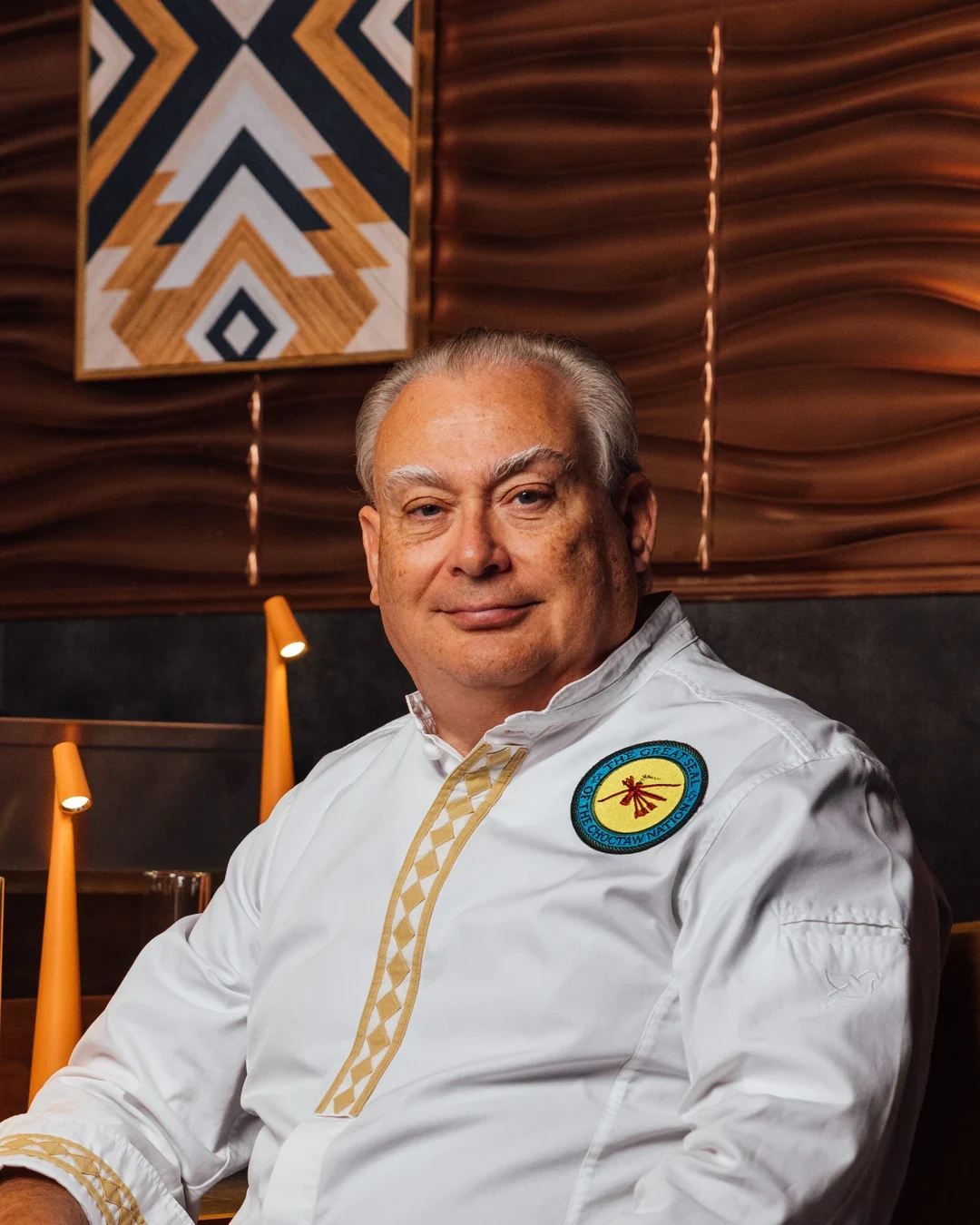
On the Gulf-side edge of Kemah, the work at Ishtia treats Indigenous ingredients as a contemporary fine-dining vocabulary rather than a fixed category. Squash, corn, beans, spice, and smoke are used with restraint and clarity, with David Skinner handling them as sources of structure as much as flavor. As chef-owner of Ishtia (Kemah), Skinner keeps Choctaw and other Indigenous culinary traditions legible in the plate’s finish, so the origin stays present even as the presentation moves into a modern register.
Coming Up
Oklahoma State University gave David Skinner the formal base that now shows up as discipline and exactness in the kitchen. That training is part of the operating system behind his work: order, control, and precision are visible in how he approaches ingredients. Today, as chef-owner of Ishtia, Skinner has a clear site for that foundation and for the broader project it supports.
Where They Are Now
At Ishtia in Kemah, the chef-owner role gives Skinner a platform for a menu built around Choctaw and other Indigenous culinary traditions. The restaurant is framed as modern fine dining, but its content stays tied to older foodways. Ingredients, spices, and techniques drawn from Indigenous cooking are arranged in a contemporary tasting-menu structure, setting heritage and presentation in the same conversation. Skinner puts the scope in his own words: "We’re using components and spices from North and South America to tell the story of how Indigenous people and their cooking techniques influenced every cuisine around the world." That framing gives the kitchen its purpose. The food is built to carry information as well as flavor, with each course contributing to a larger account of movement, influence, and connection. Three Sisters is the clearest expression of that approach, and it comes from David Skinner’s reading of the agricultural triad of corn, beans, and squash. The plate includes a fresh Maine diver scallop, shredded acorn, spaghetti, and zucchini squashes, black tepary bean gel, and corn butter. The effect is precise rather than nostalgic. Texture, temperature, and arrangement do the interpreting, making an old structure readable in a new form while keeping its base intact. Across Skinner’s cooking, the throughline is narrative built through craft. Indigenous cuisine is treated not as a motif to borrow, but as a living set of references carried through ingredient choice, technique, and the staging of meaning. The plate matters, but so does what it points to: people, cultivation, movement, and the long reach of culinary influence.
Career - Chef-owner — Ishtia, Kemah Education: Oklahoma State University
Signature
David's signature dishes include Three Sisters and BLT-flavored bonbons.
In Their Words “We’re using components and spices from North and South America to tell the story of how Indigenous people and their cooking techniques influenced every cuisine around the world.”
FAQ What is David Skinner's current role? As of 2026, David Skinner is Chef-owner. Where did David Skinner train or study? David Skinner trained at Oklahoma State University. What recognition has David Skinner received? James Beard Award nominee, Best Chef Texas (2025).