Other
Dr. Fadi Gerges
Chef
- Discipline
- Other
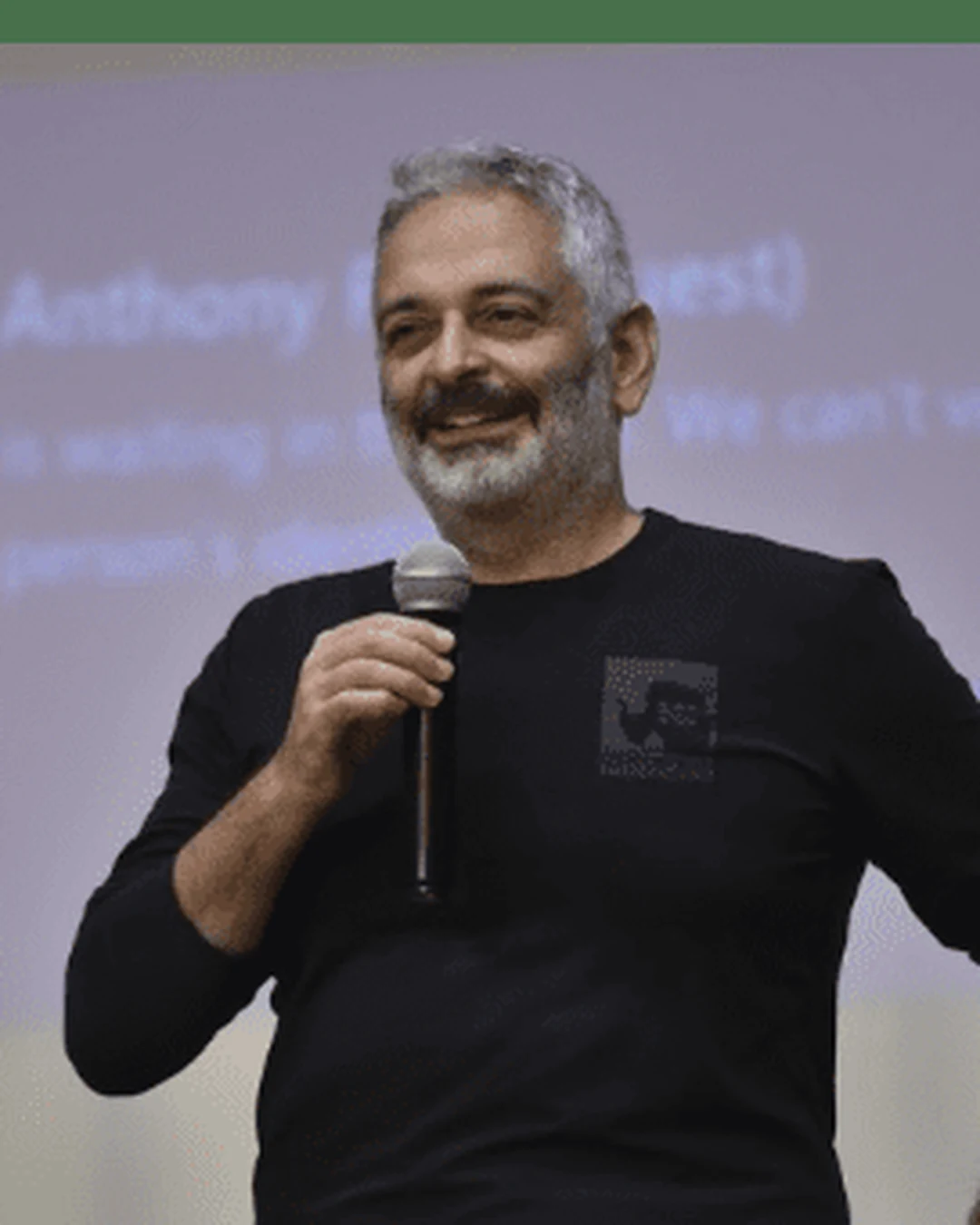
i. Biography
Estate work in Ras El Harf, Bhamdoun, has given Château Cana its fixed point since the project began in 1990. Within that frame, Dr. Fadi Gerges is evidence of a model built less on movement between cellars than on long stewardship of one site in Mount Lebanon Governorate. Founder first, then owner and winemaker, he has kept the work tied to the question of how Lebanese wine can carry its own accent without being pushed into a borrowed register. The cellar language at Château Cana is tied to restraint, nature, and the rare Sobbaghieh grape. Hand-harvested fruit sets the terms before fermentation begins; the point is to protect what the vineyard gives rather than overwrite it. In Dr. Gerges’s work, the estate functions as both production site and continuity project, drawing on Lebanese soil, agricultural memory, and varieties that can disappear from view without committed use.
The Climb
A career built around one estate puts pressure on consistency rather than novelty. At Château Cana, Dr. Fadi Gerges moved from founder to owner and winemaker after beginning the project in 1990 in Ras El Harf, Bhamdoun. The development has come through repeated decisions at the same address, allowing the estate’s identity to form through practice rather than announcement. Place remains the organizing condition of the work. Mount Lebanon Governorate supplies the wider frame; Ras El Harf, Bhamdoun supplies the working address. Within that continuity, the craft is defined by hand-picked fruit, fermentations trusted to wild yeast, and minimal intervention aimed at preserving freshness, texture, and structure.
Today
The combined role of owner and winemaker at Château Cana brings vineyard decisions and cellar judgment into one line of responsibility. In Ras El Harf, Bhamdoun, Dr. Gerges works within that joined role: when to pick, how fermentation begins, how much to handle, and when restraint is the better technical choice. The natural approach at the estate is practical rather than decorative. Manual harvest protects fruit condition at the start. Wild yeast fermentation keeps the process tied to the site. Minimal intervention gives the wine room to show texture, freshness, and structure without imposing a heavier signature. Jardin Secret is the clearest named expression of this method. Built around Sobbaghieh, it links a single wine to the revival of a rare Lebanese grape variety. In the Château Cana context, the bottle stands as a craft object shaped by restraint, curiosity, and attachment to place.
Signature
More precisely, within this profile of his work at Château Cana, Jardin Secret stands as the named signature: a wine shaped around Sobbaghieh and guided by the same natural, hands-on principles that define Dr. Gerges’s role as owner and winemaker.
Recognition
Recognition here centers on Sobbaghieh and the work of bringing a rare Lebanese grape variety into clearer view through Jardin Secret. In contemporary Lebanese wine, Dr. Gerges is identified through that specific contribution as founder, owner, winemaker, and advocate for a grape with uncommon visibility. The major recognition named in this career is a signature wine rather than an award. Jardin Secret gathers the estate’s stated concerns into one object: curiosity, imagination, Lebanese soil, and the decision to pursue a rare variety through natural, hands-on winemaking.
Profile updated July 2026
FAQ
Asked of Dr.
What is Dr. Fadi Gerges's current role?
As of 2026, Dr. Fadi Gerges is Owner and Winemaker of Château Cana.
What is Dr. Fadi Gerges known for?
Dr. Fadi Gerges is associated with reviving the rare Lebanese grape variety Sobbaghieh through the wine Jardin Secret.