i. Biography
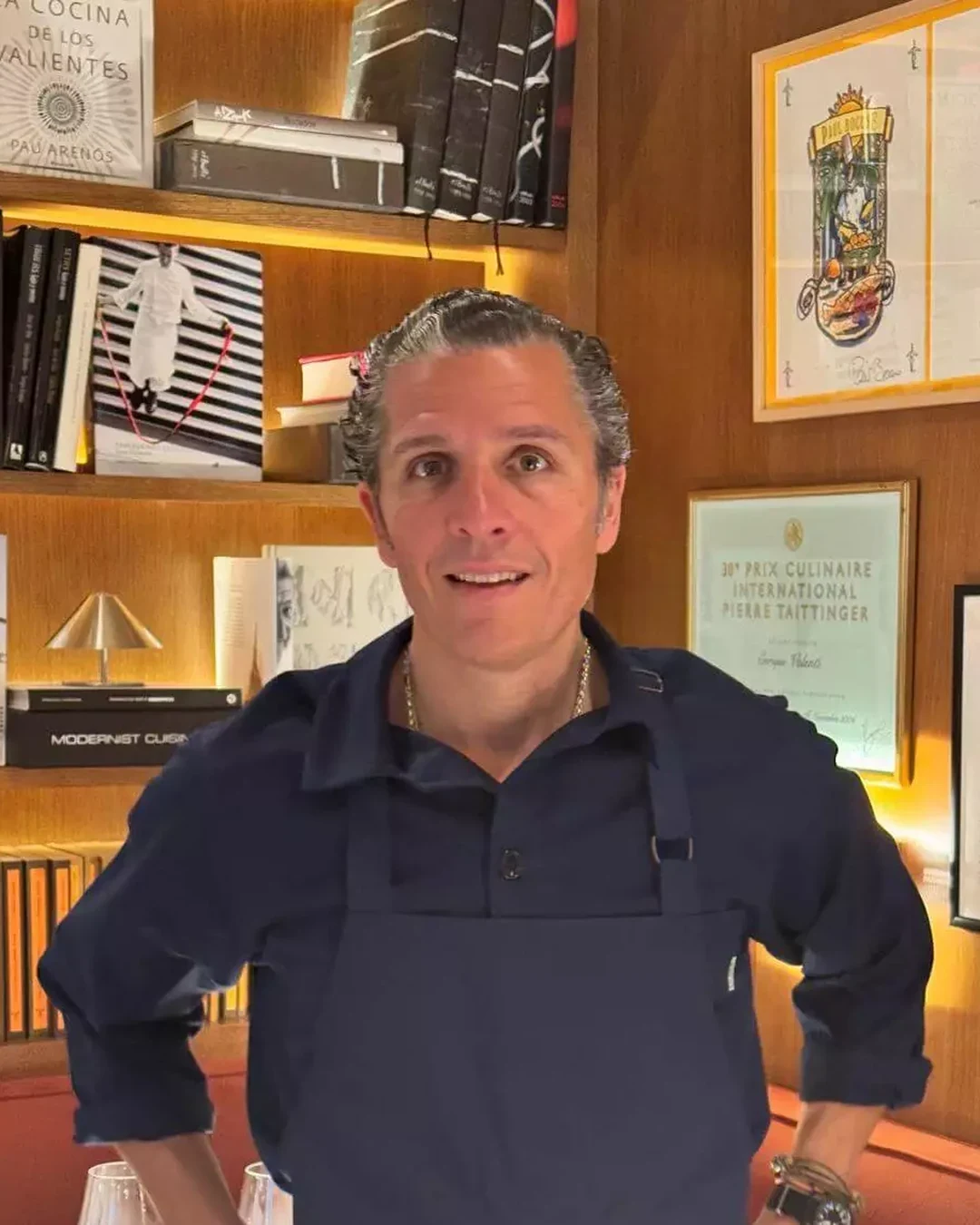
The formation of Enrique Valentí begins in Madrid, where he was born, and gathers force through a route that moves between Madrid and Barcelona before returning to the city as chef and owner of Caja de Cerillas. His lineage is not framed around a single named master, but around houses, kitchens, and a recovered Madrid idea of the casa de comidas: everyday food treated with clarity, memory, and care.
The Training Before that Madrid debut, Valentí’s path passed through Adobo, where he worked as chef, and through Marea Alta in Barcelona, Spain, another kitchen named in his career. Those roles matter because they place his cooking inside practice rather than theory: the discipline of service, the grammar of a menu, the daily pressure of feeding people well. He also co-founded Hermanos Vinagre in Madrid, adding another point in the city’s map of his work. Read as a sequence, the route is intimate: born in Madrid, tested in professional kitchens, connected to Barcelona, then drawn back to the capital with a project rooted in memory rather than nostalgia alone. The training, then, is a line of workrooms and addresses. It moves from chef roles to founding work, and finally to ownership, where the hand that cooks also defines the house.
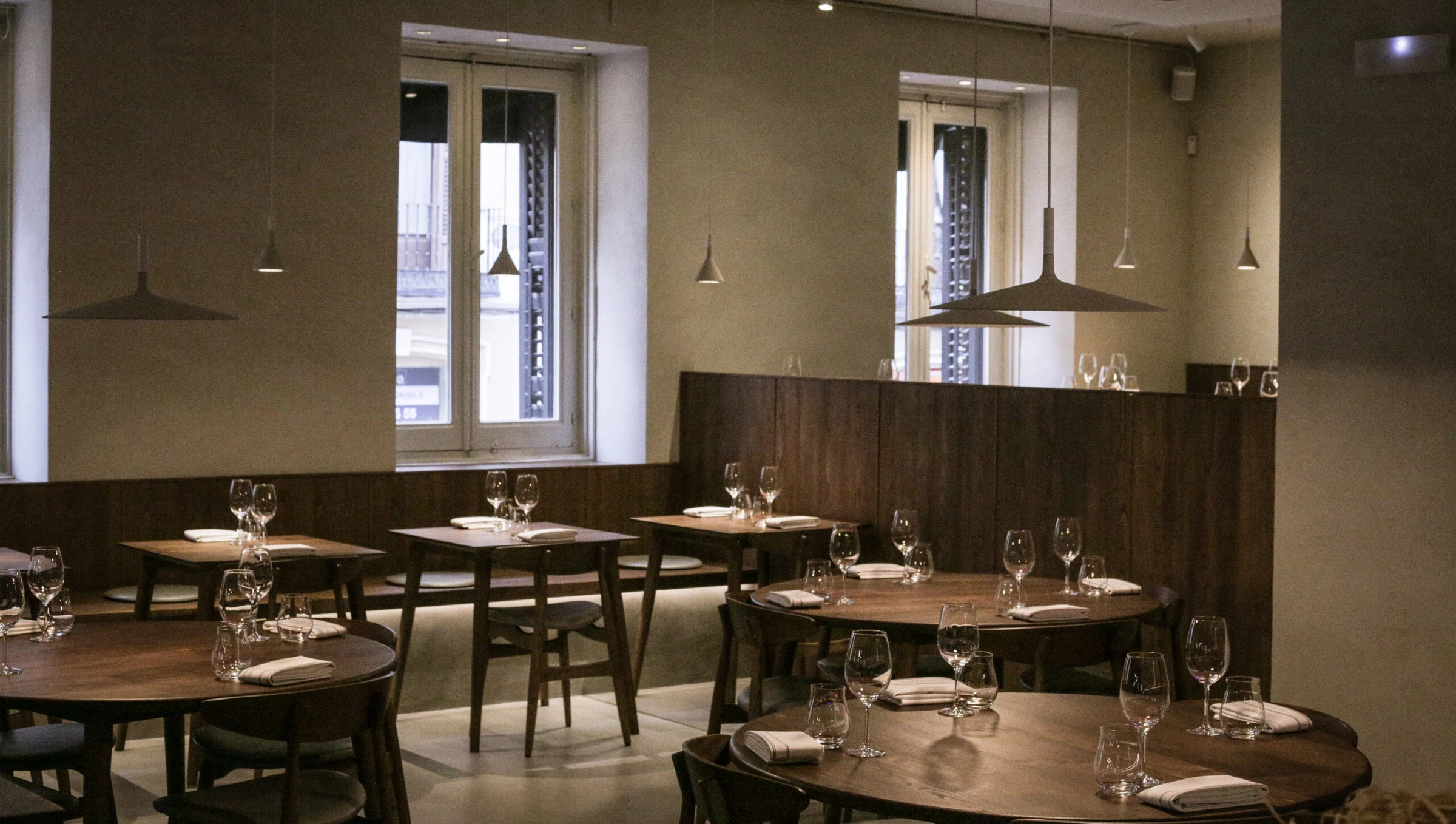
The Lineage At Caja de Cerillas, Valentí is associated with contemporary casa de comidas cooking. The phrase carries a particular weight in Madrid: a meal house, a place for directness, appetite, and recognizable dishes, but here pulled into the present without dressing it up beyond recognition. His own definition is spare and demanding: “A casa de comidas in the 21st century is, at least, an exercise in clarity and honesty.” That clarity is not minimalism for its own sake. It is a way of returning attention to recipes that might otherwise recede from the table. The kitchen recovers traditional recipes, including some close to being forgotten, then recreates them while respecting and accentuating flavors of memory. That verb, recover, is central to the lineage: it suggests inheritance as labor, not display. The past is not copied flatly; it is brought back into use, seasoned by recognition, and served as food for now.
The Table The restaurant’s cooking has been described by Valentí through the language of daily life rather than ceremony. “We also like everyday food. It is a bit the concept of the business, to reclaim what has fallen out of use in some way.” That idea gives shape to the table: contemporary Madrid cooking built from common things, old recipes, and flavors people may remember before they can name them. The achievement was recognized in 2026, when Caja de Cerillas in Madrid, Spain, received Tapas Best New Restaurant. For Valentí, the arc from Adobo to Marea Alta, from co-founding Hermanos Vinagre to owning his own Madrid restaurant, reads like a return with work behind it. The city is not just birthplace or backdrop. It is the source he left, the place he came back to, and the audience for a cooking style that treats the everyday as worth saving.
FAQ What tradition or house shaped Enrique Valentí? His cooking is shaped by the contemporary casa de comidas tradition, with a focus on everyday food and recipes recovered from disuse. Who has Enrique Valentí mentored? No mentee is identified.