i. Biography
Before Gérald Guille took charge at Pureté in Lille, France, the work had already been shaped in the structured environments that form cooks who value precision. Lycée hôtelier du Touquet and a BTS provided the technical base; more importantly, they imposed rhythm, exactitude, and the habit of treating each gesture as part of the larger craft. That training carries through the houses that followed, from the formal demands of the Ritz in Paris to the more pared-back present in Lille.
The Climb
Lycée hôtelier du Touquet and a BTS gave Gérald Guille a technical foundation built for kitchen work that depends on timing, discipline, and clean execution. The schooling is visible in the way his career moved: toward roles where control matters and where the margin for error is small. As chef de partie poisson at Ritz in Paris, he worked a station that asks for steadiness and exact timing, the kind of post that sharpens a cook’s attention to detail through repetition and pressure. At Château de Beaulieu, working with Marc Meurin, Gérald Guille continued to build his craft service by service. In that kind of house, progress comes less through display than through accumulation: learning the standards of the brigade, absorbing structure, and letting a personal language emerge inside it. Later, as chef-adjoint at Westminster in Le Touquet, he returned to a place closer to home with more weight behind him. The movement traces a clear arc from training kitchens to established houses, then back toward his own region with greater maturity.
Today
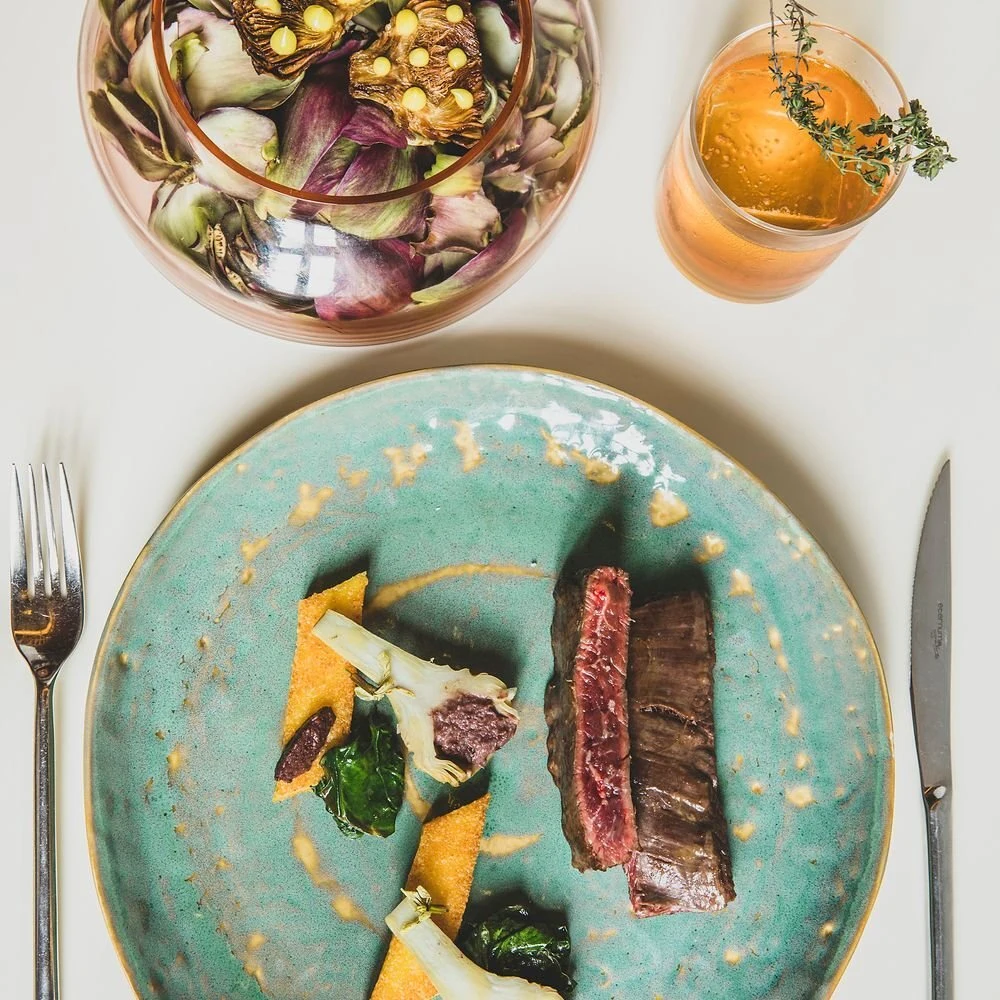
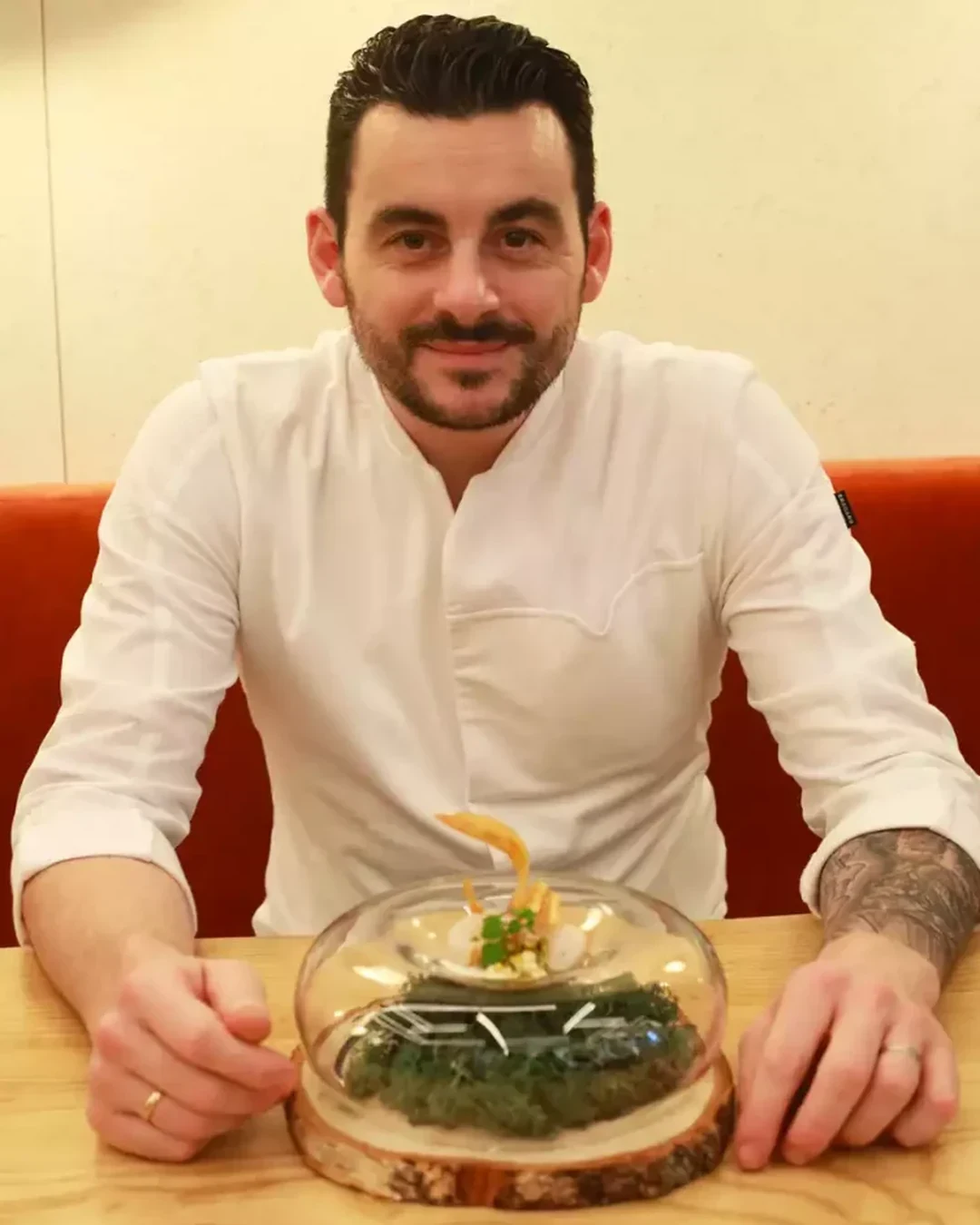
At Pureté in Lille, Gérald Guille works as head chef in a kitchen that reflects the discipline of his formation and the sequence of houses that preceded it. The restaurant is the current form of that training: a place where precision is not decorative, and where each ingredient has to justify its place on the plate. The line he draws for himself is direct: “I never mix more than three ingredients in a dish. That is my trademark. It is to preserve the full essence of the ingredients.” The rule is practical, but it also shows a strong editorial instinct. Fewer elements mean each one has to carry more weight, and the plate is allowed to hold its shape without being crowded by excess. That restraint is central to the way his cooking reads. Rather than building through layers for effect, Gérald Guille seems to work toward clarity, where flavor is given room and structure does the heavy lifting. The result asks for attention to detail rather than volume. He describes the outcome plainly: “It is a very emotional cuisine.” The phrase points to a register that sits beneath the discipline. Technique remains present, but so do memory and feeling, giving the work a human charge inside an otherwise exacting framework.
In Their Words “I never mix more than three ingredients in a dish. That is my trademark. It is to preserve the full essence of the ingredients.” “It is a very emotional cuisine.”
Career - chef de partie poisson — Ritz, Paris - worked with Marc Meurin — Château de Beaulieu - chef-adjoint — Westminster, Le Touquet Education: Lycée hôtelier du Touquet; BTS
Recognition
Gérald's honors include Michelin star.
FAQ What is Gérald Guille's current role? As of 2026, Gérald Guille is Head Chef. Where did Gérald Guille train or study? Gérald Guille trained at Lycée hôtelier du Touquet and BTS. What recognition has Gérald Guille received? Michelin star (2023).