i. Biography
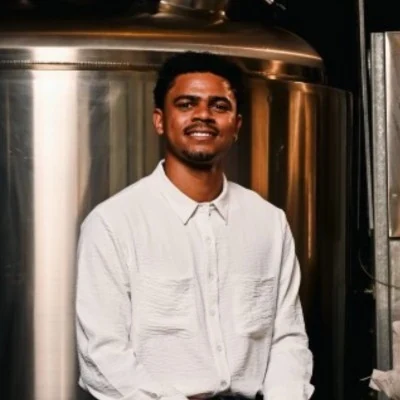
István Szepsy is the winemaker of Szepsy in Mád, Hungary, and that role places him inside one of the country’s most closely watched wine stories. His own line about the cellar economy is blunt: "nowadays we cannot survive financially without dry wines." Read plainly, it sets out the frame for the work — less slogan than operating principle, with economics and style tied together.
The Climb
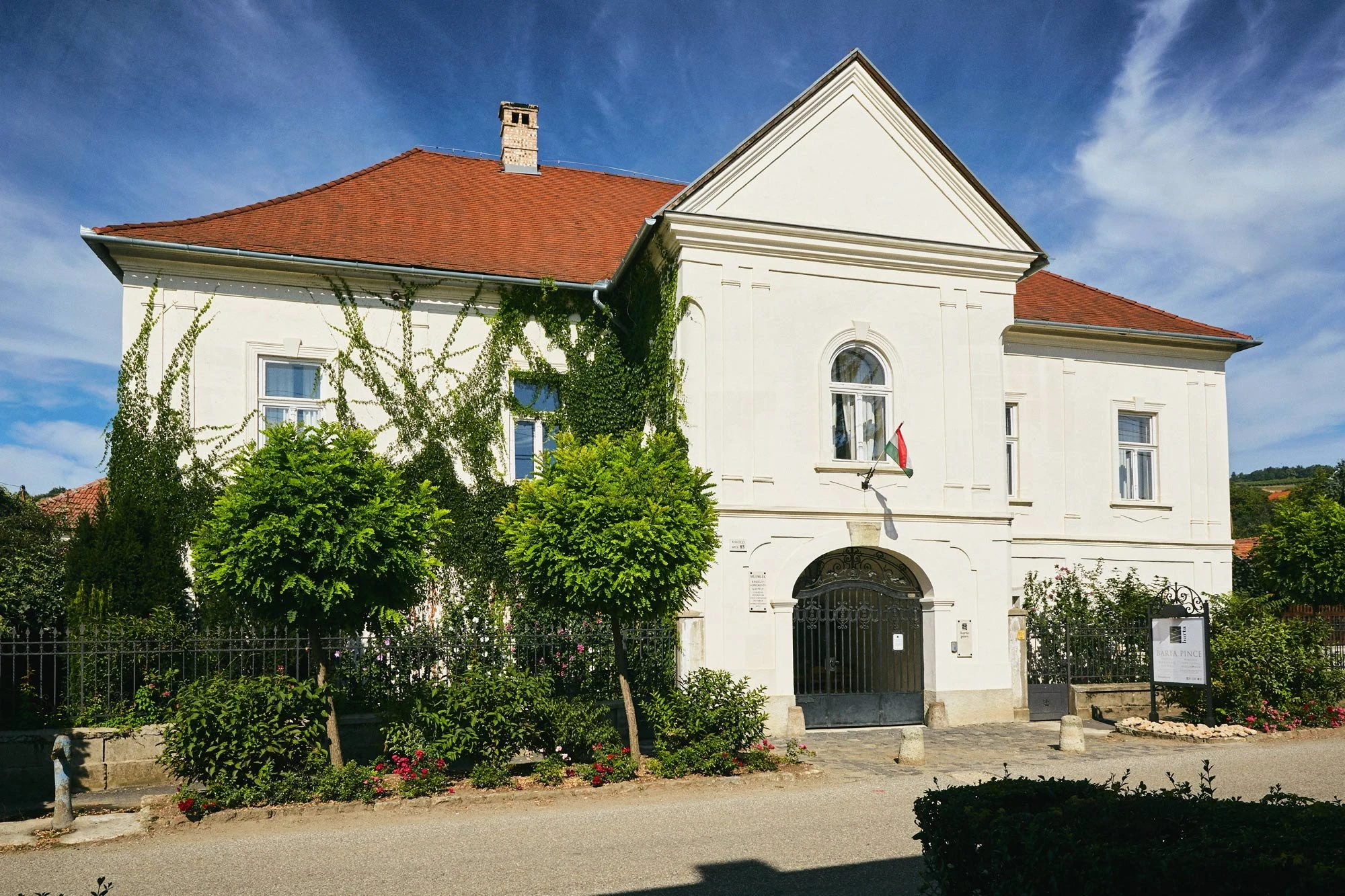
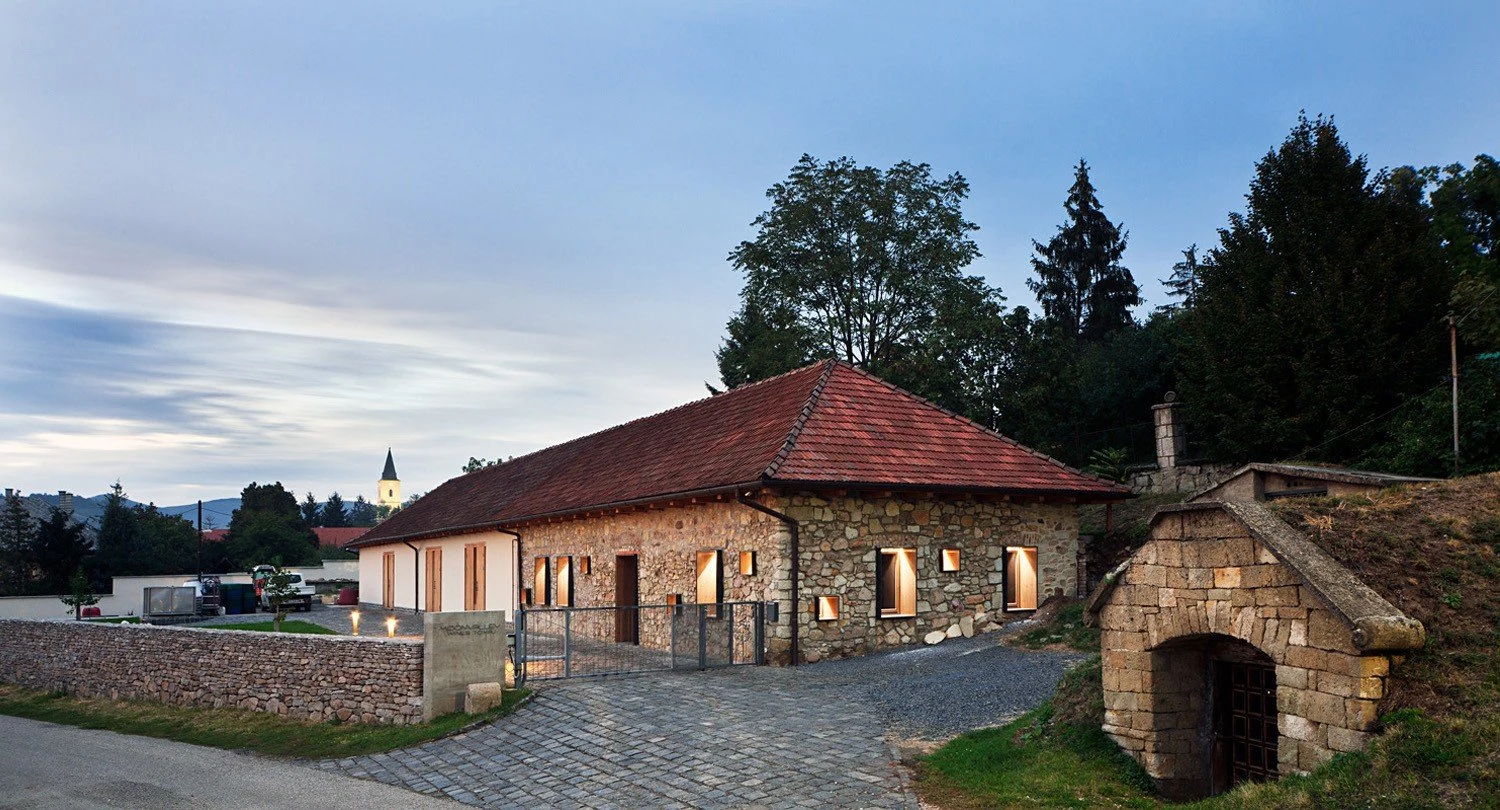
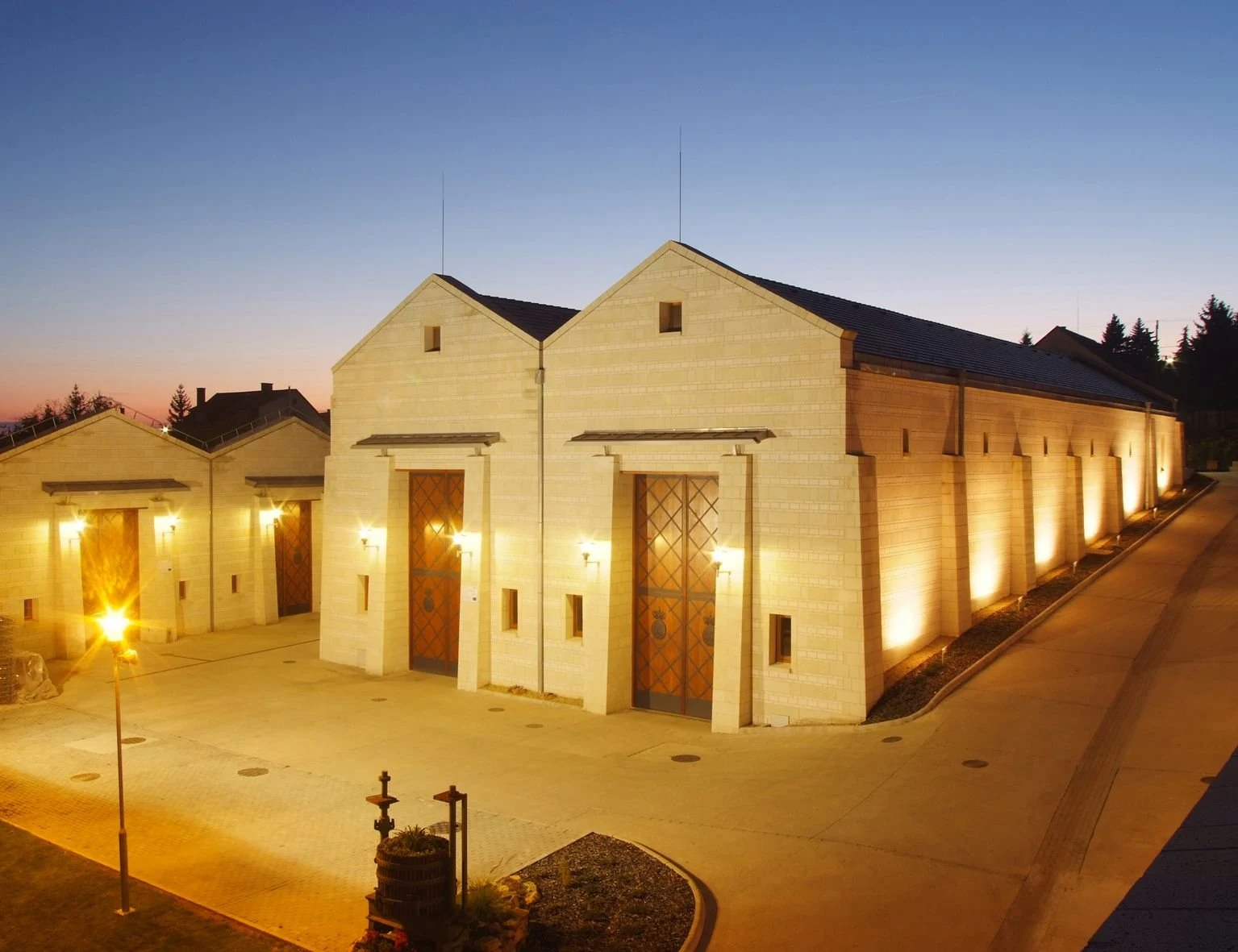
The winemaker role at Szepsy in Tokaj, Hungary was the starting point that fixed István Szepsy’s working habits around the region’s materials and expectations. Tokaj is not just a place in the record; it is the ground his career was built on, and it still informs the way he thinks about the cellar. Since 2002, he has also been co-founder of Zemplen Ridge, a date that marks duration rather than novelty and points to a project kept in motion over time.
Today
The current work is in Mád, where István Szepsy’s focus stays on decisions that have to satisfy both tradition and the market. The present tense here is practical, not decorative: cellar work, daily judgment, and the constant pressure to keep inherited practice economically viable. His view is plain about that balance. The useful question is not whether the region should change, but how it can keep making wines that hold together as craft and as business.
Career - co-founder — Zemplen Ridge, Tokay region, Hungary (2002–present) - winemaker — Szepsy, Tokaj, Hungary
Signature
István's signature wines include Úrágya Furmint 2003, Aszu 6 Puttonyos, dry Furmint, and Szamorodni. Taken together, they show a range that moves across sweetness and dryness without losing the thread of the house style. The set points to a cellar language built on variation within one tradition, where structure, memory, and technique all stay in play.
In Their Words “I didn't believe in them at first but today I cannot imagine our future without dry wines.”
Recognition
On dry wines, István Szepsy’s position is explicit: "I didn't believe in them at first but today I cannot imagine our future without dry wines." The value of that line is its shift in emphasis, from doubt to acceptance, and from preference to necessity. It describes a working adjustment, not a rhetorical one: dry wines move from the margins to a central place in the cellar’s future, because that is where the economics and the craft now meet.
FAQ What is István Szepsy's current role? As of 2026, István Szepsy is Winemaker. Where did István Szepsy work before? István Szepsy's earlier career included Szepsy.