Other
Jean-Baptiste Ponsot
Winemaker
- Discipline
- Other

i. Biography
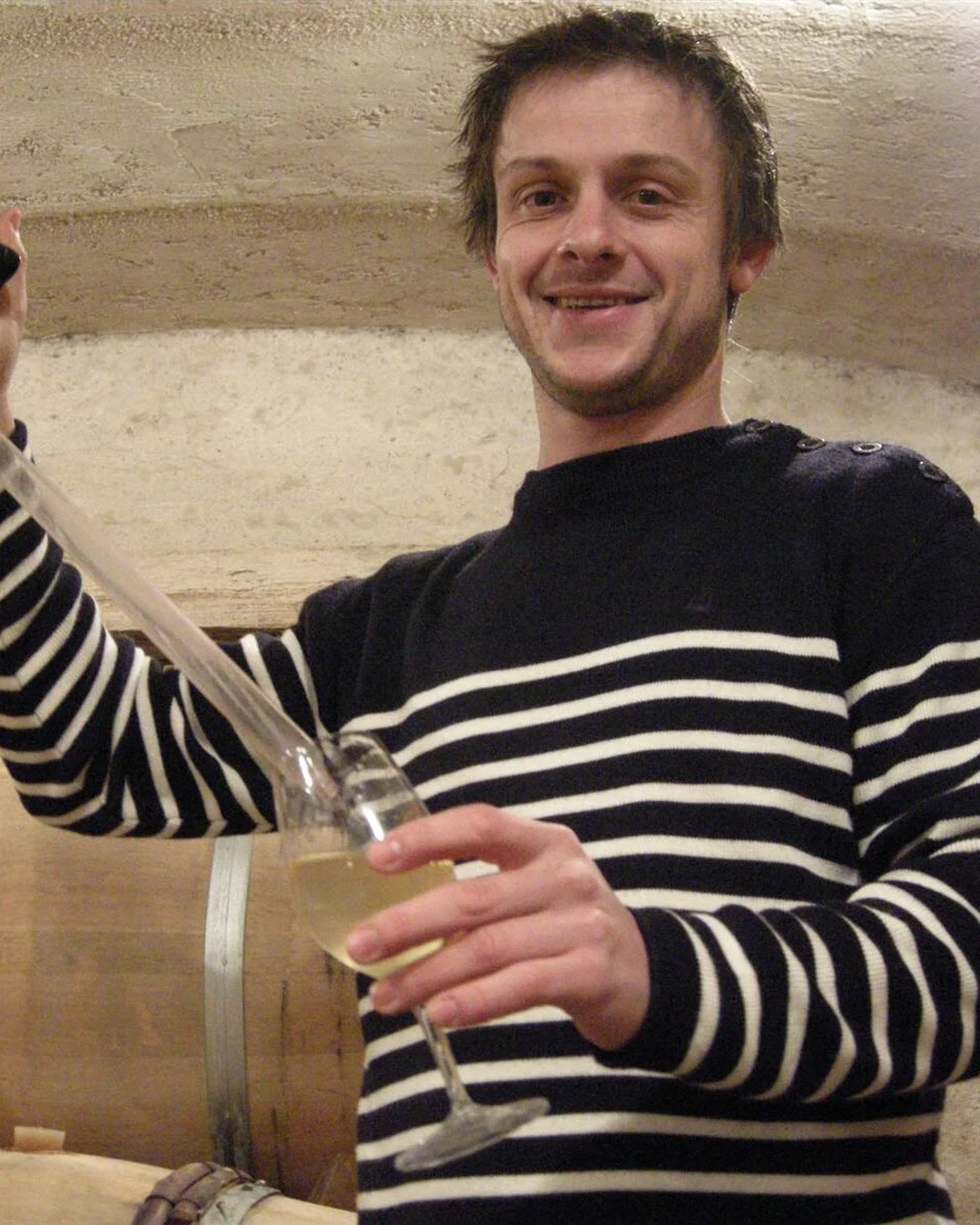
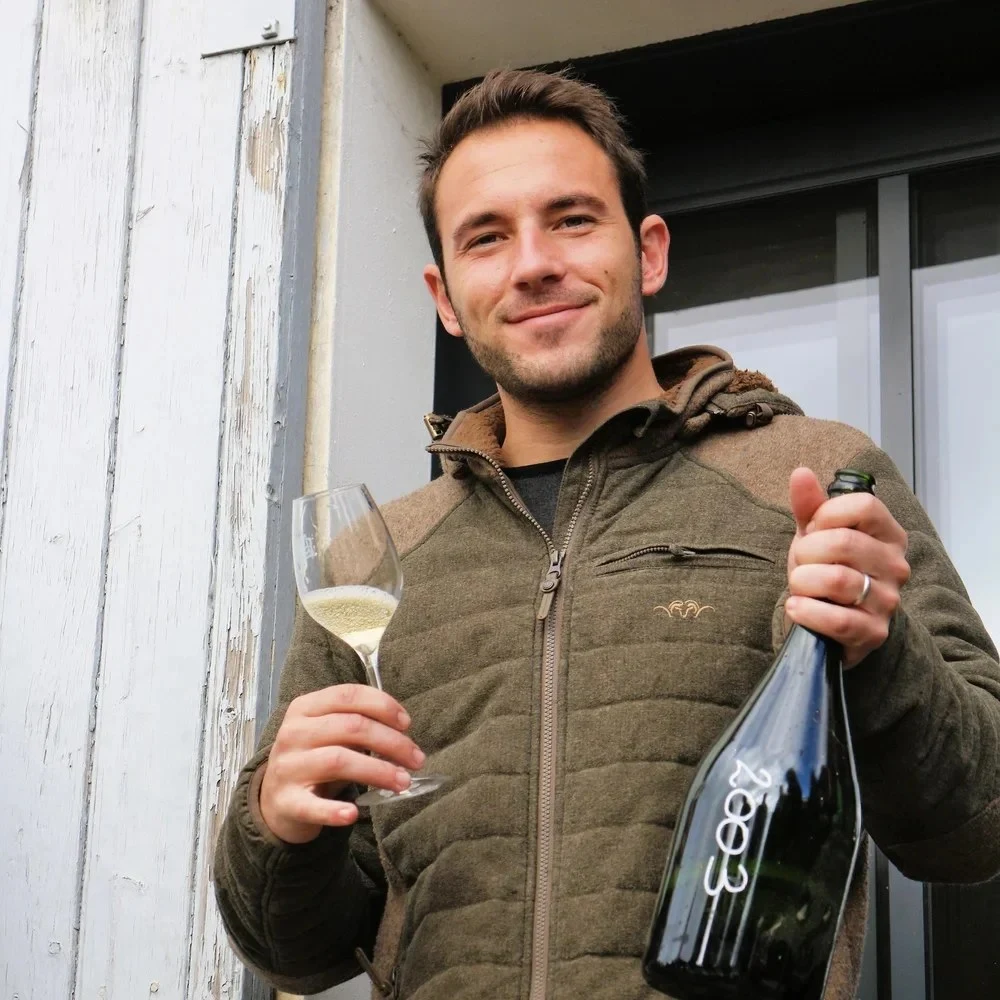
Jean-Baptiste Ponsot is the producer behind Dom Jean-Baptiste Ponsot in Burgundy, France, a Rully story that moved from family-grown grapes to estate-bottled wines in 2000. At 20, he took over Domaine Jean-Baptiste Ponsot in Rully, France, and turned a multigeneration property toward its own expression of Chardonnay, Pinot Noir, and marl-limestone soils.
Early Years
The estate began in 1954, when Lucien Ponsot farmed a few parcels of vines. His son, Bernard Ponsot, expanded the property, carrying forward a family presence in Rully that had been established since the 1950s. Jean-Baptiste Ponsot is the grandson of the founder, and the decisive turn came when he was 20. In 2000, he persuaded his winegrowing parents to make their own wines rather than sell grapes to négociants, a shift that gave the family’s fruit a domaine identity. That ambition was centered on allowing Chardonnay, along with a minority of Pinot Noir, to express the quintessence of Rully’s marl-limestone terroirs. The appellation became the frame for the work: not a backdrop, but the material he chose to make legible in bottle.
Making a Name
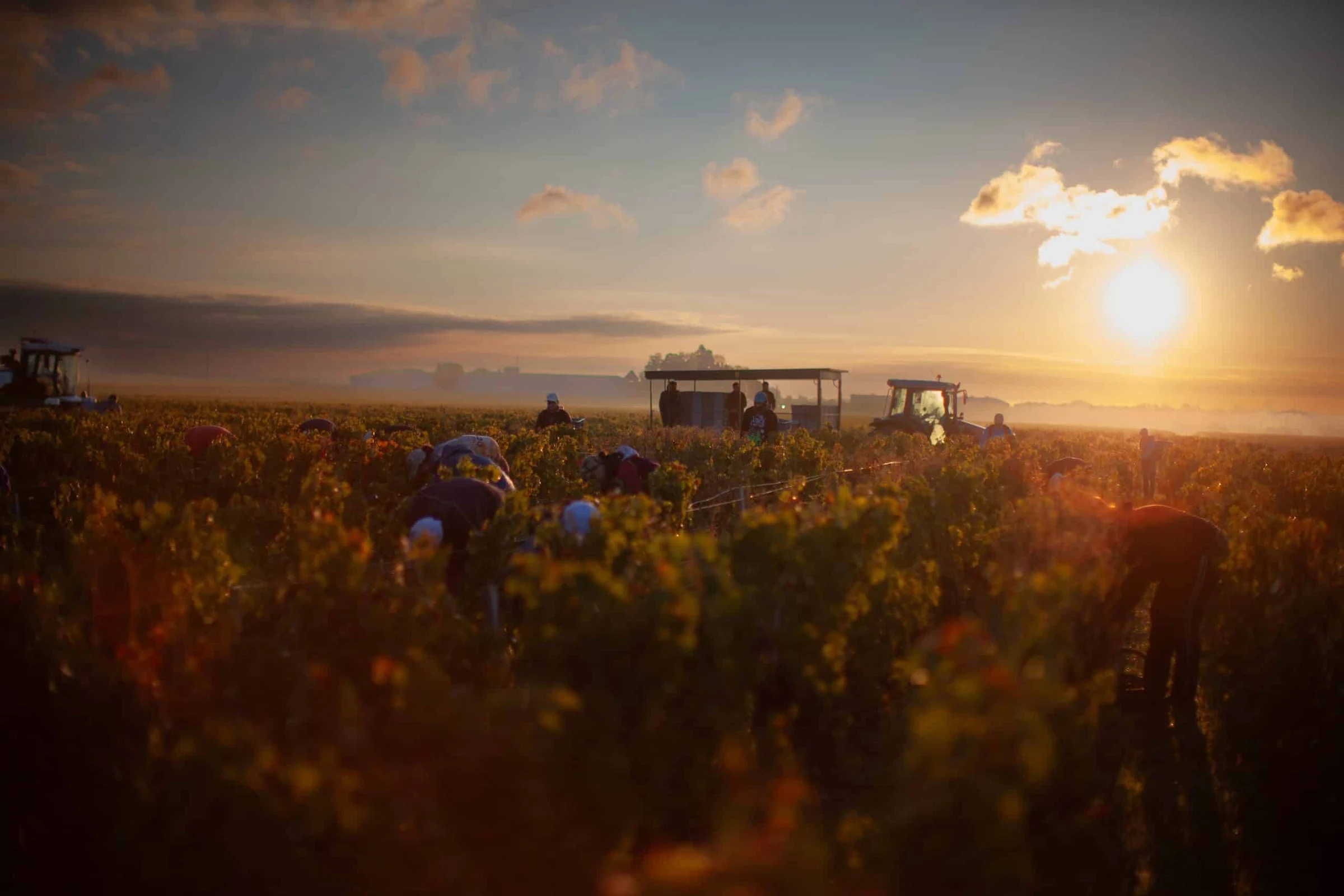
After taking charge, Ponsot replanted unused plots, rented new ones, and built a vat room. The vineyard work also changed: he abandoned chemical treatments, worked the soils systematically, used higher trellising, practiced leaf removal and grape aeration, limited yields, and sorted grapes rigorously before harvest. His winemaking emphasizes fruit quality, fruit ripeness, and anchoring that fruit in terroir. The élevage is fairly long, up to 16 to 18 months in total, and longer still for rare Cuvée 24, which receives more than two years. Oak is kept in proportion. He uses little new oak, never more than 30%, so the wines are not overmarked by wood. The result is described through clarity rather than force: wines that sincerely and evenly reflect each vintage, as well as the identity of soils and terroirs. Chardonnay remains central to the domaine, and his white wines are particularly recognized for generous gourmandise and direct expressiveness; they account for more than two-thirds of production. The reds have their place, too. His Chardonnays are described as bright and lively, while his Pinot Noirs are rich and earthy, made with traditional winemaking techniques from selected grapes to create balanced, nuanced wines full of character.
The Present
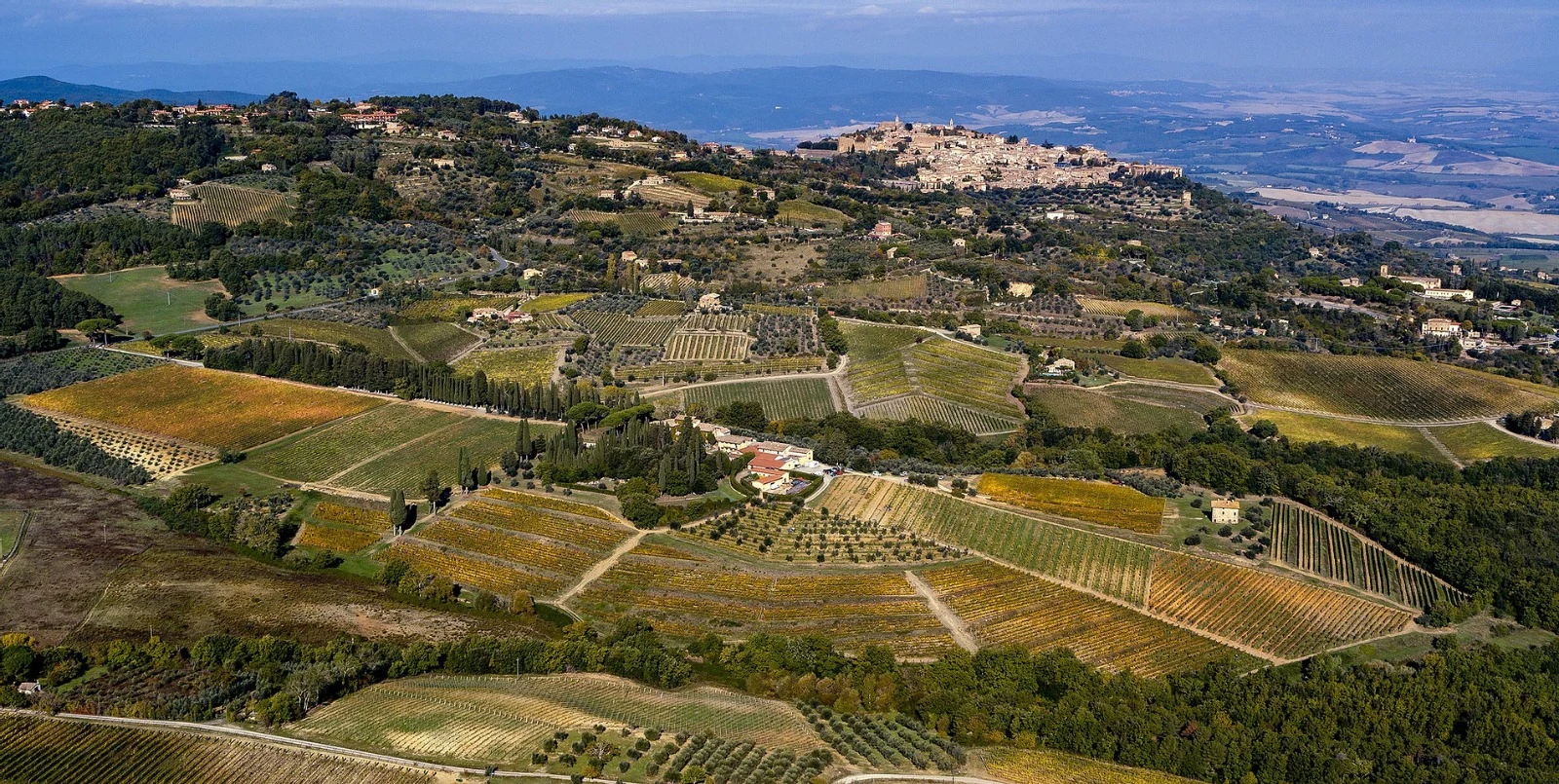
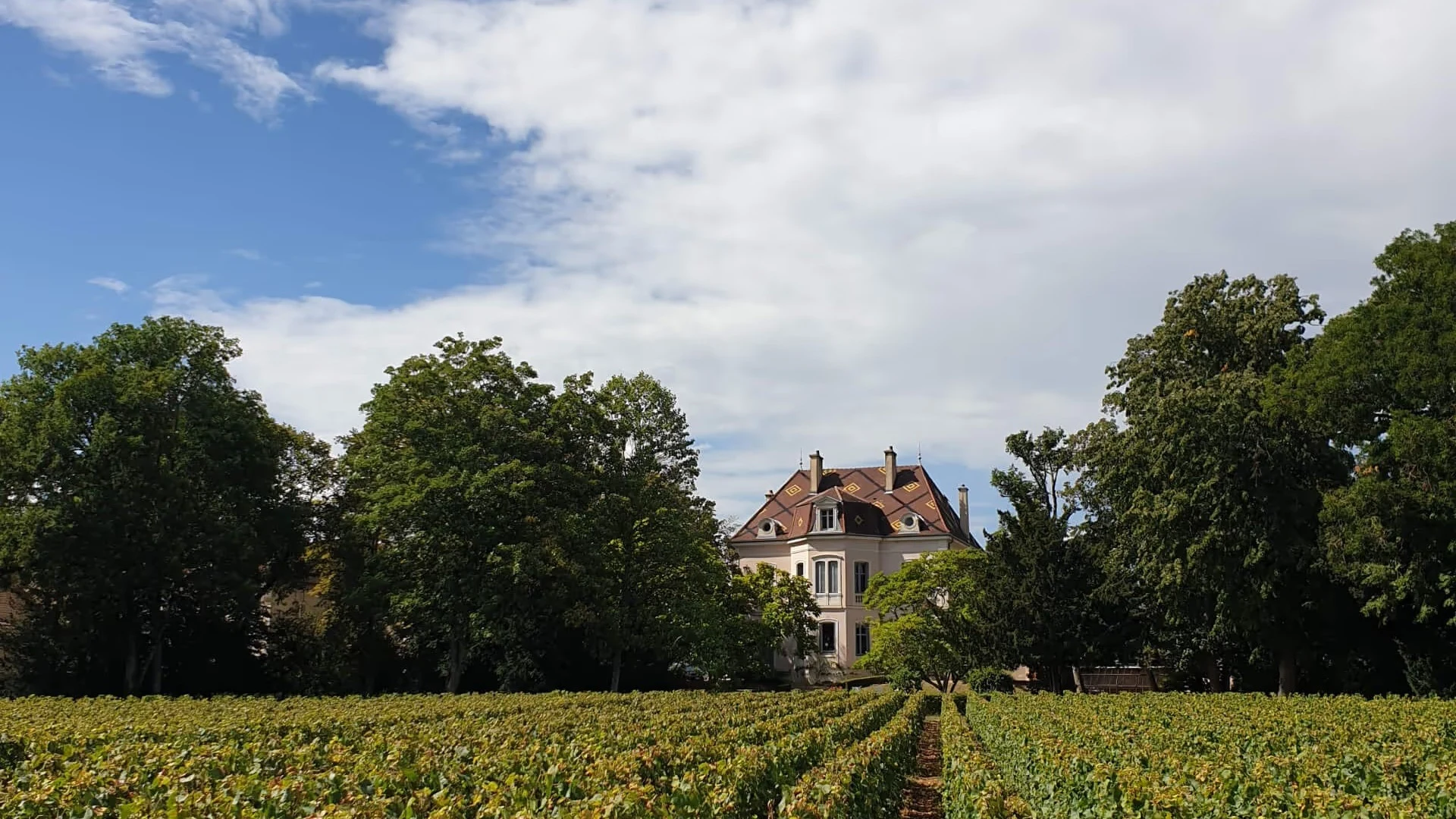
Since 2000, Ponsot has been the contact person for the domaine and the producer behind Dom Jean-Baptiste Ponsot. The holding now covers 8.5 hectares in AOP Rully, farmed with sustainable and organic practices, with no insecticide, weed-killer, anti-rot treatment, or chemicals. He does not seek certification, yet his farming is described as as respectful of the land as many certified organic producers. That choice fits the wider discipline of the estate: lower intervention in the vineyard, careful selection before harvest, and cellar work calibrated to preserve fruit, vintage, and place. Among the named wines, Cuvée 24 signals the patience of his élevage. Dom Jean-Baptiste Ponsot, Montpalais Premier Cru 2013 Rully and Dom Jean-Baptiste Ponsot, Molesme Premier Cru 2007 Rully are both listed among the producer’s top three wines.
Profile updated July 2026
FAQ
Asked of Jean-Baptiste
Where else has Jean-Baptiste Ponsot worked?
His path runs through the family estate in Rully, where he took over in 2000 at age 20.
Where did Jean-Baptiste Ponsot begin their career?
He began by taking over Domaine Jean-Baptiste Ponsot in Rully, France, in 2000.
What roles has Jean-Baptiste Ponsot held?
He has been producer for Dom Jean-Baptiste Ponsot and contact person for Domaine Jean-Baptiste Ponsot since 2000.