Domaine Jean-Baptiste Ponsot
- 01City71150 Rully, France
- Falstaff Winery - Listed · 2026
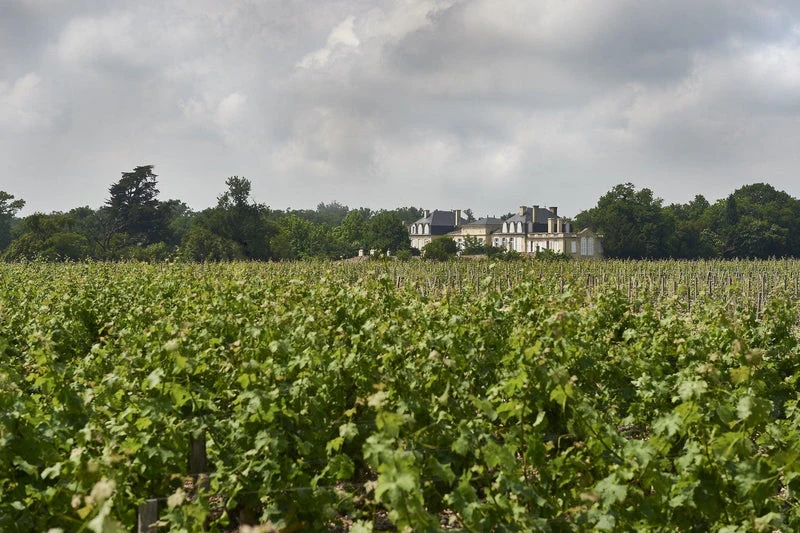
Rully announces itself in slopes rather than monuments: vineyard rows rising and falling across Burgundy, cellars folded into a village where local history and vineyard work shape the experience. Domaine Jean-Baptiste Ponsot belongs to that world: a family-run Burgundy domaine with a focus on meticulous work in the vines and a tasting setting rooted in place. The first impression is therefore less about arrival drama than about orientation: understanding where the wines come from, how the village frames them, and why the surrounding landscape matters to the glass.
The appeal here is not a long list of public-facing amenities or invented scores. It is the combination of Rully, a classic domaine atmosphere, and a modern winery and cellar built to welcome visitors for focused, terroir-driven tastings. That makes it especially useful for travellers who prefer a clear Burgundy encounter over a more generalized hospitality stop, where the setting, the vines, and the cellar remain the central points of attention.
Rully through vineyard work and local history
Domaine Jean-Baptiste Ponsot is best understood as a Rully address for visitors who want a grounded Burgundy experience rather than spectacle. The domaine’s identity is tied to careful vineyard work and a sense of local continuity, with an atmosphere described as classic, scenic, and rooted in the history of the area. In practical terms, that means the visit should be approached through the lens of place: Rully as a wine village, the surrounding slopes as the essential context, and the domaine as one expression of that local fabric.
The useful, confirmed frame is simpler: this is a family-run Burgundy domaine in Rully with a visitor-facing winery and cellar designed for focused tastings. That simplicity is part of the appeal. Rather than stretching the profile with extras, it is better to let the confirmed elements do the work: family ownership, vineyard attention, a cellar setting, and a Burgundy village whose character supports a quieter, more detailed kind of tasting.
For broader Rully context, it is best to think of Domaine Jean-Baptiste Ponsot alongside other local wine and dining research in general terms, rather than relying on comparisons or unsupported rankings. The domaine can sit naturally within a day shaped by the village and its surrounding vineyards, but it does not need to be framed as a contest with other addresses. Its value is clearer when treated as one grounded stop within the wider Rully experience.
A cellar visit built around focused tasting
The confirmed visitor experience centers on a modern winery and cellar built to welcome guests. The tone is classic and terroir-driven, with the emphasis on the domaine’s work and the Rully setting rather than a restaurant-style service, entertainment program, or publicized menu format. Visitors should expect the cellar and winery context to matter: this is the kind of setting where the conversation is naturally drawn toward vineyard work, local identity, and the way a Burgundy domaine presents itself through tasting.
Price is listed as $$$. Beyond that, this guide does not verify specific tasting prices, opening hours, language options, group sizes, food pairings, wine-club details, or take-away services, so those should be checked directly before planning a visit. That caution is important, not because the experience is unclear in spirit, but because the practical details that shape a successful visit can change or vary. Confirming them in advance keeps the focus where it belongs: on the tasting itself and on the domaine’s Rully setting.
The strongest reason to consider Domaine Jean-Baptiste Ponsot is its clearly defined Burgundy identity: family-run, vineyard-focused, and set up for visitors who want a serious but classic Rully tasting environment. It is a good fit for drinkers who prefer restraint over showmanship, and for those who want the cellar visit to feel connected to the landscape outside rather than separated from it. The modern winery and cellar provide the visitor framework, while the deeper interest remains the domaine’s work and its place in Rully.
How to use Rully around the tasting
A visit here suits travellers who want Burgundy in a measured, place-focused way. The available information points to a scenic, classic atmosphere and a modern cellar intended for tastings, not to a highly staged hospitality concept. That distinction helps set expectations. This is not a venue to approach as a broad lifestyle destination; it is better understood as a focused domaine visit where the surrounding village, the vineyards, and the tasting all support the same sense of place.
Rully itself can support a broader itinerary, with other dining and wine options considered generically around the village. Keep the plan simple: confirm practical details directly, then use the tasting as a focused introduction to a family-run Burgundy domaine in Rully. A measured approach also gives the visit room to breathe. Rather than overloading the day with assumptions, let the confirmed elements guide the rhythm: arrive with the village in mind, taste with attention, and treat the cellar as part of the broader Burgundy landscape.
The editorial case is clear: Domaine Jean-Baptiste Ponsot is a Rully address for drinkers who value careful vineyard work, local history, and a terroir-driven tasting setting. The reward is not pageantry, but a classic Burgundy domaine experience anchored in its village. For travellers building a thoughtful Burgundy route, that grounded quality is precisely the point: the domaine offers a way to encounter Rully through the essentials of place, cellar, and vineyard work.
Questions
Frequently asked
How expensive is Domaine Jean-Baptiste Ponsot?
Domaine Jean-Baptiste Ponsot is listed at a price level of $$$.
The field
How it compares
| Place | Notes | Awards |
|---|---|---|
| Domaine Jean-Baptiste Ponsot | Côte Chalonnaise, $$$ | · |
| Château Léoville Barton | Saint-Julien-Beychevelle | · |
| Château Palmer | Margaux | · |
| Domaine Belleville | 71150 Rully | · |
| Quinta do Noval | Pinhão | World's 50 Best |
| Scarecrow | Napa | · |
| Vieux Château Certan | Pomerol | · |