i. Biography
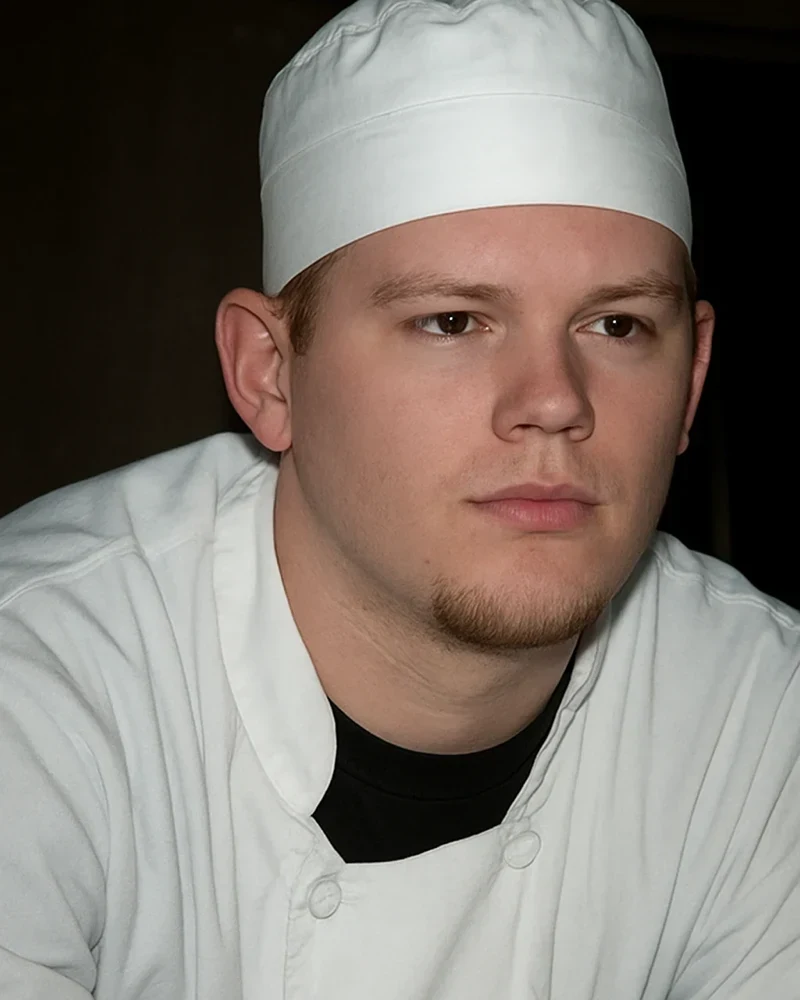
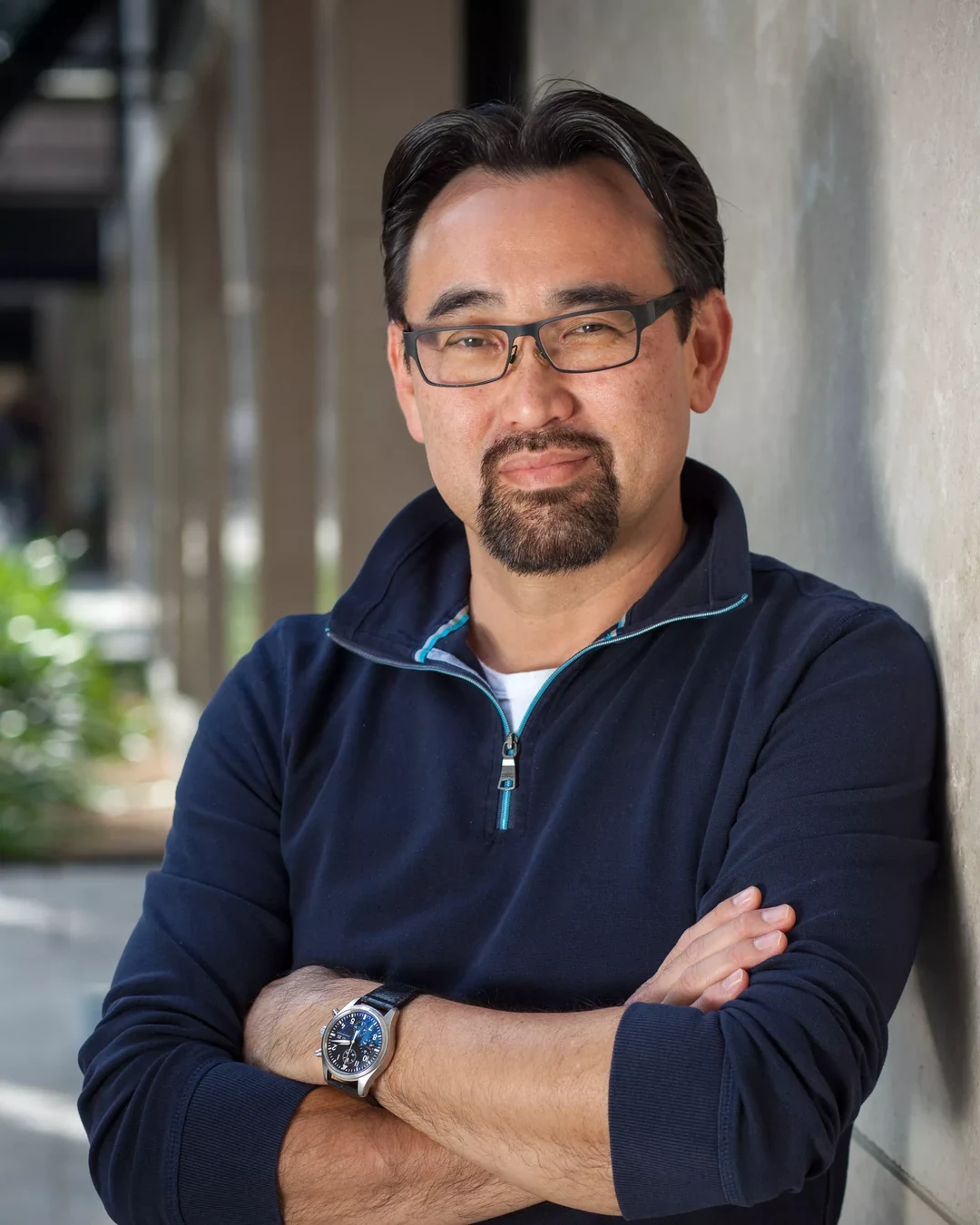
São Paulo, Brazil, supplies the city context, but the working language at Jun Sakamoto is the sushi counter: polished wood, regional seafood, and controlled service in the classic omakase format. Behind an unmarked entrance, Master Chef Jun Sakamoto prepares directly in front of diners, keeping the work close to the cut, the rice, the fish, and the next piece placed across the counter.
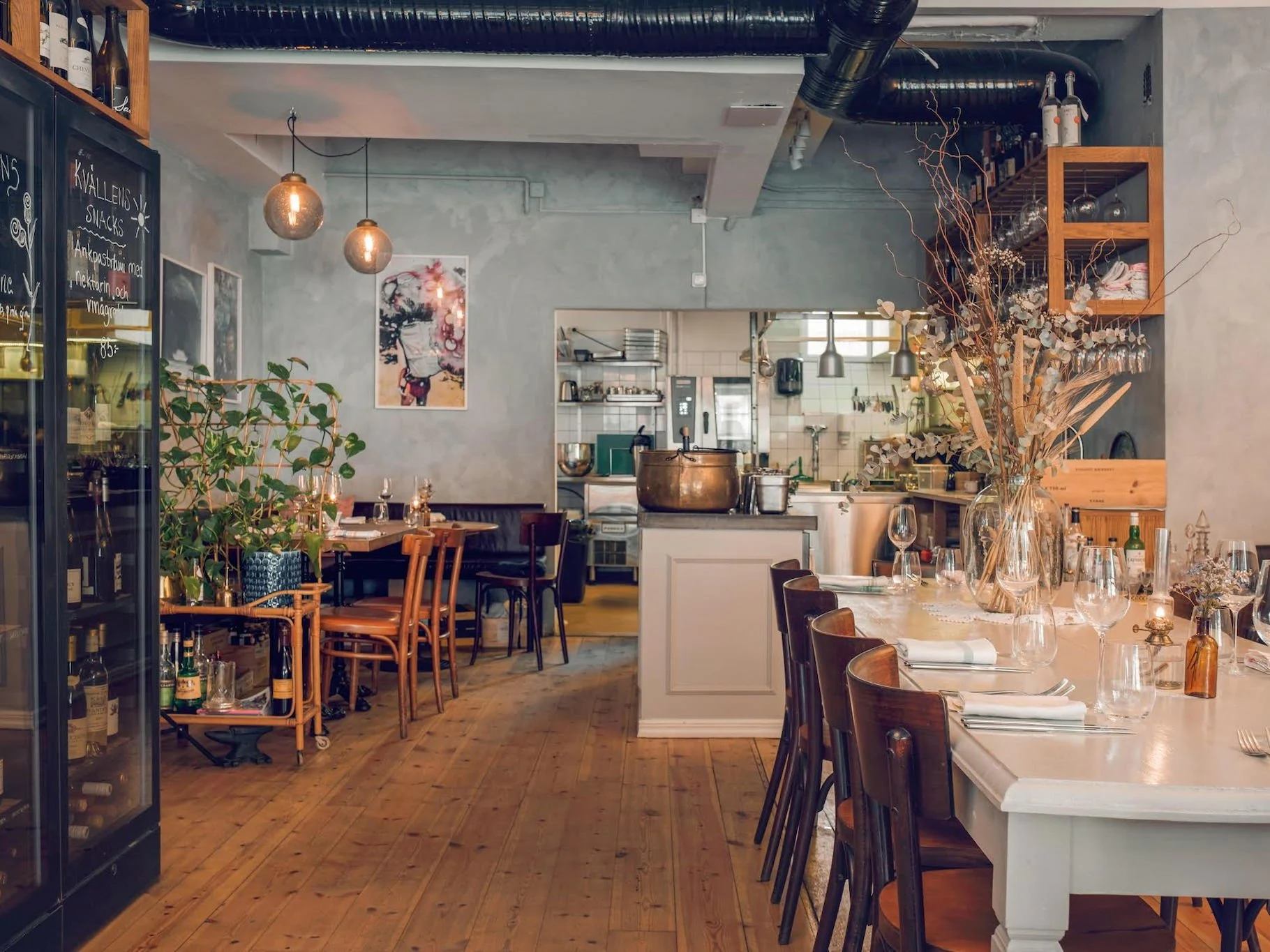
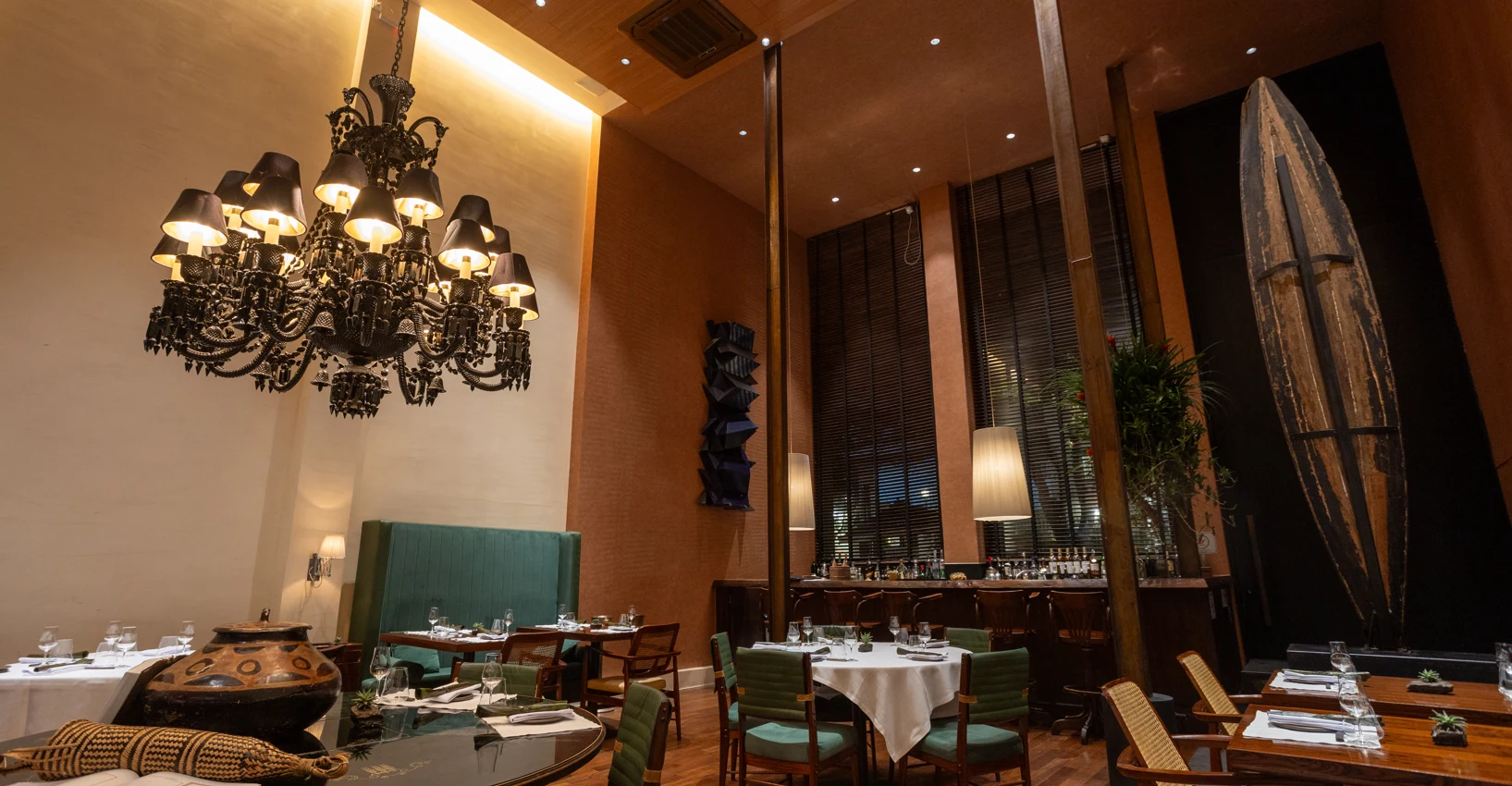
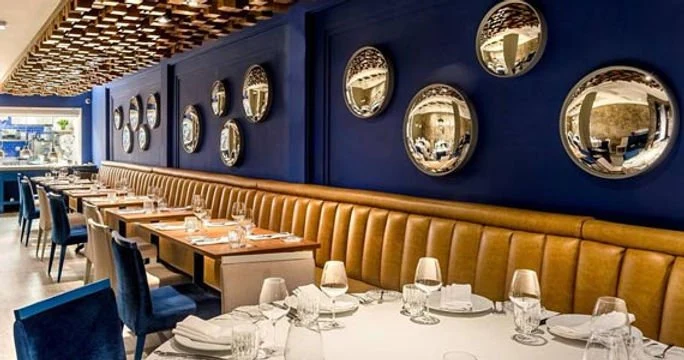
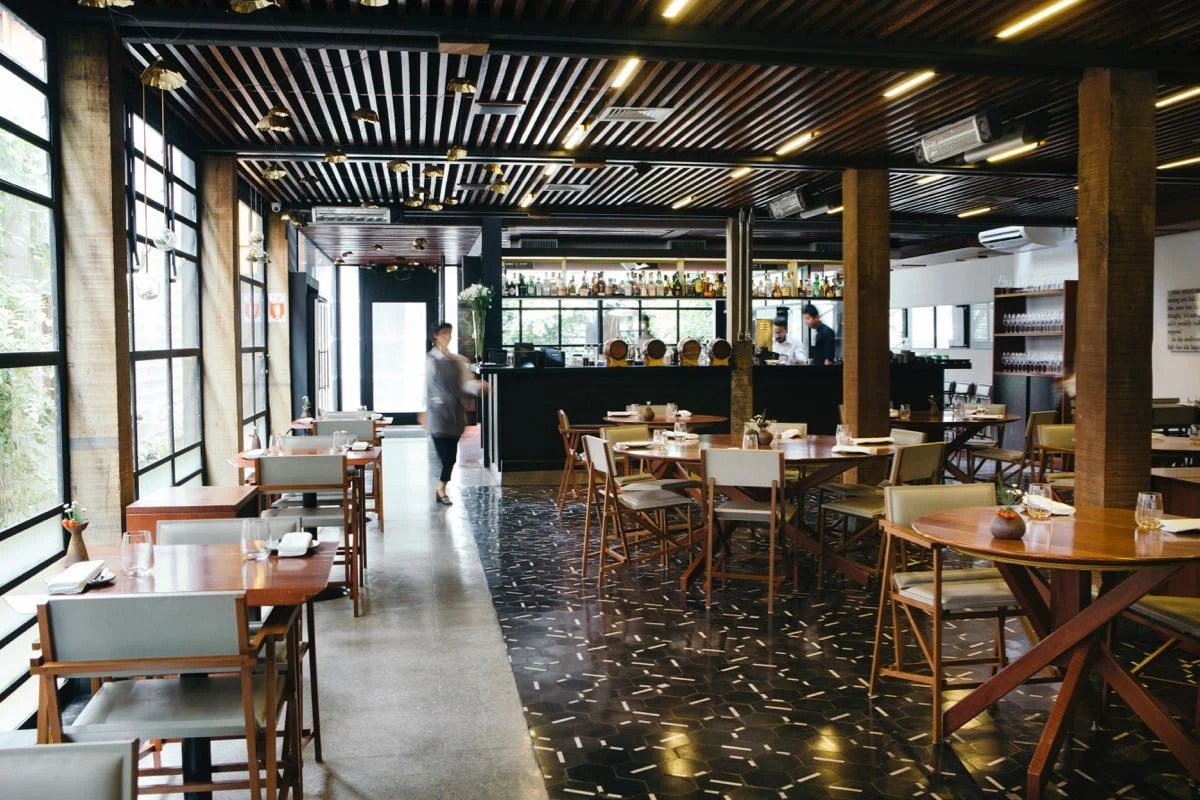
The Place Arrival sets the terms of the room. An unmarked entrance withholds the restaurant from the street; inside, polished-wood surfaces and open counters put the work in plain view. The São Paulo setting matters, but the counter narrows attention to regional seafood served as sushi and sashimi, without excess covering the material. Recognition from the MICHELIN Guide, which awarded the restaurant one star, sits on a disciplined format rather than a broad one. The room stays intimate and close to the counter, where ambition is carried by repetition, clarity, and restraint. Jun Sakamoto has described the risk of drifting from that center plainly: “Today, some places fail because they try to please everyone and are not loyal to their true values.” At Jun Sakamoto, those values are legible in the service model: quiet room, visible work, seafood kept at the center.
The Method Sushi is the core discipline, and the omakase balances tradition, technical precision, and contemporary sensitivity. The method depends on decisions that are small but consequential: cut, temperature, timing, and sequence. Each piece follows from the one before it, with no need for ornament when the fish, rice, and handling are meant to carry the course. Visibility is part of the technique. Regional seafood is prepared in front of diners as sushi and sashimi, so the making is not separated from the eating. Hands, knife, rice, fish, wood, and guest share the same narrow field. Jun Sakamoto states the priority without decoration: “the real focus must be the food.”
The Range Range is expressed through order, not sprawl. A refined 17-course omakase is served in carefully timed 90-minute sittings, with the progression centered on impeccably crafted sushi rather than a catalogue of unrelated dishes. The rhythm is the structure: each course placed to hold attention and move the meal forward. The omakase selection is limited to eight diners at each sitting. In that format, Jun Sakamoto or Ryuzo Nishimura prepares sushi and sashimi in front of guests, keeping the counter as both workspace and point of service. The small scale tightens the standard: every movement is visible, and every serving has to justify its place. A personal discipline sits alongside the counter discipline. Away from service, Jun Sakamoto has said, “I try my best to dedicate every single weekend to my family.” In a restaurant built around focus, the statement reads as another boundary: attention reserved for what matters.
In Their Words “Today, some places fail because they try to please everyone and are not loyal to their true values.” “I try my best to dedicate every single weekend to my family.”
FAQ What is Jun Sakamoto's current role? As of 2026, Jun Sakamoto is Master Chef. What is Jun Sakamoto known for? Sushi. What recognition has Jun Sakamoto received? MICHELIN Guide — one star for Jun Sakamoto restaurant.