i. Biography
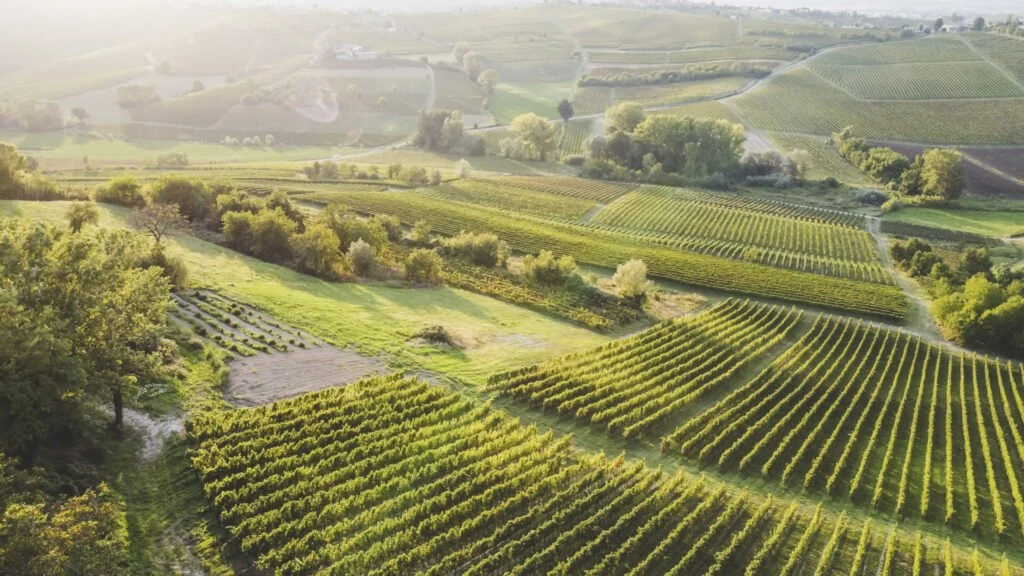
Vineyard-led winemaking at Cà Tessitori in Broni, Italy, is built around site separation and low-intervention cellar decisions. In Luigi Giorgi’s work, each individual vineyard is treated as capable of producing a distinct wine each year, often carrying the vineyard’s own name. The label functions as a record of place and season rather than as decoration: vineyard identity is established before the cellar begins its work.
Coming Up
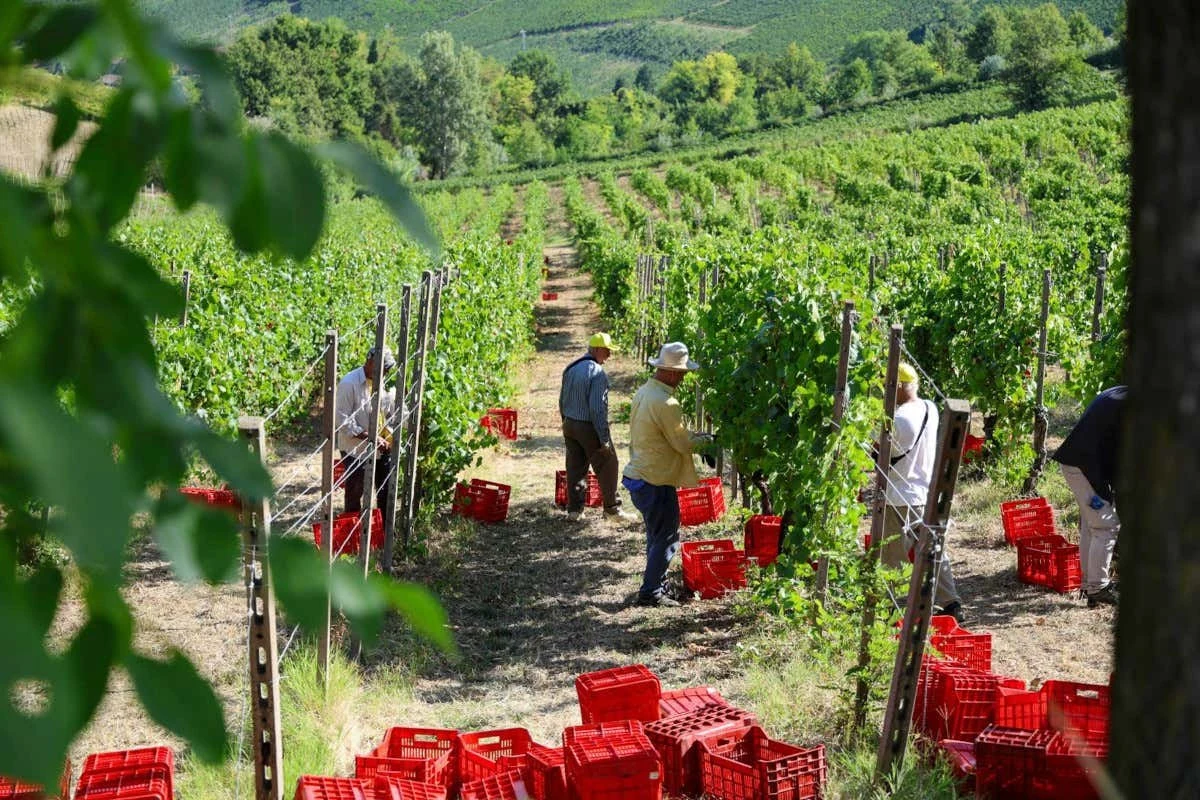
Today, Luigi Giorgi is the vignaiolo of Cà Tessitori. Vignaiolo is the operative term. It holds vineyard work, fruit selection, cellar handling, and bottling inside one line of responsibility. At Cà Tessitori, the craft is described through proximity to the rows, the fermentations, and the consequences of each decision. Vineyard identity is not separated from cellar technique; the two are kept in contact from harvest through aging so that each site remains the central reference.
Where They Are Now
Winemaking at Cà Tessitori is currently carried out by Luigi Giorgi, with Broni, Italy, named as the working address. The cellar work is done personally and without consultants, keeping the decisions and their results close to the same maker. For a working cellar, that is authorship in practical terms: responsibility stays with the person handling the wine. Red-wine production at the estate avoids selected yeasts and temperature control. The underground cellar provides the practical basis for that choice, with a naturally cool summer and mild winter microclimate shaping fermentation conditions without mechanical correction. The cellar is treated as part of the estate’s working environment, not as a neutral room to be overridden. Low sulfur dioxide use, no pied de cuvée, short red-wine macerations of no longer than 7–8 days, and hand racking to preserve the skins define the rest of the method. These are not cosmetic gestures. They place emphasis on timing, touch, and restraint, with the handling of skins and movements in the cellar kept deliberately close. Unfiltered and unclarified wines stabilize through the winter climate rather than through added correction. Barbera Marona is named as an important red wine in this work. It may undergo long aging in cement or wooden tonneaux and then continue in bottle, extending the time frame while keeping the governing principle intact: the vineyard leads, the cellar follows.
Career - Vignaiolo — Cà Tessitori, Montecalvo Versiggia and Montalto Pavese, Oltrepò Pavese, Italy
Signature
Barbera Marona is among Luigi Giorgi’s signature wines. Its importance sits in the way it carries vineyard identity through restrained cellar handling: site definition first, then fermentation, aging, and bottling managed without overwriting the source material.
FAQ What is Luigi Giorgi's current role? As of 2026, Luigi Giorgi is Winemaker. What is Luigi Giorgi known for? The cellar work is done personally without consultants.