i. Biography
The Path
Winegrowing is built on two kinds of work: the technical grounding that keeps decisions sound, and the field experience that makes those decisions usable. Makai Gergely’s training at Montpellier Agricultural University and Szent István University, Faculty of Horticultural Science gave him that base in science and horticulture before he moved into cellar work as borászati asszisztens at Vylyan Pincészet in Villány. The sequence matters: study first, then the realities of production, where theory has to hold up under seasonal pressure. Since 2009, Tokaj-Hétszőlő Szőlőbirtok has been the site of that progression. Across roles as szőlész, technikai igazgató, birtokigazgató, ügyvezető igazgató, szőlészet vezető, and főborász, Makai has taken on the vineyard, the cellar, and the estate as one working system. Those titles point to breadth rather than a single specialty: the management of vines, equipment, operations, and wine together, with each season carrying forward the decisions of the last.
The Work Today
At Tokaj-Hétszőlő Szőlőbirtok, the work rests on a simple principle: vineyard health sets the terms for the wine. Makai Gergely’s stated focus is organic cultivation, with estate-grown grapes and aszú berries used so that every Hétszőlő bottle reflects that approach. The emphasis is not rhetorical. It is a production rule that ties soil, vine, and finished wine to the same set of choices. That kind of practice depends on consistency across the estate, not on isolated gestures in the cellar. Makai’s approach treats vineyard management and winemaking as linked disciplines, each shaping the other. The result is a style of work that privileges continuity, where the character of the estate is carried through by the same standards from harvest to bottle.
Career - szőlész — Tokaj-Hétszőlő Szőlőbirtok, Tokaj (2009–present) - technikai igazgató — Tokaj-Hétszőlő Szőlőbirtok, Tokaj - birtokigazgató — Tokaj-Hétszőlő Szőlőbirtok, Tokaj (2016–present) - ügyvezető igazgató — Tokaj-Hétszőlő Szőlőbirtok, Tokaj - szőlészet vezető — Tokaj-Hétszőlő Szőlőbirtok, Tokaj - főborász — Tokaj-Hétszőlő Szőlőbirtok, Tokaj - borászati asszisztens — Vylyan Pincészet, Villány Education: Montpellier Agricultural University; Szent István University, Faculty of Horticultural Science
Signature
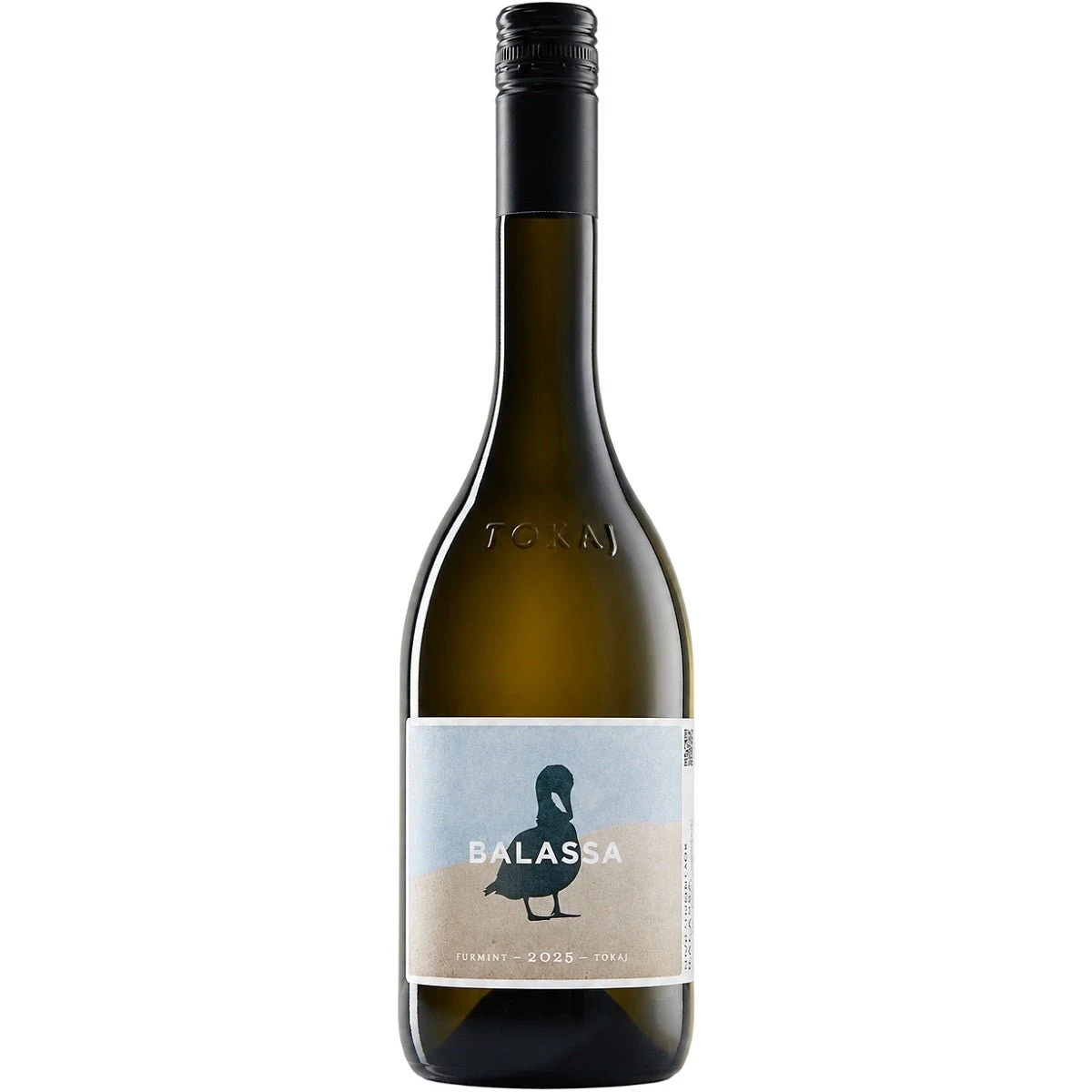
Makai's signature wines include Tokaji Pezsgő Furmint brut 2019, Tokaji Furmint Kis Garai dűlő 2021, Tokaji Aszú 5 puttonyos 2004, Tokaji Aszú 6 puttonyos 1999, and Tokaji Édes Szamorodni 2013. Together they sketch the breadth of his range, from the crisp, precise energy suggested by Tokaji Pezsgő Furmint brut 2019 to the layered depth of the Tokaji Aszú 5 puttonyos 2004 and Tokaji Aszú 6 puttonyos 1999. Tokaji Furmint Kis Garai dűlő 2021 and Tokaji Édes Szamorodni 2013 further reflect an approach attentive to place, texture, and the distinct possibilities of the Tokaj landscape.
In Their Words “We believe that with organic cultivation we can preserve the vitality of the soil and vines, and in order for every Hétszőlő bottle to convey this philosophy, we use only estate-grown grapes and aszú berries for our wines.”
Acclaim
The clearest statement of the work is in the production rule itself: organic cultivation, estate-grown grapes, and aszú berries. Makai Gergely frames that choice as a way to keep soil and vines vital, while ensuring that each Hétszőlő bottle carries the same estate-grown material through to the finished wine. That gives the practice a clear chain of responsibility. The claim is not about style in the abstract; it is about how the vineyard is handled, what fruit enters the cellar, and what standards are kept from one bottle to the next. In Makai’s case, recognition comes from that consistency: the estate speaks through its own fruit, under its own discipline.
FAQ What is Makai Gergely's current role? As of 2026, Makai Gergely is Vineyard Manager. Where did Makai Gergely train or study? Makai Gergely trained at Montpellier Agri