i. Biography
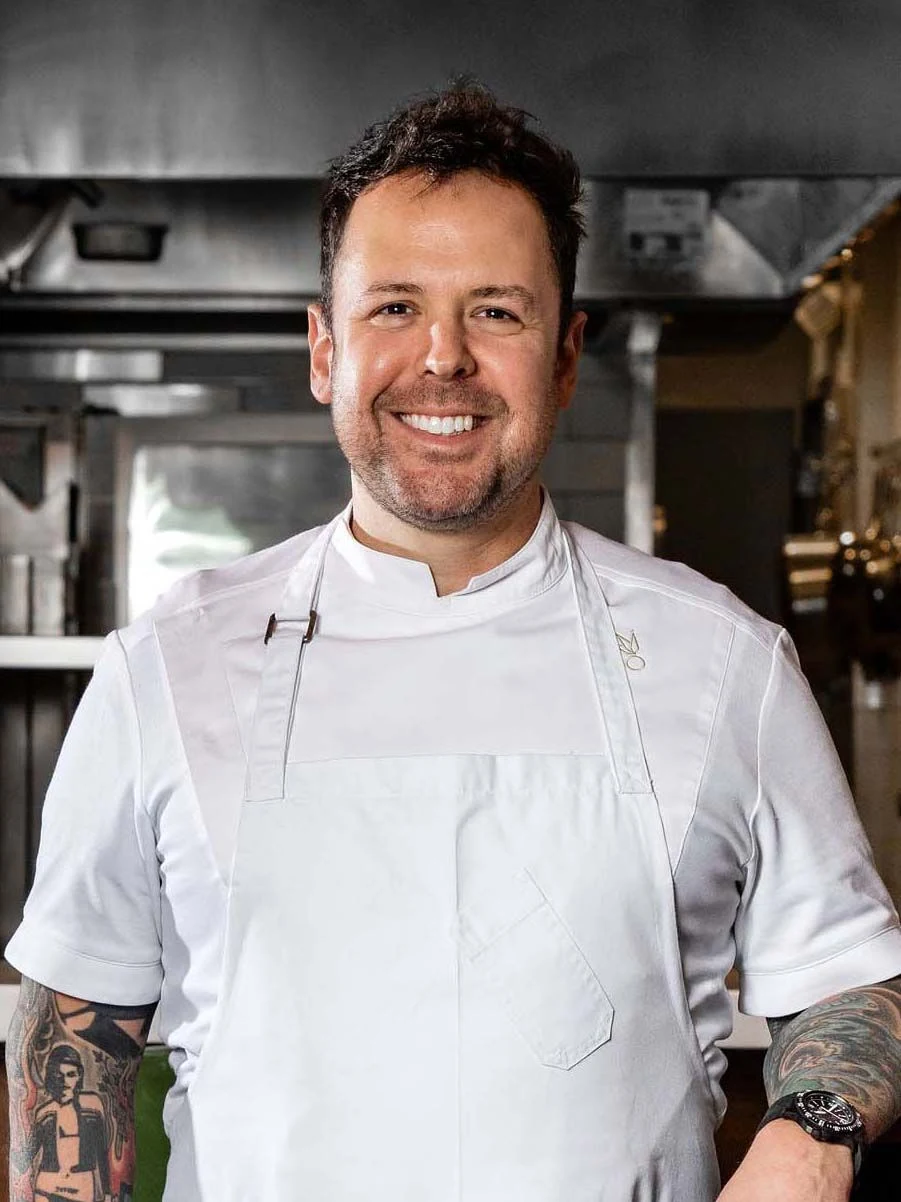
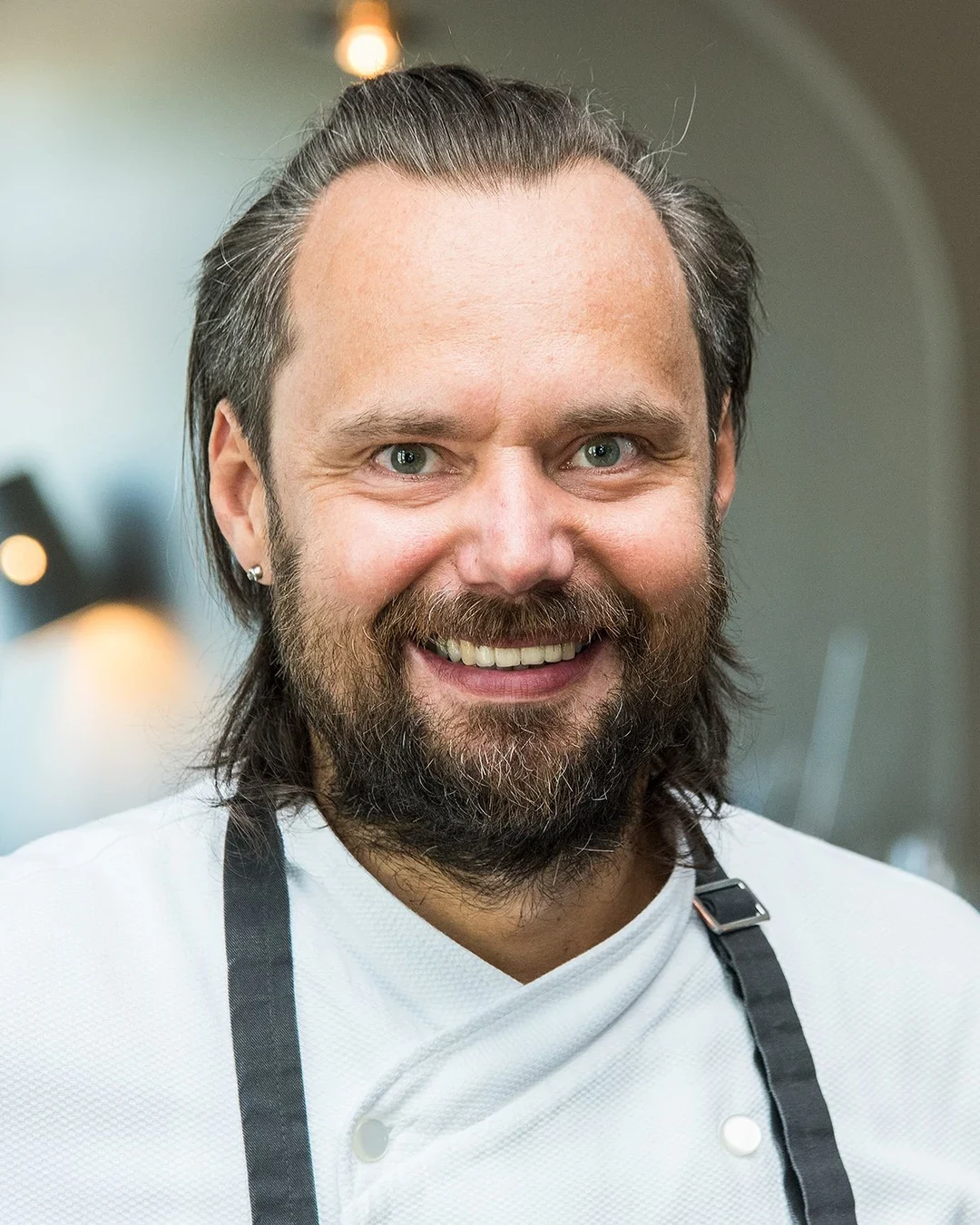
There are two constants in the kitchen line: family and indulgence. For Mario Lohninger, chef of Lohninger in Frankfurt on the Main since 2010, that idea reads less like a slogan than a working method. Comfort and desire sit in the same frame; memory is treated as a structural ingredient; and the table is approached as a place for discipline, not just pleasure. The cooking carries Austria, remembers New York, and reaches toward Asia, so the plate reads as a record of movement as much as taste.
The Path
Training at Hotel Brandlhof, Saalfelden gave Mario Lohninger an Austrian base and the formal habits of professional kitchen work. The next stages moved into New York, where service conditions and pace sharpened the work: he was Sous Chef at San Domenico in New York, United States (1995–1996), then later Executive Chef at Danube in New York, United States (1999–2004). Taken together, those roles map a career built through relocation, pressure, and the steady exchange between place and palate. Today, Mario is chef of Lohninger (since 2010), carrying those layers into a single point of view.
The Work Today
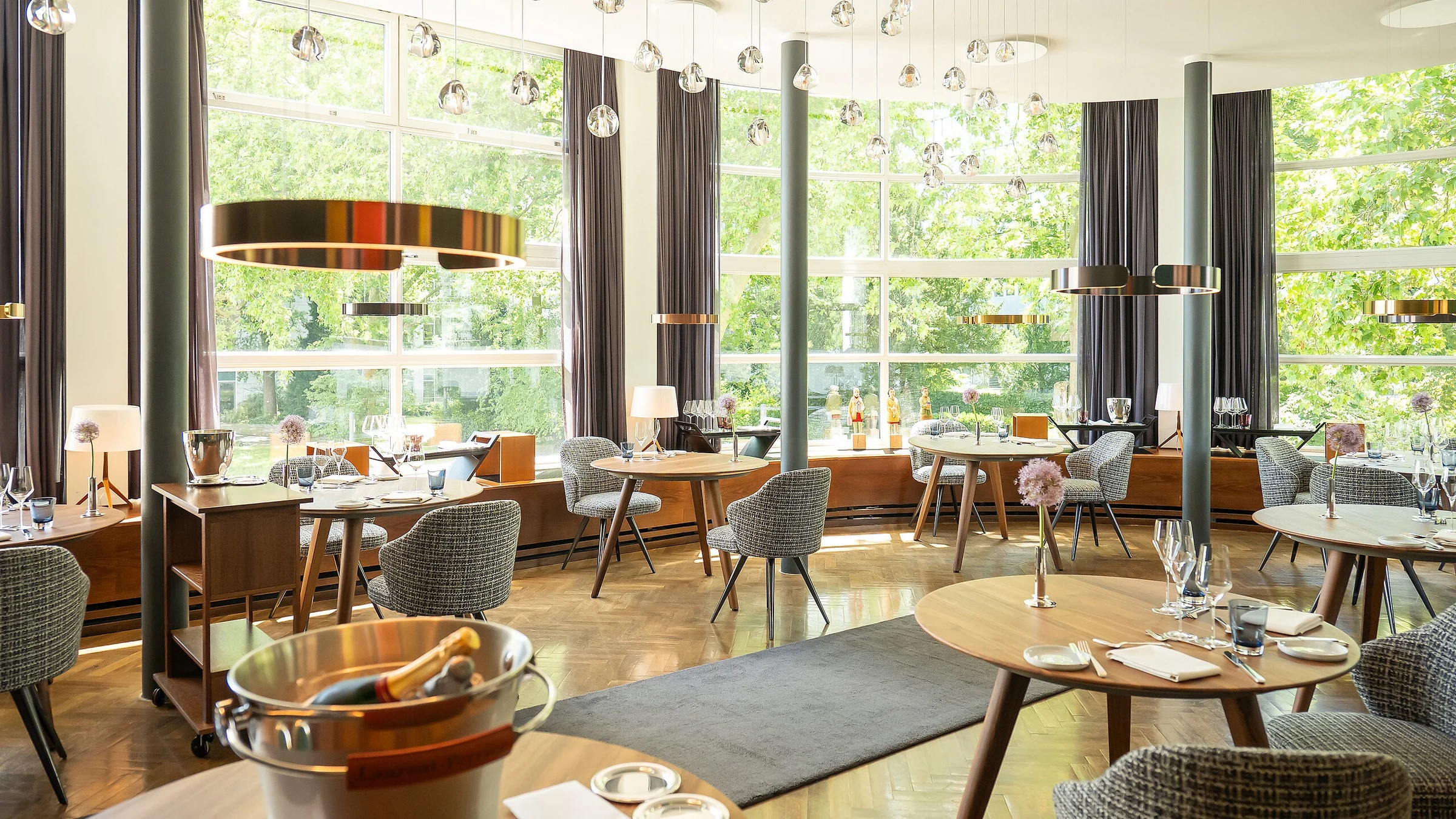
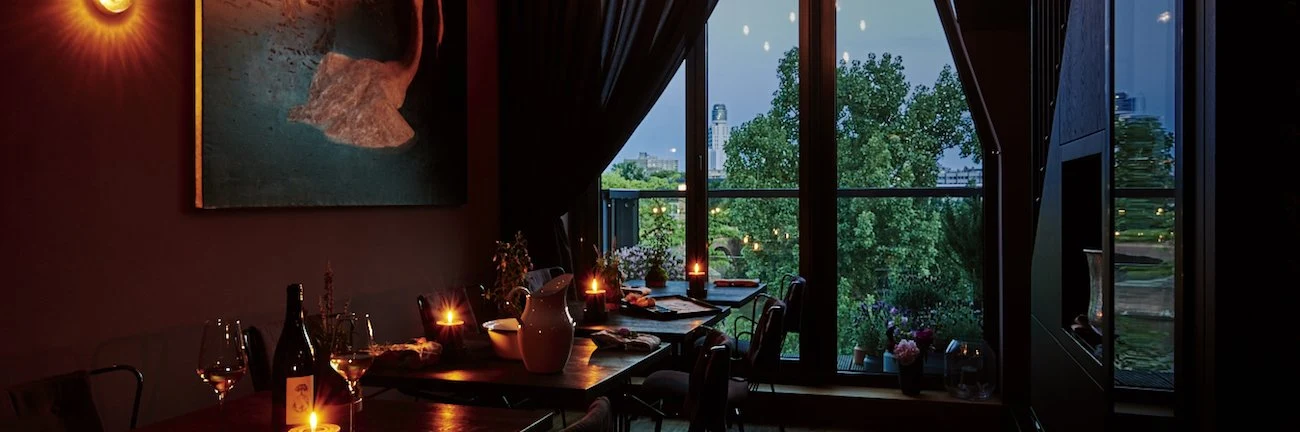
Since 2010, Lohninger has been chef at Lohninger in Frankfurt on the Main, and the restaurant is where the different parts of the career are held together. Saalfelden remains in the background as the starting point, New York as the period of influence and pressure, and Frankfurt on the Main as the site where the work is organized and sent out again. The kitchen does not hide those references; it uses them, allowing them to sit side by side in a style that stays rooted while remaining open to movement. One dish makes that lineage plain: K.u.K. Ochsenbackerlgulasch mit Buchweizen-Spätzle. The name carries Austrian specificity and places the dish inside a tradition that Mario Lohninger keeps active rather than fixed. More broadly, his work is described as Austrian cuisine shaped by Asian and New York influences. That combination gives the cooking its range: familiar in structure, wider in reference, and built with enough clarity to read as deliberate. Lohninger states that position directly: "At restaurant Lohninger we are not much influenced by current trends, but rather like to set them ourselves!" The line describes a kitchen working from its own internal logic rather than reacting to the market. In that sense, style is treated as authorship, and the restaurant’s identity comes from conviction rather than display. He puts the same confidence into the profession itself: "For me, chef is the best job in the world, and most of all one with a future: people becoming more and more knowledgeable about quality and wanting to eat well is a trend that is here to stay."
Career - Chef — Lohninger, Frankfurt on the Main, Germany (2010–present) - Sous Chef — San Domenico, New York, United States (1995–1996) - Executive Chef — Danube, New York, United States (1999–2004) Education: Hotel Brandlhof, Saalfelden
Signature
Mario's signature dishes include Bigeye Tuna Sashimi and Pastrami Sandwich. The pairing shows range without losing coherence: one sits in a concise, contemporary register, the other leans into familiarity and play. Together, they mark a cook who can move across formats while keeping the work legible.
In Their Words “Our signature combination of classic Austrian cuisine and Asian and New York influences is legendary, with it we not only lay the foundation for an exciting menu, but also for a varied work routine.” “For me, chef is the best job in the world, and most of all one with a future: people becoming more and more knowledgeable about quality and wanting to eat well is a trend that is here to stay.”
Acclaim
Mario's honors include Goldenen Cloche — representative and ambassador of Austrian cuisine (2010) and Gault Millau — Chef of the Year.
FAQ Where did Mario Lohninger train or study? Mario Lohninger trained at Hotel Brandlhof, Saalfelden. What recognition has Mario Lohninger received? Goldenen Cloche — r