i. Biography
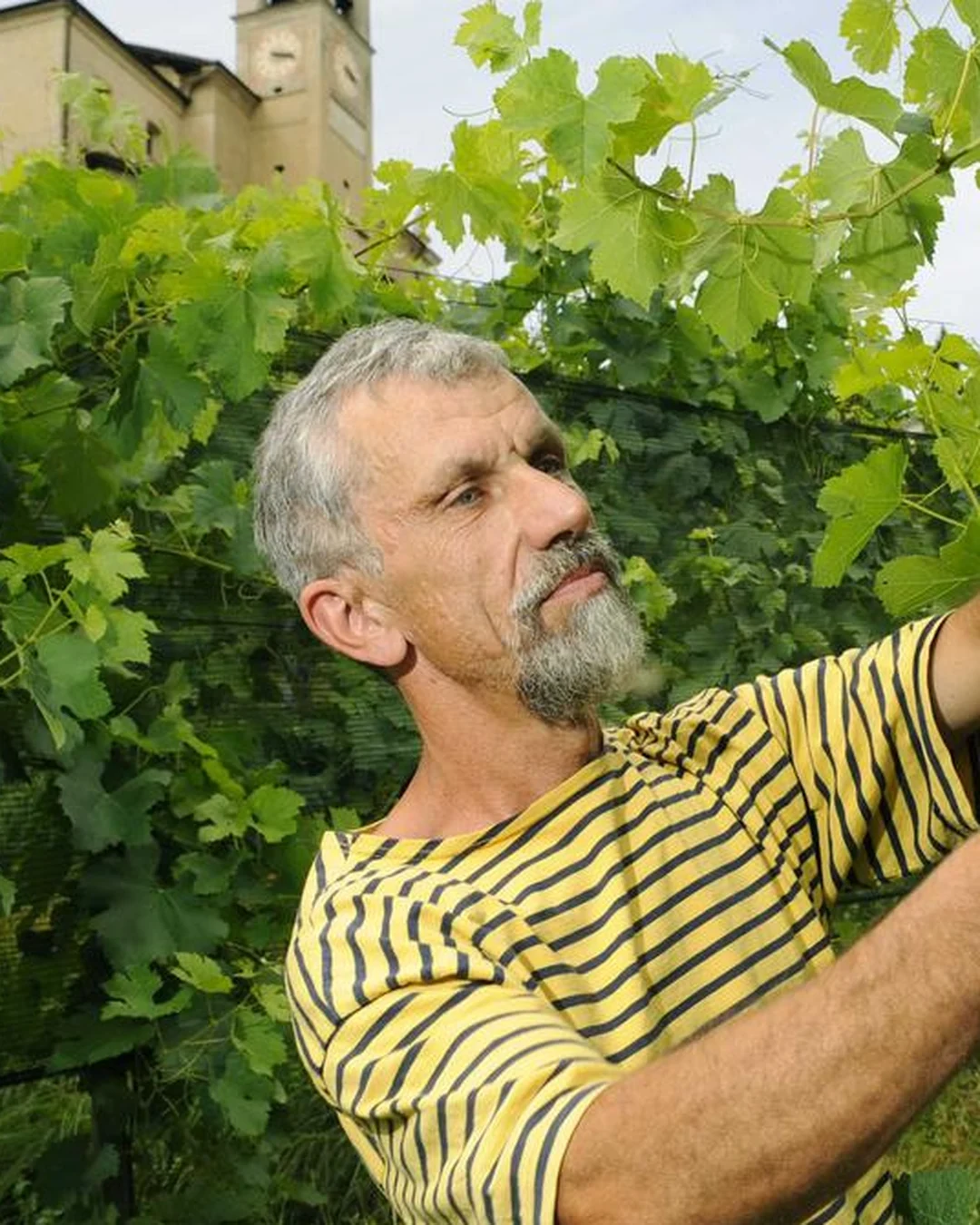
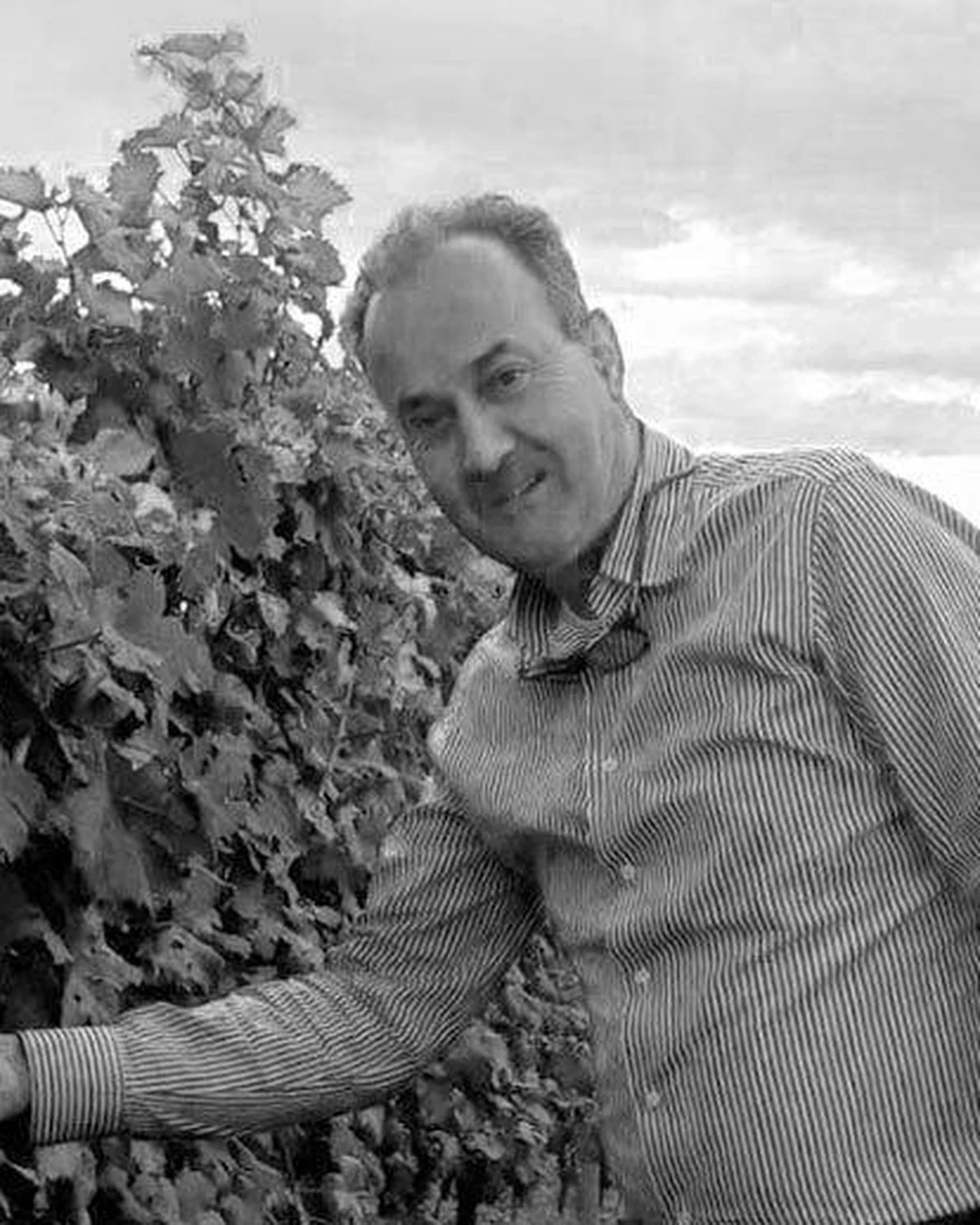
In Chiuro, Italy, Paolo Balgera works with Chiavennasca, the local name for Nebbiolo, in wines that speak through fragrance, structure, cement, and large oak. As owner of Balgera Vini and guide of the Balgera estate, he carries a family cellar rooted in 1885 while shaping Traditional Nebbiolo-based Valtellina wines with modern winemaking knowledge.
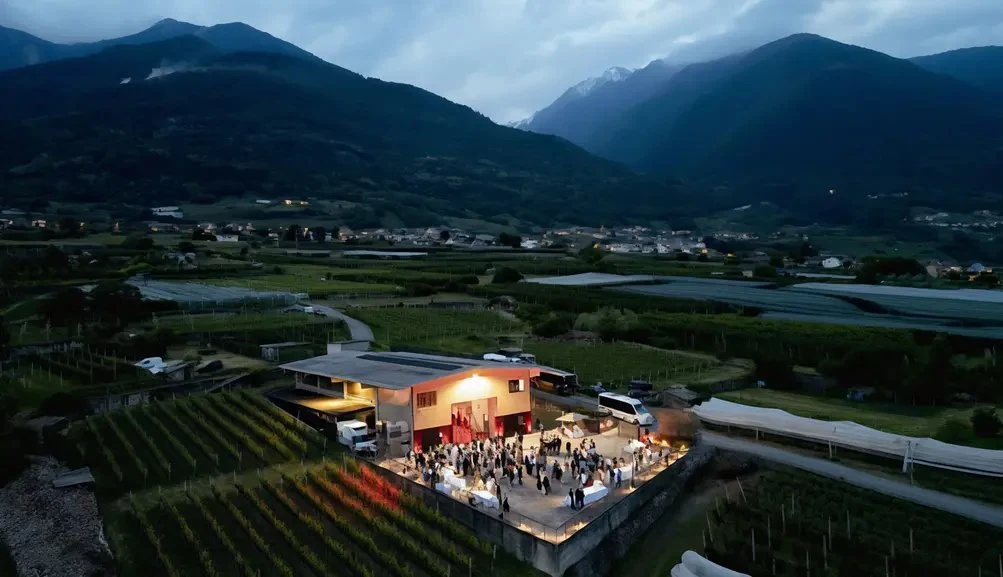
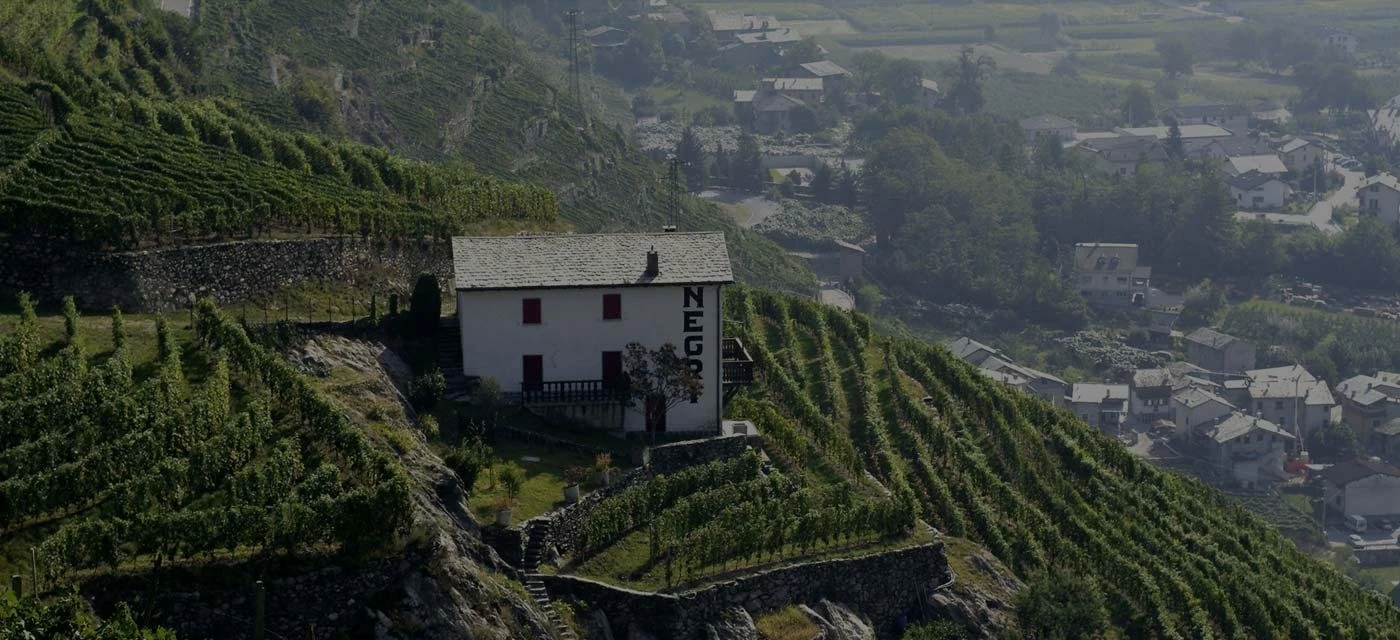
The Place The Balgera family winery lineage begins with Pietro Balgera, who founded the winery in 1885, before successive family generations continued its work. That inheritance gives Paolo Balgera a long frame: he is not building a name from scratch, but working inside a house whose identity depends on continuity, patience, and the particular language of Valtellina wine. At the turn of the century, he forged Balgera Vini’s modern identity by applying modern winemaking knowledge to its production method. The shift did not replace the estate’s older habits; it gave them a more deliberate form, joining ancient know-how with contemporary technique while presenting the cellar as a protector of traditions. The materials remain specific. These are classic old-world styled, highly fragrant Valtellina wines made from Chiavennasca, also known as Nebbiolo, a grape that becomes both local and familiar under those two names. In Paolo’s hands, the estate’s work centers on traditional Nebbiolo-based wines rather than novelty for its own sake.
The Method The wines made under Paolo Balgera are described as expressive and fragrant, drawn from Inferno, Sassella, Valgella, and Grumello. Those named places matter because they give the range its internal map: different Valtellina sources, handled through traditional methods rather than a single broad idea of regional style. In the cellar, old cement vats and large 100-hectoliter oak barrels are part of the method. The scale and material suggest a winemaking rhythm built around time, air, and restraint, with vessels that support structure without turning the wine away from aroma. The results are described through elegance, great structure, and exquisite aromatic fragrance. Those are not decorative claims in this context; they are the qualities the estate ties to its combination of old technique, modern knowledge, and Chiavennasca’s capacity for lift and depth.
The Range One signature work is Balgera Sforzato di Valtellina 2001, made from dried Nebbiolo grapes. The 2001 vintage carries historical weight because Sforzato wines received DOCG status in 2001, placing that release at a meaningful moment for the category. Another point in the range is Fòrbes, an Italian grape ale made collaboratively by the family wine company Balgera and the artisanal beer company Pintalpina. Its name means scissors in the dialect of the Lombardy region, a small linguistic cut that connects the drink back to place even as it crosses from wine into beer. Together, the wines and the grape ale show Paolo Balgera working from inheritance rather than away from it. Chiuro remains the address, Valtellina the source, Chiavennasca the central material, and the estate’s chosen path a measured balance between inherited practice and applied knowledge.
FAQ What are Paolo Balgera's signature releases or dishes? Paolo Balgera’s signature releases include Balgera Sforzato di Valtellina 2001, made from dried Nebbiolo grapes, and Fòrbes, an Italian grape ale made with Pintalpina. What is Paolo Balgera known for making? He is known for Traditional Nebbiolo-based Valtellina wines, especially classic old-world styled, highly fragrant wines made from Chiavennasca. Where does Paolo Balgera work? Paolo Balgera works at Balgera Vini in Chiuro, Italy, where he owns the winery and guides the Balgera estate.