- Falstaff Winery - Listed · 2026
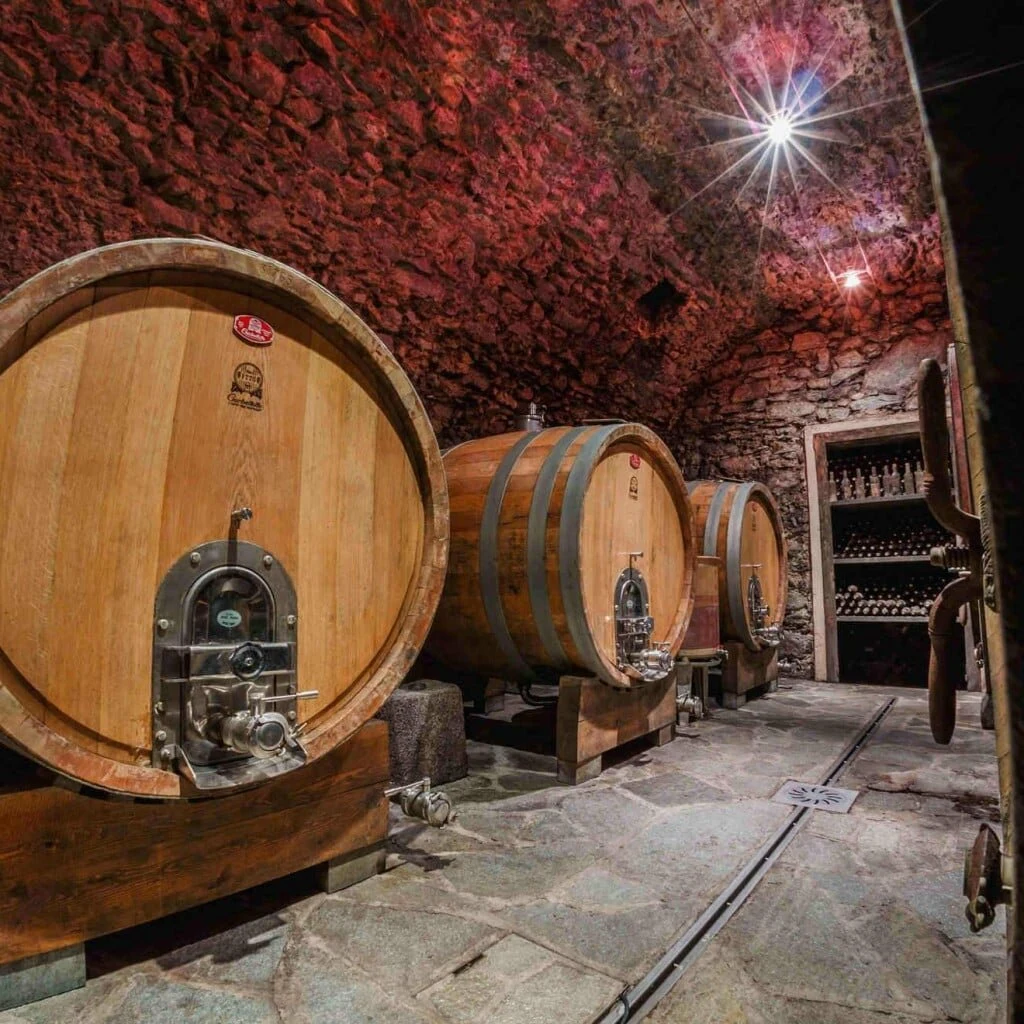
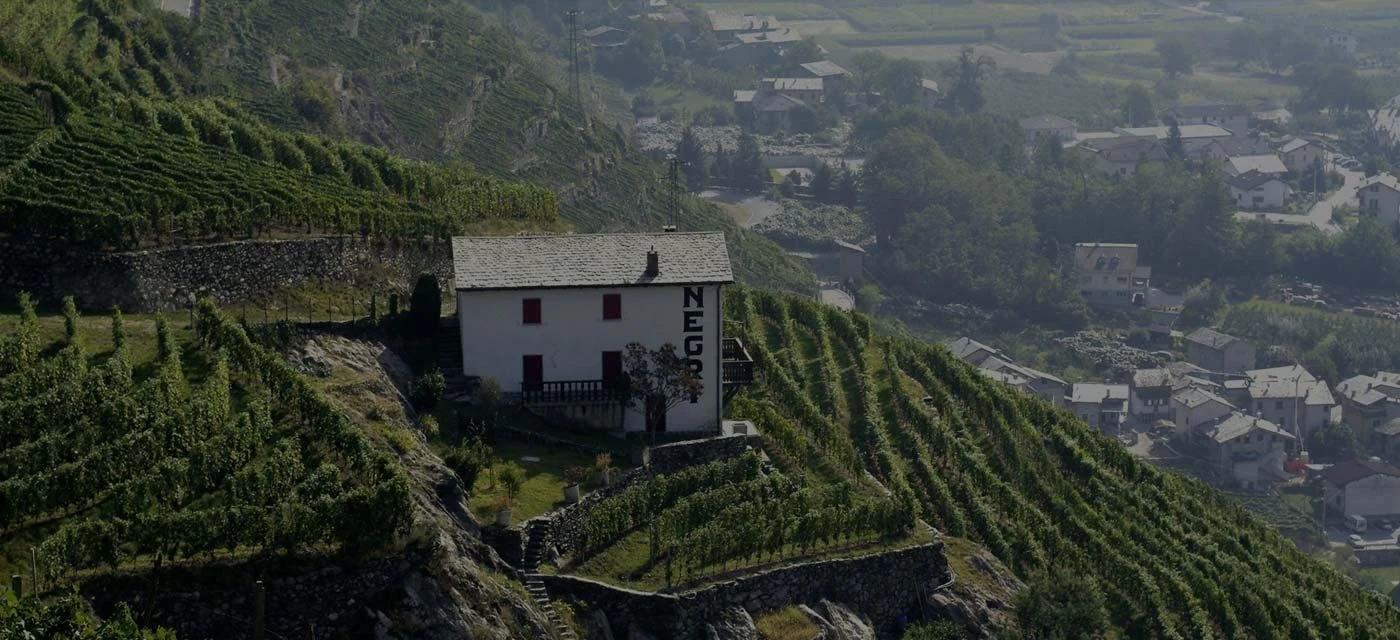
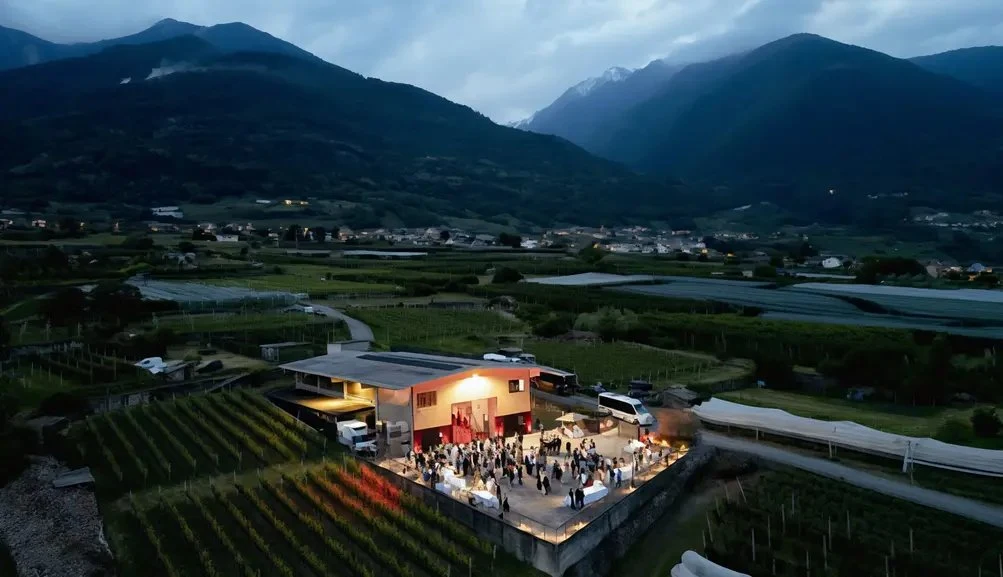
Aldo Rainoldi in Chiuro is best approached as a focused introduction to Valtellina wine rather than as a broad hospitality complex. The picture is concise: a family-run alpine winery with a classic, authentic Valtellina feel, centered on Nebbiolo and on cellar tours where guests taste multiple wines among oak casks and barriques. The appeal is not excess or spectacle, but a scenic, rustic, and educational setting that helps visitors understand the region through the glass.
For travelers who know Nebbiolo from elsewhere, the value of a visit is the chance to meet the grape in a distinctly alpine context. What can be said confidently is that Nebbiolo is the focus, the experience is built around tasting multiple wines, and the cellar environment is part of the visit rather than merely a backdrop.
Alpine Nebbiolo, read through a classic Valtellina setting
Valtellina gives Nebbiolo a mountain identity, and Aldo Rainoldi presents that identity in a direct, family-run format. The atmosphere is described as classic and authentic rather than polished in a luxury-resort sense. That matters for visitors who want a wine stop that feels rooted in place: oak casks, barriques, and an intimate cellar setting create a practical context for tasting, comparing, and asking questions.
The focus is Nebbiolo, so the strongest reason to visit is to understand how one grape can anchor a regional experience. Rather than relying on a long catalogue of bottlings or subzones, the safer reading is simpler: guests taste multiple wines in the cellar and encounter Valtellina through a producer whose identity is tied to alpine winemaking. The experience is educational without needing to be formalized as a classroom.
The style of the visit also suits travelers who prefer substance over performance. The setting is rustic and scenic, with a classic Valtellina feel, and the cellar elements give the tasting a clear sense of production and aging. If your interest is in the relationship between Nebbiolo, place, and cellar work, Aldo Rainoldi gives that subject a compact and grounded frame.
The cellar-tour format suits a region that benefits from explanation
Some wine visits can be understood from a bar pour alone. Aldo Rainoldi is better described through its cellar-tour format: guests taste multiple wines among oak casks and barriques, which makes the environment part of the learning. The information supports an intimate, educational atmosphere, so this is a good fit for visitors who want context with their tasting rather than a purely casual stop.
Because the confirmed details are limited, it is important not to overstate the logistics. Plan with the understanding that this is a winery experience in Chiuro, centered on Nebbiolo and cellar tasting, and confirm any practical arrangements directly before visiting.
Price is the clearest practical detail: Aldo Rainoldi is listed at $22 per person. That places the visit in a direct tasting-and-tour category, but without information on tiers or inclusions beyond the cellar experience and multiple wines, it is best to treat the price as a guide rather than as a complete itinerary description.
How to place it within a Chiuro wine day
Within Chiuro, Aldo Rainoldi works well as a focused wine stop for travelers who want a classic Valtellina atmosphere. It is better framed as a cellar visit: taste, observe the casks and barriques, and use the setting to understand the winery’s Nebbiolo focus.
Other dining in Chiuro can be planned separately, but the wine visit itself should remain the anchor here. For an honest itinerary, keep the claim modest: Aldo Rainoldi offers a scenic, rustic, family-run alpine winery experience in Chiuro, with Nebbiolo at the center and a cellar-tour format that makes the tasting feel intimate and educational.
The editorial case is clear because it is narrow. Visit Aldo Rainoldi for a classic Valtellina cellar experience, not for unsupported claims about awards, famous labels, exact production numbers, or elaborate hospitality add-ons. At its strongest, the venue offers what the record supports: a family-run alpine winery in Chiuro, focused on Nebbiolo, where multiple wines are tasted among oak casks and barriques in an intimate, educational atmosphere.
Questions
Frequently asked
Who works at Aldo Rainoldi?
Made By profiles Aldo Rainoldi (Winemaker) at Aldo Rainoldi.
How expensive is Aldo Rainoldi?
Aldo Rainoldi is listed at a price level of $$.
The field
How it compares
| Place | Notes | Awards |
|---|---|---|
| Aldo Rainoldi | Chiuro, $$ | · |
| Balgera Vini | Chiuro | · |
| Bodegas Muga | Haro | World's 50 Best |
| Domaine Clarence Dillon | Pessac | · |
| Folini Valtellina | Chiuro | · |
| Nino Negri | Chiuro | · |
| Rippon Vineyard | Wānaka | World's 50 Best |