Winemaker
Philippe Constantin
- Discipline
- Winemaker
- Based in
- Salgesch, Switzerland
i. Biography
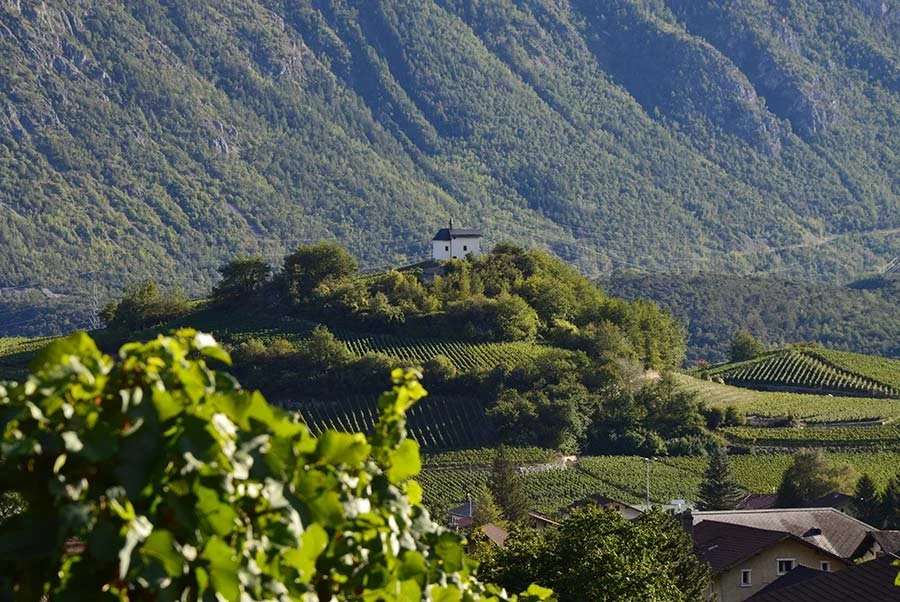
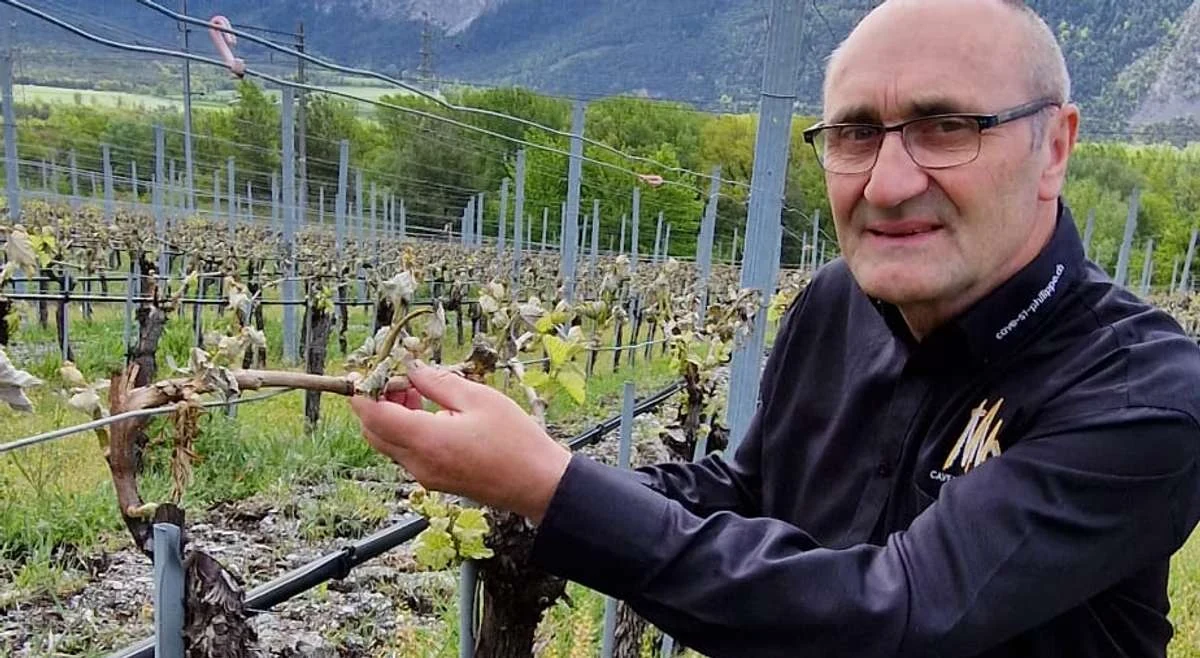
In Salgesch, Switzerland, at Cave St. Philippe Constantin works as winemaker from the raw premise that wine begins before the cellar: grapes from his own vines, farmed without herbicides or synthetic crop protection products. The winery has worked organically for years, and its range moves across 17 types of wines from ten grape varieties, with Cornalin highlighted as proof of its pioneering work and recognized with several awards.
The Estate
The name on the label is Cave St. Philippe – Philippe Constantin, a Salgesch winery closely tied to its winemaker’s reading of vines, place, and timing. Constantin states the connection plainly: "The terroir and the vines – they speak to me." That sense of place is also personal. In his own words, "My knowledge and experience as a thoroughbred winemaker would be not sufficient without this feeling for my six hectares of vines, which I inherited from my father in 1987." Organic practice is part of the estate’s identity. St. Philippe - Famille Philippe Constantin is associated with conversion to organic farming and the Bio Suisse organic wines label, while the vineyards are worked without herbicides or synthetic crop protection products. The winery is also a member of Weindorf Salgesch. In a village identified directly by that association, the work is presented through grapes, farming choices, and bottles rather than through ornament.
In the Cellar
Constantin’s cellar work starts with a vineyard rule: "Good wine is primarily produced in the vineyard. Because it is part of the system, we only use our own grapes." That sentence gives the practical edge to the estate’s organic approach: the fruit is not an anonymous input but the result of its own vines and its own farming. The breadth of production is specific rather than vague. Seventeen types of wines are cultivated from ten grape varieties, a range that gives room to Pinot Noir, Syrah, Merlot, Diolinoir, and Cornalin within the material cited across the estate’s releases and notes. Cornalin carries special weight here. It is highlighted as evidence of the winery’s pioneering work and has received several awards, giving one variety a particular role in the estate’s public identity. Constantin’s language about care remains close to the vines: "I know what they need and when they need something." The line fits a cellar practice that does not separate wine from the season, the plant, or the grapes arriving at harvest.
The Bottlings
The releases make the work concrete. 66 Sixty-six for friends is a 2019 red wine made from Merlot and Diolinoir in Valais, Switzerland, and it was rated 88 Falstaff points in 2021. Réserve du Père Maurice is a 2022 Pinot Noir from Salquenen - Salgesch, Switzerland, rated 89 Falstaff points in 2024. A later Pinot Noir Réserve du Père Maurice 2023 received a Sélection des Vins du Valais 2025 medal. Zudannaz Pinot Noir de Salquenen is another 2022 Pinot Noir from Salquenen - Salgesch, rated 88 Falstaff points in 2024. Syrah du Valais AOC 2022 is a Philippe Constantin red wine from Valais, adding Syrah to the set of specified bottlings associated with his work. Together, those wines show the estate through exact grapes and vintages: Merlot with Diolinoir, Pinot Noir from Salquenen - Salgesch, Syrah from Valais, and a Cornalin that has been singled out for the winery’s pioneering work.
FAQ What style or method defines Philippe Constantin's work? His work is defined by estate-grown grapes, organic vineyard practice without herbicides or synthetic crop protection products, and a belief that good wine is primarily produced in the vineyard. What are Philippe Constantin's signature releases or dishes? Named releases include 66 Sixty-six for friends 2019, Réserve du Père Maurice 2022, Zudannaz Pinot Noir de Salquenen 2022, Syrah du Valais AOC 2022, and the 2023 Pinot Noir Réserve du Père Maurice that received a Sélection des Vins du Valais 2025 medal. What is Philippe Constantin known for making? He is known for wi