Winemaker
Philippe Lejeune
- Discipline
- Winemaker
- Based in
- Floressas, France
i. Biography
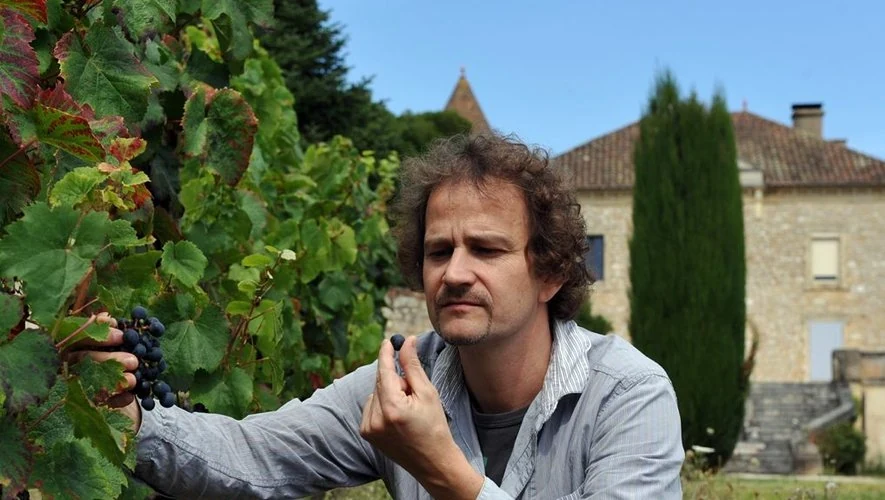
Philippe Lejeune’s formation runs through Château de Chambert in Cahors, France, the house he has owned and operated since 2007 and where he works as owner and winemaker. The lineage is agricultural before it is stylistic: hand work in the vines, parcel-by-parcel attention in the cellar, and Malbec shaped toward fine, elegant terroir-driven wines.
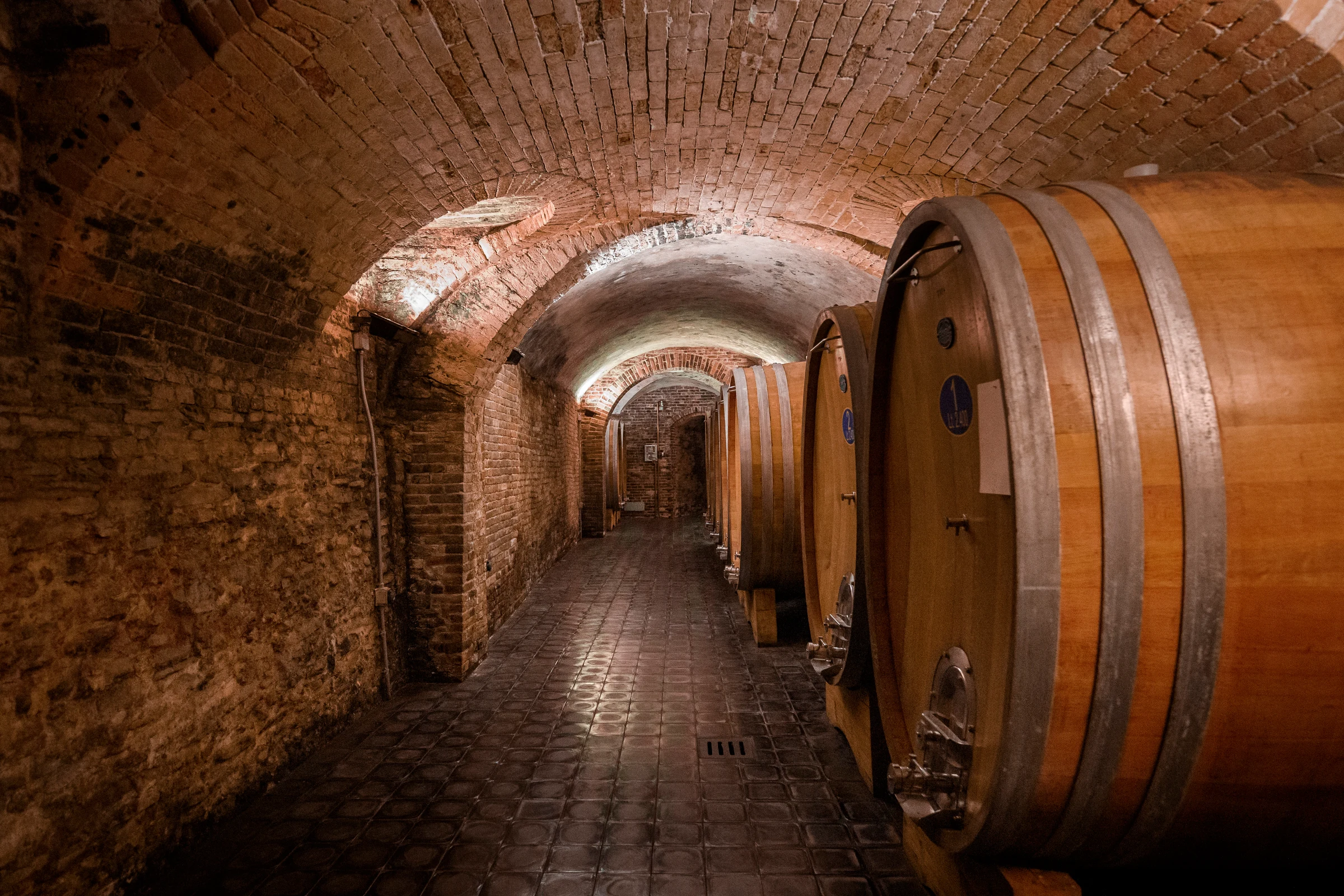
The Training At the estate, discipline begins before fermentation. Grapes are hand-harvested, meticulously sorted, and vinified parcel by parcel, a sequence that treats each plot as its own inheritance rather than as one blended harvest. The aim is direct: produce high-quality fine wines. That phrase becomes concrete in the cellar, where indigenous yeasts and low levels of SO2 are used to showcase the estate’s terroirs and grape quality rather than conceal them. With Lin Liu, Lejeune uses large 30-hectolitre oak foudres for Malbec, a choice made to avoid overpowering fragrant fruit and subtle limestone minerality. In that decision, the vessel is not decoration; it is restraint, built large enough to let the fruit and soil remain audible.
The Lineage The vineyard’s modern chapter is also a certified one. The estate received organic certification in 2012 and biodynamic certification in 2015, and its viticulture is certified in both Organic and Biodynamic practices by Ecocert and Demeter. Lejeune has described the biodynamic direction in emotional as well as technical terms: “This encourages us to continue our activity by working our vineyard biodynamically in order to produce the most delicate and refined terroir wines, vibrant with emotion, far from Cahors clichés.” Recognition followed the same year as the biodynamic certification. In 2015, Decanter included Château de Chambert among its Top 50 wines of the world tasted, and Bettane et Desseauve named one of its wines among the wines of the year. En Magnum also recognized the estate with best Malbec of the world. For a Cahors producer, those honors sit inside a longer conversation about Malbec: power held in check, fruit kept fragrant, limestone allowed to speak. Lejeune’s work reads less like a break from tradition than a careful inheritance, carried through organic and biodynamic farming and through cellar choices that refuse to drown the vineyard’s voice.
The Table The signature cuvée is Grand Vin 2018, a 100% Malbec from old vines in Floressas, France, with 12–18 years of ageing potential. The Cahors ‘Grand Vin’ comes from the estate’s oldest vines and spends 18 months ageing in oak, tying the bottle’s structure to both vine age and cellar patience. Les 3 Terres 2019 offers another reading of place: a Cahors AOC red described as a blend of the causse’s three soils, with 10–15 years of ageing potential. Together, the two wines give Lejeune’s work its family grammar — old vines, identified soils, measured oak, and Malbec made to carry terroir rather than weight alone.
FAQ What tradition or house shaped Philippe Lejeune? Château de Chambert shaped his work through hand-harvested grapes, parcel-by-parcel vinification, indigenous yeasts, low SO2, and Organic and Biodynamic viticulture.