For One Last Cast on June 18, Michael Cimarusti and executive chef Sam Baxter will return to an old Connie & Ted's preparation: Angels on Horseback, oysters wrapped in bacon, broiled, then served with toast and Champagne beurre blanc. The sold-out dinner is $175, and it lands just before Cimarusti and his wife and partner, Crisi Echiverri, close the West Hollywood seafood restaurant July 3 after 13 years at 8171 Santa Monica Blvd.
Cimarusti opened Connie & Ted's in 2013, eight years after Providence, to give Los Angeles a more casual and affordable way into his seafood sourcing. Providence, now 21 years old, earned its third Michelin star last year. Connie & Ted's worked another register: fried clams, chowders, clam cakes and lobster rolls built from never-frozen lobster. Cimarusti and Echiverri point to inflation, West Hollywood labor costs, higher seafood prices and a drop in sales after the pandemic, the 2023 entertainment-industry strikes and the 2025 fires.
Why Cimarusti and Echiverri are closing now
A lobster roll that once sold for roughly $25 now sits inside a harsher equation. When Connie & Ted's opened, summer lobster could cost the restaurant $4 or $5 per pound; now the same product costs more than $15 per pound. Cimarusti has said he cannot charge $75 for the roll, even though that would follow the increase cleanly. The current price is $39.
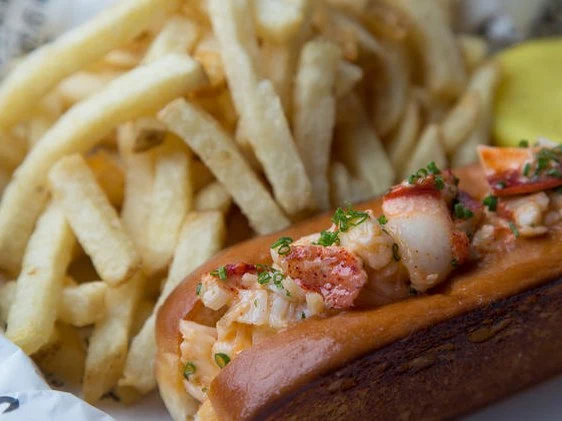
That arithmetic sits at the center of the closure. Wild seafood moves with water temperature, spawning, overfishing and other forces outside a chef's control. Labor adds its own pressure: West Hollywood's minimum wage for non-hotel employees is $20.25, among the highest in the country. A restaurant built around shellfish cannot simply sand down the cost without changing the food.
Cimarusti built Connie & Ted's to treat casual seafood as real craft rather than a softened version of fine dining. He named the restaurant for his grandparents, Constance and Edward, and built it around the New England cooking of his Rhode Island childhood. "I wanted to be able to re-create that food here in Los Angeles and do it the right way, without any shortcuts, and making everything from scratch, and using the finest-quality ingredients that we can buy," he said. "I feel like that cuisine deserves it."
For years, diners answered that discipline. The restaurant appeared on multiple L.A. Times 101 lists, and some guests still came once or twice each week. Jonathan Gold wrote in 2013 that the restaurant was "neither a chefly interpretation of a Rhode Island clam shack nor a fantasia on the theme of New England seafood," adding that "there may be no restaurant in Los Angeles that treats its oysters with more reverence."
How Cimarusti and Baxter held the kitchen
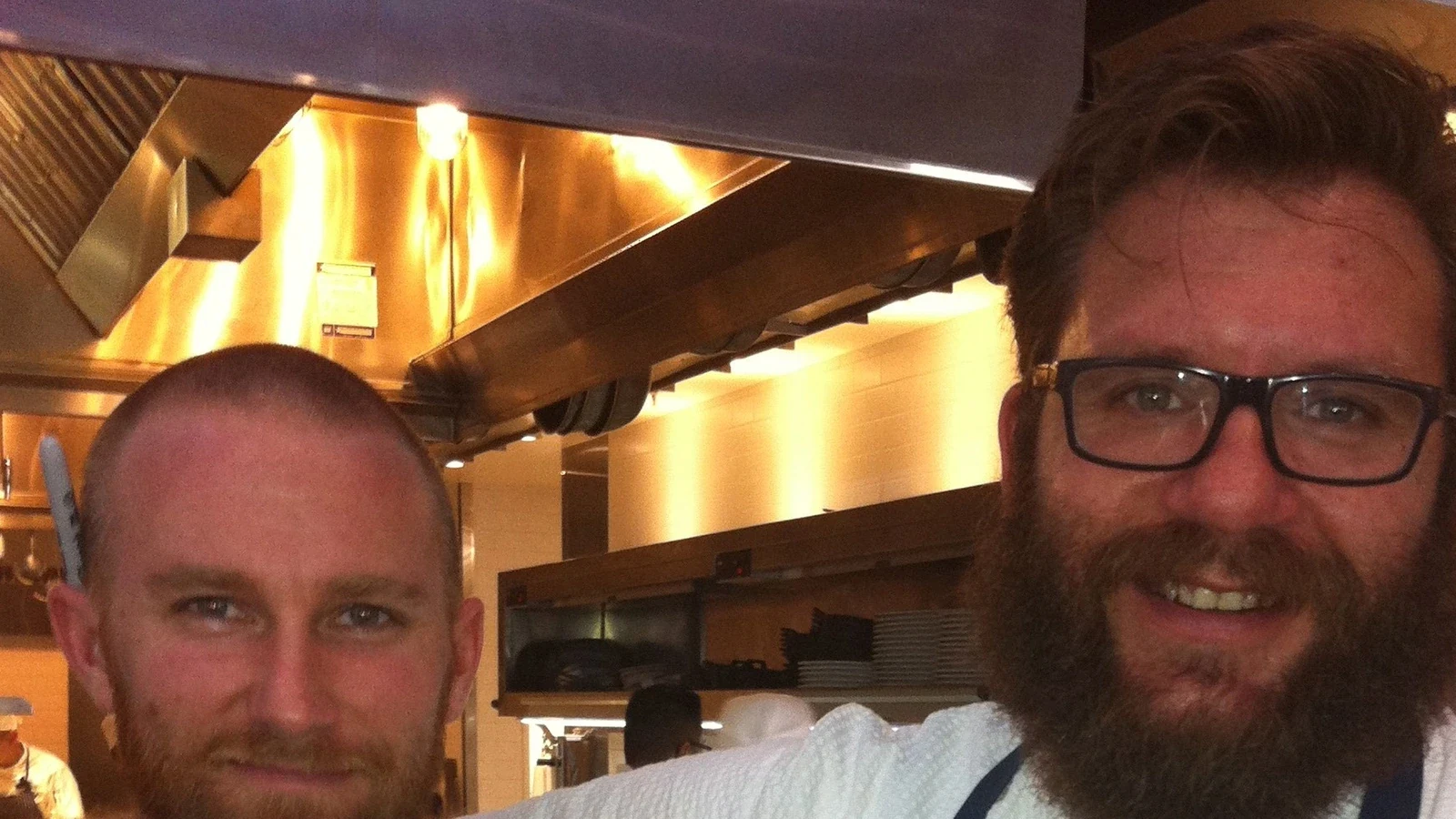
At the pass, the work belonged to Cimarusti and Baxter, a Providence alum who led the kitchen as executive chef. The menu asked for repetition without drift: clams fried in a narrow window, chowder held with restraint, lobster kept at the center of the roll rather than hidden by garnish or dressing.
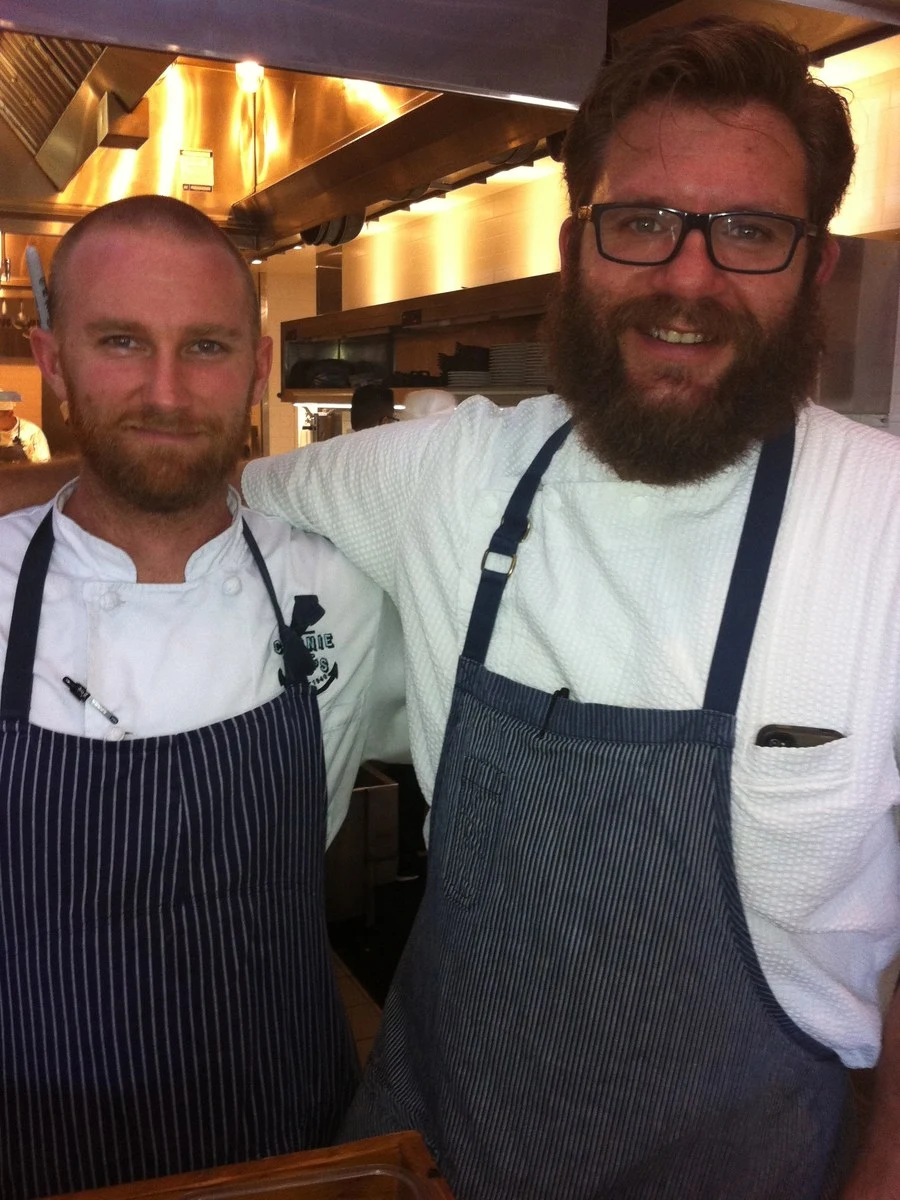
The restaurant's "no shortcuts" philosophy reached into the prep list. Breadcrumbs and crackers were made from scratch. Lobster came fresh from Gloucester, Mass., then landed on fluffy, griddled rolls. The kitchen also served clam cakes from a handwritten recipe by Cimarusti's grandmother, found on the back of a fish-shop receipt.
That dish carried a specific memory. During childhood summers at Scarborough State Beach in Narragansett, R.I., Cimarusti would walk to a small shack, buy a half-dozen clam cakes in a brown paper bag and share them with his sister on the sand. "That's the only thing that's missing from the clam cake recipe at Connie's," he said. "There's no sand."
Cimarusti, Echiverri and their business partners Donato Poto, Amy Specter Nickoloff and Craig Nickoloff converted the longtime Silver Spoon diner, overhauling the plumbing and electricity of the building founded in 1930 and adding a raw bar. The craft was in the conversion as much as the cooking: a diner made to hold oysters, chowder and the pace of a seafood house.
What Cimarusti and Echiverri see happening in the middle
"People dine differently now," Echiverri said. "Now, instead of going to a mid-priced restaurant like Connie & Ted's, they'll just order in." That shift cuts hardest in the middle: restaurants with table service, real prep, perishable ingredients and slimmer margins than tasting-menu rooms.
Providence remains regularly booked. Connie & Ted's occupied the space between fast-casual service and destination fine dining, where volume often makes the model work. When traffic softens, the cook still has to be paid, the seafood still has to be bought and the prep still has to happen before the first guest sits down.
Los Angeles has already seen that pressure move across the dining room. Within the first five months of the year, notable closures included Cole's, Socalo, Taix, DTLA Cheese, Rao's and Fat & Flour's Grand Central Market location. "This is a reckoning that we're seeing here in Los Angeles," Cimarusti said.
Cimarusti and Echiverri spent the winter quietly looking for a buyer while they tried to keep the restaurant alive. By spring, they had made the decision to close. "It's a restaurant that we put lots of work into, lots of capital into, and it operated very successfully for quite a long while," Cimarusti said. "We just didn't have a choice anymore."
The final weeks for Cimarusti and Baxter at 8171 Santa Monica Blvd.
Late May brought a full dining room. Regulars returned; others came back after years away. Waiting guests spilled from the foyer onto the front patio, many ordering one last lobster roll, fried clams or bowl of chowder before the restaurant bows out.
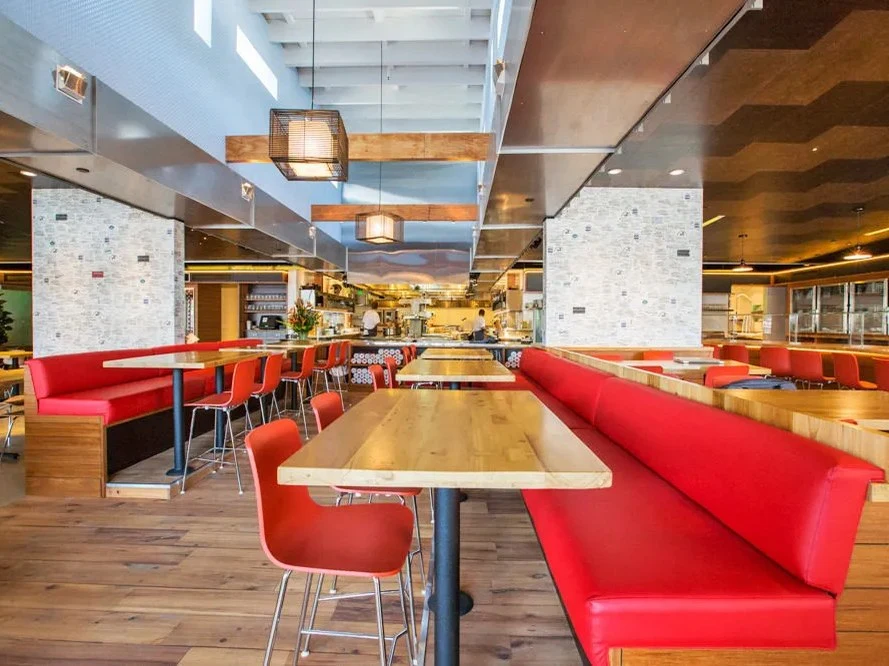
Cimarusti and Echiverri are grateful for the rush after the announcement, but they hope the visits continue through June rather than arriving only in the first wave of farewell energy. A packed room at the end can honor the work. It cannot erase the prolonged loss of business that made the decision unavoidable.
Connie & Ted's remains open Wednesday and Thursday from 5 to 9:30 p.m.; Friday and Saturday from 11:30 a.m. to 3 p.m. and 5 to 10 p.m.; and Sunday from 11:30 a.m. to 3 p.m. and 5 to 9 p.m. through closing day.
What Cimarusti and Echiverri leave behind
The test after Connie & Ted's will be whether Los Angeles can still sustain restaurants that cook with this level of buying, prep and labor outside the tasting-menu economy. The format asks diners to return regularly, not just admire the idea of the place once it is leaving.
Cimarusti and Echiverri held two kinds of seafood work in the same city: Providence at the formal end, Connie & Ted's in the language of chowder, shellfish and rolls. The second room made the craft easier to enter, not easier to execute.
After the last service, the pressure remains with every operator trying to hold that middle. The invoices will still arrive first. The hands will still matter. And the dish, if it is made without shortcuts, will still tell the truth about what it costs.