Will Murphy's method is two glasses: Nikka Miyagikyo beside Nikka Yoichi, one producer shown through contrast rather than a single pour asked to carry the whole lesson. Ten bar and beverage professionals point to nine Japanese whiskies where the work in the liquid can meet the cost, each selection reflecting the professional's judgment about when a splurge becomes a teaching bottle. Their picks: Yamazaki 18-Year-Old Single Malt, Hibiki 21-Year-Old Blended, Yamazaki 12-Year-Old, Ichiro's Malt & Grain 111, Nikka Miyagikyo, Nikka Yoichi, Akkeshi Distillery Taisho, Karuizawa 1981 Bot.2014 Sherry Cask, and Shibui Grain Select Whisky.
Japanese Whisky Splurge Bottles at a Glance
| Name | Known for | Role |
|---|---|---|
| Yamazaki 18-Year-Old Single Malt (Jae Yoon) | Spanish sherry cask depth with a mizunara oak finish | General manager, Omakase Shoji & Izakaya, Chicago |
| Hibiki 21-Year-Old Blended (Jae Yoon) | Blending built around balance, oak, fruit, and spice | General manager, Omakase Shoji & Izakaya, Chicago |
| Yamazaki 12-Year-Old (Ryan Chetiyawardana) | A distillery benchmark shaped by tropicality, spice, and mizunara oak | Founder, Silver Lyan, Washington, D.C. |
| Ichiro's Malt & Grain 111 (Nick Moone) | A 111-proof world whisky vatted in Japan | Wine director, 1789 Restaurant, Washington, D.C. |
| Nikka Miyagikyo (Will Murphy) | The gentler half of a Nikka side-by-side tasting | General manager, The Falls, Falls Church, Va. |
| Nikka Yoichi (Will Murphy) | The coastal, structured counterpoint to Miyagikyo | General manager, The Falls, Falls Church, Va. |
| Akkeshi Distillery Taisho (Koharu Usui) | Japanese peat handled with restraint in the 24 Sekki series | Head bartender, Bar Goto, New York City |
| Karuizawa 1981 Bot.2014 Sherry Cask (Phoebe Doran) | A 63.4 percent ABV sherry-cask whisky from a closed distillery | Head of bars U.K., Hakkasan, London |
| Shibui Grain Select Whisky (Mariena Mercer Boarini) | Niigata grain whisky built from 100 percent wheat whiskies | Master mixologist, Wynn Resorts North America, Las Vegas |
Jae Yoon on Yamazaki 18-Year-Old Single Malt
Jae Yoon, general manager at Omakase Shoji & Izakaya in Chicago, starts with Yamazaki 18-Year-Old Single Malt, naming it the old standard of Japanese single malts. The structure is clear before the glass is raised: one malt whisky, 18 years, and a cask regimen that includes Spanish sherry wood.
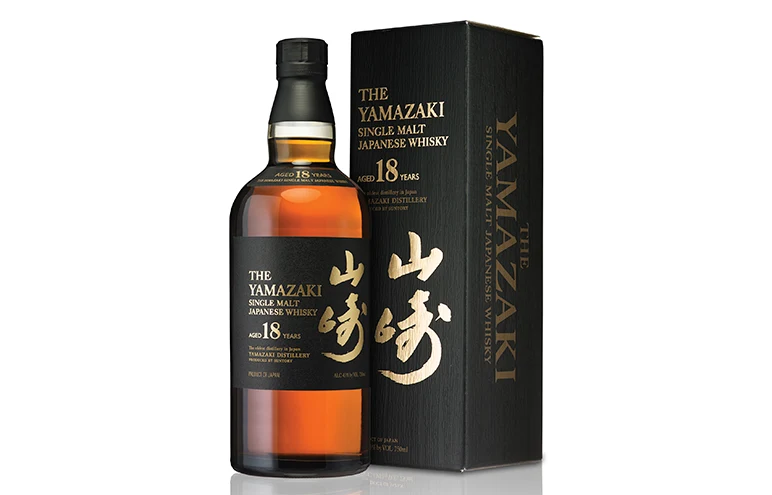
That sherry influence brings the register Yoon points to, dried fruit, dark chocolate, and a rich, deep profile, while the finish carries subtle mizunara oak. The whisky's smoothness is not the point by itself; Yoon's value is in how that polish holds complexity rather than sanding it down.
For a drinker deciding where to spend, Yoon's read on Yamazaki 18 works best as a reference bottle. It shows what time in wood can do when the distillery character still remains legible. Let it sit in the glass. The age statement has already done its slow work.
Jae Yoon on Hibiki 21-Year-Old Blended
The blender's work comes forward in Yoon's second choice, Hibiki 21-Year-Old Blended. He calls it a masterclass in blending, with sweet oak, cooked fruit, and incense-like spice arranged into a balanced whole.
Richard Sandoval, owner and restaurateur of Casa Chi by Chef Richard Sandoval in Chicago, also points to Hibiki 21, focusing on its precision as much as its rarity. In his glass, dried fruit, sandalwood, dark cherry, subtle smoke, and delicate sweetness evolve as the whisky opens.
This is where Yoon's splurge turns from age to composition. Hibiki 21 is not asking to be understood as a louder whisky. It is built on proportion: a blended whisky where the seams matter, and where restraint becomes the craft. Sandoval also values the way it works with richer dishes, amplifying food rather than overpowering it.
Ryan Chetiyawardana on Yamazaki 12-Year-Old
Ryan Chetiyawardana, founder of Silver Lyan in Washington, D.C., first encountered Yamazaki 12-Year-Old during his Edinburgh bartending days in the early 2000s, and he still treats it as one of the category's essential pours. His reason is not nostalgia alone. The whisky gives a clear view into Yamazaki, the oldest whisky distillery in Japan.
The bottle's ergonomics and design matter to Chetiyawardana, but the liquid carries the lesson: waxy depth, tropicality, and an ethereal spice shaped by Suntory's cask makeup, including native Japanese mizunara oak.
Maroje Milosevic, assistant bar manager at The Sidecar in Dublin, reads the same whisky through refinement. He points to dried fruit, gentle spice, honeyed sweetness, and delicate oak, with balance rather than heavy peat or force. Chetiyawardana and Milosevic both keep Yamazaki 12 as a working bottle for study because it can reset a drinker's sense of what depth looks like when restraint leads.
Nick Moone on Ichiro's Malt & Grain 111
Nick Moone, wine director at 1789 Restaurant in Washington, D.C., wants the proof point: a higher-priced whisky where the cost shows up in the glass. At 111 proof, Chichibu Distillery's Ichiro's Malt & Grain 111 gives him that. The blend brings together Scotch, rye, Irish, American, and Japanese whiskies, then vats them in Japan without turning heavy or sweet for its own sake.
Moone finds cola, shortbread, candied citrus, tropical fruit, and enough peat smoke to keep the structure alert. The term "world whisky" is useful here because it names the architecture rather than blurring it.
The bottle also asks for practical judgment. Moone frames it as worth the extra spend when it can be found. That scarcity should not be the only reason to order it; the reason is the blend's range, held at strength without losing balance.
Will Murphy on Nikka Miyagikyo
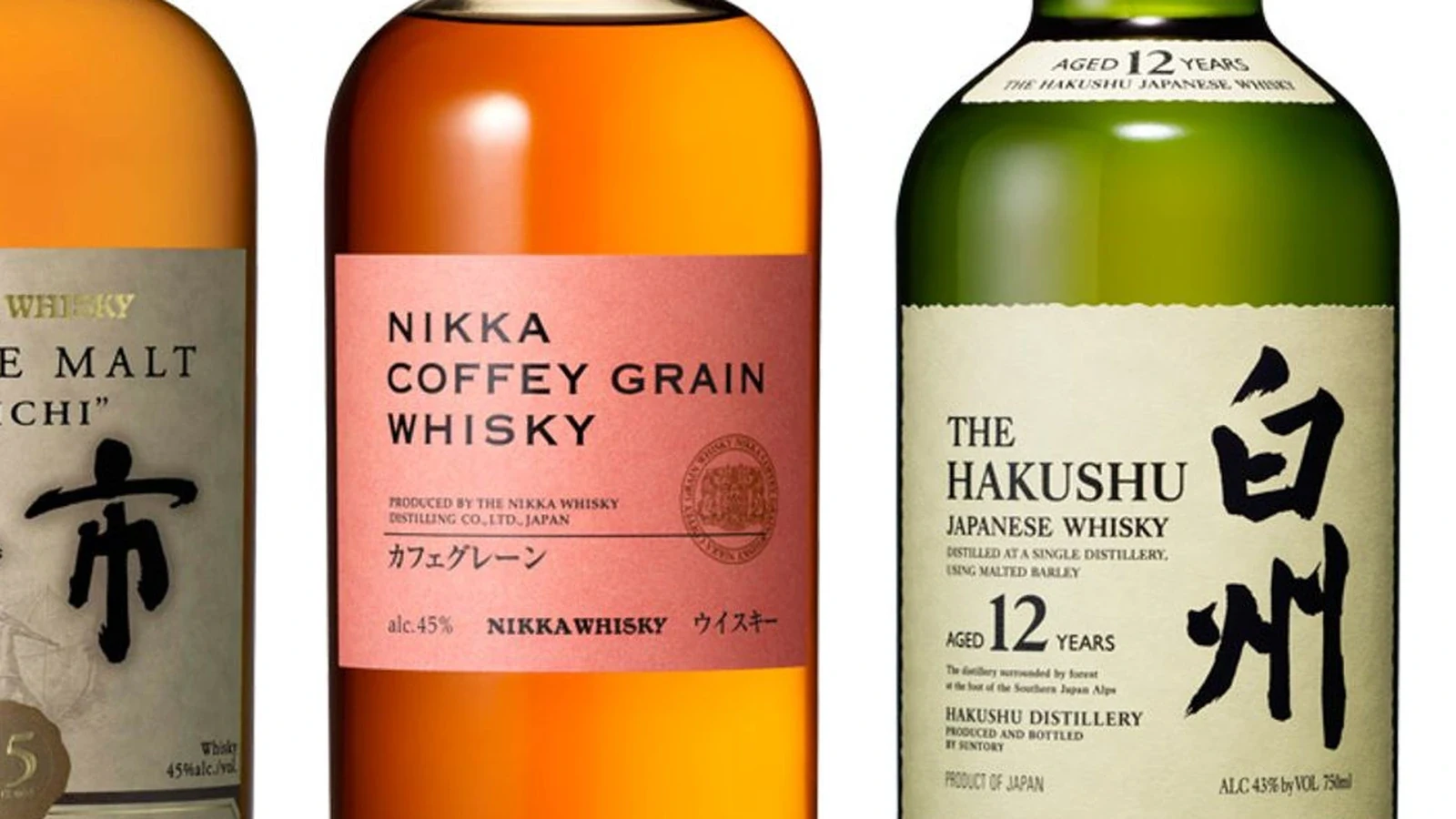
Will Murphy, general manager of The Falls in Falls Church, Va., uses Nikka Miyagikyo with Yoichi to show range inside one producer's work. Pear, honey, floral notes, and gentle baking spice mark Miyagikyo in his side-by-side tasting. Produced in a lush valley in Miyagi Prefecture, it gives the softer half of the Nikka comparison, built around orchard fruit.
Murphy's format matters. One glass alone can become a label. Two glasses, tasted back and forth, become a method.
Start with Miyagikyo when you want delicacy to set the baseline. Then let the second glass revise it. Murphy's lesson is not which Nikka wins; the lesson is how environment, production, and house style can diverge without leaving the same conversation.
Will Murphy on Nikka Yoichi
On the rugged northern coast of Hokkaido, Murphy's second pour takes a different shape from Miyagikyo. He points to earthy malt, roasted nuts, richer oak character, subtle peat smoke, and a coastal salinity that gives Nikka Yoichi more structure.
Richard Molero, manager of Lobby Bar at the Tampa EDITION in Tampa, Fla., also singles out Yoichi Single Malt. He likes it neat or as a highball with a lemon twist, noting heavy vanilla and toasted caramel on the nose, bright fruit at the front of the palate, and a peaty finish with refined weight.
Placed beside Miyagikyo, Murphy's Yoichi changes the tasting from possession to comparison. Smell one, then the other. Taste one, wait, return. The repetition is where the work appears.
Koharu Usui on Akkeshi Distillery Taisho
Koharu Usui, head bartender at Bar Goto in New York City, finds the fog and cool air around Akkeshi distillery reminiscent of Scotland, and that climate matters to the whisky. The distillery uses local Japanese peat and draws inspiration from Islay styles, but Usui values the balance: peat present, rarely the main character.
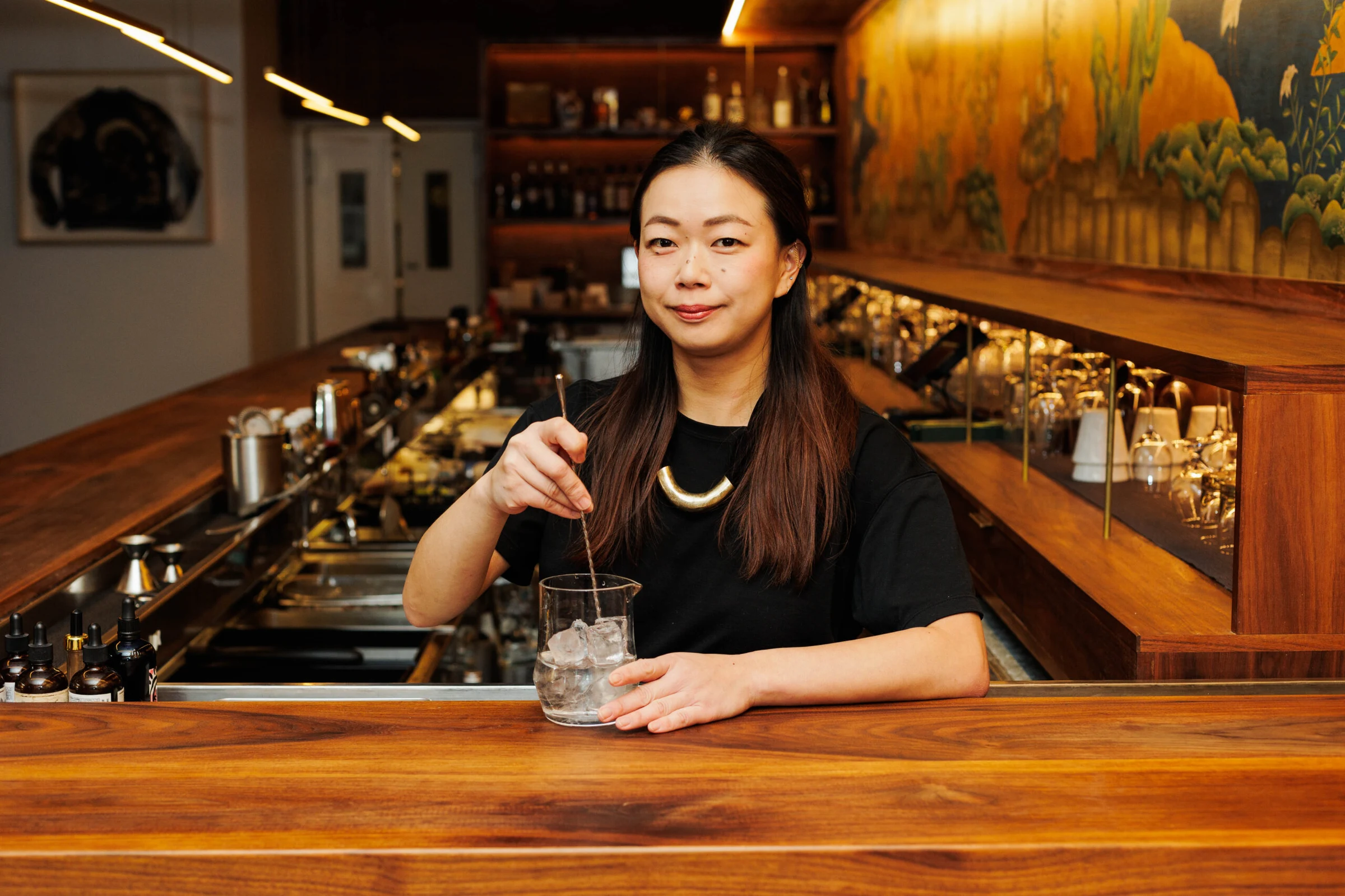
Her choice is Taisho, a bottle in Akkeshi's 24 Sekki series, which takes its frame from the idea of 24 micro seasons within the year. Usui connects the faint smoke to the end of an elaborate firework display at a summer festival, and the label takes inspiration from traditional yukata.
The appeal here is not brute smoke. It is control. Usui reaches for Akkeshi Distillery Taisho when the drinker wants peat handled as seasoning, not volume.
Phoebe Doran on Karuizawa 1981 Bot.2014 Sherry Cask
The label reads like cellar notation: Karuizawa 1981 Bot.2014 Sherry Cask. Phoebe Doran, head of bars U.K. at Hakkasan in London, names it as her favorite Japanese whisky, drawn first by the sherry-cask profile and then by the rarity of a distillery that closed many years ago.
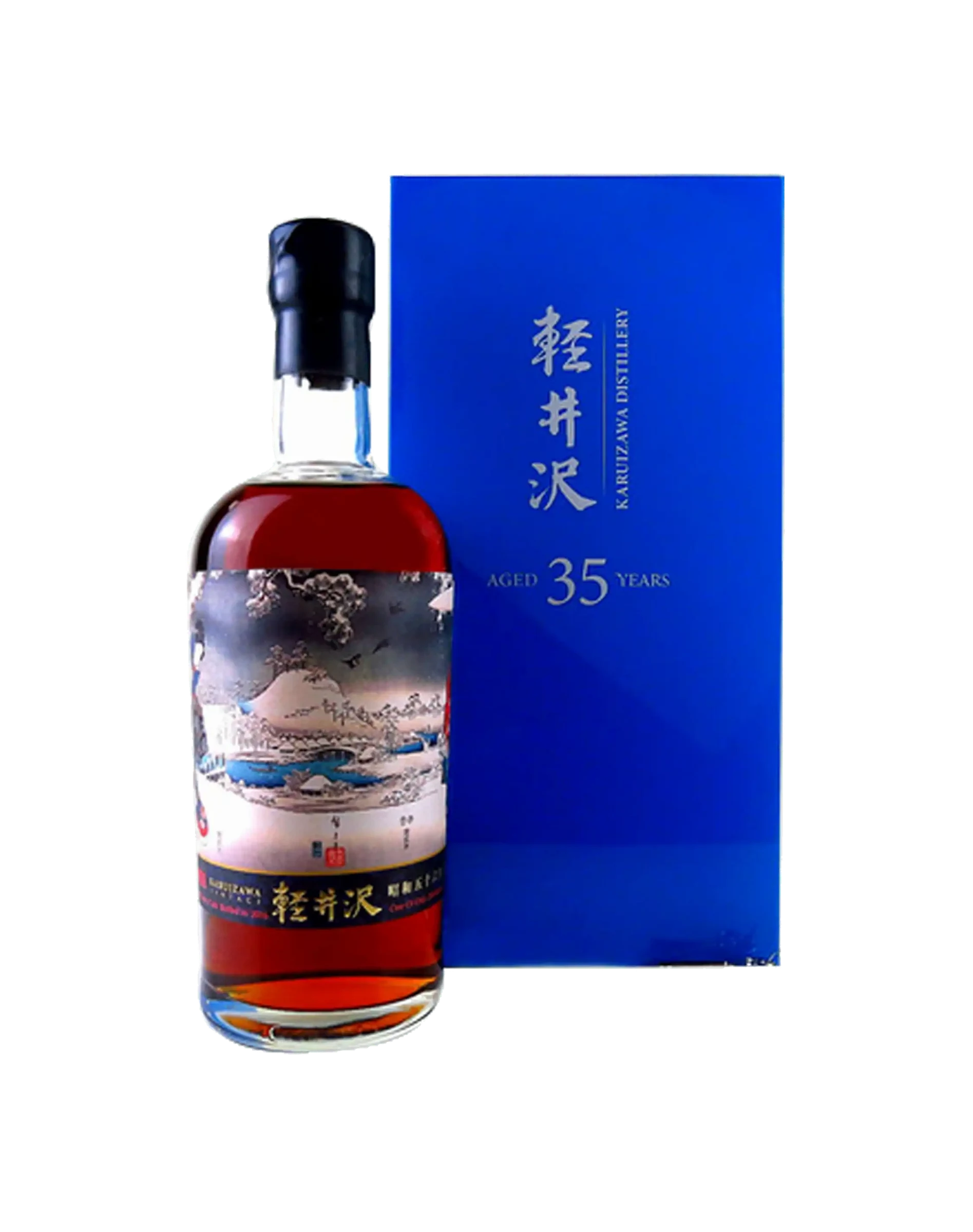
Sherry cask maturation gives the whisky its deep richness, luxurious texture, and complexity. Doran finds dried fruits, dark cherries, raisins, chocolate, and sweet spice, with a long palate presence after entry.
The number that must not be missed is 63.4 percent ABV. Power at that level can dominate; Doran's point is that this whisky remains smooth and balanced despite it. The splurge is inseparable from the dates, the cask, the closed distillery, and the strength in the glass.
Mariena Mercer Boarini on Shibui Grain Select Whisky
Mariena Mercer Boarini, master mixologist at Wynn Resorts North America in Las Vegas, picks Shibui Grain Select Whisky from Niigata. The build is specific: 100 percent wheat whiskies aged in ex-bourbon barrels, oloroso sherry casks, and rare mizunara oak.
That combination gives the whisky sandalwood, dried fruit, soft spice, and incense-like aromatics. Grain whisky is doing the central work here, not standing in as a lesser category beside single malt.
For a drinker who keeps circling only age-stated icons, Boarini widens the frame. The craft question becomes grain, cask, and texture, how wheat whisky carries depth when the maker chooses restraint over spectacle.
How to Choose a Japanese Whisky Splurge Bottle
Age, cask, grain, proof, peat, and blending each point to a different kind of labor. Yoon shows two forms of maturity with Yamazaki 18-Year-Old Single Malt and Hibiki 21-Year-Old Blended: one through single malt structure, the other through composition. Chetiyawardana keeps Yamazaki 12-Year-Old as the bottle many serious drinkers use to understand the house. Moone brings proof and cross-category blending into the conversation with Ichiro's Malt & Grain 111.
Murphy's Nikka pairing teaches by contrast. Usui shows Japanese peat in careful measure with Akkeshi Distillery Taisho. Doran carries vintage, bottling date, cask, and high ABV in one rare pour with Karuizawa 1981 Bot.2014 Sherry Cask. Boarini keeps wheat and mizunara in view with Shibui Grain Select Whisky.
The better spend follows method, not display. Ask who made the whisky, what the cask contributes, how the blend is built, and why the bartender reaches for that bottle now. The answer should send you back to the glass.
Frequently Asked Questions About Japanese Whisky Splurge Bottles
Which Japanese whiskies are included?
The nine whiskies are Yamazaki 18-Year-Old Single Malt, Hibiki 21-Year-Old Blended, Yamazaki 12-Year-Old, Ichiro's Malt & Grain 111, Nikka Miyagikyo, Nikka Yoichi, Akkeshi Distillery Taisho, Karuizawa 1981 Bot.2014 Sherry Cask, and Shibui Grain Select Whisky.
How many bottles are covered?
There are 9 whisky names, with recommendations from 10 bar and beverage professionals.
Who are the professionals behind the picks?
They include Jae Yoon, Ryan Chetiyawardana, Nick Moone, Will Murphy, Koharu Usui, Phoebe Doran, Mariena Mercer Boarini, Richard Sandoval, Maroje Milosevic, and Richard Molero.