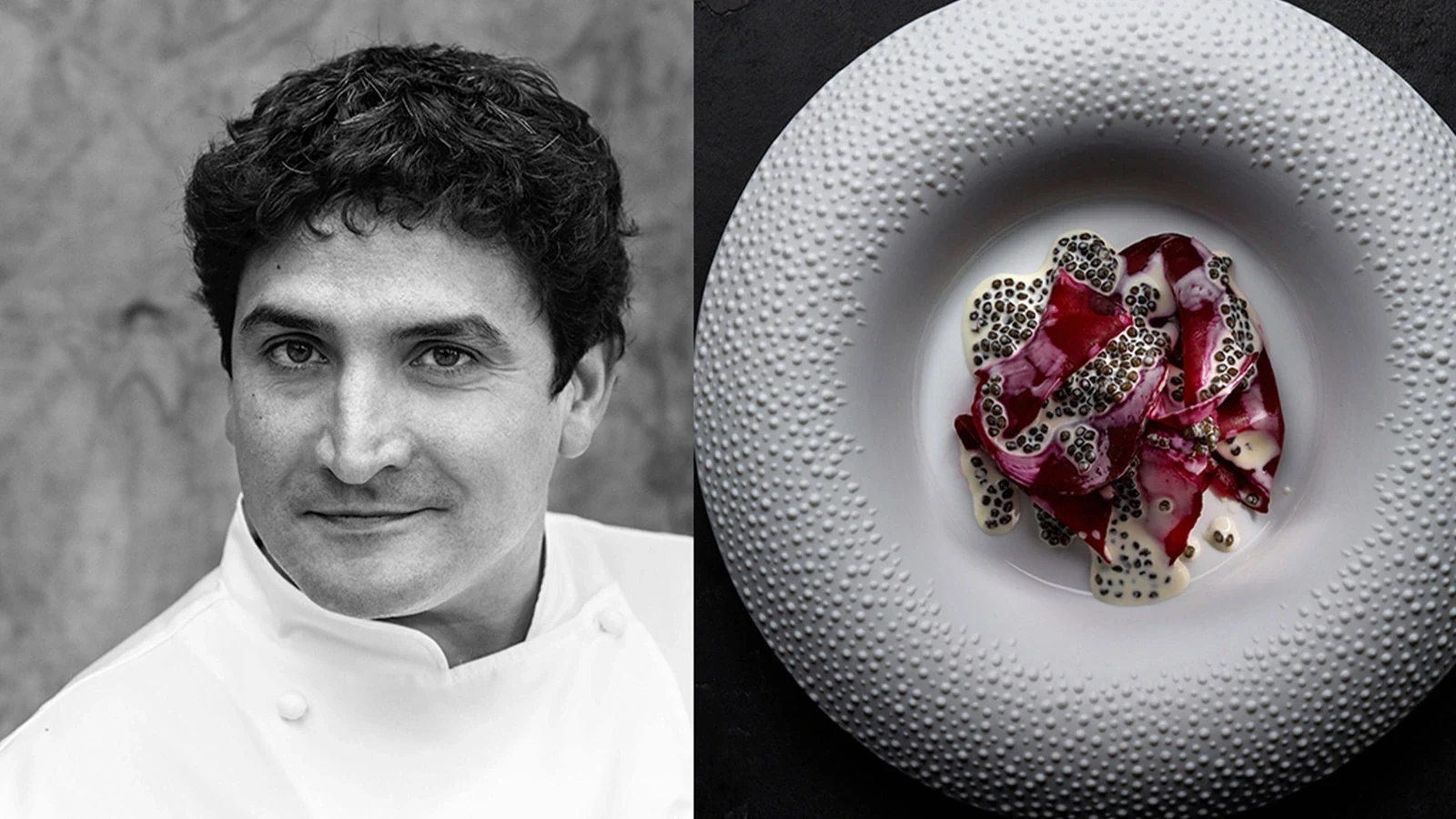
As Mirazur turns 20, Mauro Colagreco traces the Riviera through Niçoise stews, hand-made ravioli, alumni kitchens, and fior di latte.
HM
Director of Editorial Standards
Hugo Marchetti
Filed July 27, 2026
11 min read
In Pigna, an 86-year-old cook still makes artichoke ravioli by hand; Mauro Colagreco crosses the border for that kind of work. His Riviera begins at Mirazur in Menton, but it moves outward through Niçoise dough enriched with olive oil, stewed meat, calamari ink, shellfish sauce, Champagne emulsion, and fior di latte that does not leave the body heavy.
Colagreco, the Argentine chef behind three-Michelin-star Mirazur, has spent two decades cooking between the sea and the mountains, with France on one side and Italy close enough to shape the table. The people he returns to include Dominique Le Stanc in Nice, the kitchen at Ristorante Trattoria, Terme in Pigna, Antonio and Valentina Buono in Ventimiglia, Florencia and Lorenzo in Nice, and Le Paradis de la Glace in Roquebrune-Cap-Martin.
The Sunday letter
Get our new stories in your inbox every Sunday.
One email with our newest profiles and guides. See a sample before you subscribe.
Mirazur was Colagreco’s first restaurant. That gives his choices weight. He built his language in Menton, through seafood, herbs, border traffic, and old recipes that ask for restraint rather than force.
"It's where I found my kitchen, and myself: Mirazur was my first restaurant, and a place where I could experiment while also tapping into the region's rich gastronomic tradition."
Mauro Colagreco
Experiment, for Colagreco, does not mean rupture. He keeps returning to cooks who know how to protect a dish’s line: tomato on tart dough, ravioli thin enough to yield, fish supported by shellfish, milk frozen without heaviness. The through-line is proportion.
Mirazur at 20 and Ferran Adrià in April and May
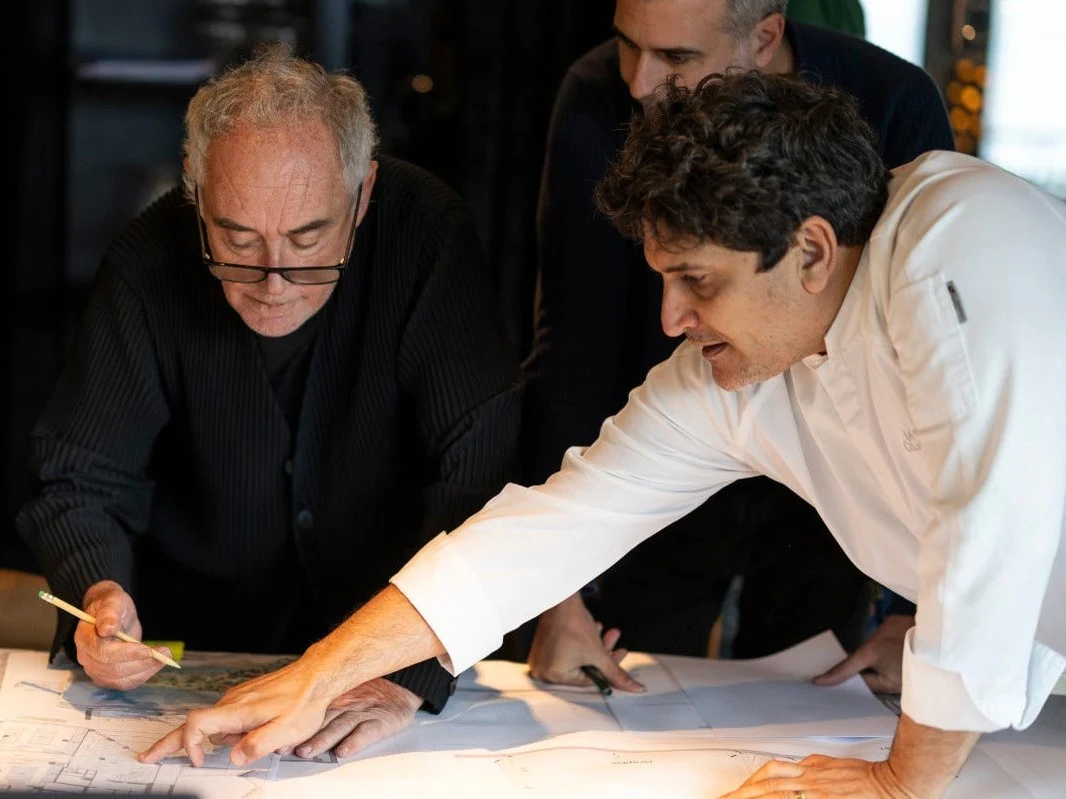
Mirazur marks its 20th anniversary with a special collaboration menu in April and May. Ferran Adrià, the Spanish chef of El Bulli, joins Colagreco in the kitchen and brings his molecular approach to Mirazur’s iconic dishes, reworking the emblematic menu with nostalgia for loyal diners.
Three people examining architectural plans on a table.
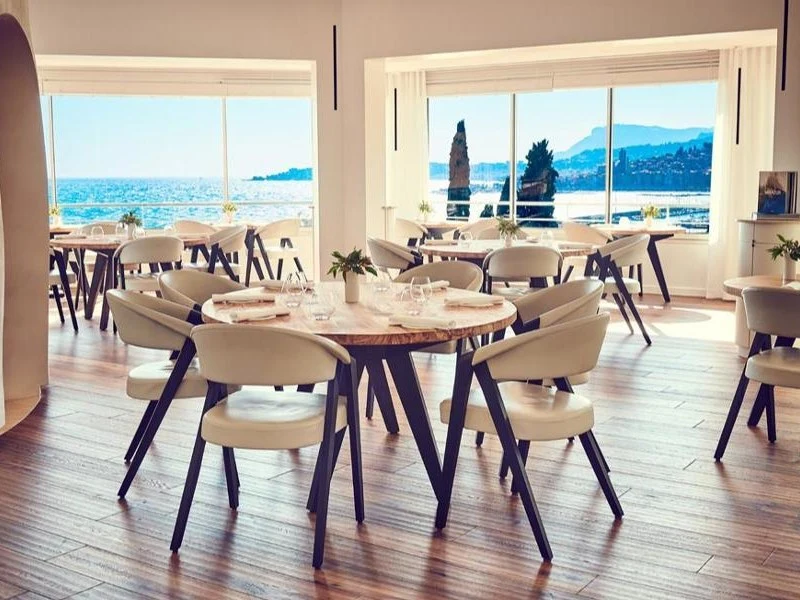
The anniversary sharpens the restaurant’s original condition: Mirazur sits in Menton, in the French Riviera’s seam between ocean and mountains, with the Italian Riviera close by. The plates continue to draw from Mediterranean seafood, hinterland herbs, and a regional habit of keeping flavor clear.
The Refinement He Finds in Rustic Food
Colagreco’s clearest definition of the Riviera comes through weight. Rustic food, in his reading, does not license bluntness. Even the simplest plate has to know when to stop.
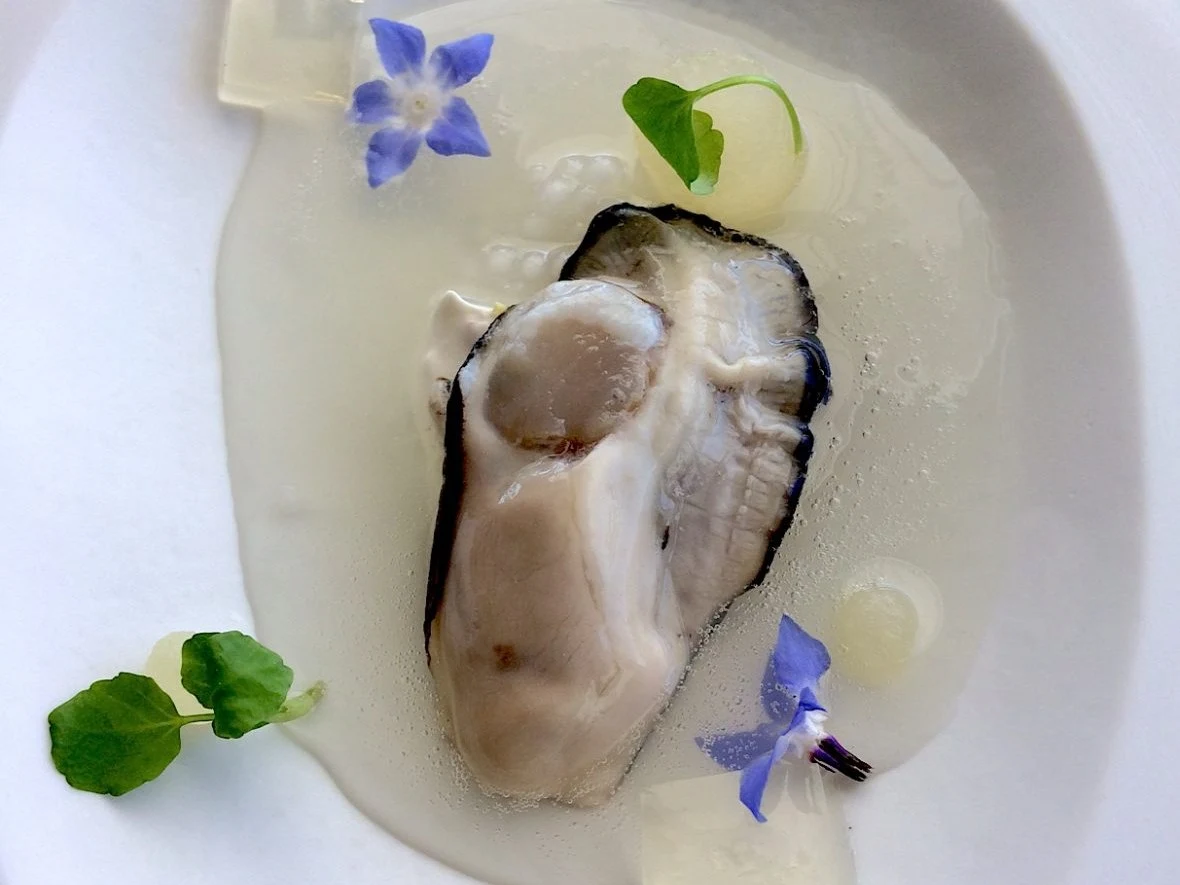
Oyster on a plate with edible flowers and a clear liquid.
"Even when there are rustic dishes, there is a refinement to every recipe. Flavors of seafood are never too strong, the plates are never too heavy."
Mauro Colagreco
That sentence explains the kitchens he seeks out when he steps away from Mirazur. A stew should not collapse under its own reduction. Seafood should keep its edge. A spoonful of frozen milk should finish cleanly.
Dominique Le Stanc After Le Negresco
At La Merenda in Nice, Dominique Le Stanc cooks classic Niçoise food in an 18-seat room. Before buying the small restaurant, which had belonged to a traditional family from Nice, he earned two Michelin stars at Le Negresco and led 50 cooks at the hotel.
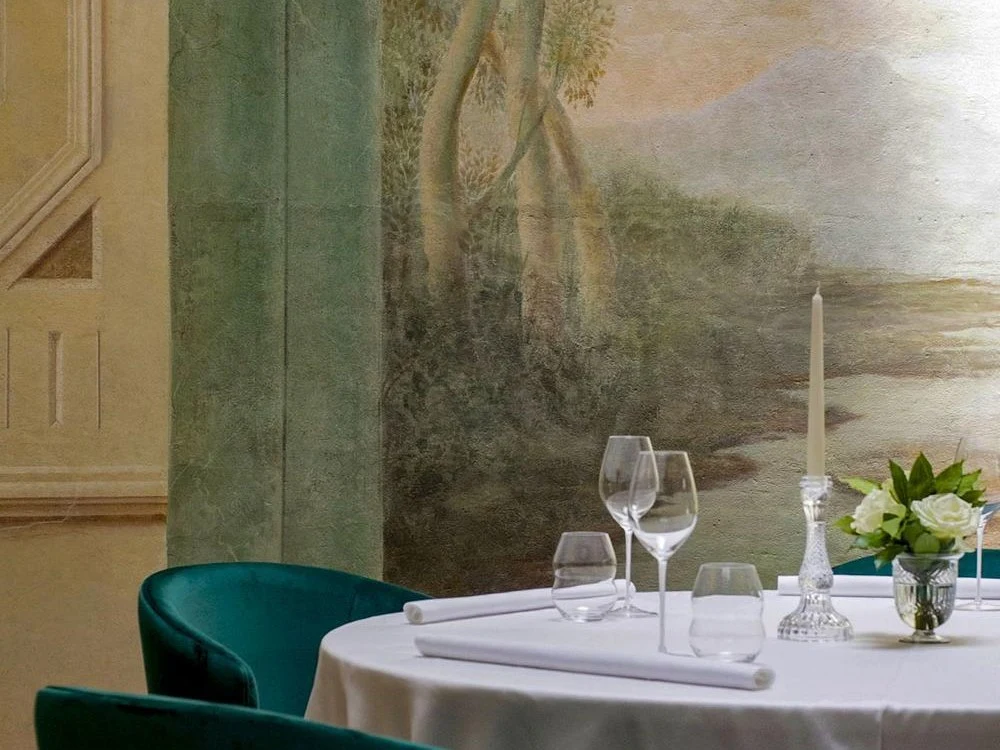
An elegant dining room with a round table set for service, featuring teal velvet chairs, white linens, wine glasses, and a scenic mural of cypress trees and landscape in the background.
Colagreco orders pichade and daube Niçoise there. Pichade is a regional tart built on tomato and a dough made with olive oil; it can resemble pizza from a distance, but the dough changes the register. Daube Niçoise works on a slower clock, with stewed meat carrying time, heat, and seasoning in a single line.
Between May and early June, Le Stanc makes a cherry dessert that Colagreco prizes for its restraint: macerated fruit, a little cream, mint, and nothing more. The cooking stays steady because the same dishes return, made with high-quality products and firm technique.
Pigna, Terme, and the Hand-Made Artichoke Ravioli
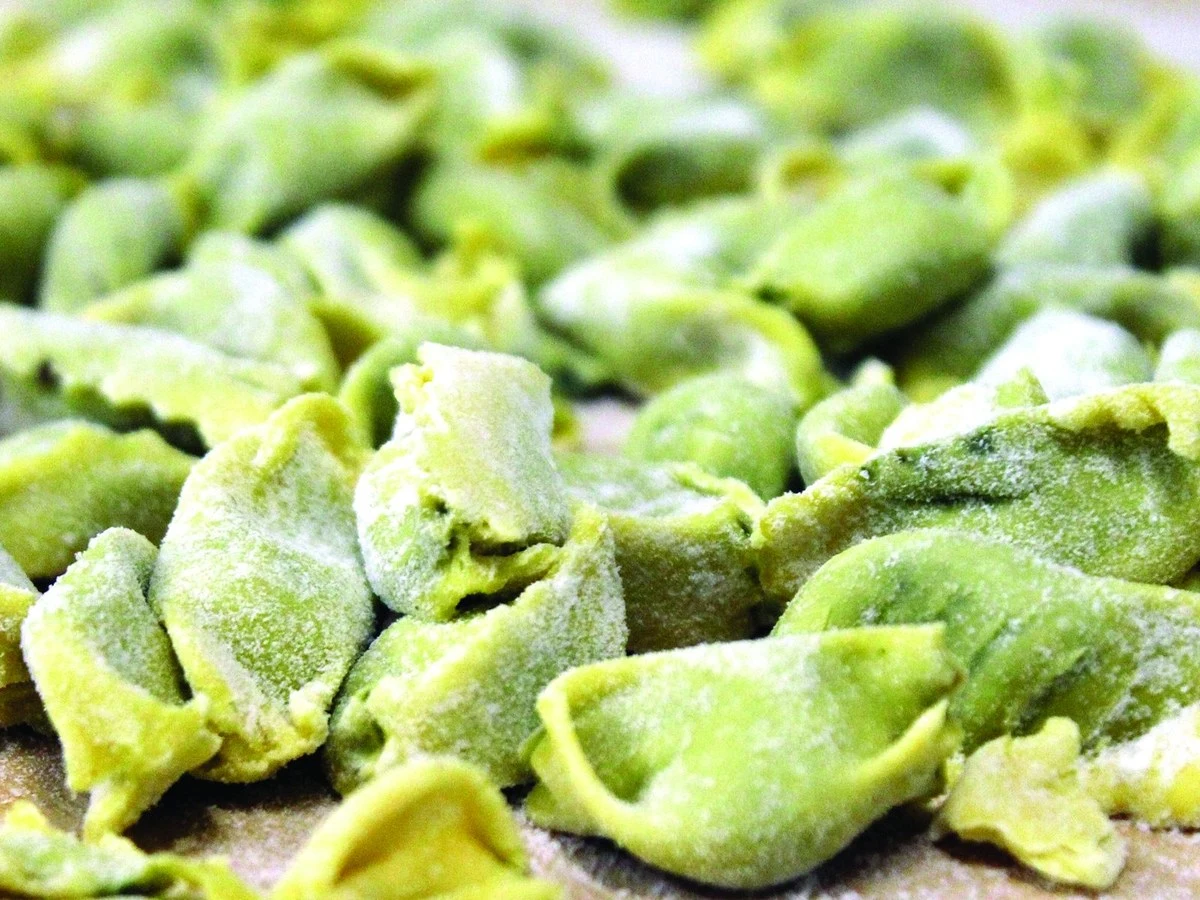
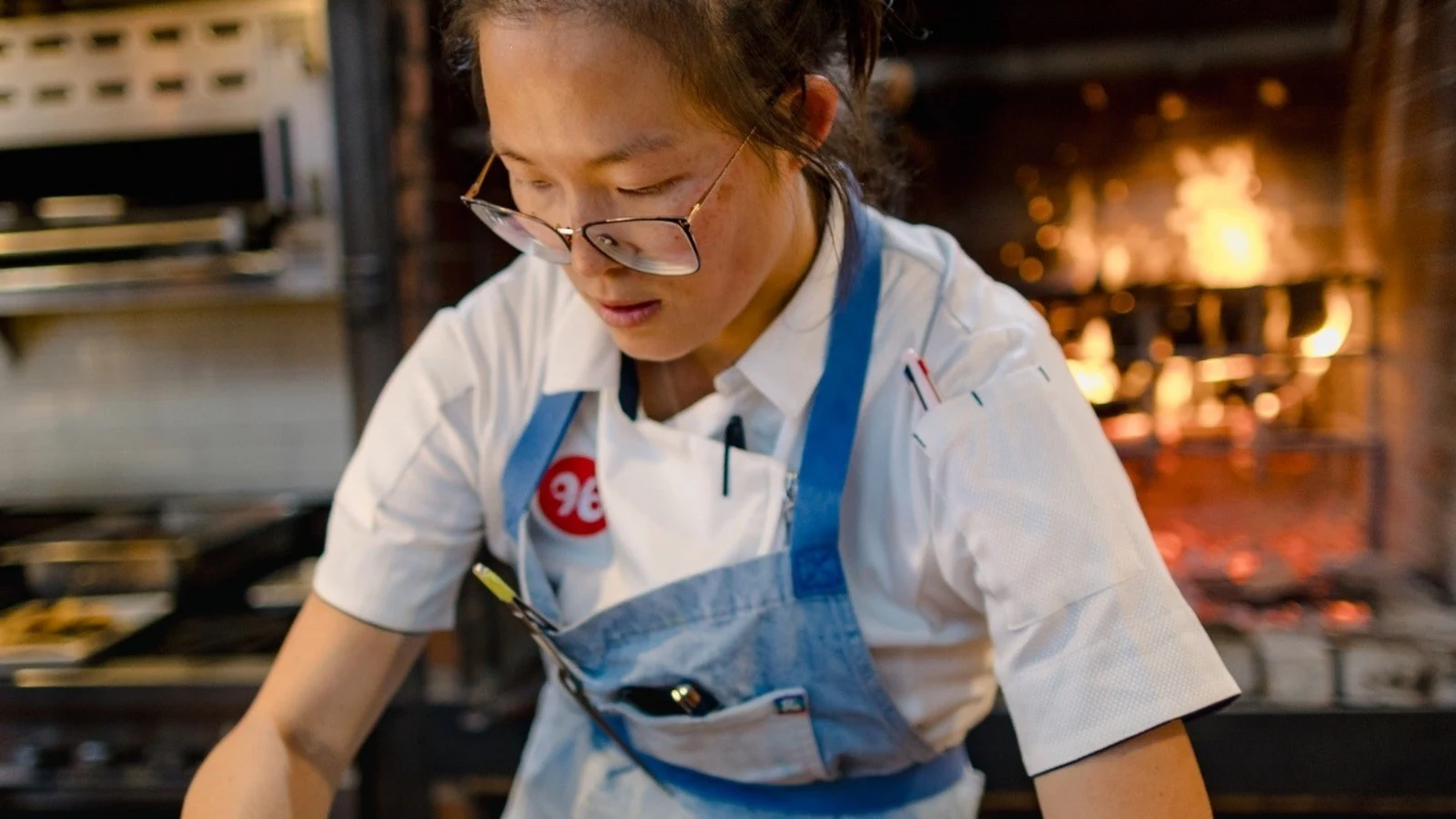
Ristorante Trattoria, Terme sits on the Italian side, in the small town of Pigna. The woman cooking there is under 5 feet tall, still full of energy, and still makes all the ravioli by hand.
Green pasta pieces on a wooden surface.
The artichoke ravioli is the dish Colagreco marks first. Tenderness matters here: the pasta has to give when bitten, but not fail before it reaches the mouth. He often orders two or three different pastas, though the kitchen serves other dishes as well.
Reservations are not necessary, but Colagreco suggests calling before making the drive to confirm the kitchen is open. Food this dependent on a person’s hands is never abstract. Someone has to be there, rolling, filling, sealing, cooking.
The Mirazur Alumni Orbit
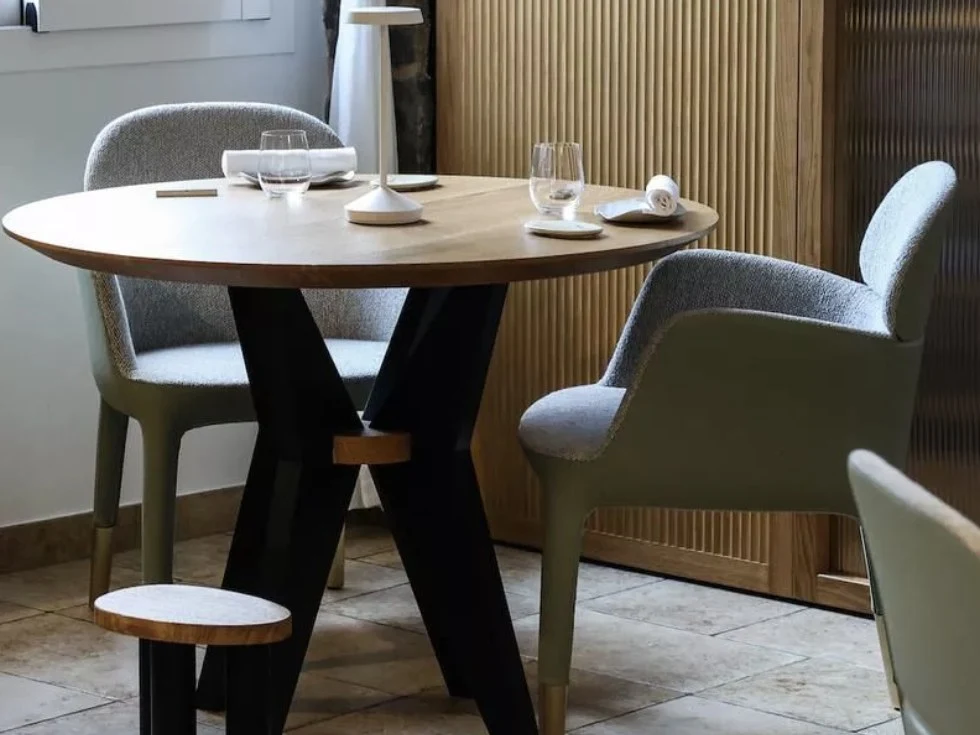
Casa Buono in Ventimiglia opened a few years ago. Antonio and Valentina Buono both worked at Mirazur, met there, married, and now have two children. Their restaurant holds one Michelin star; Colagreco expects a second to follow.
Dining table with two chairs and glassware in a modern interior.
Their kitchen draws on products from the surrounding valley, with a menu he reads as refined and deeply flavored. The dish he singles out is calamari with a sauce made from its ink. It belongs to the calendar: February to April, then again in October and November, when calamari season makes the plate possible.
Onice in Nice comes from another Mirazur line. Florencia, once head of kitchen at Mirazur, opened it two years ago with Lorenzo, a chef she met there. She is Argentinean; he is Italian. Colagreco points to spiny artichoke with glazed veal sweetbreads, and local fish with shellfish sauce and Champagne emulsion.
He also names the labor behind the restaurant plainly. Florencia cooked until the last stretch of pregnancy with their daughter; Lorenzo often takes care of the child, and they are expecting a second. The work continues inside the real arithmetic of family, service, and a young restaurant.
Roquebrune-Cap-Martin and the Weight of Milk
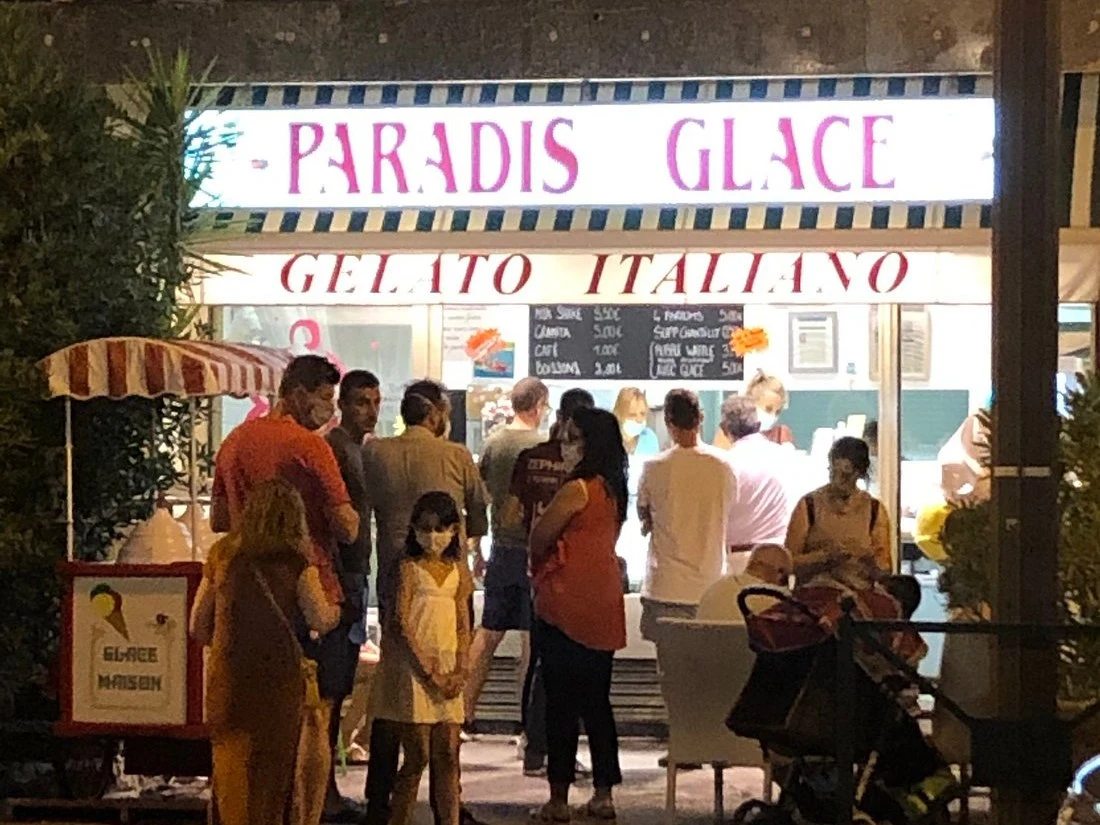
At Le Paradis de la Glace in Roquebrune-Cap-Martin, Colagreco’s order is fior di latte. He does not want heavy ice cream; he wants one that stays light enough to make the next spoonful feel possible.
Gelato shop with customers in front of "Paradis Glace" sign at night.
Fior di latte offers little cover. No chocolate bitterness takes command, no fruit acidity redirects the finish, no nuts provide structure. The maker has milk, sweetness, cold, texture, and air. If the balance is wrong, the flavor turns dull or the body turns heavy.
Colagreco values the classic flavors there, but fior di latte carries the argument most cleanly. It shows what he means by restraint in another form: not less care, but less burden.
What to Watch After the Anniversary
Mirazur’s April and May collaboration gives the calendar its public marker. Around it, Colagreco’s favored kitchens show the quieter structure of the region: handwork sustained over years, seasonal limits accepted, and flavor kept in proportion.
The Sunday letter
Get the next Made By guide in your inbox.
We send one email every Sunday morning with the guides and profiles we published that week.