Rajat Parr still marks up his tasting notes in pencil, the margins dense with acid readings and grape-variety hypotheses, before he ever opens a bottle for a guest. That habit, formed over years at RN74 and Michael Mina in San Francisco, is the visible edge of a discipline that most diners never see: the sommelier as researcher, not just pourer.
Getting close to that discipline, whether through a reservation at one of the restaurants these sommeliers built their programs inside, a seat at a master class they lead, or a bottle from a list they curated, is genuinely hard.
No single door opens all of it; the best route depends on which sommelier's work you want to study, and most of the access is earned through patience and the right mailing list, not a single booking click.
Why the Lists These Sommeliers Build Are So Hard to Reach
The difficulty is structural. The sommeliers who build the world's most studied wine lists, figures like the head sommelier at Trivet in London, Pascaline Lepeltier MS at Chambers, and the wine director at Cote in New York, are working inside restaurants with fixed seat counts and service rhythms that do not scale. The venue does not publish seat counts; confirm directly with each restaurant how many covers a given service runs. The sommelier's time at the table, the conversation about a specific Jura poulsard or a Canary Islands listán negro, is measured in minutes per cover. Demand for that conversation, from wine students, from collectors, from practitioners who have read the MW dissertations and the competition scorecards, consistently outpaces supply.
The lists themselves compound the scarcity. Lepeltier's program at Racines NY, built around natural and low-intervention producers, draws a crowd that includes importers, winemakers visiting New York, and sommeliers on their nights off. The wine director at Cote built a list that pairs a deep French/Champagne-led cellar with Korean cuisine that attracted a specific, knowledgeable audience from the moment the restaurant opened. These are not generalist wine lists; they are arguments about what wine should be, and the people who want to engage with those arguments are concentrated and persistent.
The head sommelier at Trivet, who spent years developing a pairing philosophy across cellar work and competition circuits before opening the restaurant in London's Bermondsey, operates a room where the wine list is as much the point as the food. Wine Spectator's Grand Award wine lists typically feature 1,000 or more selections;1 Trivet's list is built to a different scale, but the depth of reasoning behind each section is comparable in ambition. Seats are not impossible to find, but the combination of the room's size and the reputation of both the sommelier and the kitchen means availability compresses quickly around weekends and special events.
The Channels That Actually Work at These Programs
For restaurant access, the direct booking page is the floor, not the ceiling. Trivet takes reservations through its own website; the venue does not publish a specific release window for tables, so confirming the cadence directly with the restaurant before planning around a drop time is the only reliable approach. Chambers does not publish a specific reservation release window; check the restaurant's current booking page for the live channel, as platforms shift. Cote in New York books through its own reservations system.
For the sommeliers' work outside the restaurant, the channels multiply. Lepeltier teaches and speaks at events organized through the Court of Master Sommeliers and through wine fairs including RAW Wine, where her presence on the program is announced via the fair's mailing list. The wine director at Cote has written and lectured widely; that public-facing layer of access extends well beyond what the restaurant alone can provide. The head sommelier at Trivet has appeared at wine weeks and trade events in London and internationally; the Trivet newsletter and social channels are the most reliable early-warning system for those events.
The mailing list is, in practice, the single most productive channel across all of these programs. Sign up directly through each restaurant's website. Event announcements, special list releases, and guest-sommelier dinners surface there before they appear anywhere else.
When the Calendar Opens and When It Closes
None of the restaurants discussed here publish a verified, specific release window for reservations. The venue does not publish a drop time; confirm the booking cadence directly with each restaurant before building travel around a specific date. By contrast, Bern's Steak House in Tampa releases reservations 60 days in advance and those slots are often taken within an hour,2 which illustrates how quickly demand can clear even a published window at a destination wine program.
What the seasonal pattern does show, drawn from the general rhythm of high-end restaurant booking rather than any single verified policy: the weeks around major wine events, the London Wine Fair in May, RAW Wine in November, and the Court of Master Sommeliers Americas examination cycle,3 tend to concentrate sommelier-focused diners in specific cities. Booking in those windows is harder. January and February in London and New York historically carry softer demand; the same rooms that fill quickly in October may have availability a week out in February. Demand tends to be softer in winter.
Harvest season, roughly September through November, pulls many of the natural-wine-focused sommeliers toward producer visits in France, Italy, and Georgia. Lepeltier, who has worked closely with Loire Valley producers, is sometimes less present on the floor during this period. If the conversation with the sommelier is the point of the visit, a call ahead to confirm who is working the floor on a given night is worth the effort.
How to Improve Your Odds at the Booking Stage
The practitioners who get the most out of these programs share a few habits. First, they book for the bar or counter when the room offers it; Trivet has a bar area where the wine conversation is often more open than at a full dinner table, and the sommelier's time is less divided.
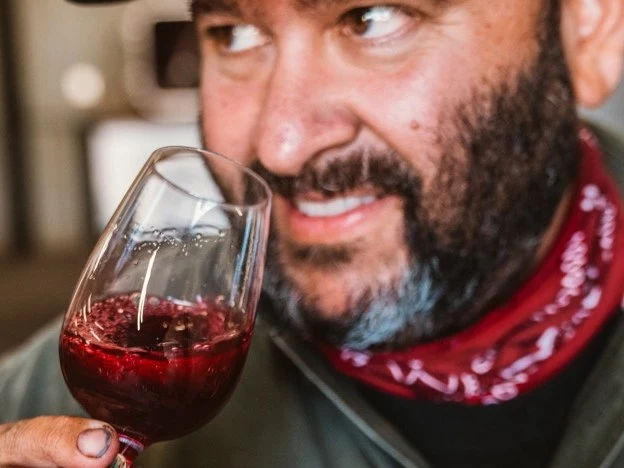
Second, they arrive with a specific question or a specific region in mind and mention it at booking or on arrival. A guest who asks about the Jura section of the list, or about the head sommelier's approach to Austrian whites, signals to the floor team that the conversation is welcome.
Third, they follow the sommeliers' public work: Lepeltier's writing, the wine director at Cote's media appearances, the head sommelier at Trivet's competition commentary. That background reading makes the table conversation faster and more specific.
For those who want access to the list without the full dinner commitment, many of these restaurants offer a shorter bar menu or a glass-and-snack format at the counter. This is not a published policy across all venues; confirm with each restaurant what counter formats are available on a given service.
The seasonal calendar matters here. A Tuesday in late January at Trivet or Racines NY is a different room than a Friday in October. The sommelier has more time. The conversation goes further. The list gets opened more fully.
At the Counter, List in Hand: What the Work Actually Looks Like
The experience of engaging with one of these programs is less about the room and more about the pace of the conversation. At Trivet, the list is organized by a logic that rewards reading before ordering; the categories reflect a philosophy about how wine moves through a meal, not a standard geography-first grid. A guest who asks the floor team to walk through the reasoning behind a pairing will find the explanation specific and technical, the kind of answer that assumes the guest can hold a discussion about oxidative aging or about the difference between two vintages of the same producer.
At Racines NY, Lepeltier's program is built around producers she has visited and, in many cases, worked alongside. The list is not long in the conventional sense; it is selective, and the selections carry context that the floor team can articulate. A guest asking about an unfamiliar Auvergne gamay or a skin-contact white from Slovenia will get a sourced answer, not a marketing summary.
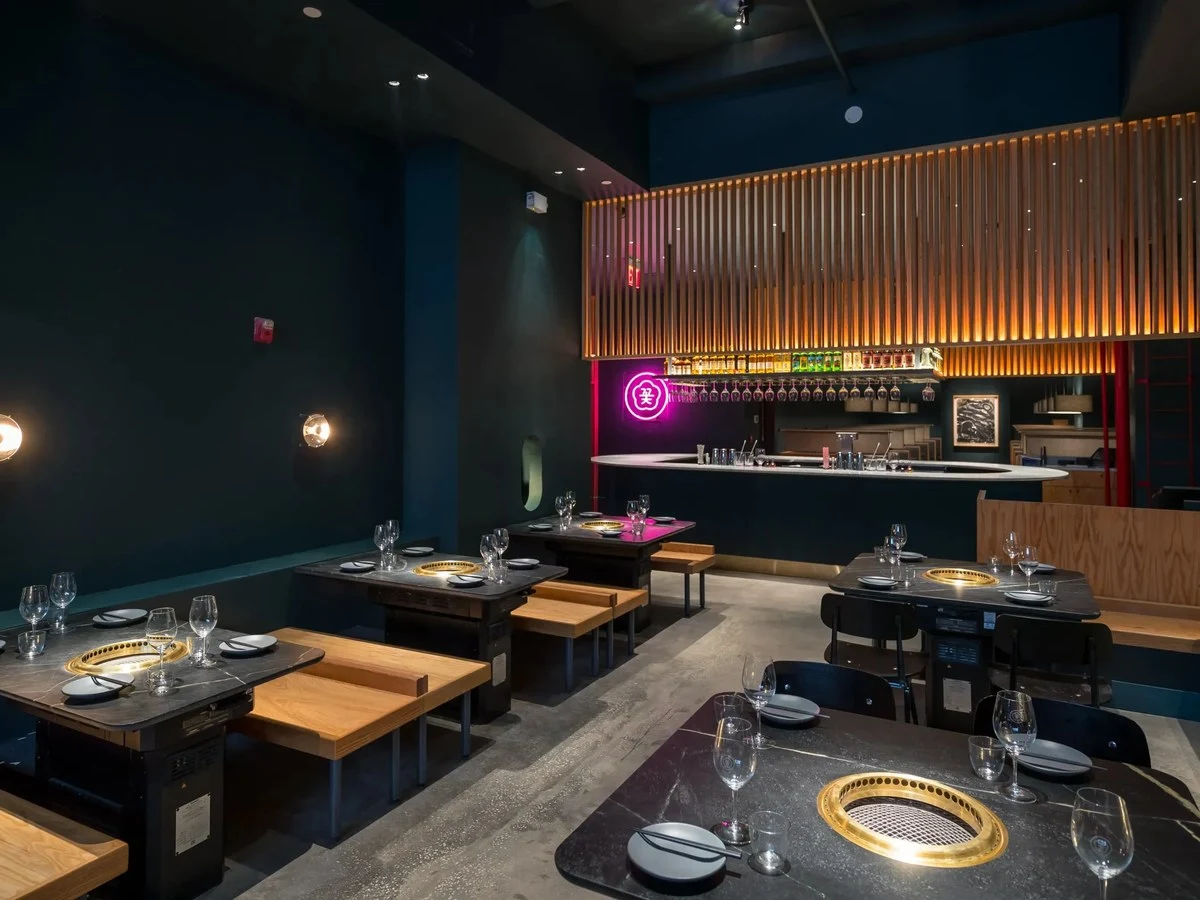
The wine program at Cote pairs Korean cuisine with a range that runs from traditional French and Burgundian selections to Korean makgeolli and soju. The program is an argument that Korean food deserves the same depth of wine attention as French cuisine, and the floor team is trained to make that argument bottle by bottle.
Who you will sit next to in these rooms varies by night and by city. On a weekday, the crowd at Trivet skews toward London's wine trade and food media; on a weekend, it broadens to include collectors and serious amateurs. At Racines NY, the natural-wine community is a consistent presence, including importers, small producers visiting the city, and sommeliers from other New York restaurants eating on their nights off. At Cote, the Korean-American dining community and the broader New York food world overlap. These are not tourist rooms; the people around you are, more often than not, there for the same reason you are.
What to Do When the Room Is Full
Sommelier-Led Programs: Access and Format Compared
| Program / Venue | Booking Channel | Counter / Bar Format | Lead Time (verified) | List Scale |
|---|---|---|---|---|
| Trivet, London | Venue website (direct) | Bar seating available (confirm with venue) | Not published; confirm directly | N/A (confirm with venue) |
| Racines NY, New York | Resy (confirm current platform) | Bar seating (confirm with venue) | Not published; confirm directly | N/A (confirm with venue) |
| Cote, New York | Venue reservations system | N/A (confirm with venue) | Not published; confirm directly | N/A (confirm with venue) |
| Bern's Steak House, Tampa | Direct (venue website) | N/A | 60 days in advance; often gone within an hour2 | 6,800 selections4 |
| RAW Wine Fair events | RAW Wine mailing list / website | Walk-in trade / public days | Announced via mailing list | N/A |
When the specific room is unavailable, the alternatives that come closest are not other restaurants but other formats. The Court of Master Sommeliers Americas3 runs study groups, tasting seminars, and examination-adjacent events that put candidates and curious practitioners in the same room as working MWs and MSs. The level of technical conversation in those settings matches or exceeds what a restaurant table provides, and the access is more predictable.
RAW Wine, which runs fairs in London, New York, and Los Angeles, is the most reliable public venue for encountering the natural-wine sommeliers in a context where conversation is the explicit purpose. Lepeltier has been a consistent presence; other sommeliers from the same tradition, including those who trained under her or alongside her, appear regularly. The mailing list is the booking channel.
For those drawn to the depth of a cellar-first program, Bern's Steak House in Tampa offers a different kind of study: more than 6,800 different selections, representing approximately 15% of a total collection exceeding half a million bottles,4 with about 300 Madeiras, Ports, and Sherries available by the glass, alongside close to 200 table wines by the glass with vintages reaching back to 1974.4 The list runs from a 1845 Château Gruaud-Larose at $49,0005 to a 1973 Beaulieu Vineyards Special Burgundy at $225.5 It is a different discipline from the natural-wine programs above, but the seriousness of the cellar work is comparable.
For the wine director at Cote's work, her writing and public lectures provide a layer of access that the restaurant cannot. Appearances at food and wine festivals, announced through her own channels and through the festivals' mailing lists, are the most accessible entry point for those outside New York.
Who Should Make the Effort, and When
These programs reward practitioners: working sommeliers, wine students preparing for advanced examinations, cooks who want to understand how a list is built from the cellar up, and collectors who want to drink bottles in the context of a conversation about why they were chosen. A guest who arrives without that orientation will have a good meal and a well-chosen glass; they will not get the full return on the effort the booking requires.
The best occasions are not celebrations in the conventional sense. A birthday dinner at Trivet is fine; a working dinner where the wine list is the agenda is better. These rooms are built for the second kind of visit.
Avoid the peak windows around major wine events unless you have booked well in advance. The rooms fill with trade, and the sommelier's attention is divided. A quiet Tuesday in January, with a specific question about the list prepared in advance, is the visit that pays off.
Worth the Chase?
Yes, but the chase requires knowing what you are chasing. The sommeliers behind these programs, the head sommelier at Trivet, Lepeltier at Racines NY, the wine director at Cote, and the bench of trained practitioners who work alongside them, are not primarily accessible through a reservation. They are accessible through sustained attention: the mailing list, the off-peak booking, the bar seat, the RAW Wine fair, the Court of Master Sommeliers seminar.3 The restaurant table is one node in a larger network of access, and it is not always the most productive one.
The allocation list and the mailing list are the only routes that reliably surface the events and releases that matter most. A single dinner at Trivet or Racines NY is a beginning, not a destination; the practitioners who get the most from these programs treat the first visit as an introduction and build from there.
For most readers, the RAW Wine fair or a Court of Master Sommeliers event is the smarter first move: lower friction, higher density of conversation, and a clearer view of the full range of work these sommeliers are doing. The restaurant follows naturally once you know whose list you want to sit inside.
madeby follows the people, and in this discipline the people are the program; tracking the sommeliers across their public work, their events, and their lists is how the access problem actually gets solved over time.
Frequently Asked Questions
Can you walk into Trivet without a reservation and still engage with the wine list?
Bar seating at Trivet may be available on a walk-in basis on quieter nights, but the restaurant does not publish a confirmed walk-in policy. Calling ahead on the day is the most reliable approach; the bar format, when available, is often where the most open wine conversation happens.
How far in advance do Racines NY reservations typically need to be made?
Racines NY does not publish a verified booking window in the public record. The restaurant has used Resy as its primary booking surface; check the current Resy page for live availability and confirm the booking cadence directly with the venue before planning travel.
Where does Pascaline Lepeltier MS appear outside of Racines NY?
Lepeltier appears regularly at RAW Wine fairs in New York and London, and has been involved with Court of Master Sommeliers events and Loire Valley producer visits. The RAW Wine mailing list is the most reliable early-warning channel for her public appearances.
How does Cote New York's wine program book, and what does the list cover?
Cote's wine program pairs Korean cuisine with selections ranging from French and Burgundian bottles to Korean makgeolli and soju. For the current booking channel and staffing, confirm directly with the venue, as platforms and floor teams can change. The restaurant's own reservations system has been the primary booking surface.
What time of year gives the best access to the floor team at sommelier-led programs in London and New York?
January and February historically carry softer demand at high-end New York and London restaurants, and weekday evenings in those months tend to give the floor team more time per table. Avoid the weeks around major wine events (RAW Wine in November, the London Wine Fair in May) when the rooms fill with trade. This is editorial inference based on general restaurant patterns, not a published policy from any of the venues.