Other
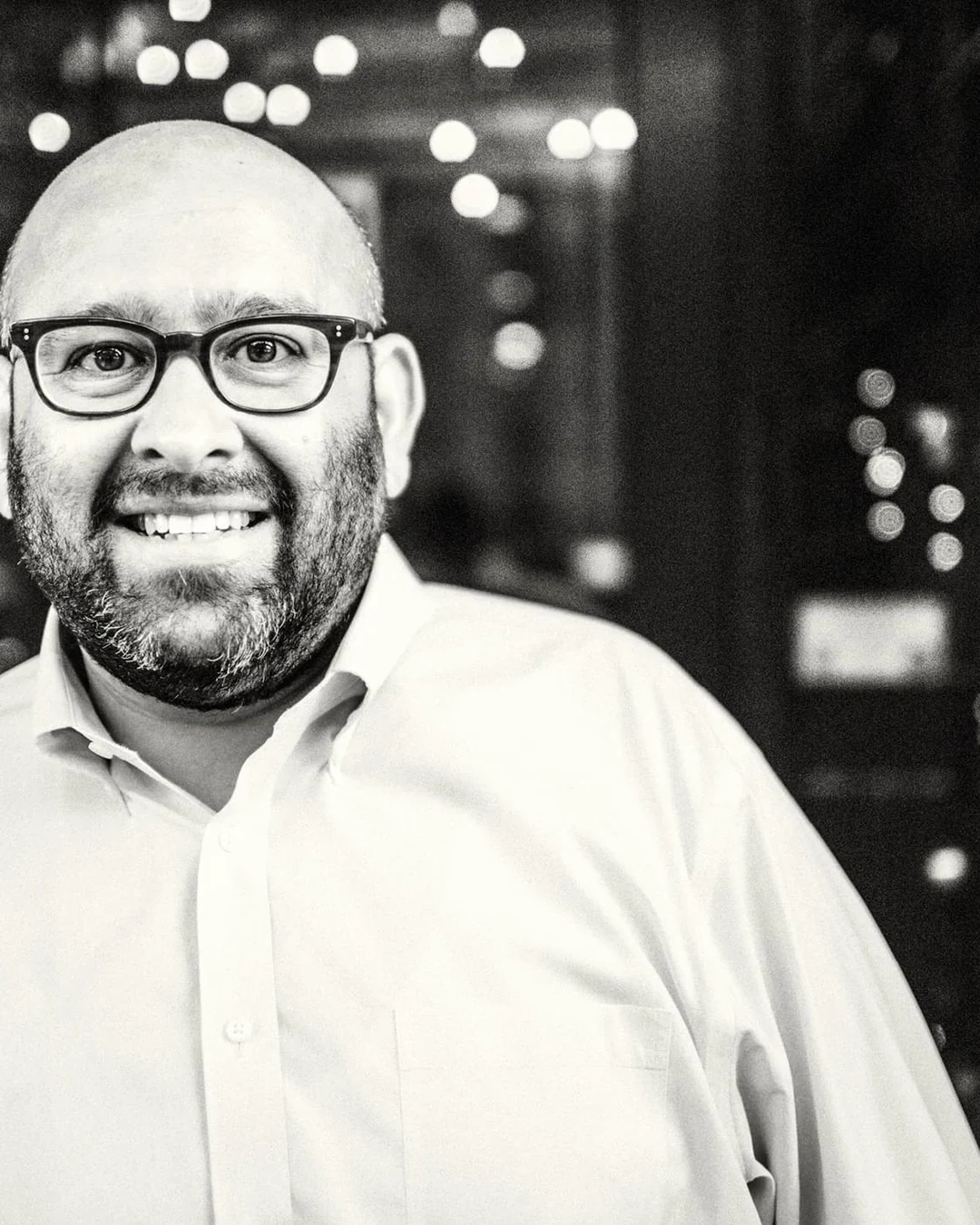
Rajat Parr
Sommelier
- Discipline
- Other

i. Biography
Indian-American farming and winemaking, in Rajat Parr’s case, has tightened over time from restaurant-scale wine work to the demands of one site: Phelan Farm in Cambria, California. The useful record is not a personality arc but a shift in practice: service, wine direction, restaurant development and estate-minded production, followed by a narrower language of farming, restraint and California specificity. Wine here is treated as an agricultural result, not as service ornament alone.
The Path
Professional discipline first entered through kitchens and dining rooms, with Rajat Parr training at Culinary Institute of America before working as an extern at Raffles Hotel in Singapore. At Rubicon Restaurant in San Francisco, that grammar developed from food runner to assistant sommelier inside one of the city’s formative wine rooms. Sommelier practice is built through repetition: reading a table, holding a list in memory, understanding bottle condition and matching wine to food without over-speaking the wine. Parr’s work as sommelier at Fifth Floor in San Francisco (1999–2003) placed that discipline in direct contact with guests, cuisine and cellar. In 2003, he became wine director at Michael Mina restaurant group in United States (from 2003), extending the same skills across a larger restaurant structure. Restaurant development requires a different form of wine judgment: not only selecting bottles, but building a program that can function in service night after night. As developer and operator at Millennium Tower / RN74 in San Francisco (2007–2017), Parr helped shape the food and wine program as an operating system rather than a static list. In parallel, production work at Evening Land (2006–2009) and at Maison l'Orée in Burgundy, France (from 2009) moved the work from interpretation to making, where vineyard and cellar decisions carry the burden directly. Current production roles keep that bridge between sommelier discipline and farming practice visible. The trajectory is clear enough for the trade: a career formed in dining rooms has been pared back toward site, farming and wines that rely on balance rather than volume.
The Work Today
Phelan Farm in Cambria, California is now the center of the work. Parr states the change plainly: "Now I only farm my vineyard in Cambria and stay in one place." For a winemaker formed by restaurants, travel, cellars and collaborations, that sentence marks a practical narrowing: vines, soil, weather and the repeated calendar of agricultural work. At the farm, his minimal-intervention wines use organic, biodynamic and regenerative farming practices, placing the first responsibility in the vineyard rather than in cellar correction.
Signature
The signature is the overlap between sommelier training and farmer-winemaker restraint, with Sandhi and Domaine de la Côte as the named wine focus. The dining-room background shows in the pursuit of balance and the habit of discernment; the farming work shows in the move toward place, slower decision-making and fewer unnecessary gestures. The craft question is consistent across both settings: when to act, when to leave the wine alone and how to preserve character while seeking balance.
In Their Words “We strive to make balanced Chardonnay and Pinot Noir from the Santa Rita Hills.” “We strive to produce vibrant and energetic wines. We try to achieve balance.”
Acclaim
Recognition includes the James Beard Cookbook Award - Beverage Category (2011), attached to a body of work that spans service, wine writing context and production without separating the palate from the practical work behind the bottle.
Profile updated July 2026
FAQ
Asked of Rajat
What is Rajat Parr's current role?
Rajat Parr is farmer and winemaker focused on Phelan Farm.
Where did Rajat Parr train or study?
Rajat Parr trained at Culinary Institute of America.
What recognition has Rajat Parr received?
James Beard Cookbook Award - Beverage Category (2011).