Rajat Parr, sommelier at Brij Wines by Parr Wines in Cambria, works small SLO Coast lots with native ferments and restraint.
Rajat Parr tastes for restraint as sommelier at Brij Wines by Parr Wines in Cambria, carrying the glass back toward fruit, soil and the cellar decision. Rajat Parr came to this bench by way of service: Culinary Institute of America, an externship at Raffles Hotel in Singapore, then Rubicon Restaurant in San Francisco, where he moved from food runner to assistant sommelier inside a serious wine room. At Fifth Floor in San Francisco, from 1999-2003, he held the sommelier station in direct contact with guests, cuisine and bottle condition. In 2003, he became wine director for the Michael Mina restaurant group, then helped operate the food and wine program at Millennium Tower / RN74 from 2007-2017. Production followed, with Evening Land from 2006-2009 and Maison l'Orée in Burgundy from 2009. Brij, opened in 2020 within the Parr Collective orbit, narrows that restaurant grammar into a micro-négociant project on the San Luis Obispo Coast. The work is not estate possession. It is selection, farming trust, fermentation and refusal.
Brij works with small lots of organically farmed fruit from the San Luis Obispo Coast AVA, with Syrah, Chardonnay, Grenache and Albariño in the frame. The method favors native fermentation, whole-cluster work where the wine calls for it, and minimal additions, with sulfur cited at around 2 parts per million. That number matters because it tells the cellar how little room there is for correction. The fruit has to arrive with enough clarity to carry itself. Aging stays in foudre and neutral French oak rather than new wood pushed forward as flavor. The Brij Wine Grenache 2023 comes from bush vines on limestone soils and is whole-cluster fermented, then aged in foudre. Printemps SLO Coast Pinot Noir 2025 uses 100% carbonic maceration with native yeasts and spends five months in neutral French oak. Rag Vineyard Grenache 2024 keeps the project’s attention on a named site rather than a broad cellar style. The gesture is consistent: extract less noise, keep the line of the vineyard audible.
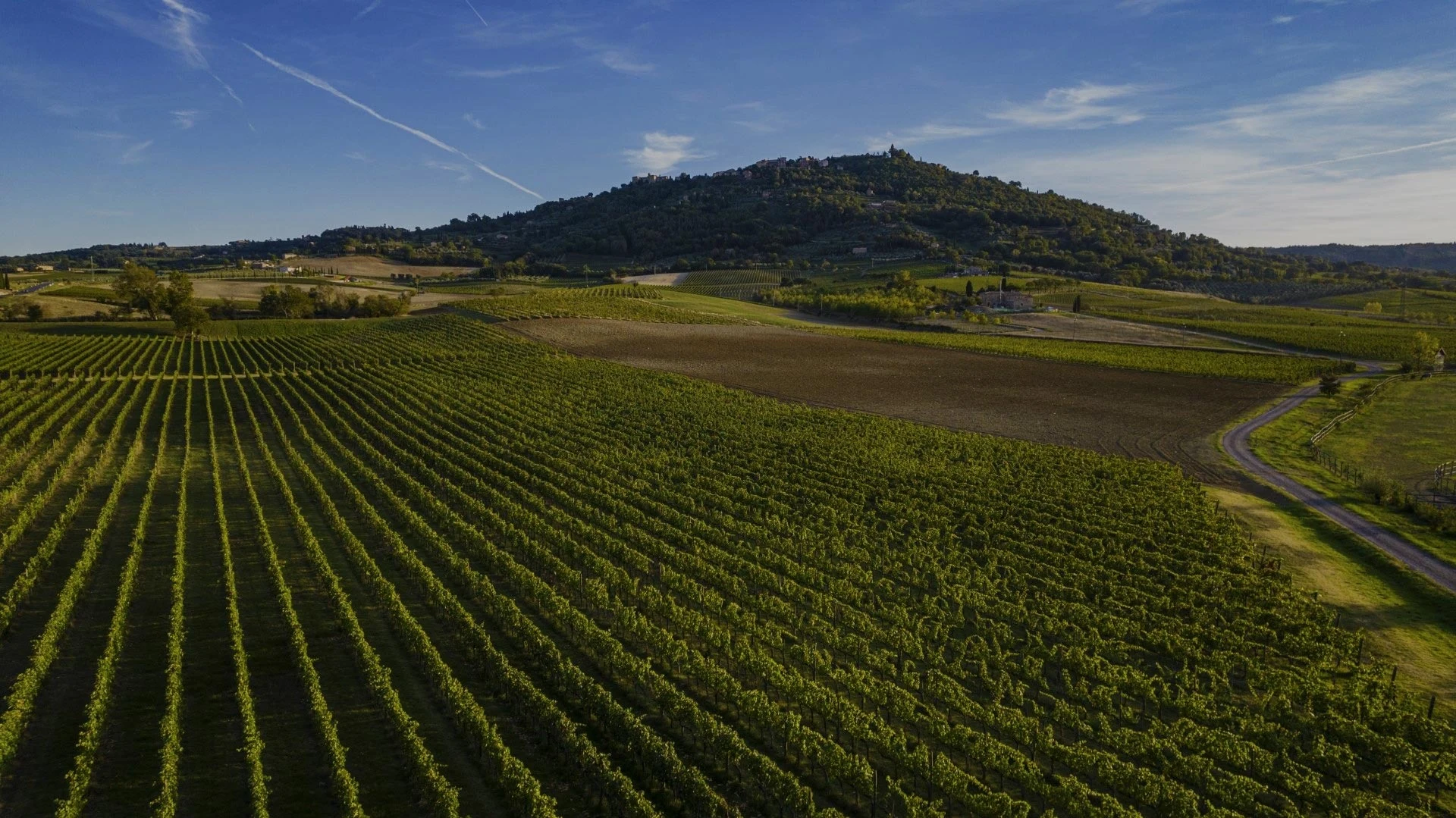
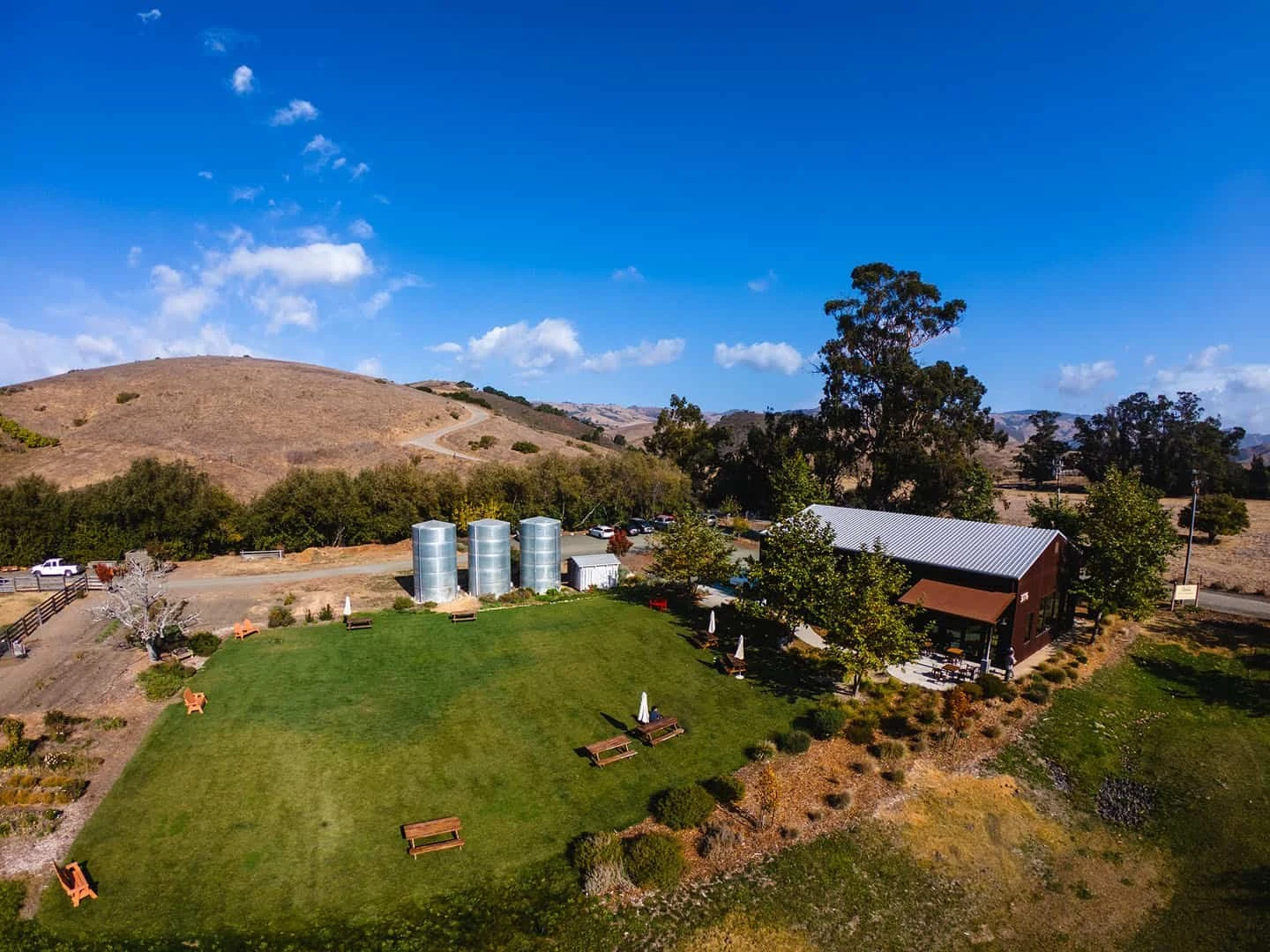
The tasting room sits within the broader Parr Collective setting at Phelan Farm, off Santa Rosa Creek Road in rural Cambria, where vines and coastal hills set the pace before the glass reaches the counter. The room is intimate rather than theatrical. Conversation can stay at the level of fermentation, fruit source and the particular shape of acidity without becoming a performance. Brij shares this low-intervention coastal environment with Parr’s other work at the farm, so the separation between cellar, vineyard and tasting room feels deliberately thin. The place asks for attention to texture: neutral oak rather than oak flavor, stem inclusion rather than polish, maritime lift rather than weight. If the house has a luxury, it is the luxury of not crowding the wine.
Parr has said of his current practice, "Now I only farm my vineyard in Cambria and stay in one place." Brij is not identical to that estate work, but it belongs to the same discipline: fewer gestures, closer farming, a colder eye on balance. The most concrete way to read the project is bottle by bottle, as each small lot makes its own argument for the SLO Coast. For now, the line runs clearly through Rag Vineyard Grenache 2024.
Cambria, California, Vereinigte Staaten
Santa Rosa Creek / Parr Collective