From the people index
Recommended by
One trusted voice points here.
- Opinionated About Dining Top Restaurants in Japan Ranked #10 · 2026
- Tabelog Silver #117: 4.4pts · 2026
- Black Pearl 1 Diamond · 2026
- Michelin 1 Star · 2026
- Tabelog Gold #25: 4.6pts · 2026
- Tabelog Silver · 2025
- Pearl Recommended Restaurant · 2025
- Tabelog 100 #17: 4.4pts · 2025
- Opinionated About Dining Top Restaurants in Japan Ranked #9 · 2025
- The Best Chef One Knife · 2025
- Black Pearl 1 Diamond · 2025
- Tabelog 100 #8: 4.5pts · 2025
Ginza's Omakase Hierarchy and Where Sawada Sits
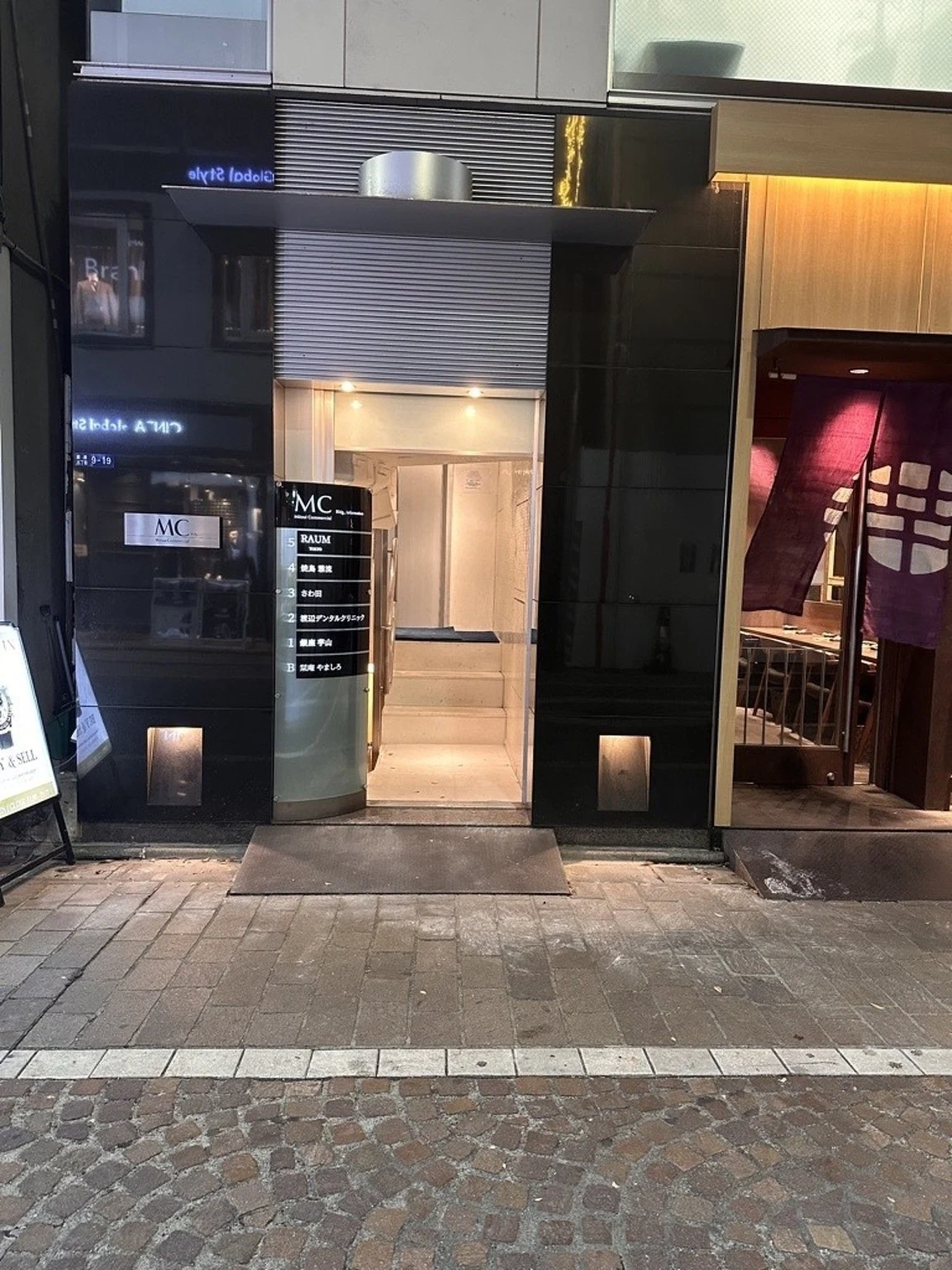
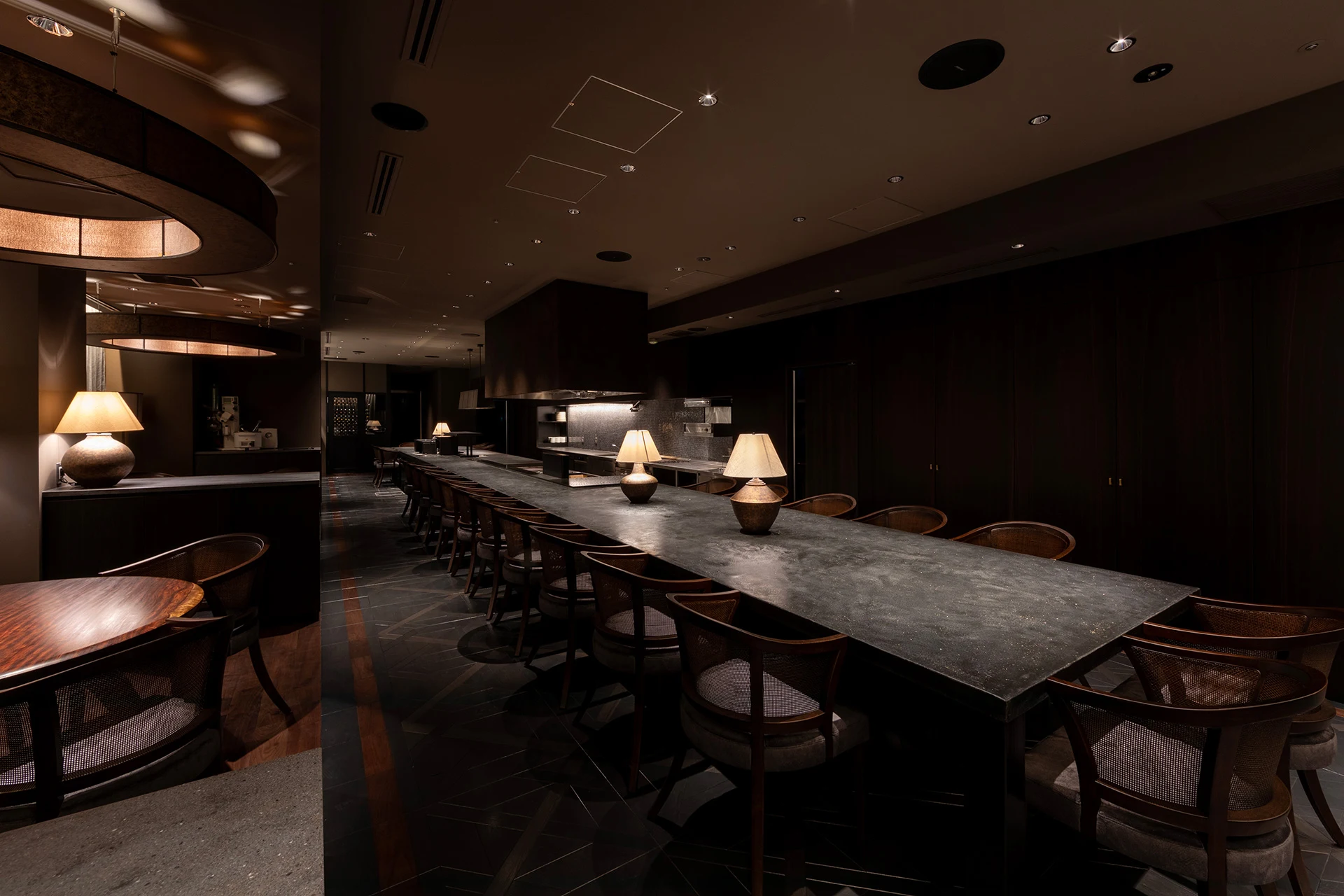
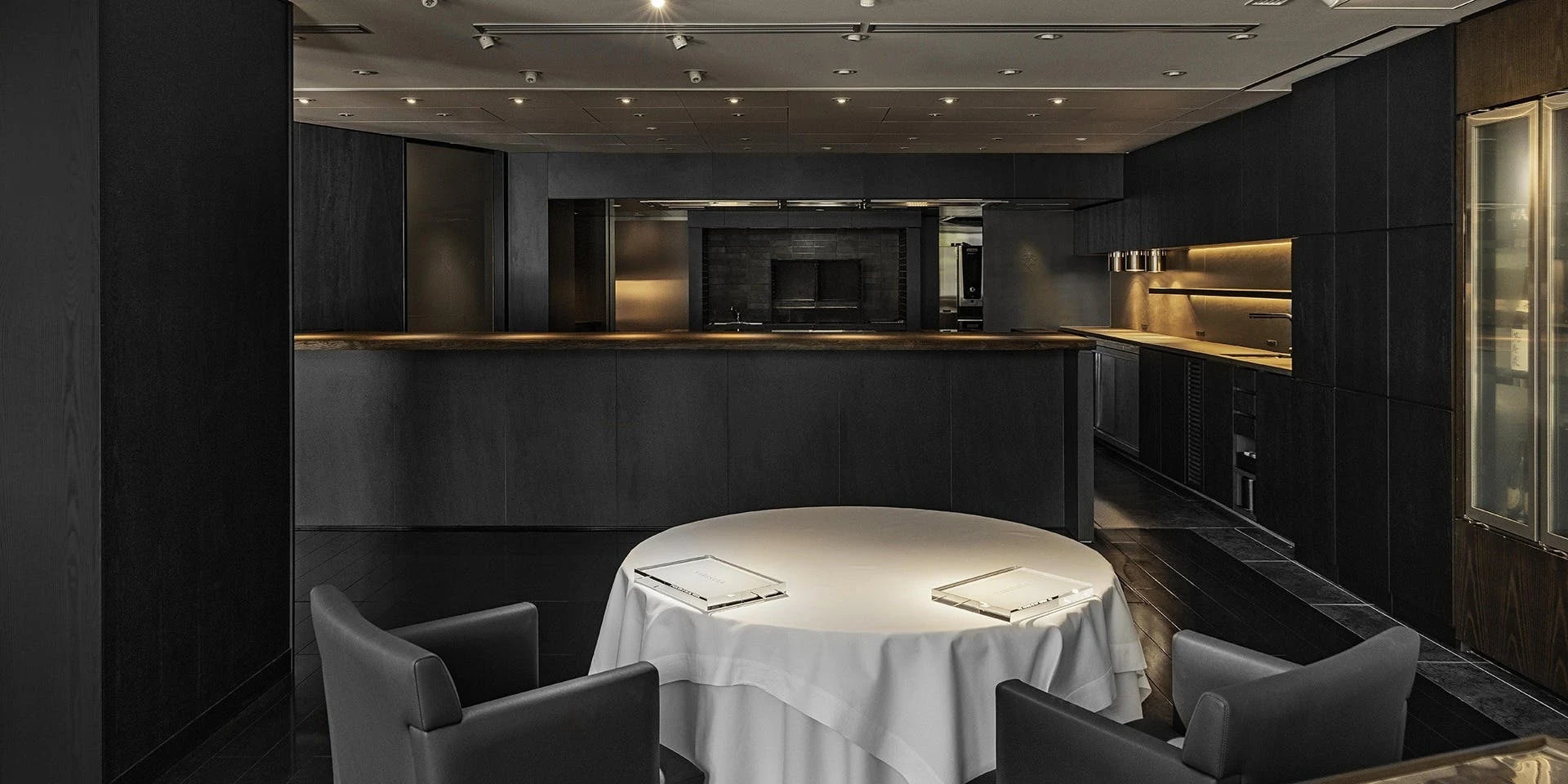
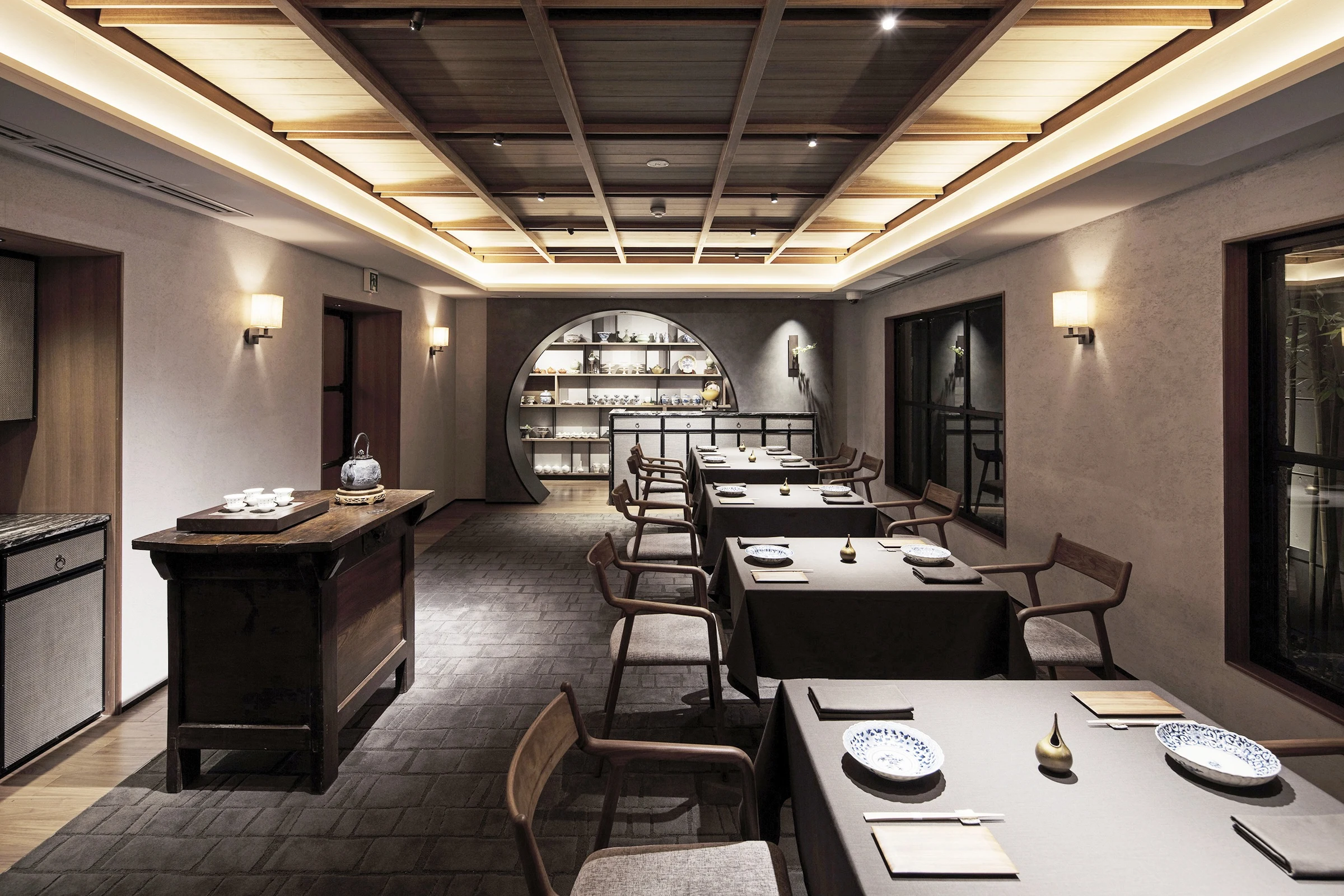
さわ田 is an Edo-style omakase sushi restaurant in Ginza, Tokyo. The neighbourhood's upper tier now operates at a remove from the broader omakase market: counter seats are few, booking windows are long, and pricing is set against a peer group of other three-star establishments rather than the city's wider sushi population. さわ田, at 5 Chome-9-19 Ginza in Chuo City, is an omakase counter known for its precision and restraint.
For context on how that tier compares across format and cuisine, Harutaka operates in the same Ginza price and prestige band within sushi, while RyuGin and L'Effervescence represent what comparable investment looks like when directed toward kaiseki and contemporary French respectively. These are distinct expressions of fine dining in Tokyo.
The Evolution of a Ginza Counter
Sawada has not remained static. The broader pattern among Tokyo's long-standing omakase counters over the past fifteen years has been one of gradual narrowing: smaller seat counts, more controlled sourcing, and an increasing emphasis on the gap between what is served and what the market at large can access. Sawada reflects that trajectory. What began as a counter operating within a competitive but crowded Ginza sushi scene has, through accumulated critical validation, moved into a category where its primary frame of reference is a handful of peers rather than the district as a whole.
The Michelin Guide's treatment of the city, which has consistently awarded stars to a larger absolute number of restaurants than any other city in the world, creates a layered market where three-star status functions as a genuine separator. Counters that have held that recognition across multiple consecutive editions acquire a stability of reputation that affects how they are booked, priced, and perceived. Its reputation rests on consistency.
For a broader picture of how Tokyo's high-end dining has evolved across different formats, newer entrants like Crony and Sézanne that represent more recent shifts in how international and French-influenced cooking has entered the upper tier.
Sushi at This Level: What the Format Demands
At counters of this standing, the omakase structure removes most consumer decisions from the equation. The chef determines sequence, temperature, and pacing. The rice, vinegar balance, and nigiri temperature are treated as variables requiring the same precision as sourcing. In practice, this means that the experience is more directed than at most dining formats: you are not choosing between options but observing a fixed sequence executed at close range.
This format has a long history in Japan but has taken on different meaning as it has been adopted internationally and as Ginza's leading counters have become internationally famous enough to attract global reservation demand. Advance reservations are essential.
Japan's regional fine dining scene offers a useful comparison for understanding what this format looks like outside the Ginza pressure system. Gion Sasaki in Kyoto and HAJIME in Osaka operate with comparable critical standing but within different urban contexts, and the contrast illuminates how much of the Ginza experience is specific to the district's density and price environment. Further afield, Goh in Fukuoka and akordu in Nara show how serious cooking in Japan operates at significant distance from the Tokyo–Ginza axis.
Positioning Against International Peers
Sawada's reputation extends beyond the Japanese critical system. At the level of three Michelin stars, the peer comparison becomes international: Le Bernardin in New York City and Atomix in New York City both occupy three-star standing in their respective categories and offer a reference point for what sustained multi-star recognition looks like in different culinary traditions and markets. The commonality is not cuisine but the discipline required to maintain that level of critical attention over time.
Japan's wider geography of high-end dining also provides context. Counters and restaurants in less-covered cities, including 一本木 佳川製 in Nanao, 夕佳亭山乃 in Sapporo, 湖畔荘 in Takashima, 庄羽屋 in Nishikawa Machi, Birdland in Sakai, and Bistro Ange in Toyohashi, represent how Japan's critical culture has developed depth outside its three major cities. Ginza's upper-tier counters like Sawada are not the whole story, but they remain the most legible part of it to international visitors.
Know Before You Go
Address: MC Bldg., 5 Chome-9-19 Ginza, Chuo City, Tokyo 104-0061, Japan
Cuisine: Omakase sushi (Ginza three-Michelin-star tier)
Reservations: Advance booking is required; expect lead times of several months for seats at this level. Concierge channels at major Tokyo hotels are often the most reliable route for international visitors.
Pricing: At about $325 per person, pricing is fixed.
Getting there: Ginza Station (Tokyo Metro Ginza, Hibiya, and Marunouchi lines) is the closest major interchange, with the restaurant address falling within walking distance of the station's central exits.
Dress code: smart casual.
Dietary restrictions: At omakase counters of this format, the menu is fixed and driven by the chef's selection. Contact the restaurant directly well in advance of your reservation if you have dietary requirements; last-minute requests are difficult to accommodate in a counter format with no à la carte flexibility.
The Sunday letter
Get new places like さわ田 every Sunday.
One email a week with the restaurants, bars and hotels we have just written up, and the people who run them.
One email a week. Unsubscribe from any issue.
Questions
Frequently asked
Who works at さわ田?
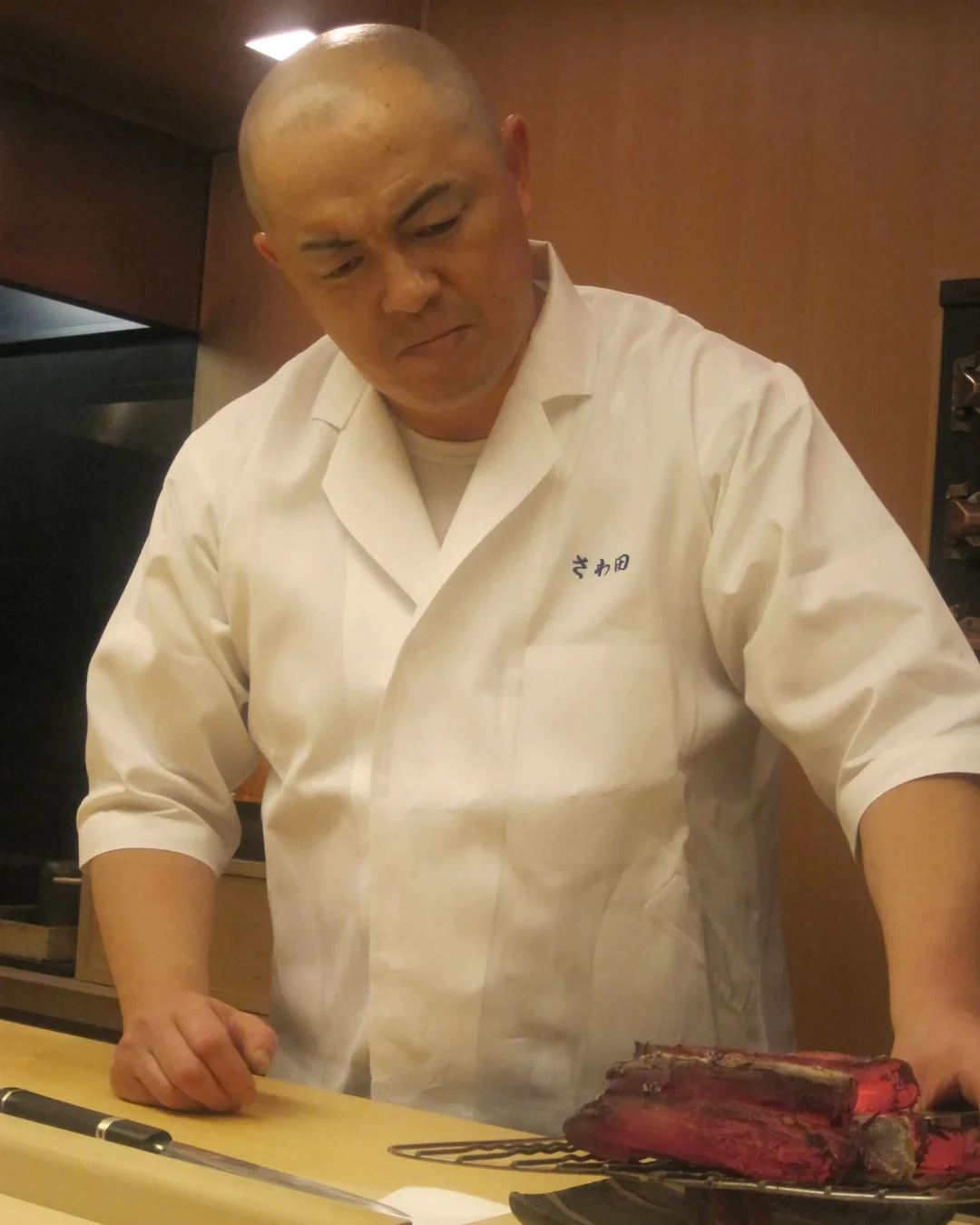
Made By profiles Koji Sawada (Chef) at さわ田.
How expensive is さわ田?
さわ田 is listed at a price level of $$$$.
Where is さわ田 and what does it serve?
さわ田 is in Chūō, Tokyo, serving Edo-Style Omakase Sushi.
The field
How it compares
| Place | Cuisine | Notes | Awards |
|---|---|---|---|
| さわ田 | Edo-Style Omakase Sushi | Chūō, $$$$ | · |
| Den | Modern Japanese Kaiseki | Tokyo | Michelin 2 Stars, World's 50 Best |
| Florilège | Modern French-Japanese Plant-Based Fine Dining | Tokyo | Michelin 2 Stars, World's 50 Best |
| Narisawa | Modern Japanese Satoyama Fine Dining | Tokyo | Michelin 2 Stars, World's 50 Best |
| Quintessence | Modern French Fine Dining | Tokyo | Michelin 3 Stars |
| Sazenka | Modern Chinese Fine Dining | Tokyo | Michelin 3 Stars, World's 50 Best |
| Sézanne | Modern French Fine Dining | Tokyo | Michelin 3 Stars, World's 50 Best |
In residence
Similar places
Modern Japanese Kaiseki
Den
Tokyo, Japan
★★ · 50 Best
Modern French-Japanese Plant-Based Fine Dining
Florilège
Tokyo, Japan
★★ · 50 Best
Modern Japanese Satoyama Fine Dining
Narisawa
Tokyo, Japan
★★ · 50 Best
Modern French Fine Dining
Quintessence
Tokyo, Japan
★★★
Modern Chinese Fine Dining
Sazenka
Tokyo, Japan
★★★ · 50 Best
Modern French Fine Dining
Sézanne
Tokyo, Japan
★★★ · 50 Best
The Sunday letter
Get the next Made By story in your inbox.
We send one email every Sunday morning with the places and people we covered that week.
One email a week. Unsubscribe from any issue.