å2ç1 æ°å¤ä1
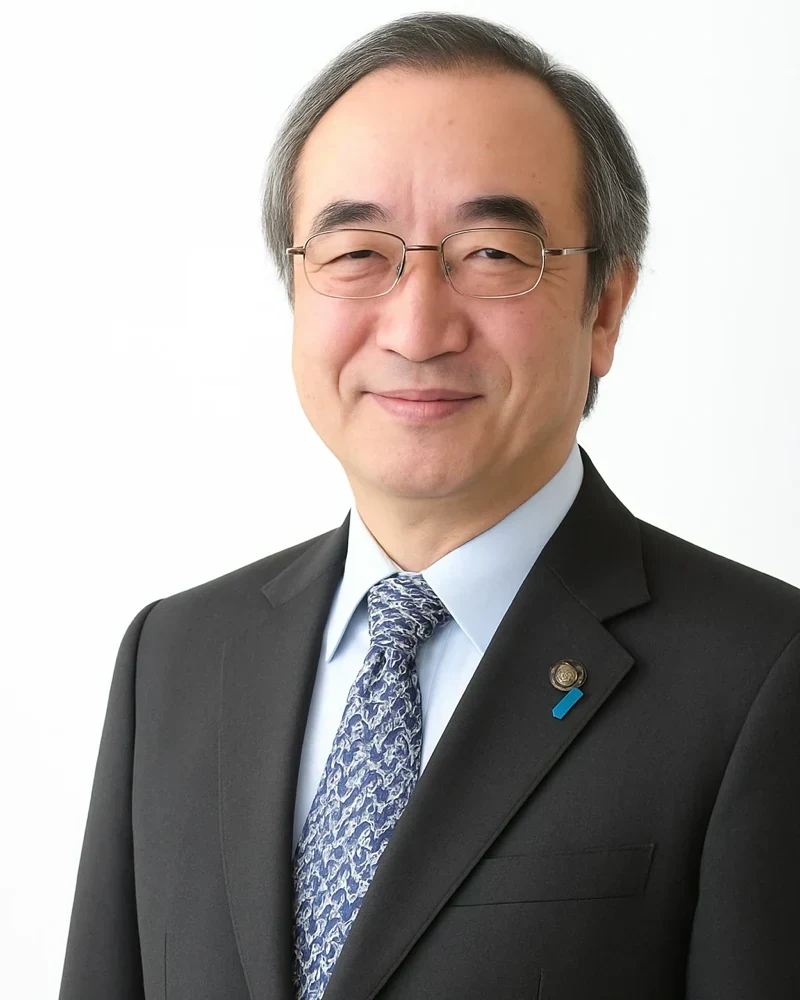
In Residence
Ryota Yamagai
Chef
- 01CuisineTraditional Kappo with Murakami Salmon
- 02CityMurakami, Japan
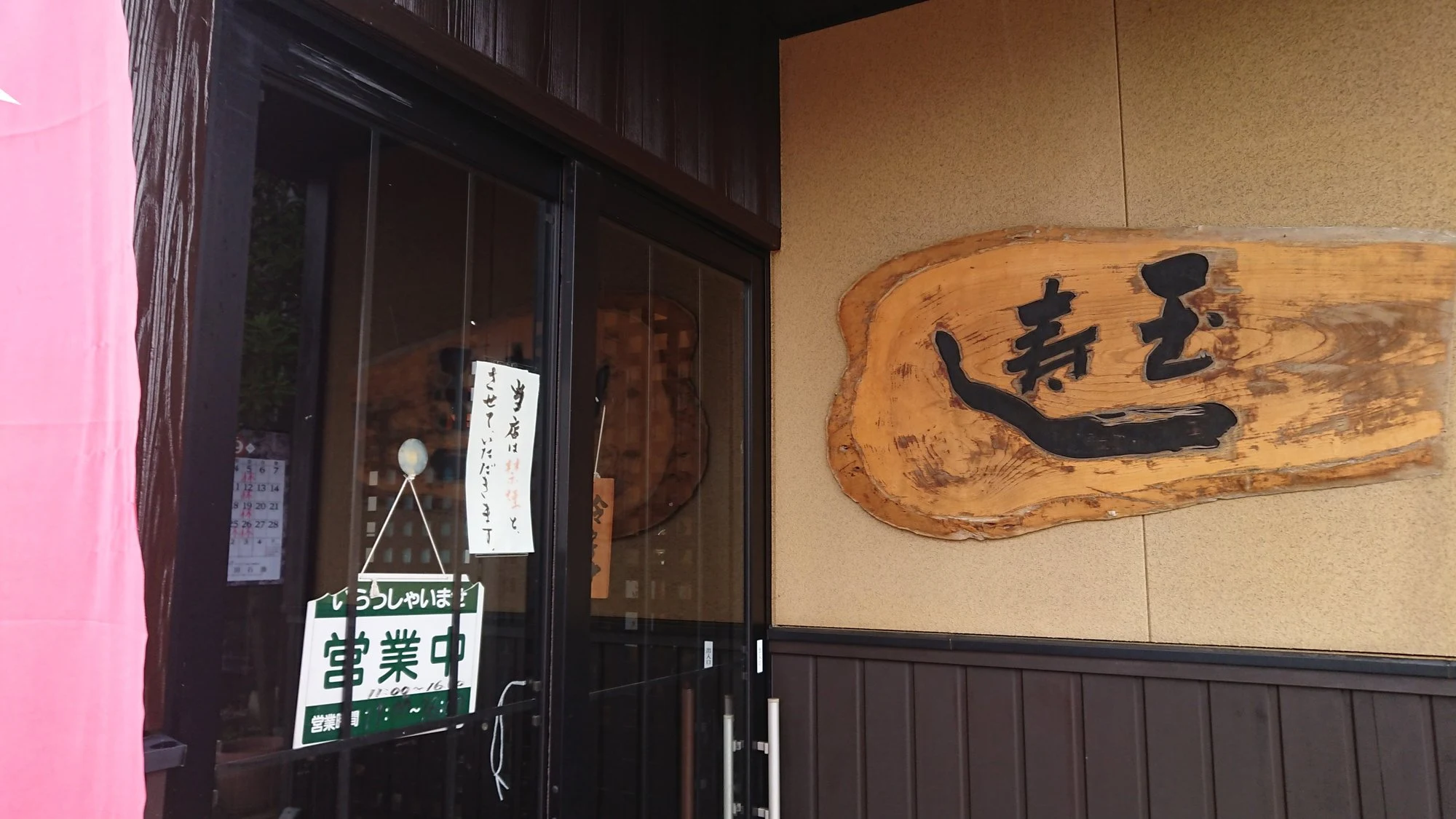
- Tabelog Silver #122: 4.4pts · 2026
- Opinionated About Dining Top Restaurants in Japan Recommended · 2026
- Opinionated About Dining Top Restaurants in Japan Ranked #369 · 2025
- Tabelog 100 #74: 4.4pts · 2025
- The Japan Times Destination Restaurants Destination Restaurants Selection #5 · 2024
Where Niigata's Ingredient Culture Comes Into Focus
Murakami sits at the northern edge of Niigata Prefecture, where the Miomote River meets the Sea of Japan and the surrounding mountains press close enough to shape what grows, swims, and ages in the valley below. This is salmon country in the most literal sense: Murakami has been smoking, salting, and hanging whole Sake salmon under the eaves of its old-town machiya for several centuries, and the practice is not nostalgia here so much as active infrastructure. Walking through the Komachi district, where 岩船 新多久 is addressed at 3-38 Komachi, means passing those hanging fish on the facades of merchants who still treat the curing process as a seasonal obligation rather than a tourist attraction.
That geographical specificity matters when thinking about what a restaurant in this location can reasonably put on a plate. Niigata is already established among Japanese food producers as a prefecture with unusually strong raw material credentials: the prefecture's rice is among the most traded in Japan's premium market, its Sea of Japan coastline produces snow crab, yellowtail, and flounder of a quality that Tokyo buyers pursue directly, and the inland mountains supply mountain vegetables and wild game that rarely surface in urban restaurant supply chains. A kitchen in Murakami, operating inside that web of producers, has access to ingredients that would arrive at a significant markup and several days older in any major city.
The Sourcing Logic of Small-City Dining in Niigata
Across Japan, the more consequential question about any regional restaurant is not what technique it applies but what it can source that its urban counterparts cannot. High-end kaiseki rooms in Kyoto, the precision sushi counters of Ginza like Harutaka in Tokyo, and the innovative French-inflected tasting menus seen at places like HAJIME in Osaka all operate within an economy where the rarest ingredients travel to the kitchen. In Murakami, the logic partly inverts: a kitchen here can form direct relationships with the fishermen working the port at Iwafune, the rice farmers on the alluvial plain south of the city, and the mountain foragers who supply autumn mushrooms and spring sansai to anyone willing to buy locally before the prefectural wholesalers arrive.
This proximity-sourcing model is not unique to Murakami, but it is especially legible here because the city's ingredient identity is so pronounced. Murakami beef, raised in the Iwafune district, occupies a regional premium tier that sees limited distribution outside Niigata. The salmon culture, running some four hundred years deep, creates a local fermented and preserved larder that no import list can replicate. Regional dining programs in similarly positioned cities, from 三本木 五川亭 in Nanao on the Noto Peninsula to 湖辺庵芦 in Takashima on Lake Biwa, have shown that the smallest cities sometimes yield the most geographically coherent menus precisely because their supply chains are short and their producers have fewer other buyers.
The Komachi Address and What It Signals
The Komachi district is Murakami's preserved commercial heart, a short stretch of machiya townhouses and sake breweries that survived the twentieth century with more structural integrity than most comparable neighborhoods in Niigata Prefecture. Restaurants that choose to locate here are generally signaling alignment with the old-town tradition rather than positioning for transit or tourist convenience. The address places岩船 新多久 in a neighborhood where the ambient context, the salmon merchants, the lacquerware workshops, the century-old sake cellars, does a portion of the storytelling before any menu is opened.
For travelers routing through the Sea of Japan coast, Murakami is accessible by the JR Uetsu Main Line from Niigata city, roughly one hour north, or from Akita to the north. The station sits about fifteen minutes on foot from the Komachi district. Given how few restaurants in this city hold any profile outside Niigata, planning around a meal here requires advance research rather than a walk-in approach. Those making the trip specifically for the dining and ingredient culture of the region would do well to consult our full Murakami restaurants guide before finalizing an itinerary,
How Murakami Fits Into Japan's Regional Dining Conversation
Japan's high-end dining conversation is disproportionately concentrated in Tokyo, Osaka, and Kyoto, where Michelin coverage, international press attention, and the spending power of corporate entertainment converge. Restaurants in those cities, from the kaiseki tradition exemplified by Gion Sasaki in Kyoto to the Korean-influenced contemporary format of Atomix in New York City, benefit from infrastructure that provincial cities simply do not have. What provincial cities offer instead is a different proposition: tighter sourcing geographies, lower price ceilings, and menus that reflect what is actually abundant in that specific place at that specific time of year.
This is the model seen at akordu in Nara and at Goh in Fukuoka, both of which have built reputations not by competing with Tokyo's density of options but by making the case that their specific location produces a more coherent, place-specific meal. The same argument applies with particular force in Murakami, where the ingredient story is old enough and specific enough to carry a menu without any imported prestige.
Beyond Niigata Prefecture, comparable small-city dining arguments are being made at places like 夕仙山乃 in Sapporo, 鶴羽屋 in Nishikawa Machi, and internationally at precision-sourcing restaurants like Le Bernardin in New York City, where the credibility of the ingredient is treated as the primary editorial statement. The approach at æäº è½ç»æ° in the same city reflects a similar local orientation. Other regional comparisons worth noting include Birdland in Sakai, Bistro Ange in Toyohashi, Blue Ocean Steak in Nakagami District, bodai in 那智勝浦町, and Cafe Naoshima Konichiwa in Naoshima, all of which operate within Japan's broader regional dining pattern where proximity to source material shapes what ends up on the plate.
The Sunday letter
Get new places like å2ç1 æ°å¤ä1 every Sunday.
One email a week with the restaurants, bars and hotels we have just written up, and the people who run them.
One email a week. Unsubscribe from any issue.
Questions
Frequently asked
Who works at å2ç1 æ°å¤ä1?
Made By profiles Ryota Yamagai (Chef) and Shinsuke Yamagai (Chef) at å2ç1 æ°å¤ä1.
How expensive is å2ç1 æ°å¤ä1?
å2ç1 æ°å¤ä1 is listed at a price level of $$.
Where is å2ç1 æ°å¤ä1 and what does it serve?
å2ç1 æ°å¤ä1 is in Murakami, Murakami, serving Traditional Kappo with Murakami Salmon.
The field
How it compares
| Place | Cuisine | Notes | Awards |
|---|---|---|---|
| å2ç1 æ°å¤ä1 | Traditional Kappo with Murakami Salmon | Murakami, $$ | · |
| Hélène Darroze at The Connaught | Three Michelin-Star Modern French Fine Dining | London | Michelin 3 Stars |
| Kabawa | Modern Caribbean Prix Fixe | New York City | World's 50 Best |
| L'Enclume | Modern British Farm-to-Table | Cartmel | Michelin 3 Stars |
| Per Se | French Fine Dining Tasting Menu | New York City | Michelin 3 Stars, World's 50 Best |
| Single Thread Farm | Japanese-influenced Californian Kaiseki | Healdsburg | Michelin 3 Stars, World's 50 Best |
| The Inn at Little Washington | Contemporary American Fine Dining with French Influence | Washington | Michelin 3 Stars |
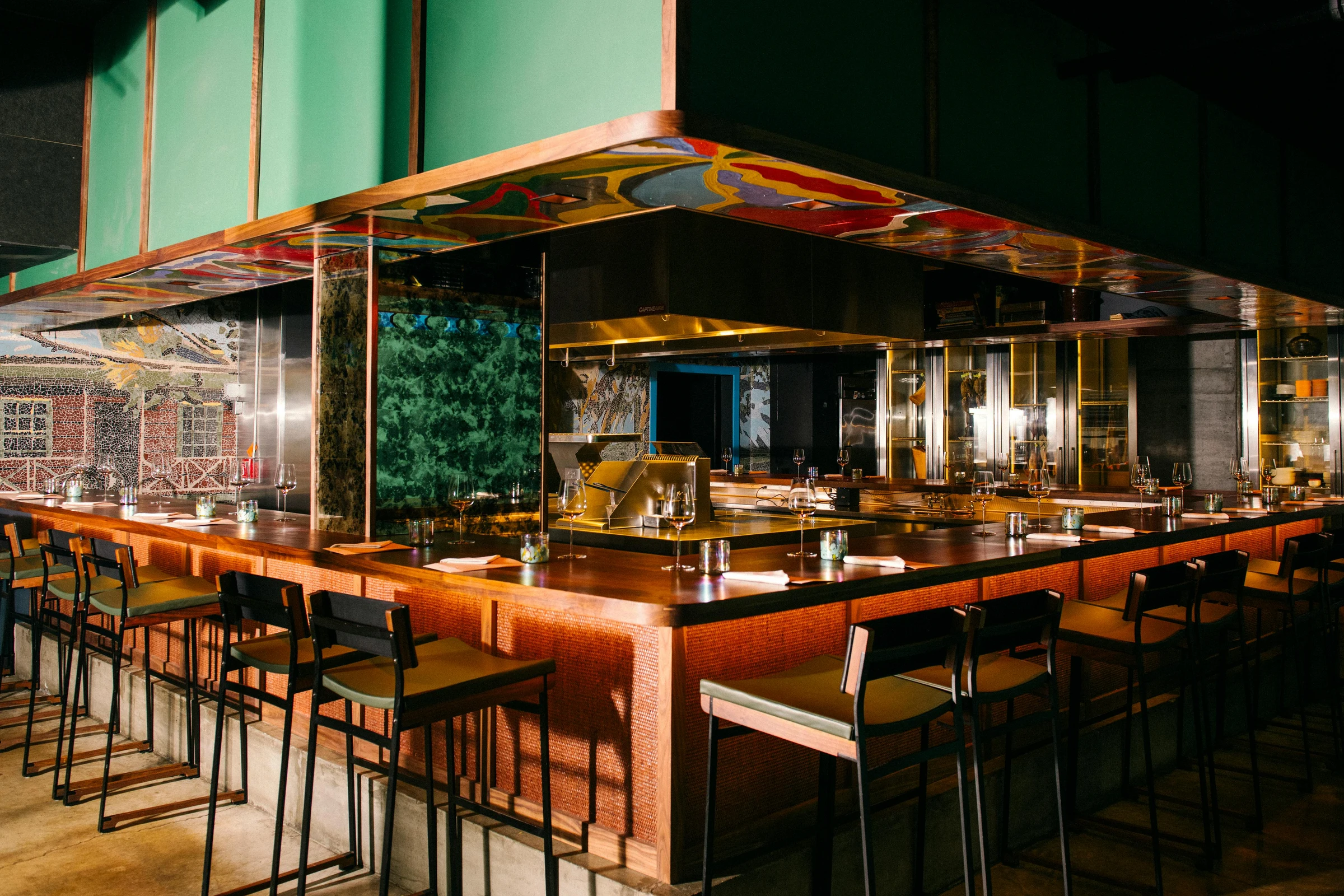
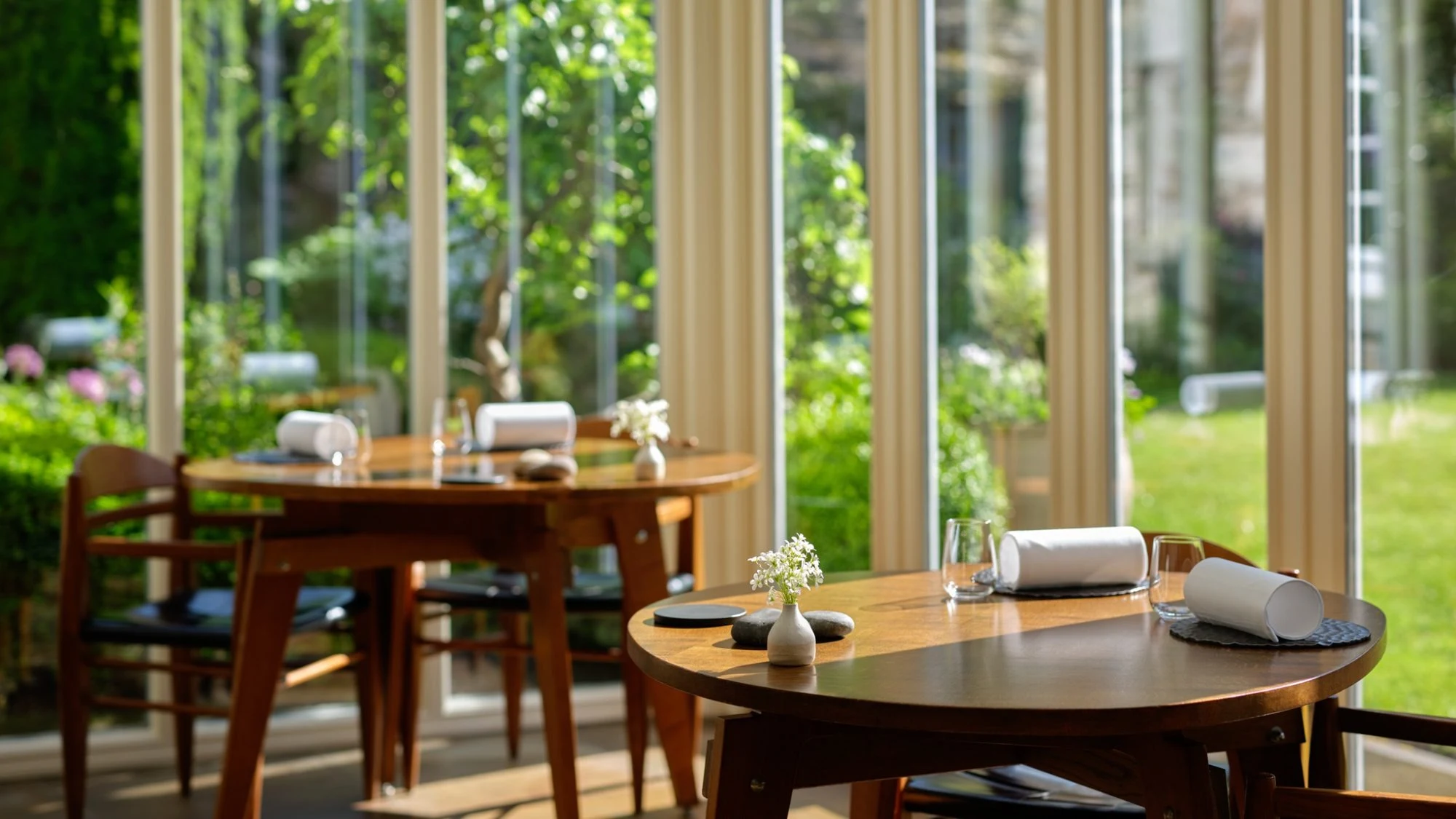
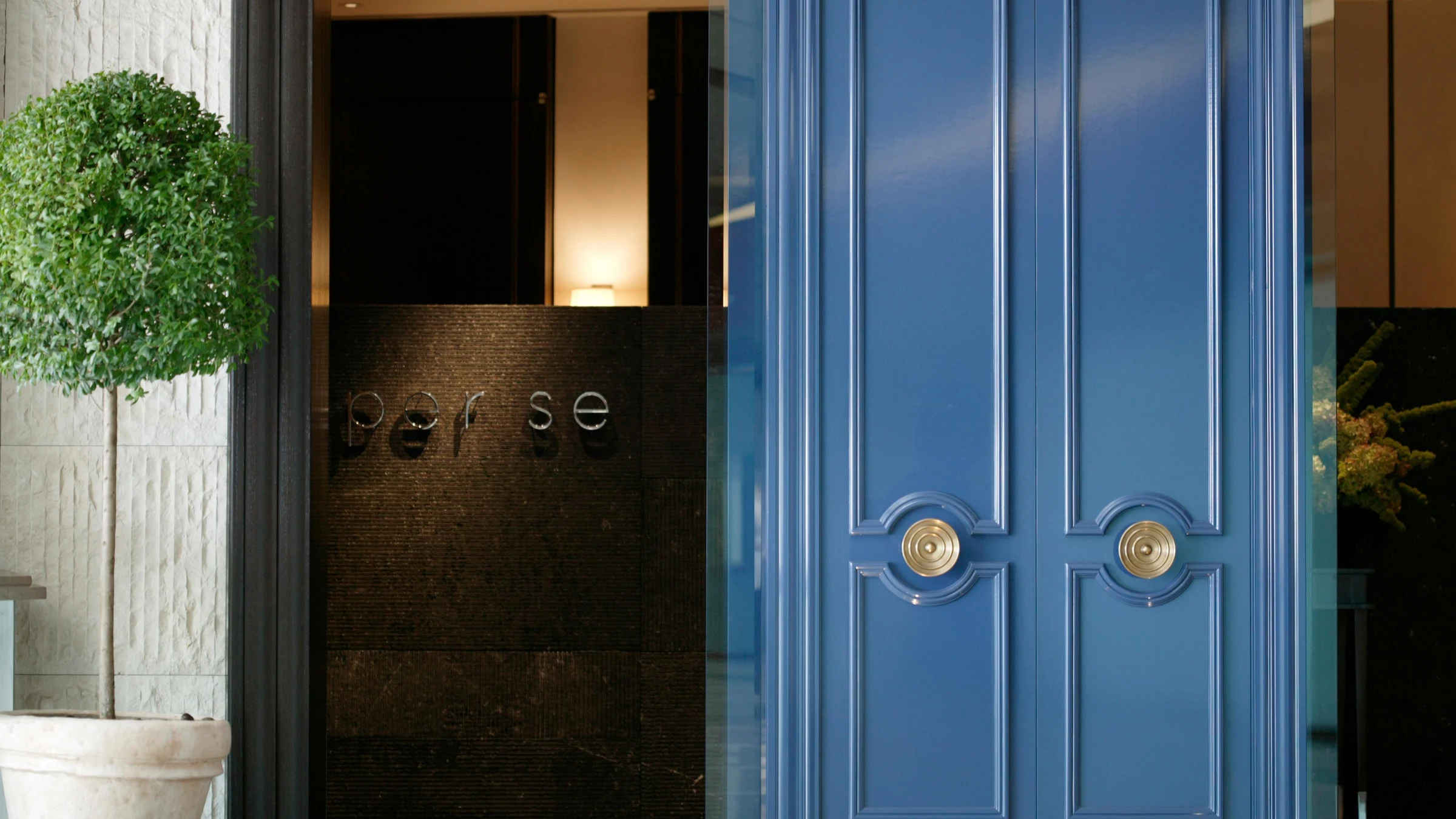
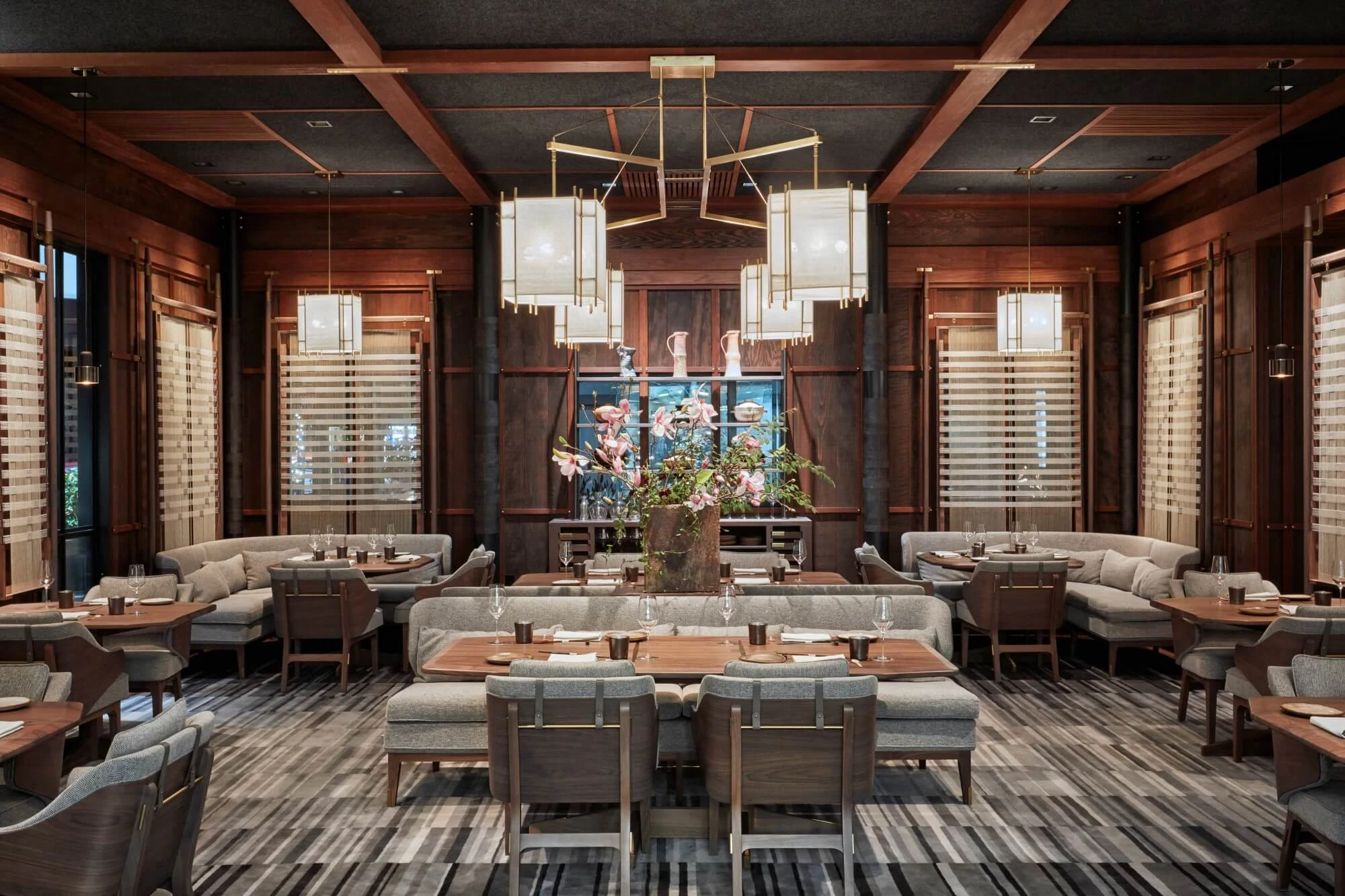
In residence
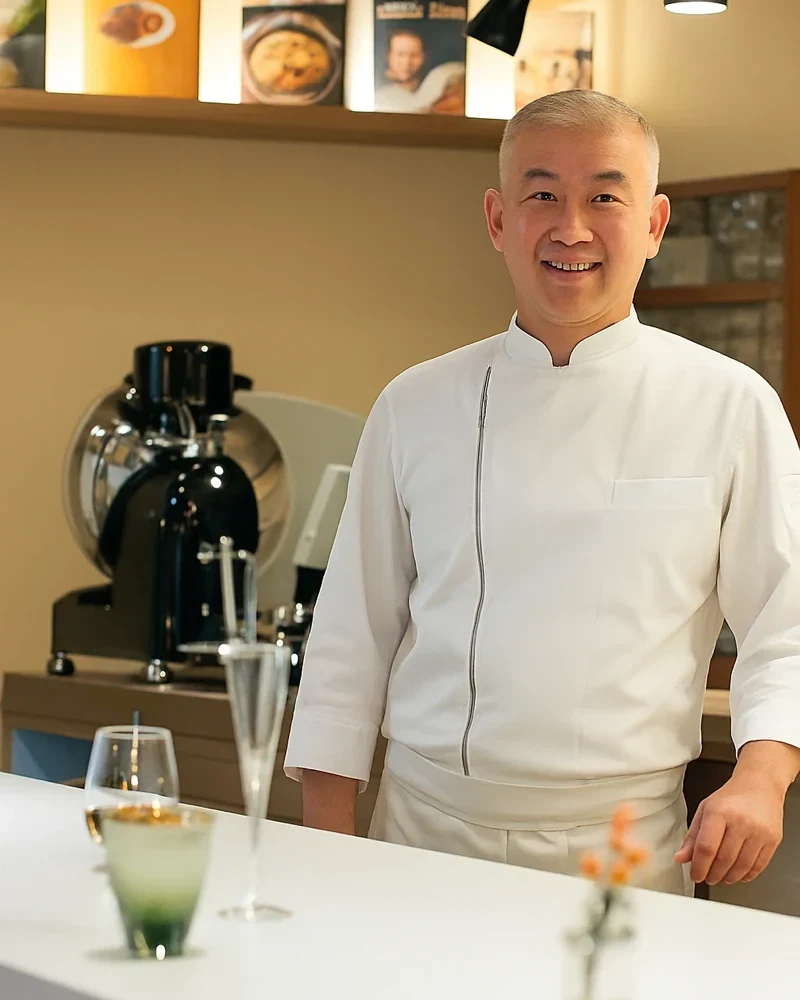
Similar places
Three Michelin-Star Modern French Fine Dining
Hélène Darroze at The Connaught
London, United Kingdom
★★★
Modern Caribbean Prix Fixe
Kabawa
New York City, United States
50 Best
Modern British Farm-to-Table
L'Enclume
Cartmel, United Kingdom
★★★
French Fine Dining Tasting Menu
Per Se
New York City, United States
★★★ · 50 Best
Japanese-influenced Californian Kaiseki
Single Thread Farm
Healdsburg, United States
★★★ · 50 Best
Contemporary American Fine Dining with French Influence
The Inn at Little Washington
Washington, United States
★★★
The Sunday letter
Get the next Made By story in your inbox.
We send one email every Sunday morning with the places and people we covered that week.
One email a week. Unsubscribe from any issue.