Mountain Foraging as Menu Architecture
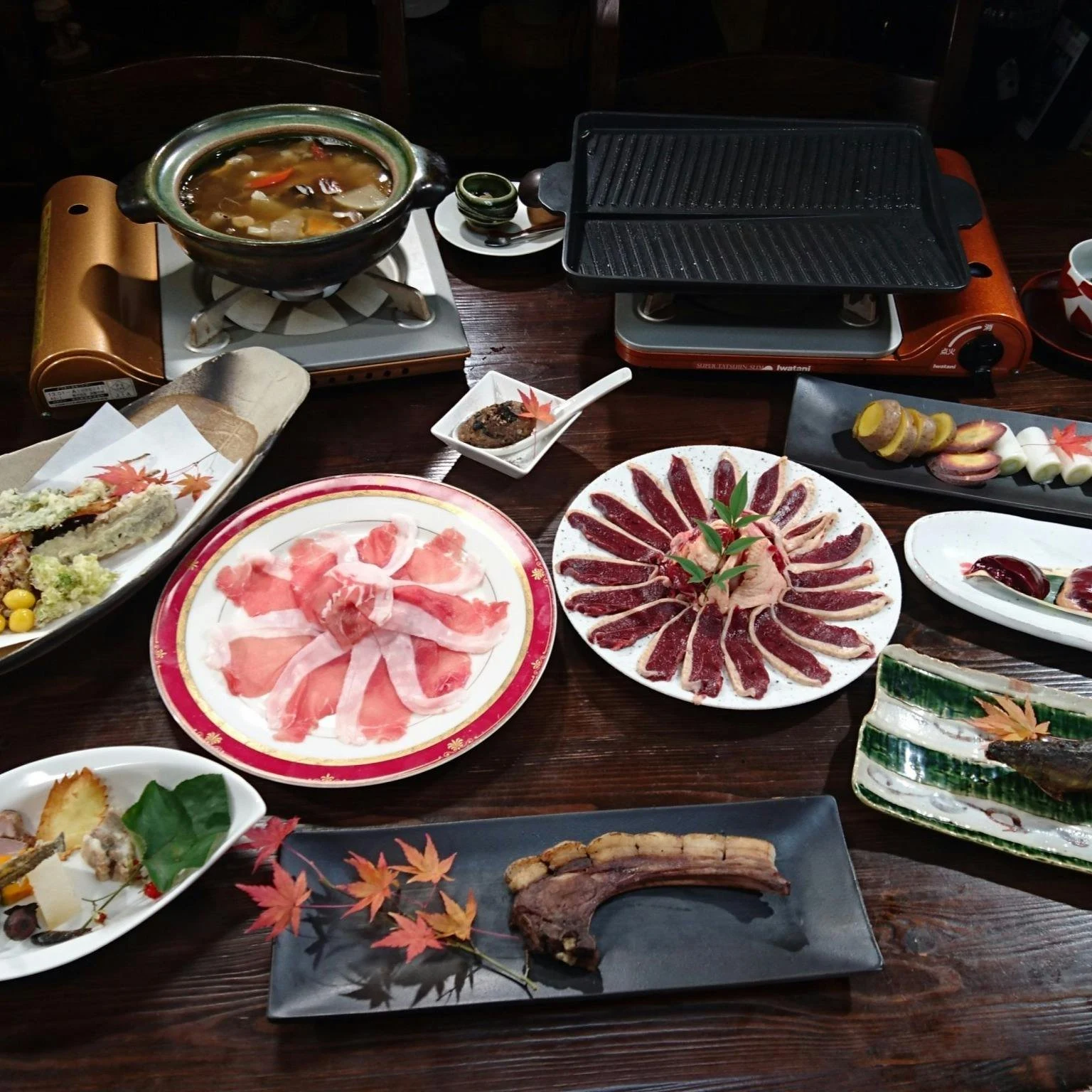
摘草料理 かたつむり is a restaurant in Yamagata, Gifu, serving 摘草・ジビエ料理 at about $100 per person. Not as a talking point printed on a menu card, but as the organizing logic of every dish, every season, every course. Tsumikusa ryori, literally "plucked-grass cuisine", is one of the older expressions of that philosophy, rooted in the practice of gathering wild mountain plants before they are cooked or preserved. 摘草料理 かたつむり, situated in Nagataki in the mountains of Gifu Prefecture (postal address: 502 Nagataki, Yamagata, Gifu 501-2135), operates inside this tradition with a seriousness that separates it from the broader wave of "farm-to-table" framing that has softened the concept elsewhere.
The name itself is a signal. Katatsumuri means snail in Japanese, an animal associated with slowness, moisture, and the kind of terrain where wild greens actually grow. Combined with tsumikusa ryori, the name describes both the method and the pace: ingredient-first cooking that follows the rhythm of what the surrounding mountain environment offers, not what a supply chain can deliver. In that sense, the menu architecture here is not designed in a kitchen. It is assembled in the field first, then interpreted at the stove.
What Tsumikusa Ryori Actually Means on the Plate
Japan has a long-established vocabulary for regional, terrain-specific cooking. Kaiseki formalizes seasonal precision into a codified sequence; shojin ryori applies Buddhist restraint to plant-based preparation; sansai ryori focuses on mountain vegetables gathered from forested slopes. Tsumikusa ryori sits closest to that last tradition, though it carries a more intimate, less institutionalized character. The dishes tend to reflect immediate availability rather than a fixed seasonal template, which means the menu at a place like かたつむり shifts not just season by season but week by week, depending on what the surrounding terrain is producing.
This creates a kind of menu architecture that resists standardization. There is no set piece dish that defines the restaurant the way a signature preparation might anchor a kaiseki counter in Kyoto. Instead, the structure is cumulative: small preparations, each plant or green handled according to its own texture and flavor profile, building toward a picture of the mountain at a specific moment in time. Restaurants in Japan's cities that attempt this format, and several do, in Osaka, Tokyo, and Kyoto, must work through intermediaries and scheduled deliveries. A restaurant physically located in the mountain terrain it draws from operates under different conditions entirely.
For points of comparison within Japan's broader fine-dining conversation, venues like Gion Sasaki in Kyoto or HAJIME in Osaka represent the end of the spectrum where technical mastery and formal kaiseki logic dominate. Harutaka in Tokyo and akordu in Nara show how ingredient-led thinking can coexist with formal structure. かたつむり represents the opposite pole: a place where the terrain dictates the format, not the other way around.
The Setting as Context, Not Backdrop
Nagataki sits in a valley in Gifu Prefecture, in the mountainous interior of Honshu. This is not a city-adjacent countryside destination. Getting here from Yamagata city in Gifu, or from larger transit hubs, requires deliberate planning and likely a car or arranged transport. That physical remove is not incidental to what the restaurant does, it is constitutive of it. The logic of tsumikusa ryori depends on proximity to source terrain, and the surrounding landscape here provides exactly the kind of forested, moisture-rich mountain environment where wild greens, edible plants, and seasonal herbs grow in quantity and variety.
Japan has a broader tradition of destination dining in rural or mountainous settings, where the journey is understood as part of the experience rather than an obstacle to it. Venues like 湖畔荘 in Takashima and 鷹羽荘 in Nishikawa Machi operate in similar registers, places where the setting is inseparable from the food's meaning. In that company, かたつむり makes geographic sense: you are not travelling despite the location, you are travelling because of it.
Planning and Practical Considerations
Reservations are essential, and the restaurant is open daily for lunch and dinner. This is consistent with a category of small, rural Japanese restaurant that operates primarily through local knowledge, repeat visitors, and word-of-mouth referral.
For those building a wider Yamagata and Gifu itinerary, the full Yamagata restaurants guide covers the broader dining picture, including urban options like Chuka Soba Dokoro Konpiraso, イル・コテキーノ, クレド, and レストラン パ・マル. Each represents a different register of the city's dining scene, useful context for understanding where かたつむり sits relative to the region's broader offerings.
The restaurant's rural location and format type also place it in a peer group with other mountain-terrain and nature-led dining experiences across Japan. 古代山乃 in Sapporo, 三本松 石川製 in Nanao, and Goh in Fukuoka each demonstrate, in their own ways, how regional Japanese cooking can carry national critical relevance without operating in a major urban center. Birdland in Sakai and Bistro Ange in Toyohashi further illustrate how destination dining outside Japan's main cities continues to attract serious attention. Even internationally, the shift toward terrain-specific tasting formats, visible at places like Le Bernardin in New York City and Atomix in New York City, reflects an appetite for menus that carry a legible argument about place and sourcing.
The Sunday letter
Get new places like 摘草料理 かたつむり every Sunday.
One email a week with the restaurants, bars and hotels we have just written up, and the people who run them.
One email a week. Unsubscribe from any issue.
Questions
Frequently asked
Who works at 摘草料理 かたつむり?
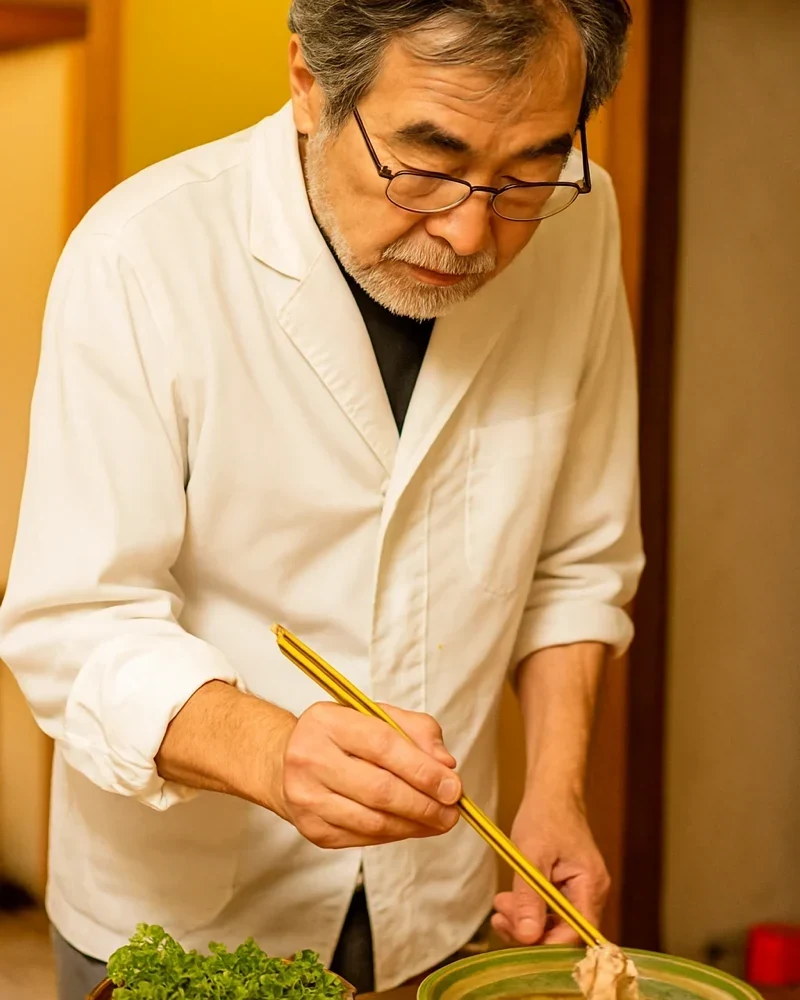
Made By profiles Shigeto Shimizu (Chef) at 摘草料理 かたつむり.
How expensive is 摘草料理 かたつむり?
摘草料理 かたつむり is listed at a price level of $$$$.
Where is 摘草料理 かたつむり and what does it serve?
摘草料理 かたつむり is in Yamanashi, Yamagata, serving 摘草・ジビエ料理.
The field
How it compares
| Place | Cuisine | Notes | Awards |
|---|---|---|---|
| 摘草料理 かたつむり | 摘草・ジビエ料理 | Yamanashi, $$$$ | · |
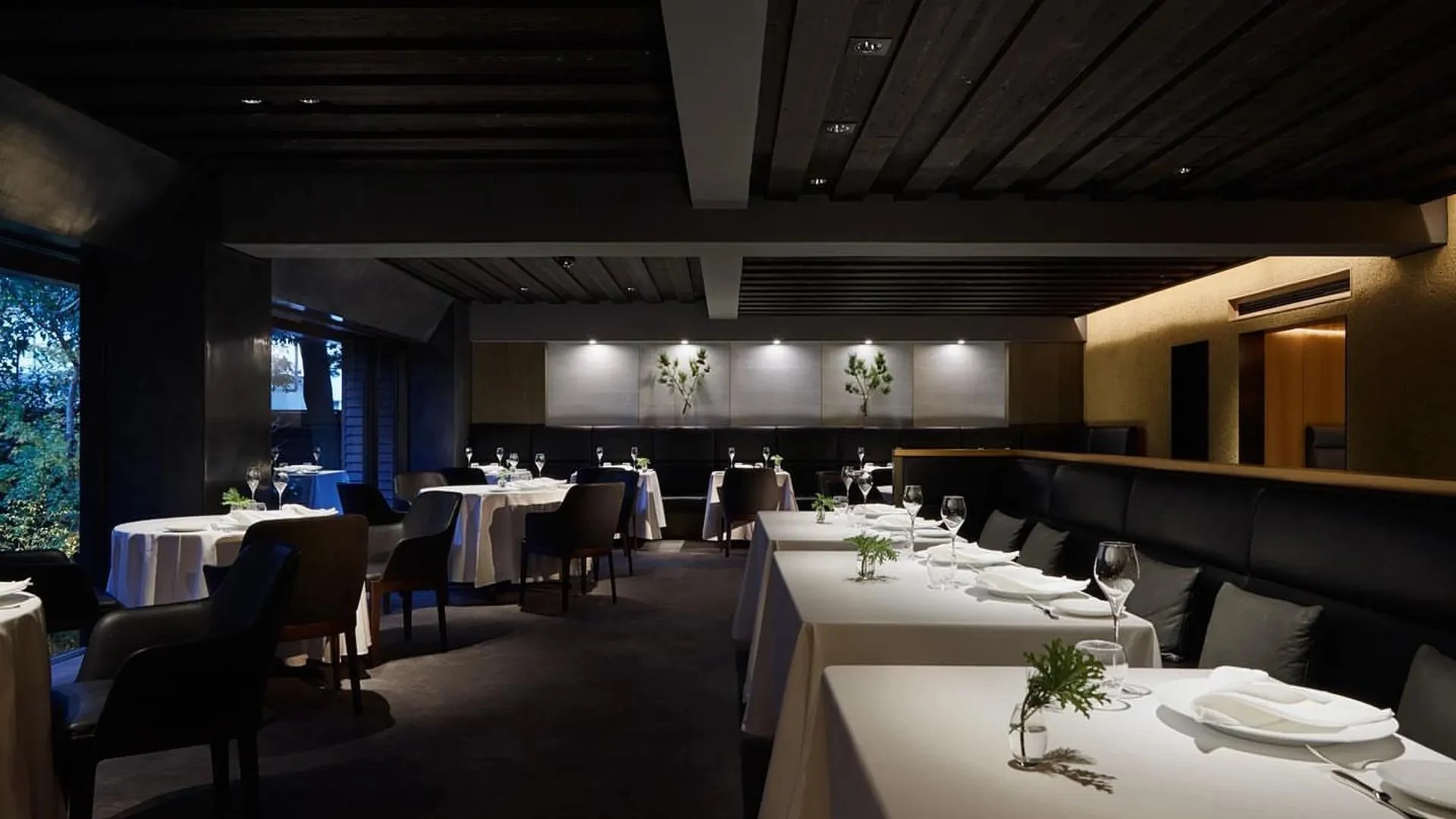
| Fu He Hui | Modern Seasonal Vegetarian Fine Dining | Shanghai | Michelin 2 Stars, World's 50 Best |
| Jungsik New York | Modern Korean Fine Dining | New York City | Michelin 3 Stars, World's 50 Best |
| L'Effervescence | Modern French with Japanese Influences | Tokyo | Michelin 3 Stars, World's 50 Best |
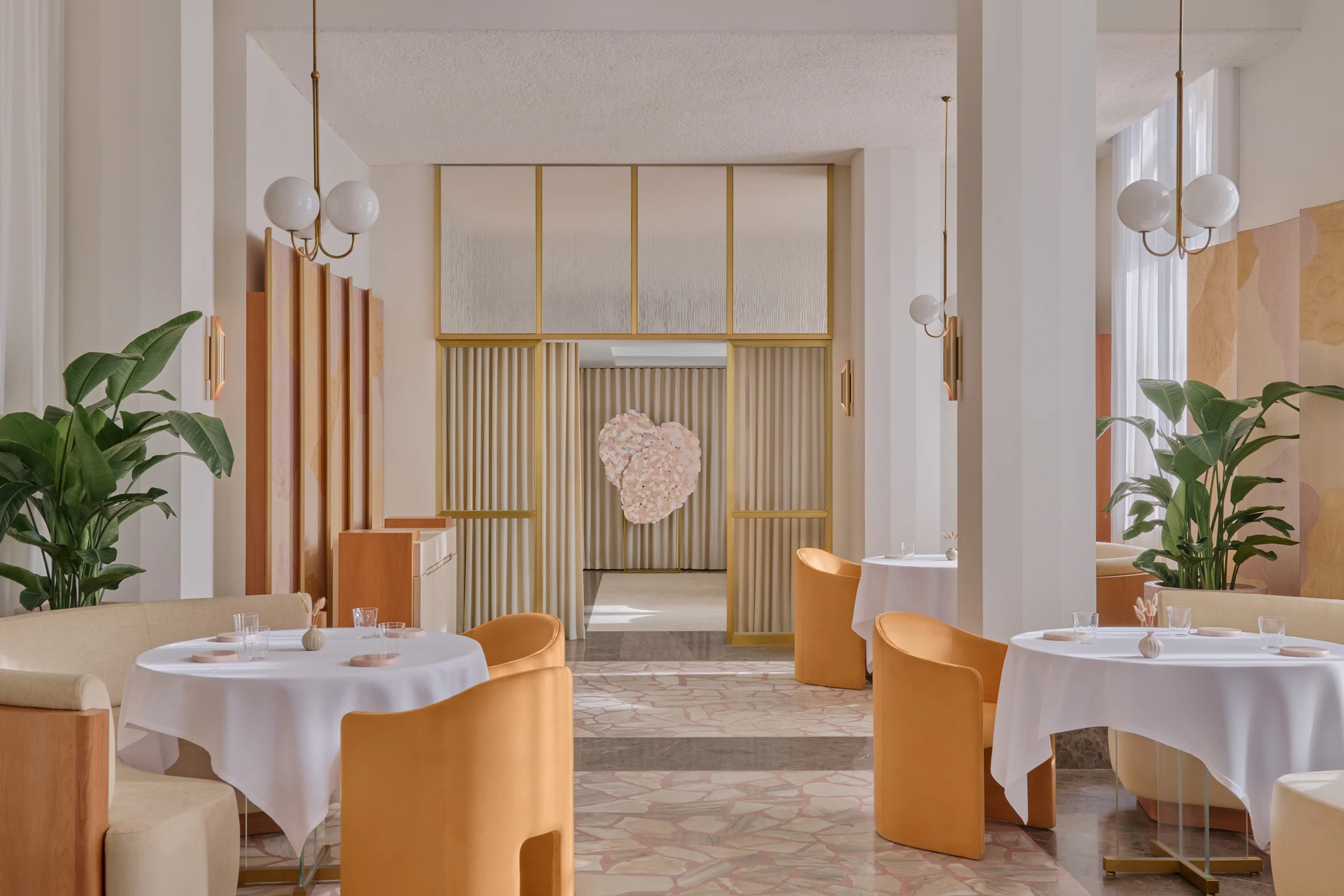
| Odette | Modern French Fine Dining | Singapore | Michelin 3 Stars, World's 50 Best |
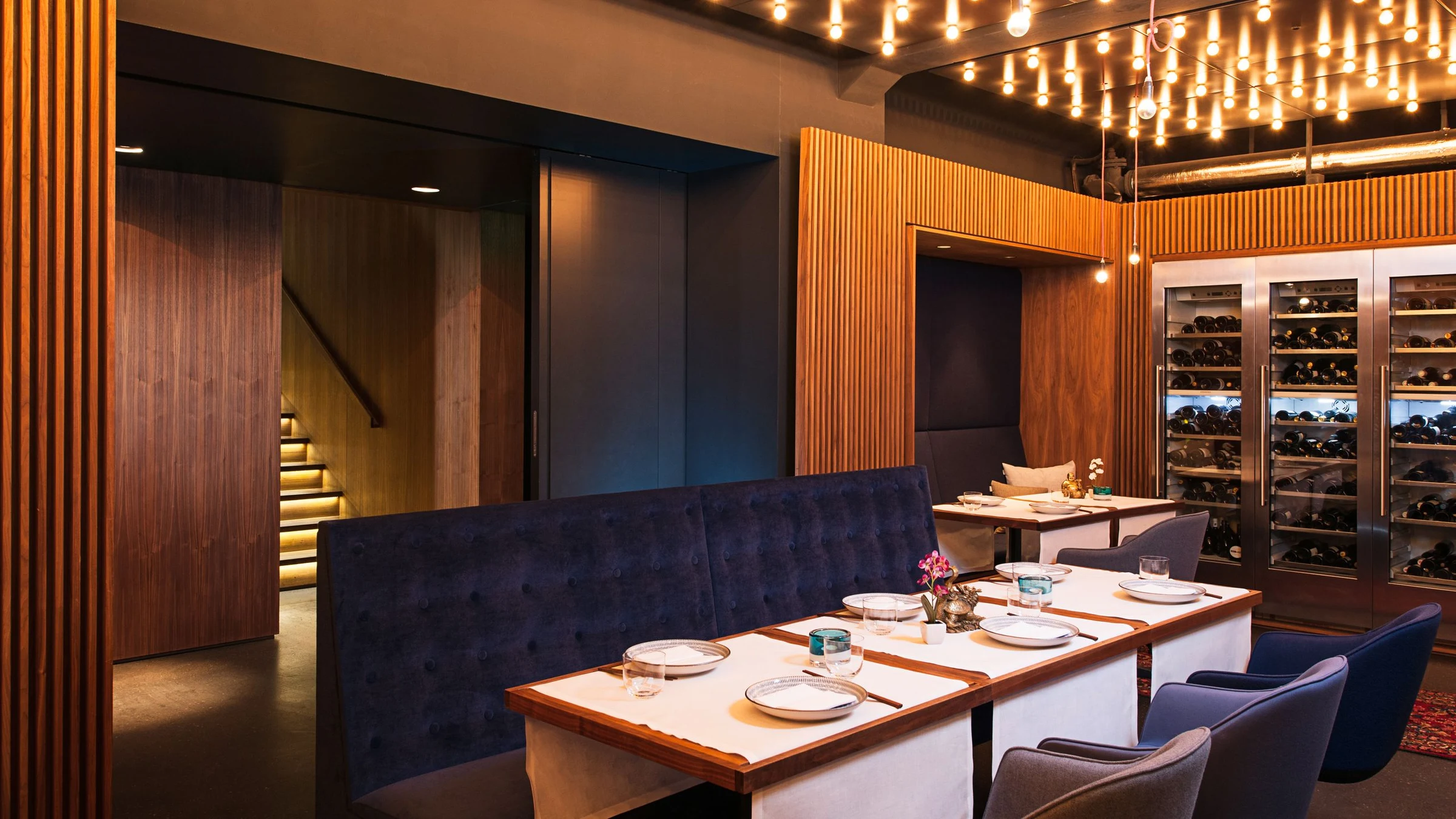
| Restaurant Tim Raue | Asian-German Fine Dining | Berlin | Michelin 2 Stars, World's 50 Best |
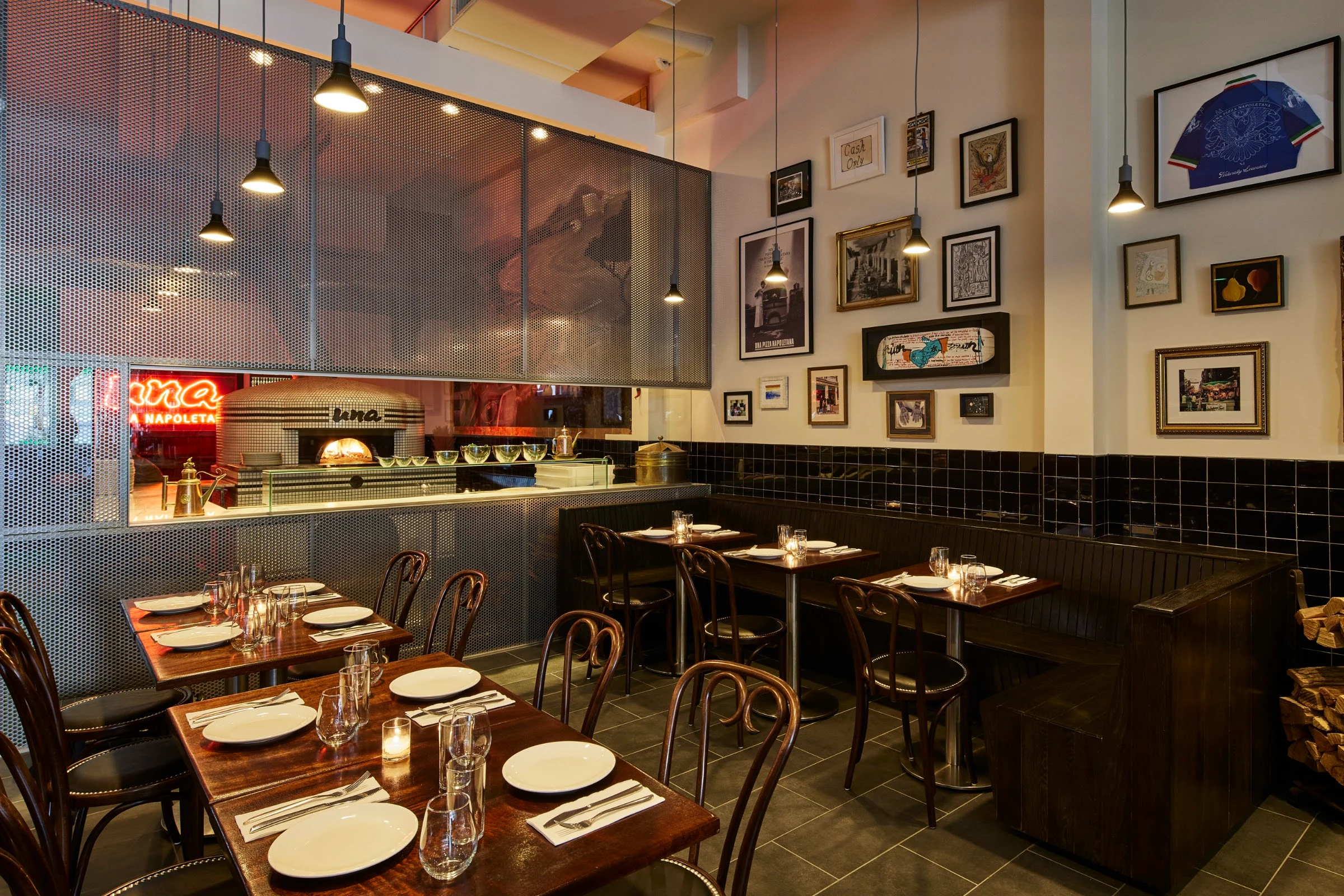
| Una Pizza Napoletana | Neapolitan Pizza | New York City | · |
In residence
Similar places
Modern Seasonal Vegetarian Fine Dining
Fu He Hui
Shanghai, China
★★ · 50 Best
Modern Korean Fine Dining
Jungsik New York
New York City, United States
★★★ · 50 Best
Modern French with Japanese Influences
L'Effervescence
Tokyo, Japan
★★★ · 50 Best
Modern French Fine Dining
Odette
Singapore, Singapore
★★★ · 50 Best
Asian-German Fine Dining
Restaurant Tim Raue
Berlin, Germany
★★ · 50 Best
Neapolitan Pizza
Una Pizza Napoletana
New York City, United States
The Sunday letter
Get the next Made By story in your inbox.
We send one email every Sunday morning with the places and people we covered that week.
One email a week. Unsubscribe from any issue.