Abbazia Santa Anastasia
- 01CityCastelbuono, Italy
- Falstaff Winery - Listed · 2026
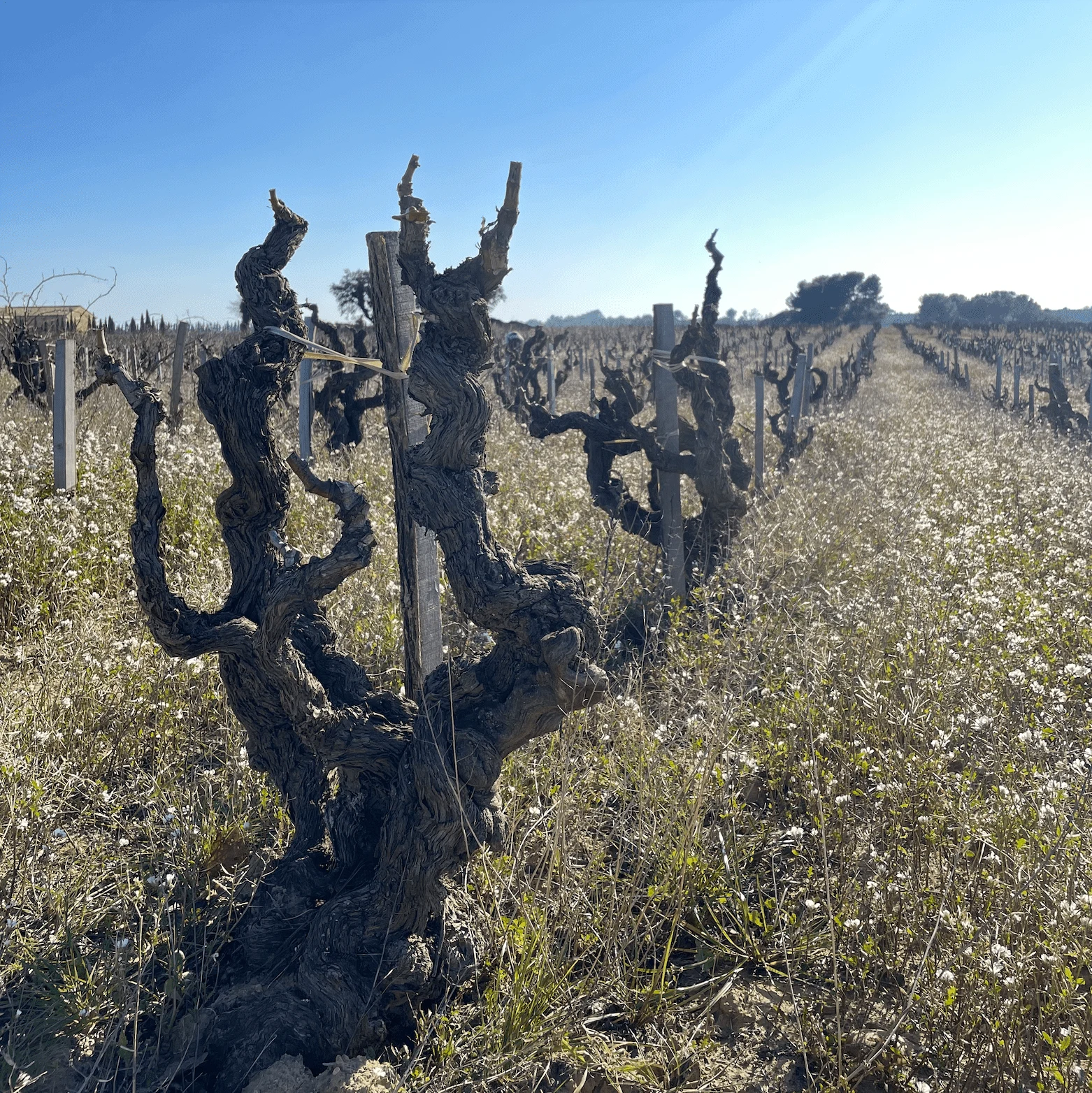
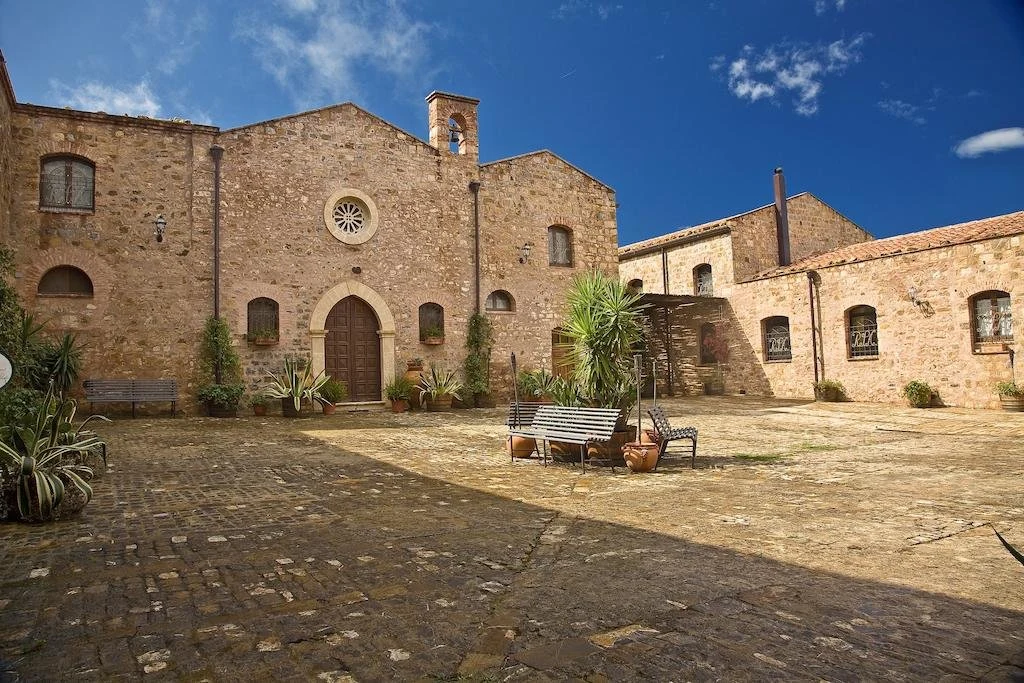
The approach to Abbazia Santa Anastasia is defined by stone, vine rows, and the Madonie mountains, not the usual Sicilian resort grammar of beach clubs and coastal gloss. Castelbuono sits inland from the northern coast, where Sicily feels cooler and more rural, with wine culture rooted in monastic landholding and agricultural continuity rather than spectacle. The abbey dates to the 12th century, founded as a Benedictine site, and that history matters: wine here is framed as land work first, hospitality second.
Sicily’s wine conversation is often reduced to Etna, Marsala, or the warmer southern zones. The Madonie hills offer another register: mountain influence, inland light, and an older agricultural rhythm suited to slower wine tourism. Abbazia Santa Anastasia uses that context directly. The estate works 65 hectares of vineyards, follows organic and biodynamic farming, and holds Demeter certification, a serious trust signal rather than decorative sustainability language. For broader food-and-drink planning, Our full Castelbuono wineries guide is the natural companion, while Our full Castelbuono restaurants guide places the estate’s dining component in local context.
Madonie terroir, biodynamic farming, and a cellar built around place
The estate’s strongest argument is not rarity, but the way its production model joins Sicilian varietal range with biodynamic discipline. The vineyards include Nero d’Avola, Cabernet Sauvignon, Merlot, Chardonnay, Syrah, and Inzolia, so the portfolio is not a single-grape manifesto. It reads as a working Sicilian estate, with international and indigenous material under one farming philosophy. Production spans 21 labels, including 17 still wines and 2 metodo classico sparkling wines, giving tastings enough breadth to move beyond a token flight.
In Italian wine travel, biodynamics can become atmosphere: lunar calendars, pastoral language, little operational evidence. Here, the persuasive details are concrete. A 750-square-metre photovoltaic system covers 80 percent of company energy needs, cellar water is reused for crop irrigation, plastic use has been reduced, and electric-car charging is built into the infrastructure. Those details make the sustainability claim legible. The point is not that a certificate improves wine by itself; it is that farming, energy, and hospitality appear to share the same premise.
The flagship named in the portfolio is Litra Biodinamico Demeter, a Sicilia DOC red made from 100 percent Cabernet Sauvignon. That choice is telling. Sicily’s premium identity is often built around native grapes, yet Cabernet has long belonged to the island’s modern cellar language. In the Madonie context, the interest is how an international grape is interpreted through biodynamic farming and inland Sicilian conditions rather than a generic luxury-red template. For Italian producers outside Sicily, compare the national range through 3GP SRL in Treviso, 47 Anno Domini in Trebaseleghe, and A Mano Wine in Noci, but keep the comparison national rather than local: no Castelbuono is needed to understand this address.
The abbey format turns tasting into a Sicilian hill-country experience
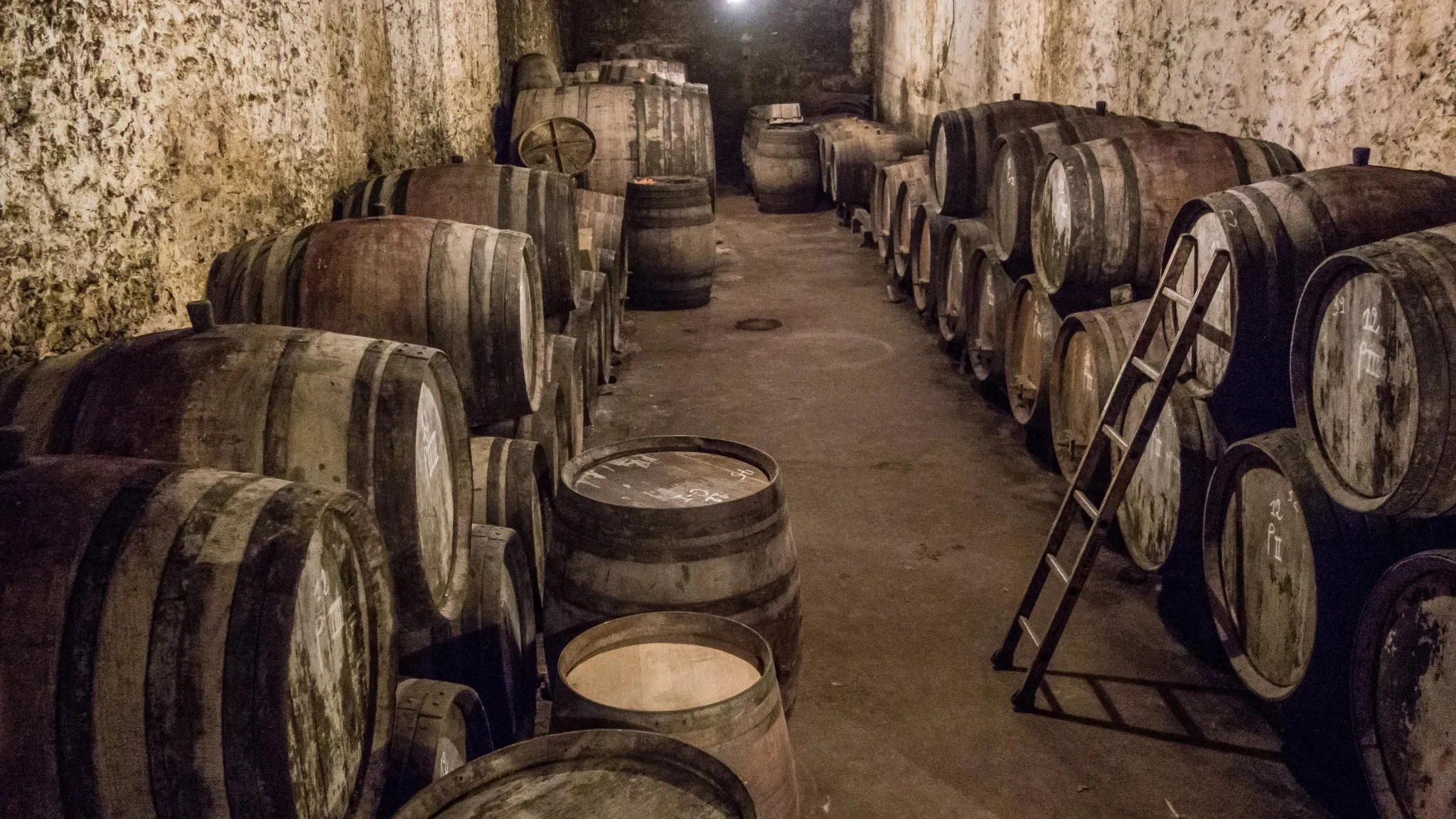
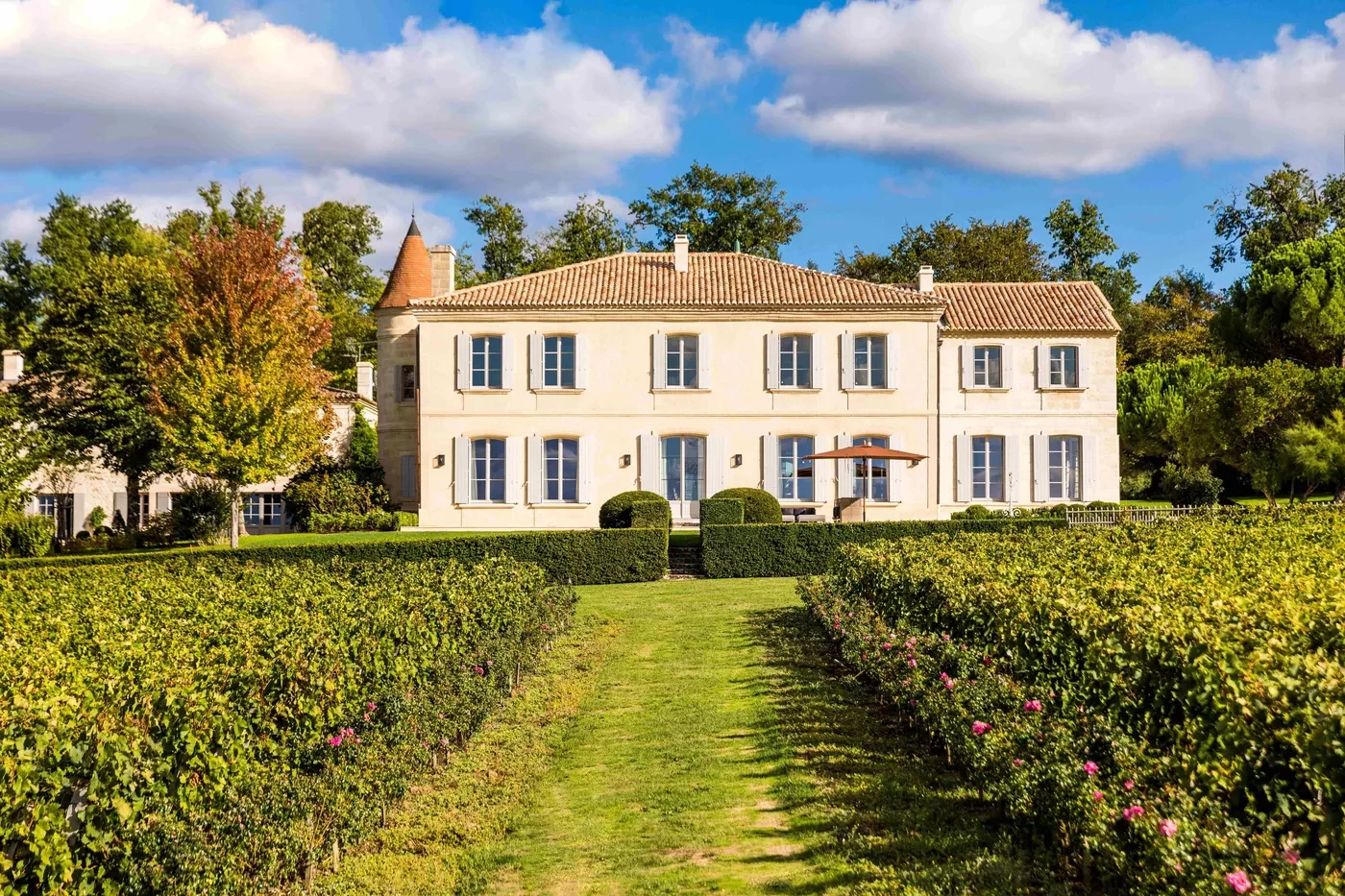
Wine resorts can drift into hotel theatre, with the cellar as backdrop for rooms, pools, and event photographs. Abbazia Santa Anastasia is more convincing as a working estate with a full hospitality layer. The setting is a medieval Benedictine abbey converted into a wine resort, with vineyard, mountain, and garden views. The atmosphere is quiet, romantic, rustic, and formal enough for a special occasion without becoming ceremonial.
The tasting program is guided rather than casual bar sampling. Estate tastings, cellar tours, vineyard walks, private tastings, and food pairings are part of the format, with tours in Italian and English and a listed duration of about one hour. Food is not an afterthought: the estate supports wine with pairings and Sicilian cooking, including produce from the abbey garden. That matters here, where wine is rarely best understood alone. Sicilian acidity, ripeness, herbs, olive oil, grain, and preserved vegetables all change how a glass reads at the table.
The hospitality profile also explains the price tier. This is a $$$$ address, not a quick rural tasting stop. Visits are by reservation, groups are accepted, children are allowed, outdoor seating is available, and accessibility includes wheelchair access and accessible parking. On-site parking reduces countryside travel friction. Smart casual dress fits: not formal dining armour, but not beachwear either. Travellers building a Castelbuono stay can pair the estate with Our full Castelbuono hotels guide, Our full Castelbuono bars guide, and Our full Castelbuono experiences guide.
Who should make time for the abbey
Estate is strongest for travellers who want Sicilian wine with architectural and agricultural context in one visit. It suits couples, small groups, families with older children, and corporate gatherings where the setting carries part of the occasion. It is less suited to anyone seeking a fast tasting between coastal stops. Better to give the grounds, cellar, and food pairing enough time to connect.
Its place within Italian wine travel is also worth reading beyond Sicily. Abbey estates and monastic sites form a recurring European wine pattern, where religious land management, agriculture, and hospitality overlap. For readers following that thread, Abbadia Ardenga in Torrenieri, Abbazia di Crapolla in Neapel, and Abbazia Monte Oliveto in Asciano extend the abbey-and-wine conversation across Italy. For a wider cellar map, a6mani in Fragagnano, Abrigo Fratelli in Diano D Alba, »der Steiner« Hans Steiner in Podersdorf am See, and & Handwein in Mannheim show how regions use scale, farming, and hospitality to frame wine.
Abbazia Santa Anastasia is not trying to compress Sicily into a postcard. Its value is narrower and stronger: biodynamic viticulture, a substantial 65-hectare vineyard base, a 12th-century abbey setting, and hospitality that lets the Madonie hills set the pace. In Castelbuono, that makes it a wine-led countryside address for travellers who care about farming systems, historic architecture, and the way place travels from vineyard to glass.
Questions
Frequently asked
How expensive is Abbazia Santa Anastasia?
Abbazia Santa Anastasia is listed at a price level of $$$$.
The field
How it compares
| Place | Notes |
|---|---|
| Abbazia Santa Anastasia | Madonie Park / hills above Cefalù, $$$$ |
| Château Rayas | Châteauneuf-du-Pape |
| Château Troplong Mondot | Saint-Laurent-des-Combes |
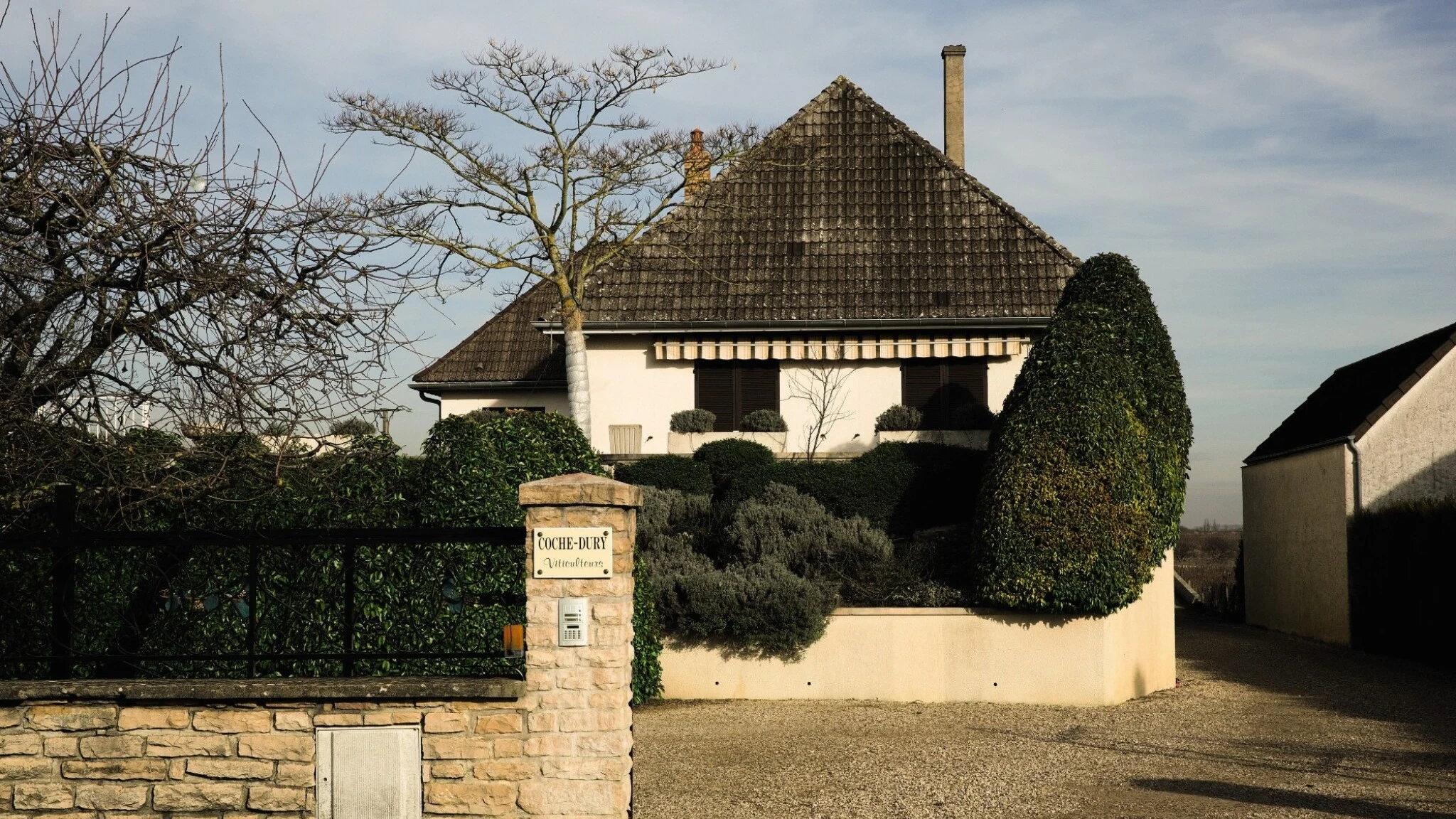
| Domaine Coche-Dury | Meursault |
| Domaine La Barroche | Châteauneuf-du-Pape |
| Domaine Leflaive | Puligny-Montrachet |
| Ornellaia | Castagneto Carducci |