Old vines, concrete, French oak
- Falstaff Winery - Listed · 2026
Since 2005 in the Marseillette cellar
The selection starts parcel by parcel before the fruit reaches the tank. Laurent Delaunay, winemaker at Abbotts & Delaunay in Marseillette, has worked here since 2005, bringing a Burgundian sense of site to the Languedoc rather than imposing a single house manner on it. He is the fifth generation of a Burgundy family of wine producers and négociants, and his role at the estate sits inside that longer discipline: choose the vineyard with care, keep extraction restrained, let freshness hold the line. The winery itself began in 1996, on a Marseillette estate whose original building dates to 1803, near Carcassonne and within reach of the Pyrenees foothills, the Cévennes, the Mediterranean coast, and the right bank of the Rhone. Delaunay speaks of the work in terms of duty. “I try to do my best; I am somebody who has a high sense of duty and I was raised in a family where sense of duty was important.” That sentence suits the cellar better than any flourish. Here, the hand is most visible in the refusal to let warmth become weight.
Old vines chosen across the appellations
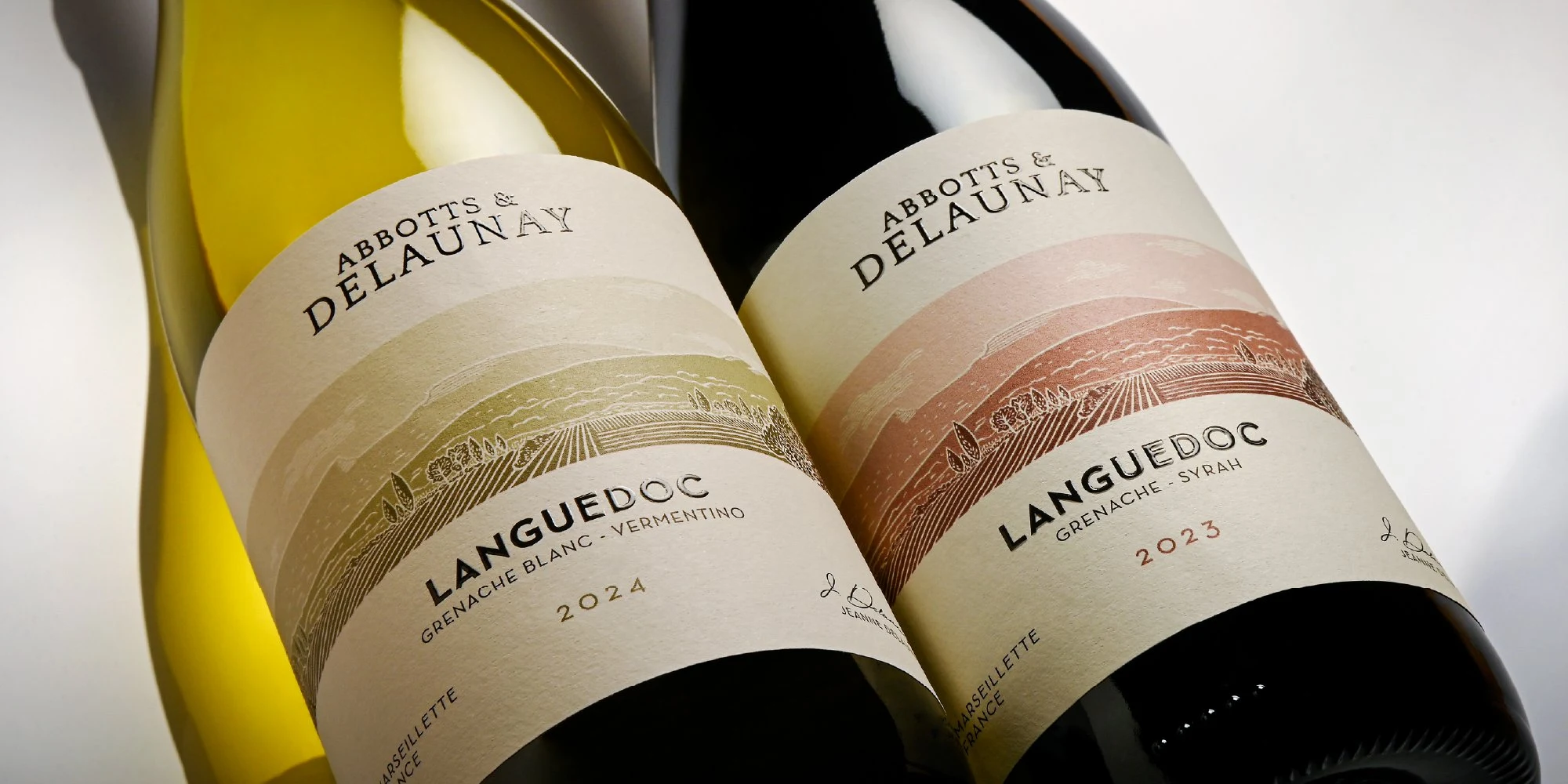
The method depends on rigorous vineyard selection across the Languedoc, with particular attention to old vines, high-altitude sites, and soils that change quickly from one terrace to the next. Corbières, Minervois, Faugères, Limoux, Minervois La Livinière, Corbières-Boutenac, Saint-Chinian, and Haute Vallée de l’Aude all appear in the estate’s range, not as a tour of labels but as a map of different raw materials. Schist, limestone, rolled pebbles, sandstone, marls, limestone scree, and clay-limestone each ask for a different pressure in the cellar. Grapes may be harvested by hand, then vinified varietal by varietal, with gentle extraction and extended ageing in tanks or French oak barrels. Chardonnay, Pinot Noir, Viognier, Sauvignon Blanc, and Syrah all move through the program, with the house also making a sparkling wine from organically grown high-altitude Limoux fruit, Pinot Noir and Chardonnay, aged for 24 months. Cumulo Nimbus remains the historic micro-cuvée, made from old, high-altitude Minervois vines.
Concrete, steel, and two ageing cellars
The Marseillette building holds its age without asking the cellar to behave like a museum. Stainless steel and glazed concrete tanks sit inside the renovated 1803 structure, with two ageing cellars giving the wines time away from the brightness of the Languedoc sun. The room is quiet in the way working wineries are quiet: hoses, tanks, barrels, and decisions, not performance. The Burgundian influence shows in proportion more than polish. Freshness is protected. Balance is treated as a technical outcome, not a tasting-room adjective. Outside the cellar, the estate draws from a landscape of old vines and broken geology; inside, Delaunay’s work is to keep those differences legible in the glass. The house does not make volume the point. It is the line held between Minervois fruit, French oak, and the 1803 building.
Questions
Frequently asked
Who makes the wine at Abbotts & Delaunay?
Laurent Delaunay is the winemaker at Abbotts & Delaunay in Marseillette, and he has worked there since 2005. He is the fifth generation of a Burgundy family of wine producers and négociants.
What is the house approach to winemaking?
The estate starts parcel by parcel before the fruit reaches the tank, with rigorous vineyard selection and a restrained use of extraction. Freshness is kept at the centre of the work, and the Burgundian influence shows in proportion rather than in a single imposed style.
Which grapes and wine regions does the winery work with?
Abbotts & Delaunay works with Chardonnay, Pinot Noir, Viognier, Sauvignon Blanc, and Syrah. Its range includes fruit from Corbières, Minervois, Faugères, Limoux, Minervois La Livinière, Corbières-Boutenac, Saint-Chinian, and Haute Vallée de l’Aude.
What is the setting of the winery?
The winery began in 1996 on a Marseillette estate whose original building dates to 1803. It sits near Carcassonne and within reach of the Pyrenees foothills, the Cévennes, the Mediterranean coast, and the right bank of the Rhone.
Is Abbotts & Delaunay walk-in friendly?
Yes. The venue is listed as walk-in friendly.
The field
How it compares
| Place | Notes | Awards |
|---|---|---|
| Abbotts & Delaunay | Marseillette, $$ | · |
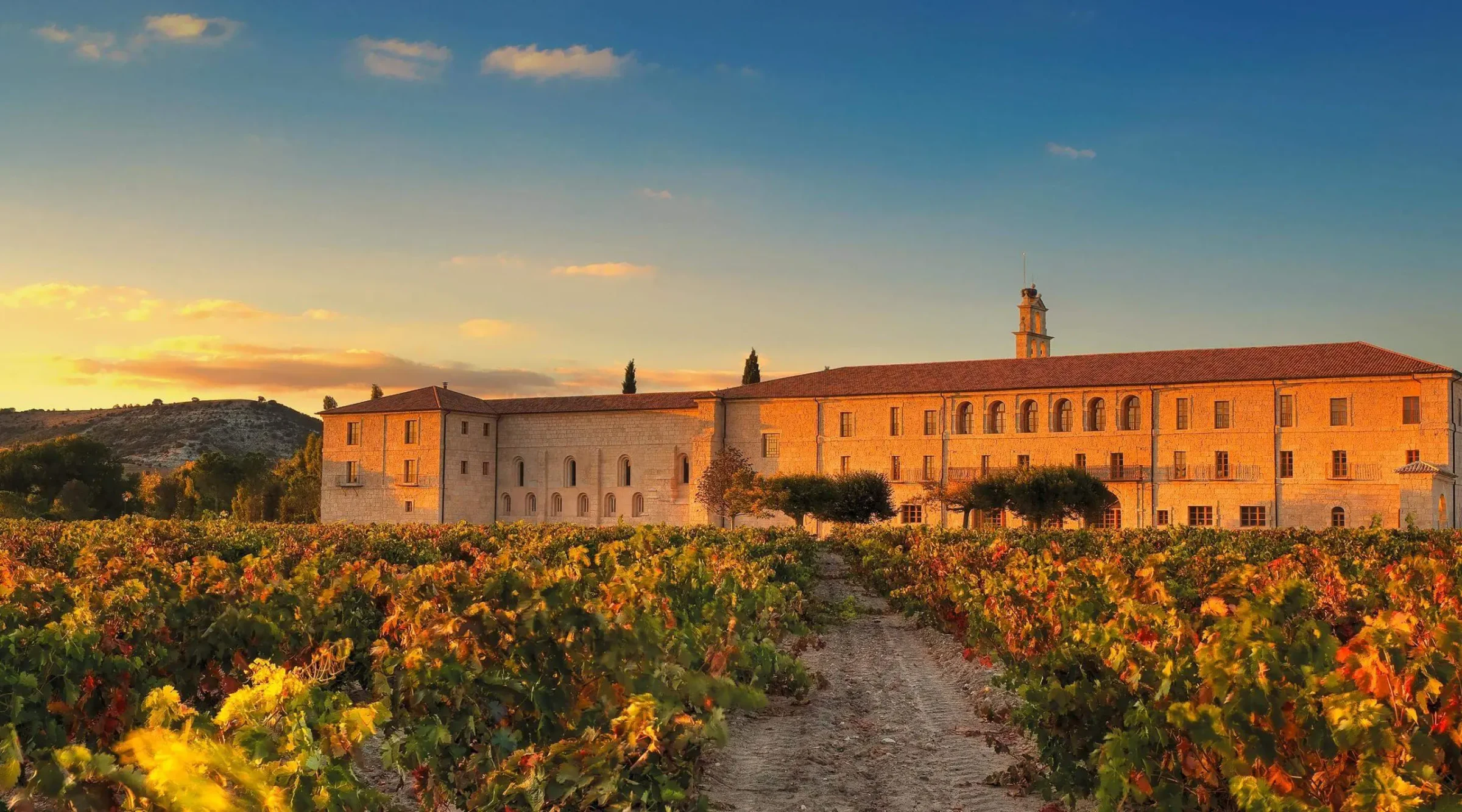
| Abadía Retuerta | Sardón de Duero | World's 50 Best |
| Chateau Haut-Brion | Pessac | World's 50 Best |
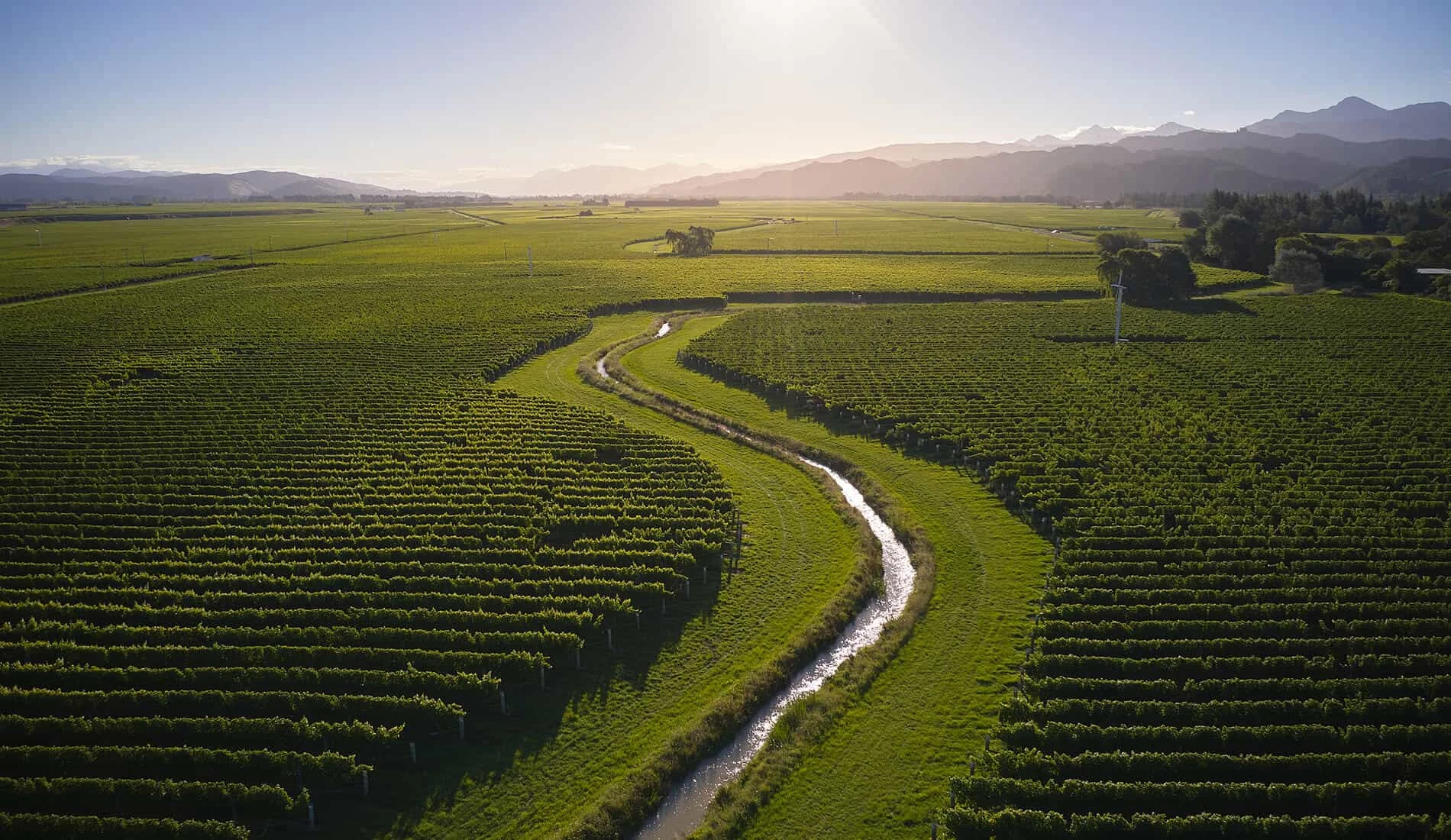
| Cloudy Bay Vineyards | Blenheim | World's 50 Best |
| Domaine Arnaud Ente | Meursault | · |
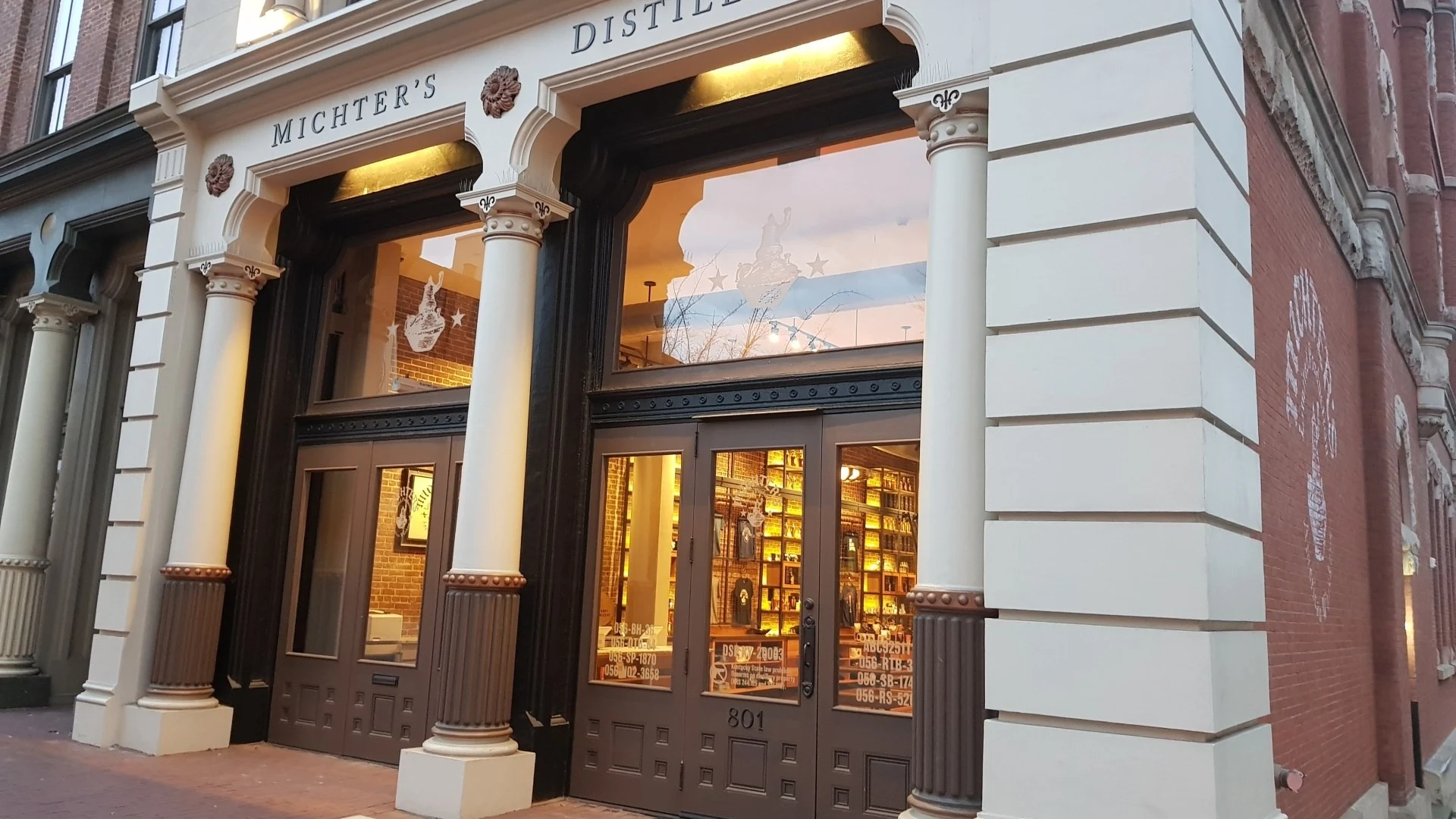
| Michter's | Louisville | · |
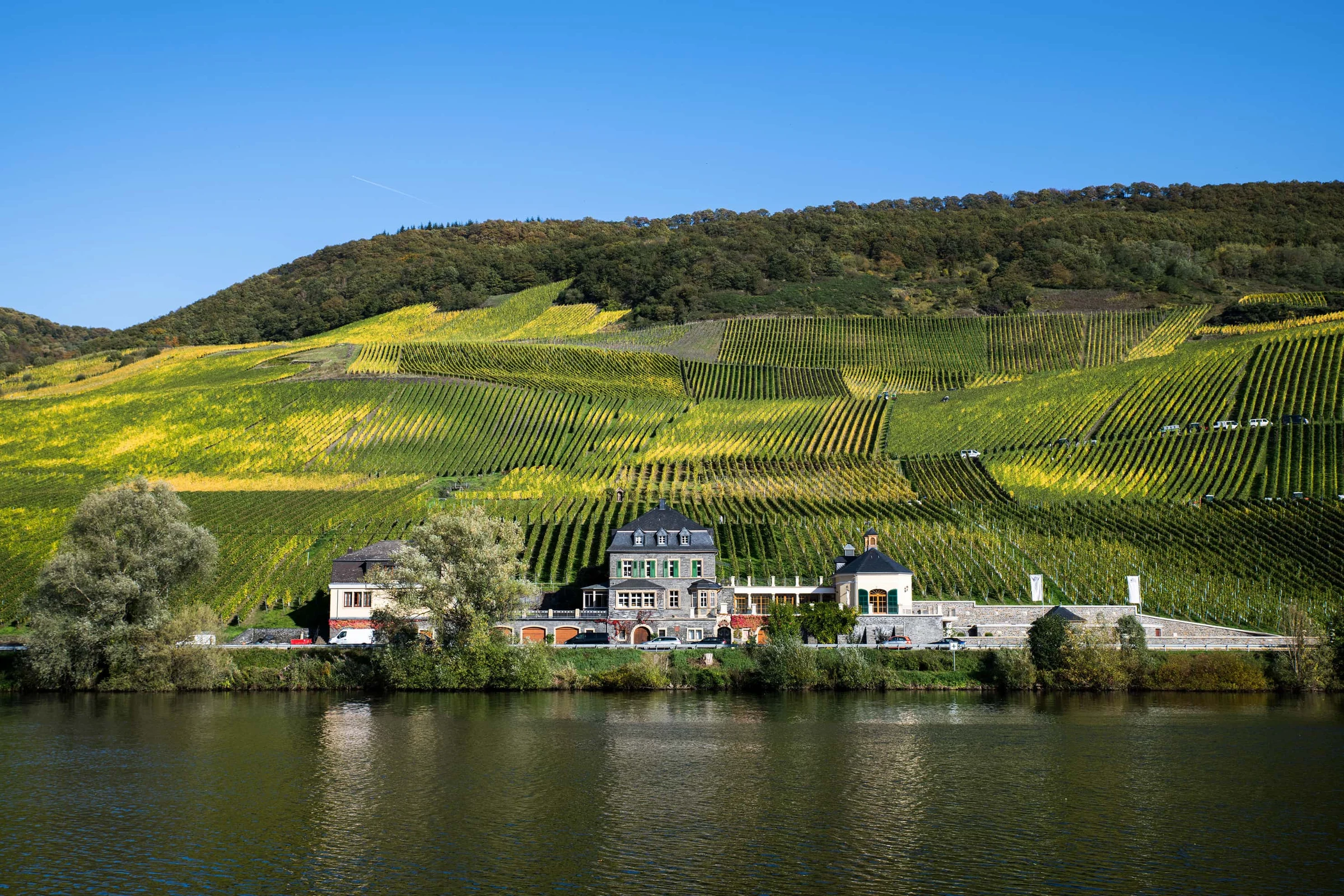
| Weingut Dr. Loosen | Bernkastel-Kues | World's 50 Best |