Abe Fisher
In Residence
Michael Solomonov
Chef
- 01CuisineModern Jewish Diaspora
- 02CityPhiladelphia, United States
- Opinionated About Dining Casual in North America Recommended · 2023
Where Sansom Street Meets the Jewish Diaspora Table
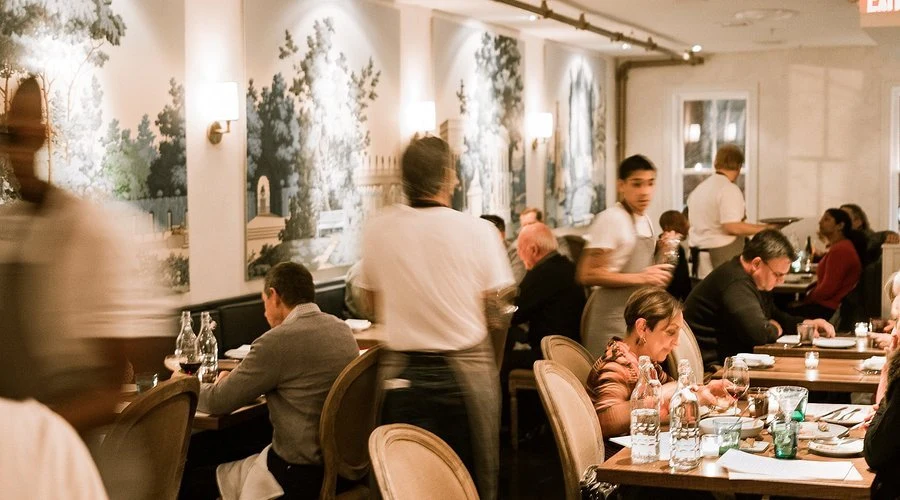
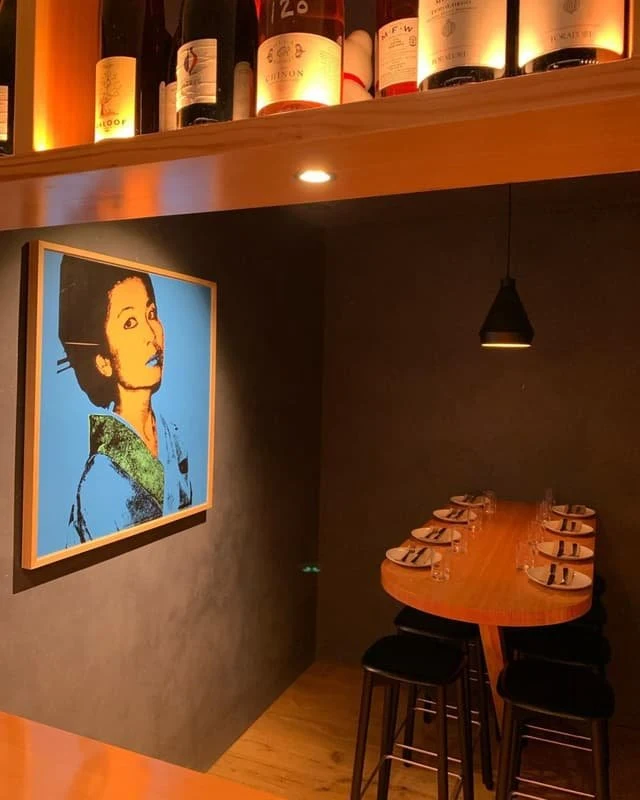
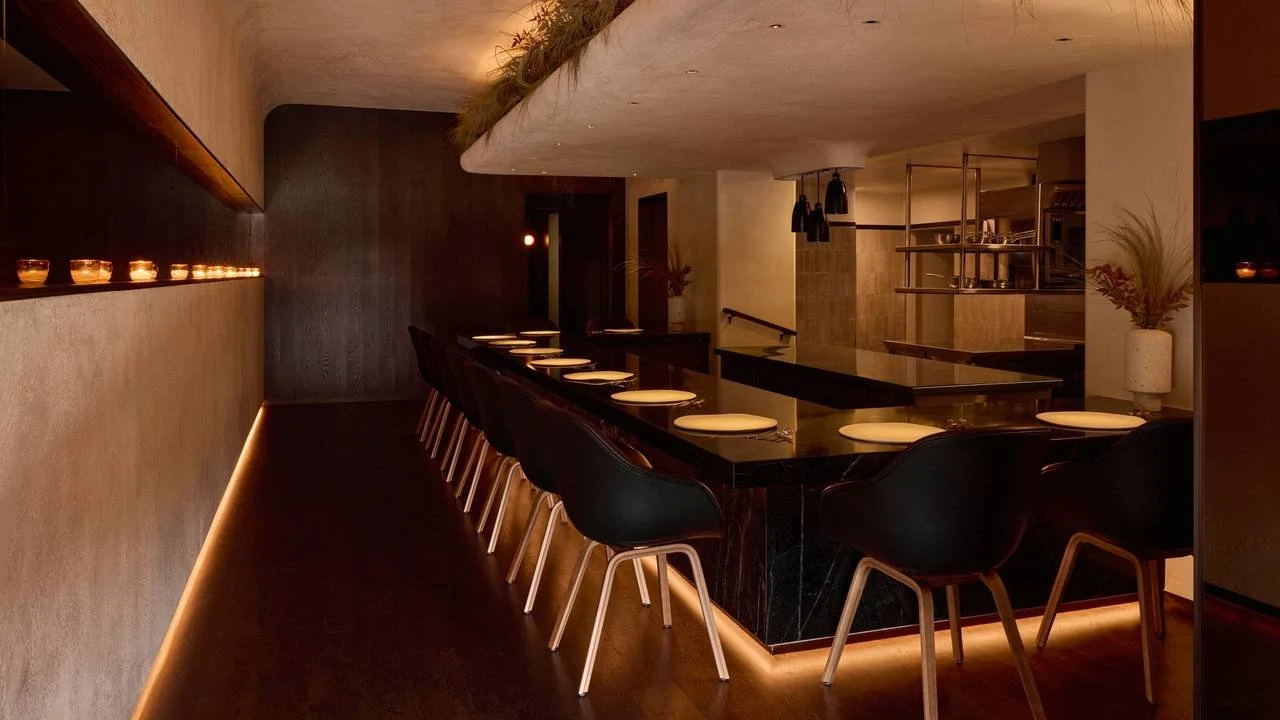
The block of Sansom Street between 16th and 17th in Philadelphia's Rittenhouse Square corridor carries a particular density of mid-format restaurants that reward repeat visits more than single occasions. Abe Fisher sits in that stretch, and from the outside it signals something specific: this is not a deli, not a modern Israeli pop-up, and not a European-style bistro. The format borrows from all three traditions and commits to none of them fully, which is exactly the point. Jewish diaspora cooking, as a culinary category, has rarely found a stable home in American restaurant formats, and Abe Fisher represents one of the more considered attempts to give it one.
The Israeli Kitchen in an American City
Israeli cuisine, or more precisely, the cooking that has emerged from Israeli food culture over the past three decades, draws from Levantine, North African, Eastern European, and Yemenite traditions simultaneously. It is not a single technique or a single ingredient but a negotiation between influences, shaped by waves of immigration and by geography that places the country at the intersection of multiple food cultures. In American cities, that tradition has been interpreted with varying degrees of authenticity and ambition. At the casual end of the spectrum, hummus bars and shakshuka brunch spots are now common from Brooklyn to Los Angeles. The more serious interpretations, like Abba Telavivian Kitchen in Miami, attempt to work with the full range of that tradition rather than selecting its most accessible export flavors.
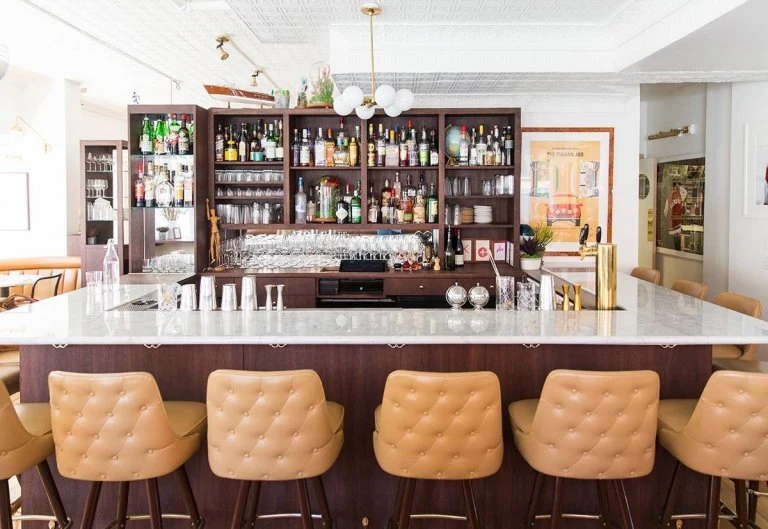
Abe Fisher operates in that more serious register while maintaining the pricing and atmosphere of a neighborhood restaurant. The 2023 Opinionated About Dining Casual North America Recommended designation places it in a peer group defined less by formality than by seriousness of intent. OAD's casual list in North America is selective enough that inclusion signals something substantive about the kitchen's approach.
Philadelphia's Dining Position and Where Abe Fisher Fits
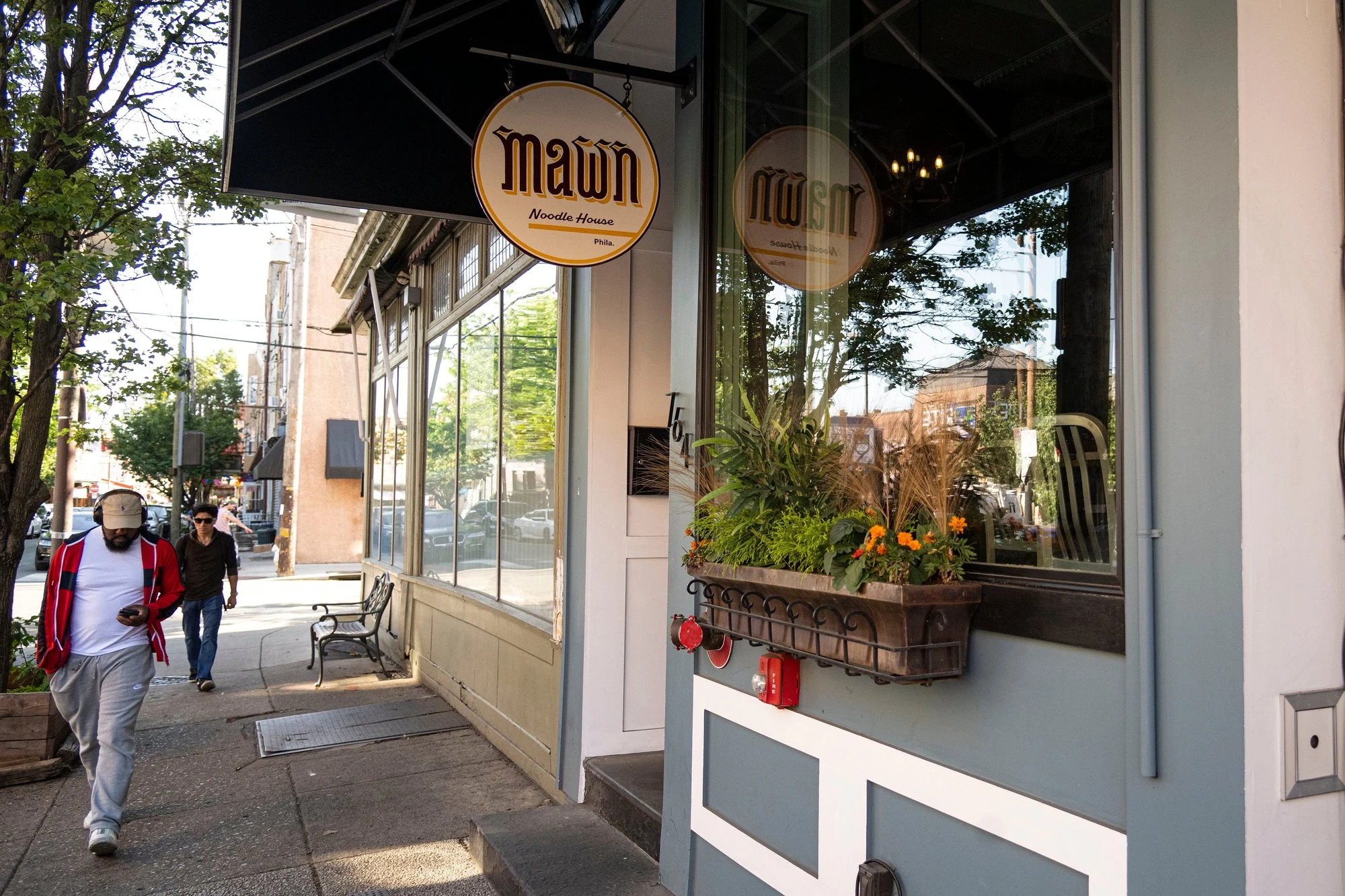
Philadelphia's restaurant scene has consolidated around a recognizable set of strengths over the past decade. The city's New American restaurants, places like Fork and Friday Saturday Sunday, represent a well-developed upper tier with critical recognition to match. At the casual and mid-format level, the city also supports a range of immigrant-tradition kitchens, from South Philly Barbacoa's Mexican cooking to Mawn's Cambodian and pan-Asian kitchen. My Loup holds a distinct position in the French-inspired tier. Abe Fisher sits in a gap that most of these restaurants do not occupy: the space between comfort-driven Jewish-American food and the more technique-forward Israeli restaurant format that has emerged in major coastal cities over the past decade.
That positioning is not incidental. Rittenhouse Square's dining corridor attracts a clientele with enough culinary curiosity to support a kitchen that asks something of its audience, namely, some familiarity with, or at least openness to, flavor profiles that do not default to the familiar American-European axis. A 4.6 Google rating across 1,080 reviews suggests that the kitchen has found a consistent audience willing to return, which matters more for this type of restaurant than first-visit novelty.
The Culinary Tradition Behind the Menu
What makes Israeli-influenced cooking genuinely interesting as a restaurant format is its relationship to time. Many of the foundational preparations, the slow-cooked braises, the fermented and pickled accompaniments, the spice blends built from multiple regional traditions, require patience that fast-casual formats cannot accommodate. At the table, that time investment shows in depth of flavor rather than in complexity of presentation. The food tends to look simpler than it tastes, which is the opposite of the plating-first approach that has defined much of American tasting-menu culture. Compared to the technically elaborate formats practiced at places like Alinea in Chicago or the agricultural-narrative menus at Single Thread Farm in Healdsburg, Abe Fisher operates in a different register entirely, one where the argument is made through flavor rather than through theater.
The Jewish diaspora element adds another layer. Unlike, say, the French classical tradition, which informs kitchens from Le Bernardin in New York City to The French Laundry in Napa, Jewish diaspora cooking does not have a single canonical source. It is defined by displacement and adaptation, which means that any given dish on the menu at a place like Abe Fisher may draw simultaneously from Ashkenazi, Sephardic, and Mizrahi traditions. That intellectual richness is also a marketing challenge: it requires more explanation than a cuisine with a single geographic identity, and it rewards curiosity more than it rewards casual ordering.
A Kitchen That Earns Repeat Visits
The practical reality of Abe Fisher is that it functions as a neighborhood restaurant that happens to be doing something more specific than most neighborhood restaurants attempt. The OAD recognition and the sustained Google rating both point in the same direction: this is a kitchen where the quality holds across visits, which is the harder achievement. High-profile kitchens in cities like San Francisco, where something like Lazy Bear has built a following around a very specific format, often trade on first-visit spectacle. Consistency across a broader audience at a casual price point is a different kind of discipline. Emeril's in New Orleans and Antler Room in Kansas City both demonstrate how regional American kitchens can build durable reputations outside the coastal fine-dining spotlight, Abe Fisher belongs to a similar conversation in Philadelphia.
For visitors building a Philadelphia itinerary, Abe Fisher works well understood as a complement to the city's stronger New American and immigrant-tradition restaurants rather than a replacement for them. The full picture of what Philadelphia's mid-format dining scene can do requires moving between those categories.
Abe Fisher is located at 1625 Sansom St, Philadelphia, PA 19103, within easy walking distance of Rittenhouse Square. Given the absence of published booking details in current records, checking directly through the restaurant's current channels before visiting is advisable, particularly on weekend evenings when the Rittenhouse corridor draws consistent traffic.
Questions
Frequently asked
Who works at Abe Fisher?
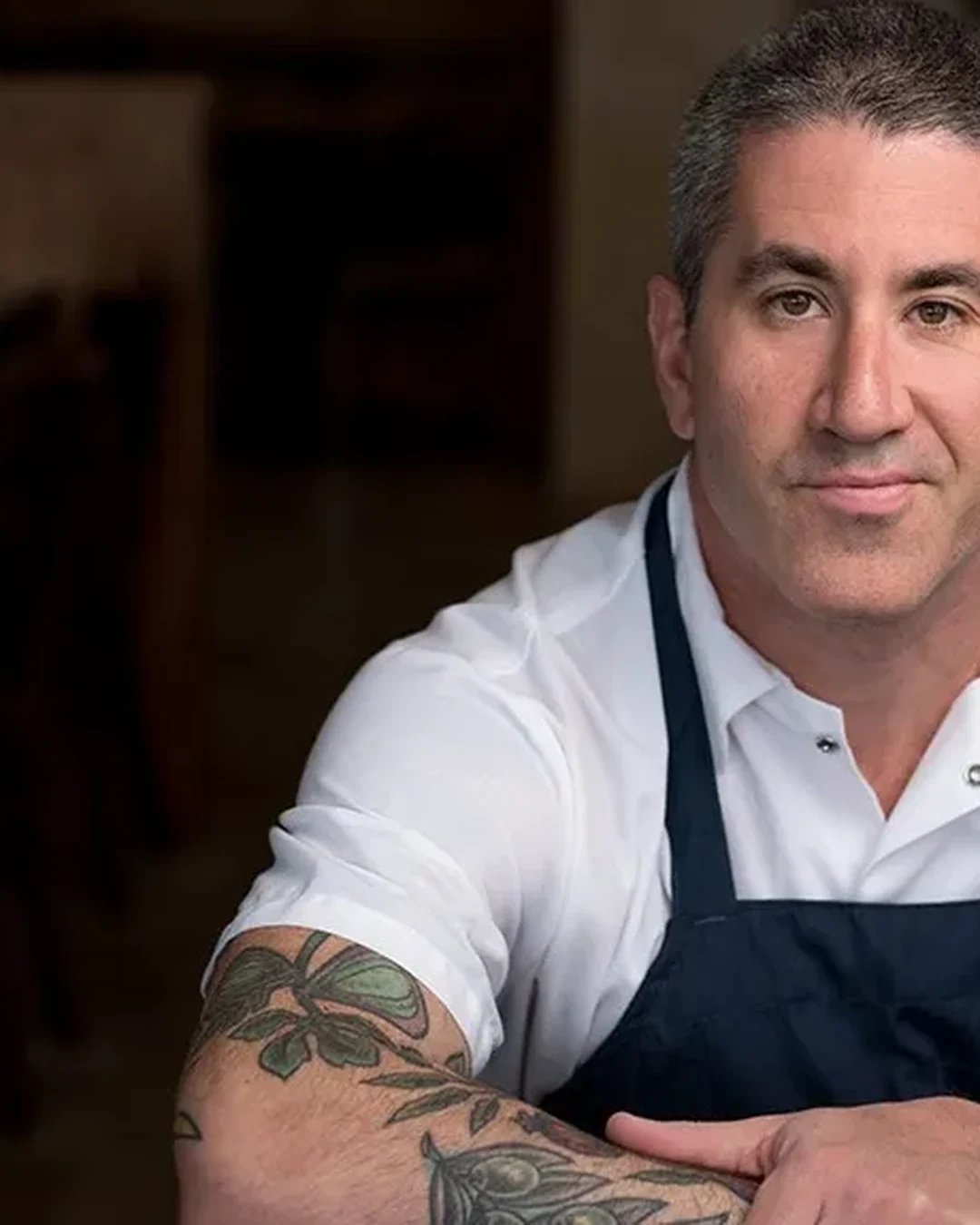
Made By profiles Michael Solomonov (Chef) at Abe Fisher.
How expensive is Abe Fisher?
Abe Fisher is listed at a price level of $$$.
Where is Abe Fisher and what does it serve?
Abe Fisher is in Rittenhouse Square, Philadelphia, serving Modern Jewish Diaspora.
The field
How it compares
| Place | Cuisine | Notes | Awards |
|---|---|---|---|
| Abe Fisher | Modern Jewish Diaspora | Rittenhouse Square, $$$ | · |
| Friday Saturday Sunday | Modern American Tasting Menu | Philadelphia | Michelin 1 Star, World's 50 Best |
| Her Place Supper Club | Seasonal French-Italian Fine Dining | Philadelphia | Michelin 1 Star |
| Kalaya | Southern Thai | Philadelphia | World's 50 Best |
| Mawn | Modern Cambodian Noodle House | Philadelphia | · |
| Pizzeria Beddia | Exceptional Neapolitan-Style Pizza | Philadelphia | · |
| Provenance | Modern French-Korean Fine Dining | Philadelphia | Michelin 1 Star |
In residence
Similar places
Modern American Tasting Menu
Friday Saturday Sunday
Philadelphia, United States
★ · 50 Best
Seasonal French-Italian Fine Dining
Her Place Supper Club
Philadelphia, United States
★
Southern Thai
Kalaya
Philadelphia, United States
50 Best
Modern Cambodian Noodle House
Mawn
Philadelphia, United States
Exceptional Neapolitan-Style Pizza
Pizzeria Beddia
Philadelphia, United States
Modern French-Korean Fine Dining
Provenance
Philadelphia, United States
★