Aestivum
- 01CuisineTerroir European Fine Dining
- 02CityMelnik, Bulgaria
- Wine Spectator · Tier 2
- Relais Chateaux Award · 2026
- Wine Spectator Best of Award of Excellence · 2026
- Wine Spectator Best of Award of Excellence · 2025
- Relais Chateaux Award · 2025
Where the Rhodope Foothills Meet the Dinner Table
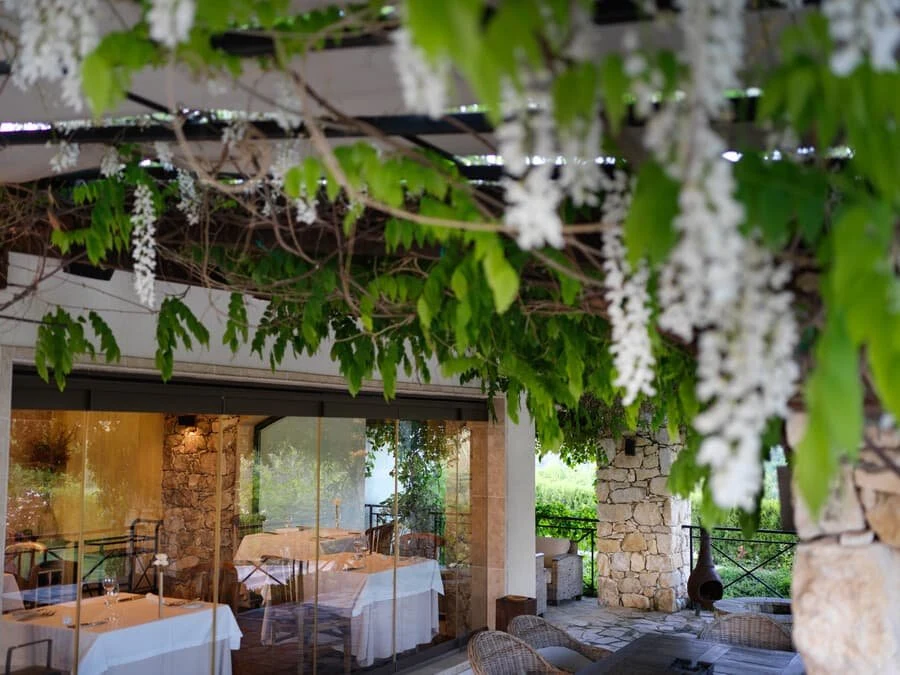
The road into Zornitza Village narrows as it climbs, the valley floor giving way to terraced vineyards and stone-walled estate buildings that have shaped this corner of Bulgaria's Thracian wine country for generations. Arriving at Aestivum means passing through that agricultural geography before reaching the dining room itself, and the sequence matters. The restaurant does not position itself against Sofia's urban fine-dining scene, places like Nikolas 0/360 in Sofia operate in a different register entirely, but rather as the formal expression of an estate that produces its own wine, keeps its own land, and treats dinner as the natural endpoint of what happens in the fields and cellar surrounding it.
This model, where accommodation, viticulture, and table are integrated rather than simply adjacent, has precedents across Europe but remains rare in Bulgaria. Zornitza Family Estate is the broader property of which Aestivum is the culinary centrepiece, and that relationship defines the restaurant's identity more than any single dish or chef credential.
Bulgarian Farmhouse Cooking at Formal Scale
Bulgarian farmhouse cooking occupies a specific position in the regional tradition: it is ingredient-driven rather than technique-driven, shaped by altitude, seasonal availability, and the practice of preserving summer abundance for colder months. At the format level, Aestivum translates those principles into an evening dinner programme priced in the $$$ tier, meaning a typical two-course meal before beverages runs above $66. That pricing puts it in a comparable set defined not by casual estate dining but by destination restaurants where the setting and sourcing justify the cost structure.
Head chef Adam Leonti leads the kitchen, working within the farm-to-table discipline that the estate's agricultural footprint makes credible rather than aspirational. The distinction matters: farm-to-table claims are easy; operating within a working estate that actually produces the land's output is a structural commitment. The kitchen is led by Adam Leonti, a structure common in estate restaurants that manage both culinary tourism and serious dinner service. Chef Leonti's background in American fine dining adds a cross-cultural dimension to what might otherwise be a purely regional proposition, placing Aestivum in an interesting intermediate position between local tradition and international fine-dining grammar.
The farm-to-table, European-inflected approach at this price point invites comparison with estate-restaurant formats elsewhere. Destination dining programmes at properties like Lazy Bear in San Francisco or the tightly controlled sourcing models at Alinea in Chicago represent the far end of that spectrum in terms of technical complexity. Aestivum does not appear to chase that register; its logic is rooted in place and product rather than in technique as spectacle.
The Wine Programme as a Parallel Argument
A 449-selection list with 5,750 bottles in inventory is a serious wine operation by any measure, and for a rural estate restaurant in Bulgaria's Rhodope-adjacent wine country, it signals an ambition that extends well beyond offering the house wine with dinner. Sommelier Alexander Skorchev oversees a list that draws on both Bulgarian and French strengths, with pricing across the $$ tier, meaning the range spans accessible bottles to $100-plus selections without sitting entirely at either extreme.
The corkage fee is set at $27, which for guests staying on the estate and travelling with personal bottles represents a reasonable cost-benefit calculation. The Bulgarian focus is coherent given the estate's own viticulture, and the French counterbalance reflects the way serious sommeliers in Central and Eastern Europe have historically structured their lists, using Burgundy and Bordeaux as reference points while building out regional depth.
Internationally, the wine ambition at Aestivum sits in the same philosophical territory as the food-and-wine integration models practised at places like Alain Ducasse at Louis XV in Monte Carlo or Amber in Hong Kong, though at a substantially different scale and price ceiling. The shared logic is that the list should make a coherent argument for the food, not merely accompany it.
Context Within Bulgaria's Emerging Fine-Dining Scene
Bulgaria's fine-dining scene is in an active development phase. The country's restaurant culture has historically concentrated in Sofia, with serious options outside the capital thin on the ground. Dieci Boutique Restaurant in Devino represents another attempt to anchor ambitious dining to a specific wine estate outside the capital. These estate-based restaurants operate with different constraints and advantages than urban counterparts: access to land and produce is a genuine asset, but building a consistent guest base without the walk-in traffic of a city requires a model built around destination visits and on-site accommodation.
Aestivum's Google rating of 4.7 across 46 reviews is a limited but directionally positive signal. The low review volume reflects the restaurant's remote, destination-specific positioning rather than its quality level. Guests are almost exclusively there as part of a deliberate estate stay, not passing trade. That insularity shapes the experience: dinner at Aestivum is a structured event within a longer visit, not a standalone meal.
Planning a Dinner at Aestivum
Aestivum serves dinner only, which positions it as an evening anchor for guests staying on the estate rather than a lunchtime or all-day destination. The address is in the village of Zornitsa in Blagoevgrad Province, approximately two hours south of Sofia by road, making it an impractical standalone dinner trip from the capital but a natural centrepiece of a multi-night stay. Reservations are recommended, and guests staying at Zornitza Family Estate can typically arrange dinner through the property's front desk or concierge.
The $$$ cuisine pricing and $$ wine list together suggest that a full dinner with wine will run meaningfully above 100 euros per person. For the European estate-dining category, that is within the expected range for this format. Guests with specific bottle preferences from outside the list can bring their own at a $27 corkage fee.
For those whose interest in this tier of destination dining extends globally, comparison points across different registers and geographies are worth tracking: Le Bernardin in New York City, Atomix in New York City, Emeril's in New Orleans, Alléno Paris au Pavillon Ledoyen in Paris, 8 1/2 Otto e Mezzo Bombana in Hong Kong, and Aponiente in El Puerto de Santa María each represent different solutions to the question of how a destination restaurant earns its place in the itinerary.
Questions
Frequently asked
How expensive is Aestivum?
Aestivum is listed at a price level of $$$.
Where is Aestivum and what does it serve?
Aestivum is in Zornitza Village, Melnik, serving Terroir European Fine Dining.
The field
How it compares
| Place | Cuisine | Notes | Awards |
|---|---|---|---|
| Aestivum | Terroir European Fine Dining | Zornitza Village, $$$ | · |
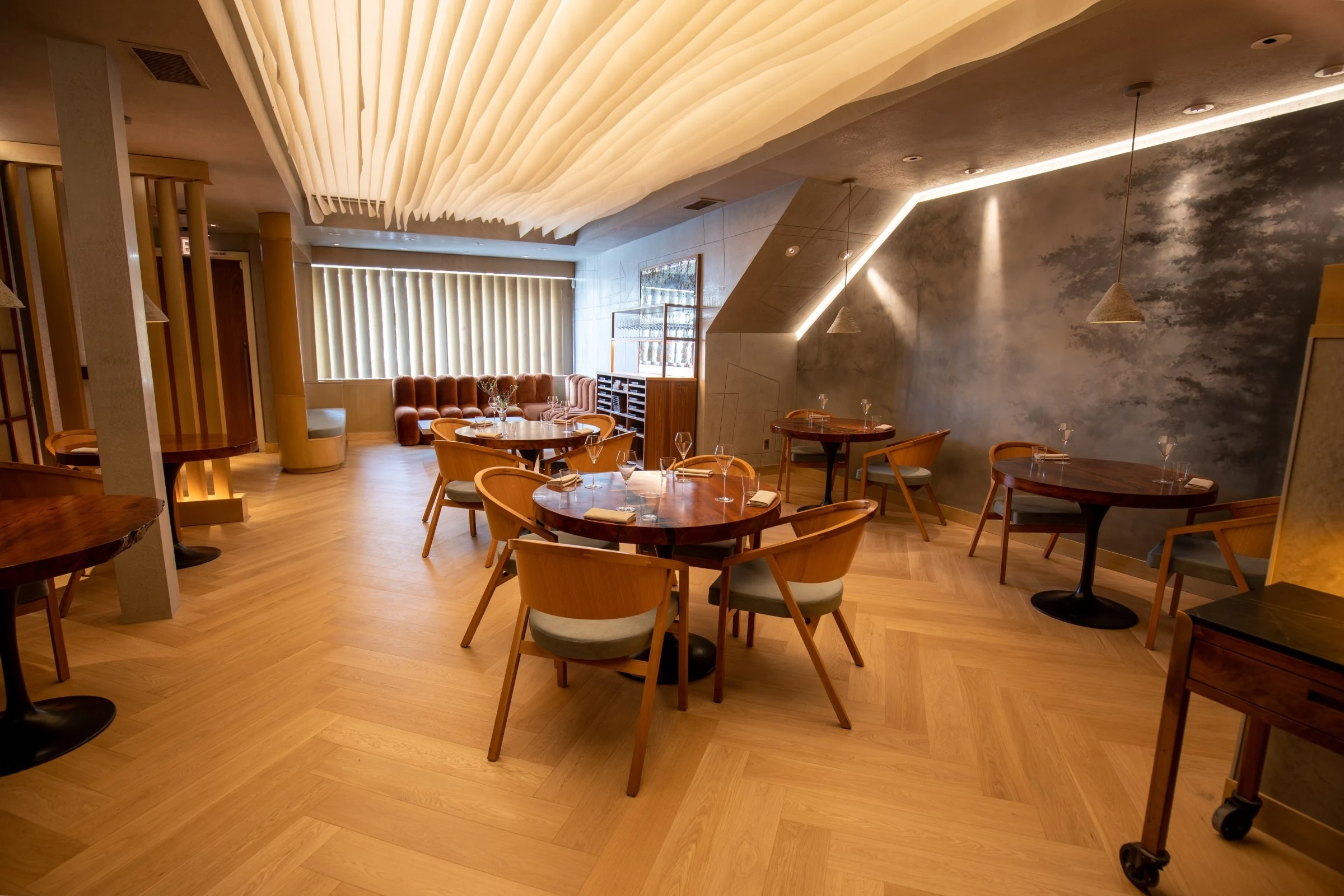
| Atelier Crenn | Contemporary French Fine Dining | San Francisco | Michelin 3 Stars, World's 50 Best |
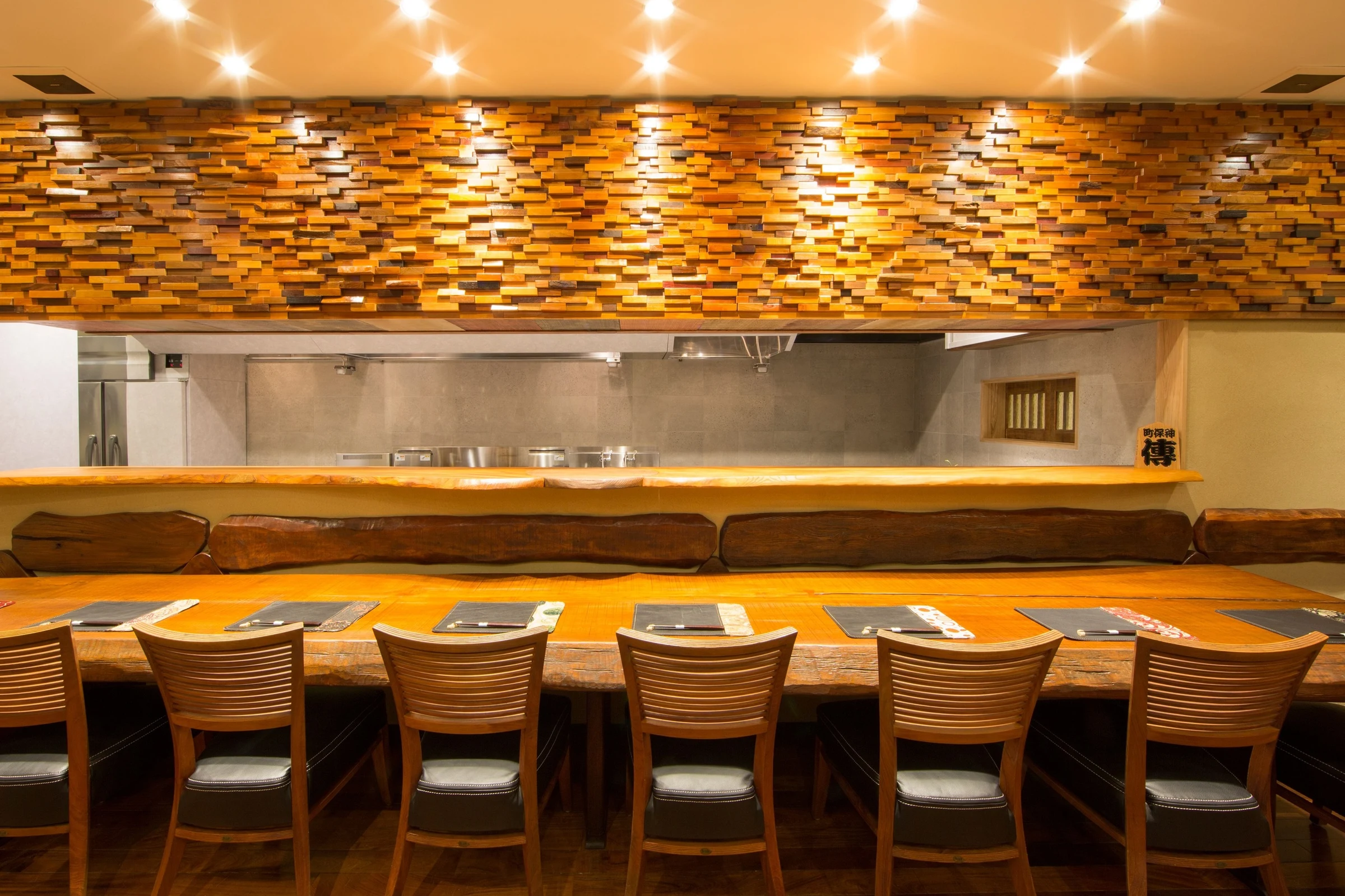
| Den | Modern Japanese Kaiseki | Tokyo | Michelin 2 Stars, World's 50 Best |
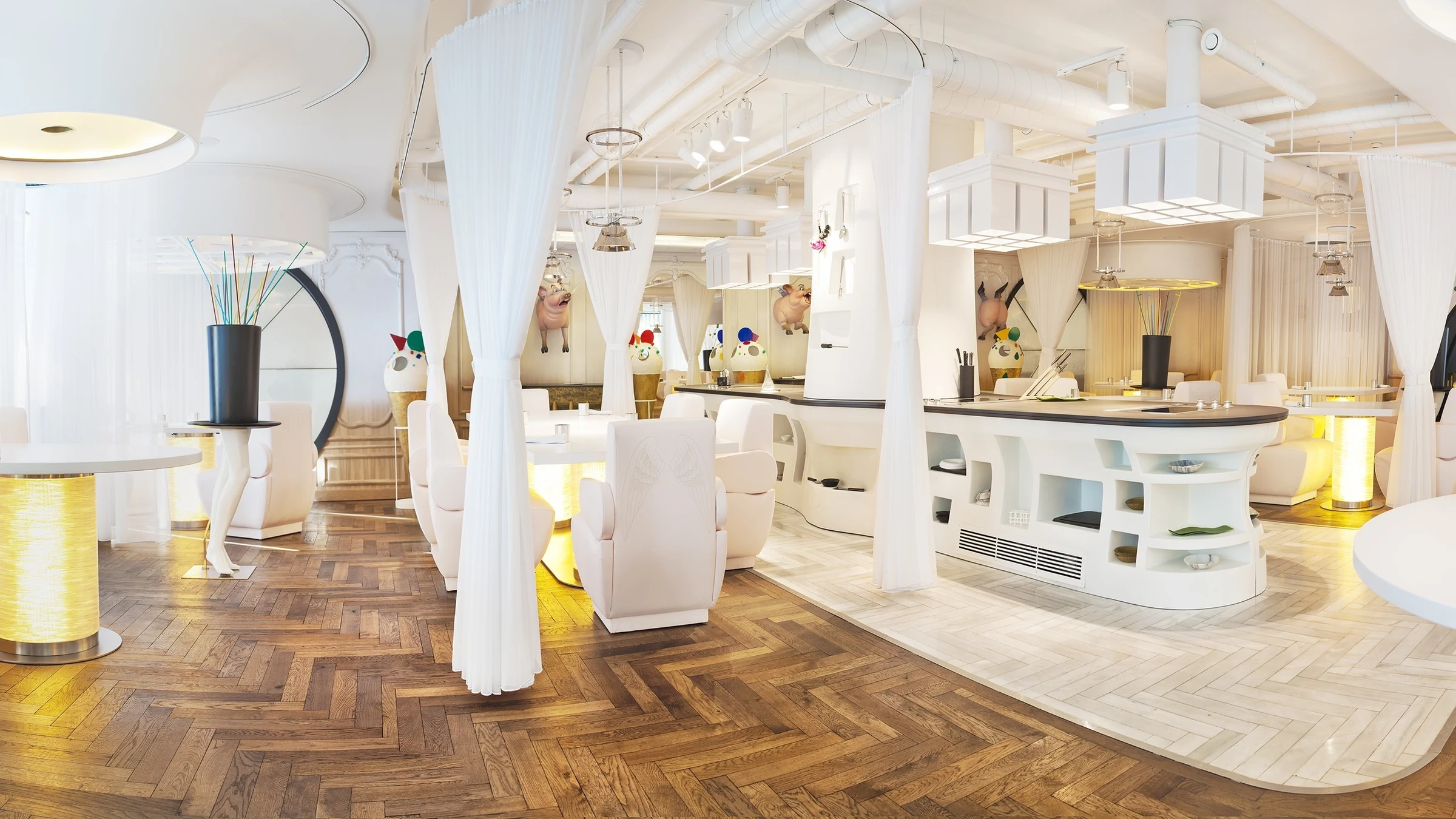
| DiverXO | Avant-Garde Spanish Tasting Menu | Madrid | Michelin 3 Stars, World's 50 Best |
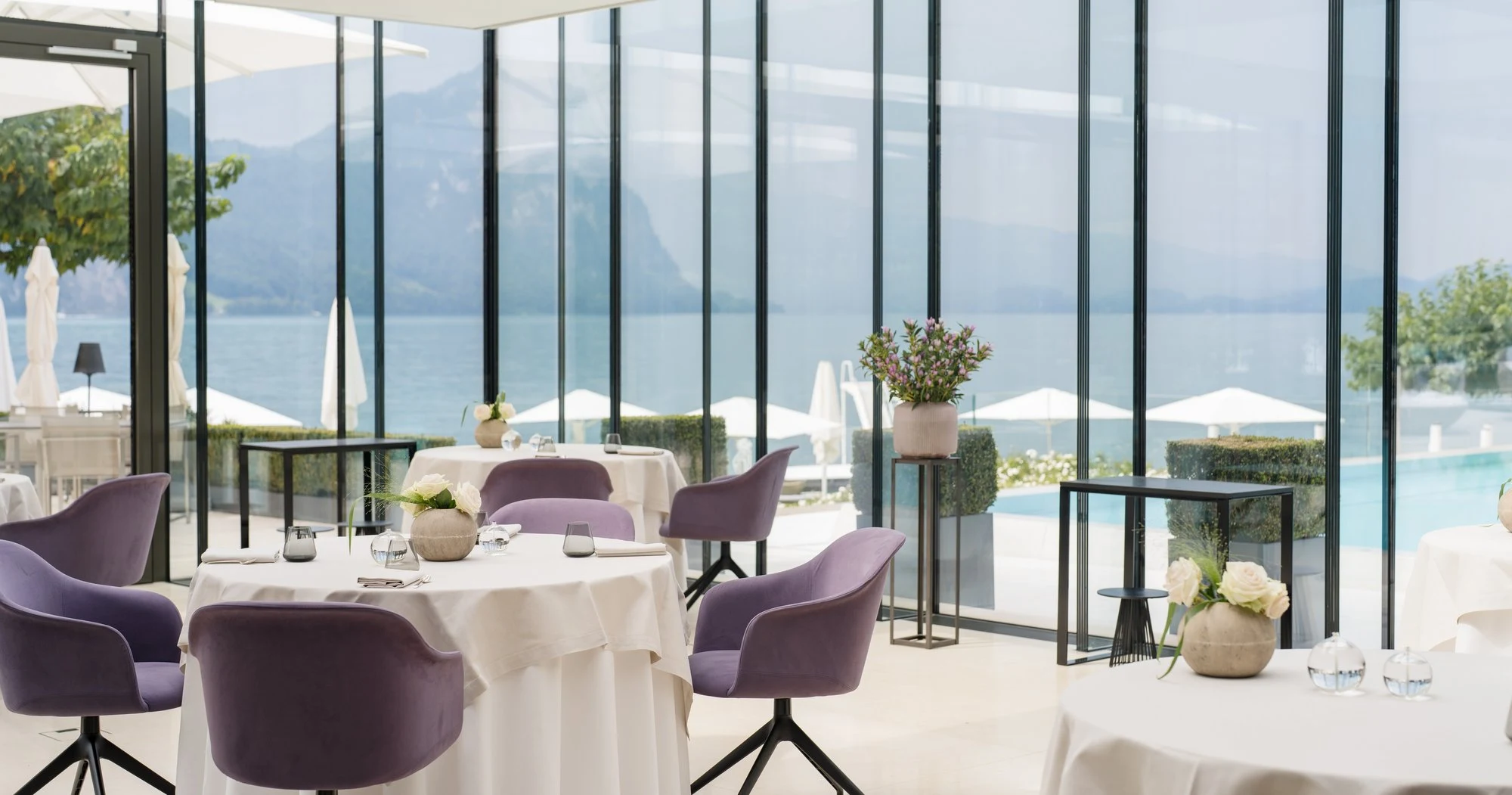
| focus ATELIER | Modern French Fine Dining | Vitznau | Michelin 2 Stars |
| MAZ | Innovative Peruvian-Japanese Fusion | Tokyo | Michelin 2 Stars, World's 50 Best |
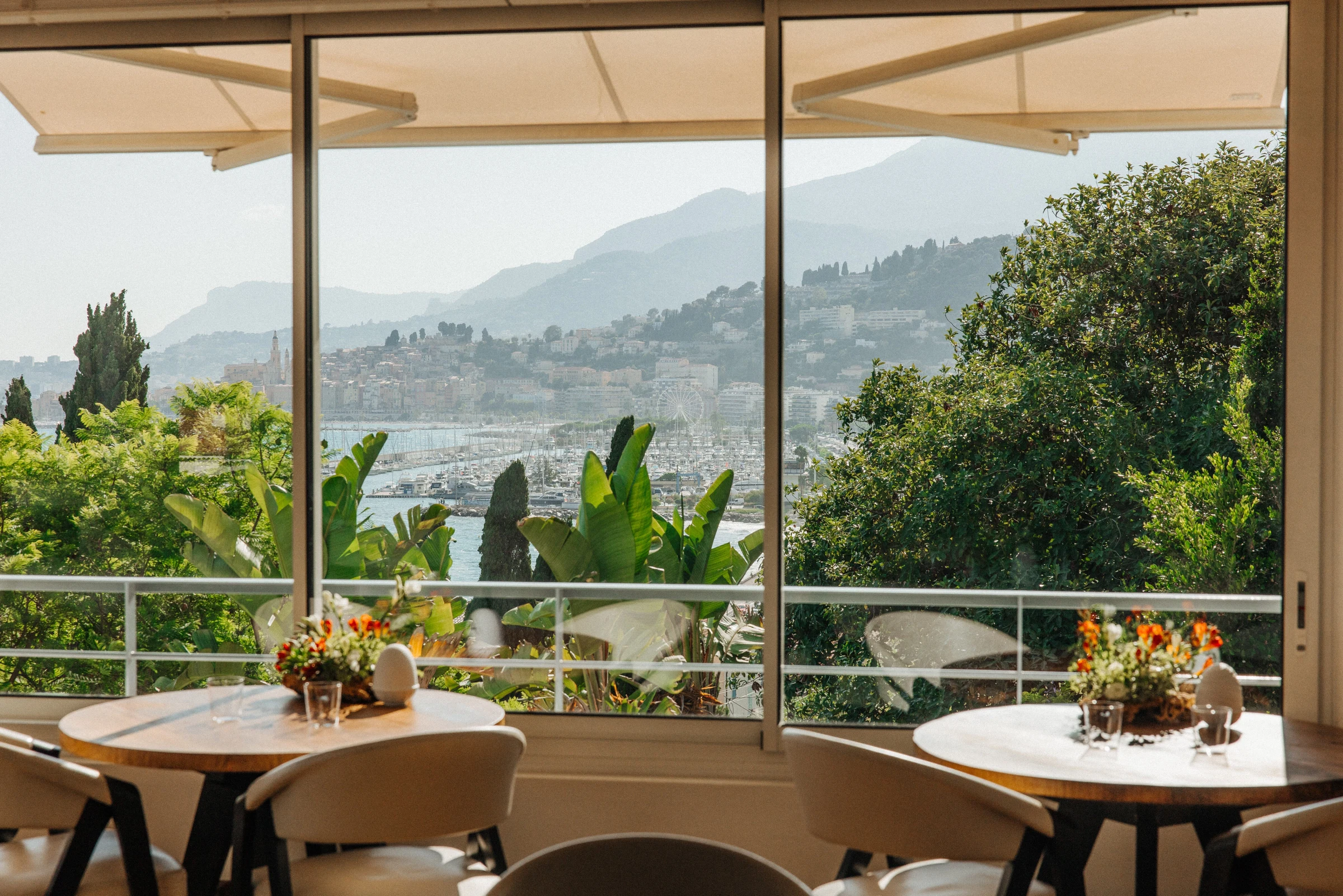
| Mirazur | Modern French Fine Dining | Menton | Michelin 3 Stars, World's 50 Best |
Similar places
Contemporary French Fine Dining
Atelier Crenn
San Francisco, United States
★★★ · 50 Best
Modern Japanese Kaiseki
Den
Tokyo, Japan
★★ · 50 Best
Avant-Garde Spanish Tasting Menu
DiverXO
Madrid, Spain
★★★ · 50 Best
Modern French Fine Dining
focus ATELIER
Vitznau, Switzerland
★★
Innovative Peruvian-Japanese Fusion
MAZ
Tokyo, Japan
★★ · 50 Best
Modern French Fine Dining
Mirazur
Menton, France
★★★ · 50 Best