Alain Brumont, winemaker at Alain Brumont in Castelnau Riviere Basse, works Tannat through stony Madiran slopes and barrel age.
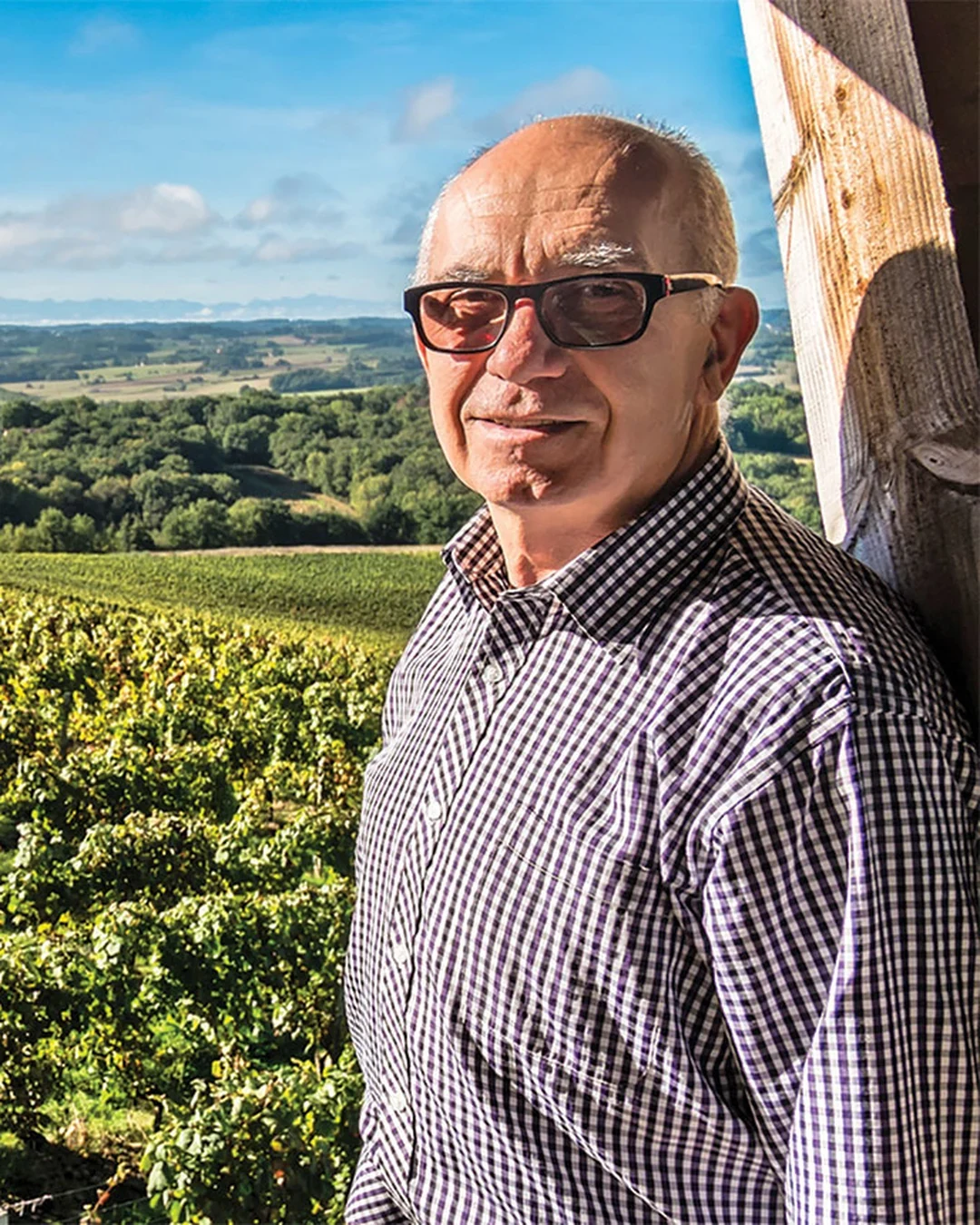
Alain Brumont works as winemaker at Alain Brumont in Castelnau-Rivière-Basse by reading the ground before the glass. At the estate, that means Madiran through Tannat, Cabernet Sauvignon, Cabernet Franc, Petit Courbu and Petit Manseng, with the Pyrenees close enough to set the weather in the vines. His role here is not a borrowed title. He is also the owner, holding the direction of the house and the practical decisions of the cellar in the same pair of hands. The estate dates to 1980, when Brumont bought Château Montus and began building a program around steep, stony land rather than the richer cereal soils that had easier value elsewhere. His apprenticeship was not a formal cellar lineage. He spent 14 years as a farm worker, read his way toward wine, and took only a three-week tasting course in his 30s. The discipline came from looking, digging, comparing and returning to the same parcels until the method had weight. In Madiran, that kind of time on the tools matters.
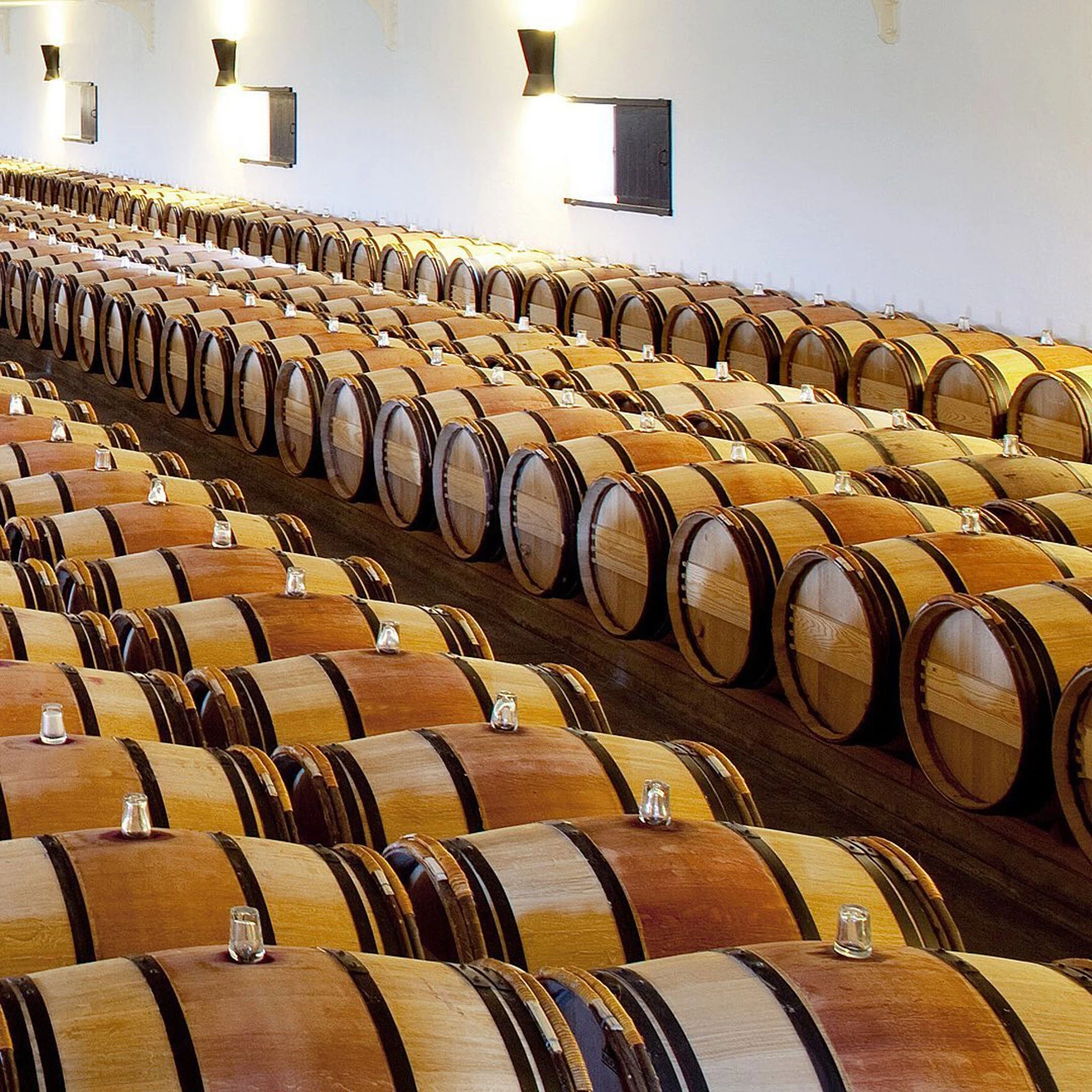
The craft here starts with large reddish pebbles, traces of the Pyrenees dating back 40 million years, in steep vineyard ground suited to Tannat. Brumont sought out stony slopes and learned them square meter by square meter. Across the Brumont domains, the vineyard holding is more than 300 hectares in Madiran and Gascony. The red program centers on Tannat, sometimes set against Cabernet Sauvignon, Cabernet Franc and Merlot; one cited blend for the house carries Tannat at 80% and Cabernet Sauvignon at 20%. The cellar gives the basic Château Bouscassé and Château Montus bottlings between 12 and 24 months in barrique, with 30–40% new oak, followed by a year in bottle. Château Montus Prestige, first released in 1985, is 100% Tannat. That wine fixed the house’s argument in a single grape, aged with enough structure to let Madiran speak without softening its accent.
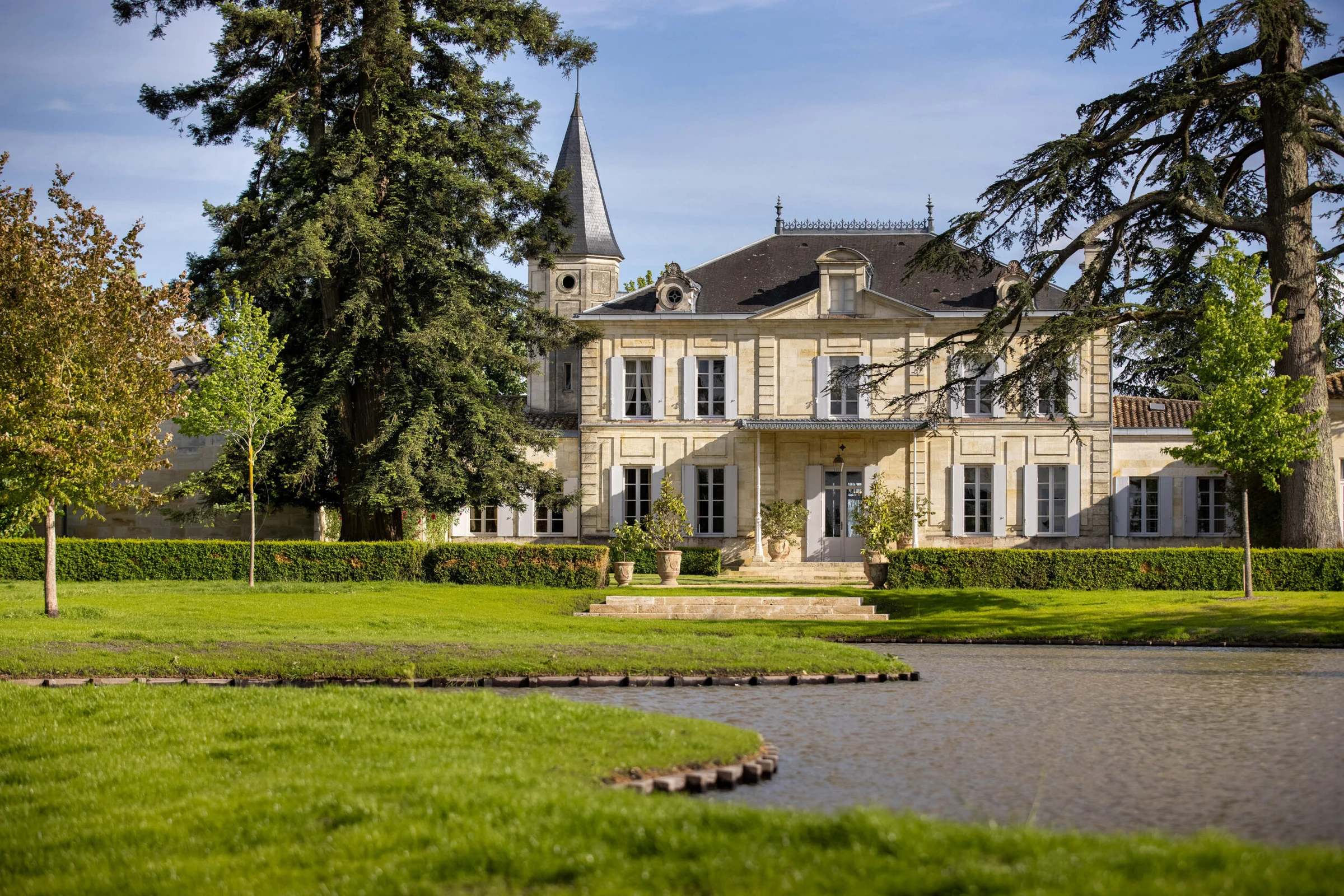
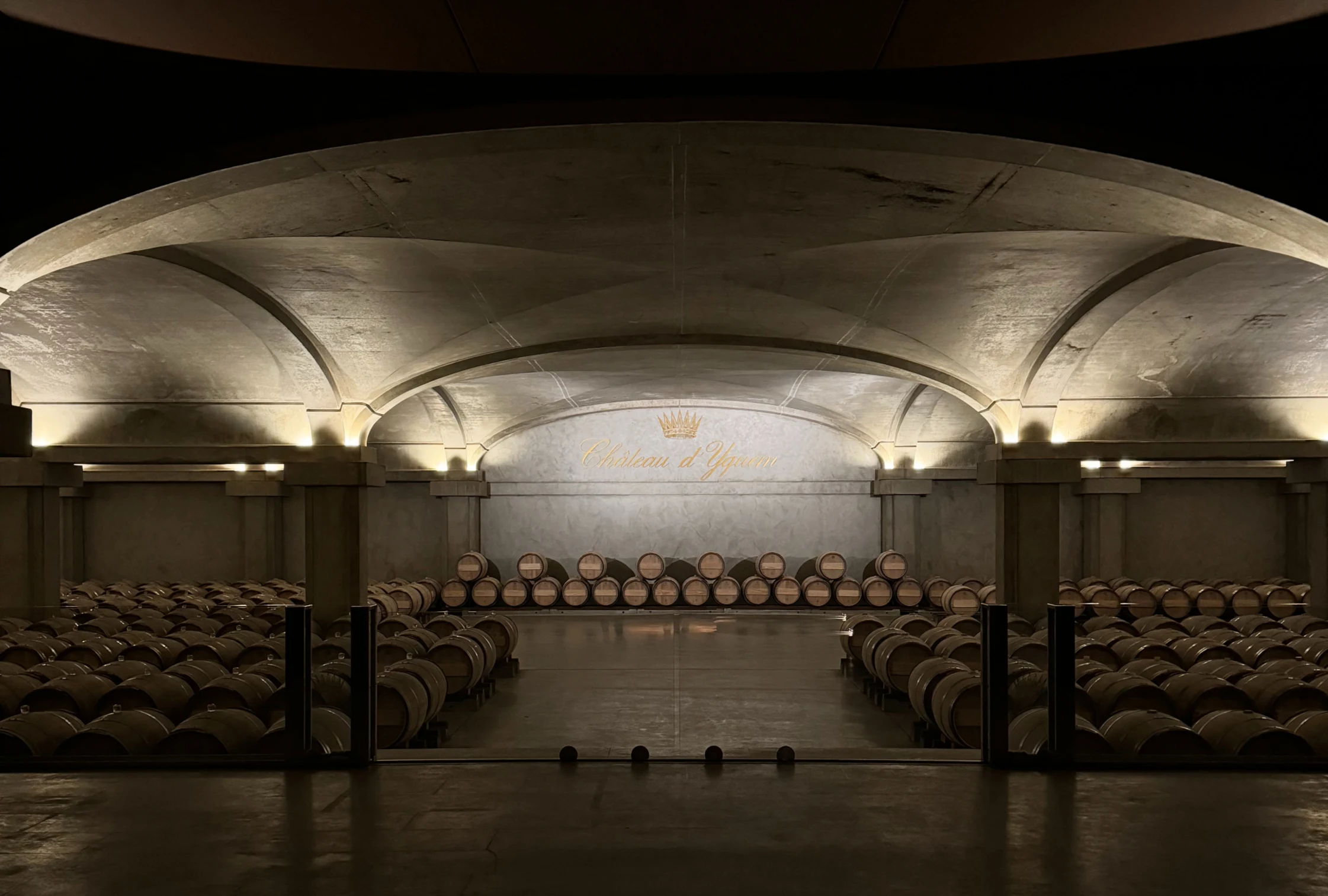
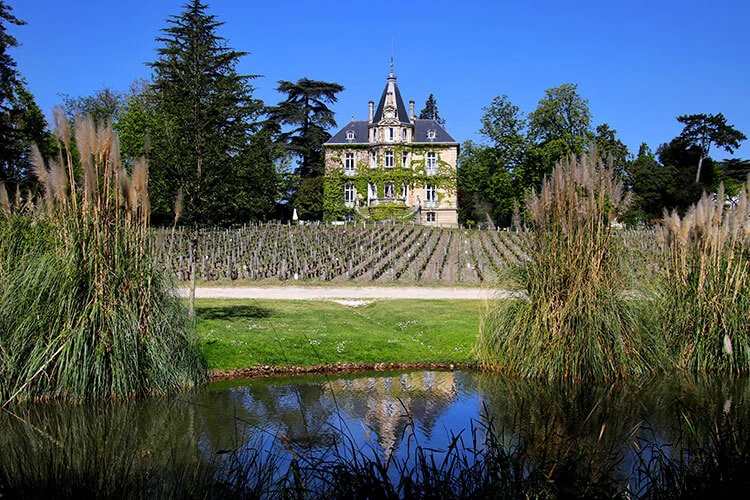
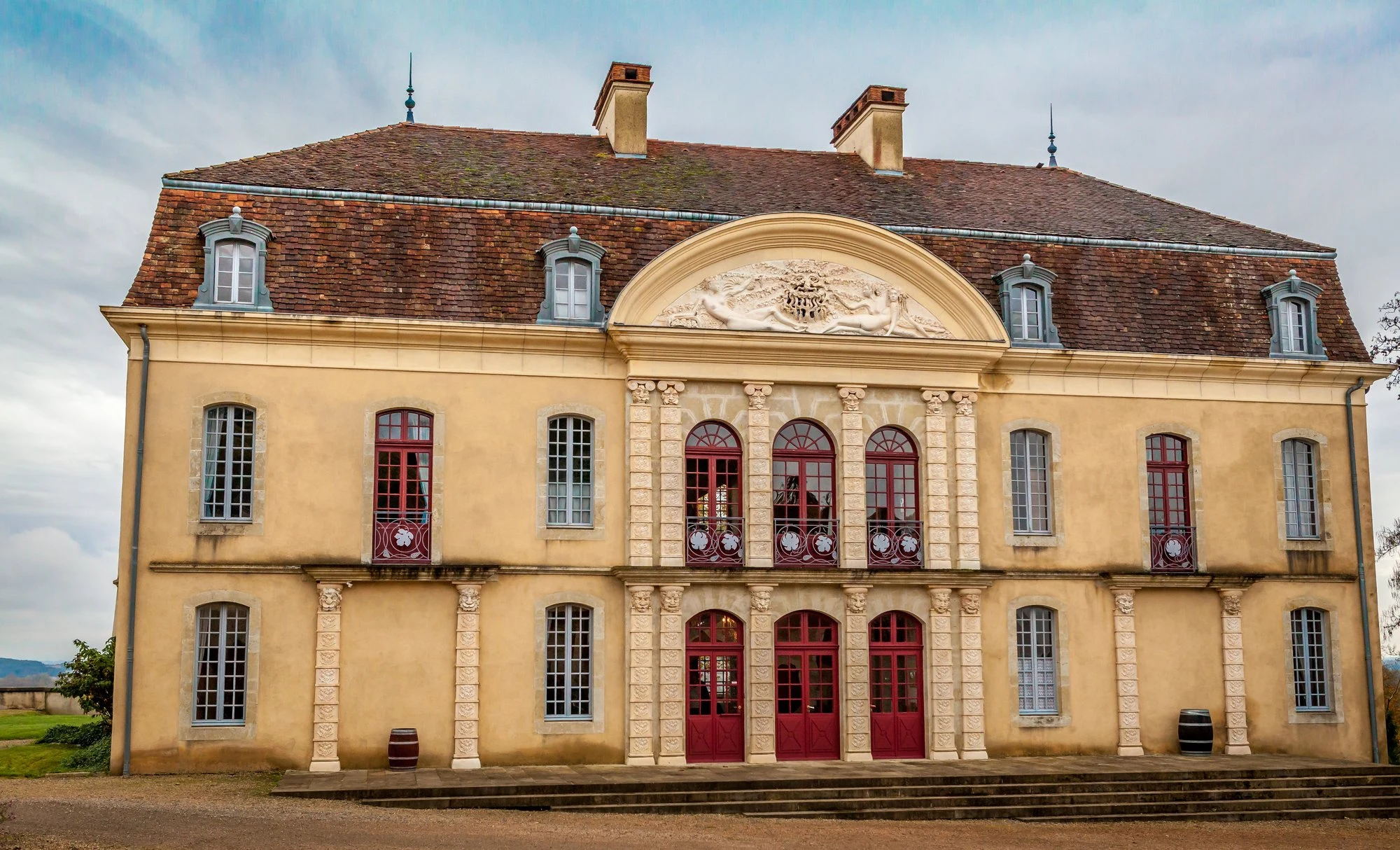
The place itself keeps the work close to the landscape. The estate sits in hilly vineyard country at the foot of the Pyrenees, with château buildings, gardens, vat room and historic underground aging cellar all part of the same circuit of production. In the tasting room, the tone is conversational rather than theatrical; the glass points back to the slope, the pebble, the long extraction of identity from a grape that can be severe when handled without patience. The underground cellar gives the wines a quieter register. Barrels and bottles make the passage of time visible, and the visitor comes away with the sense that the house was shaped less by polish than by repeated decisions about land, tannin and age.
Brumont’s current responsibility remains twofold: owner of Alain Brumont and winemaker across Alain Brumont and Fabrice Dubosc. That matters because the estate’s scale could have pulled him away from the bench-side judgment of wine, yet the house still turns on the relationship between oversight and making. If the next chapter is not a published release date, it is visible in the continuing use of Tannat as the estate’s central material. The name to keep beside it is Château Montus Prestige.
Castelnau-Rivière-Basse, Center-Val de Loire, Frankreich
Castelnau-Rivière-Basse