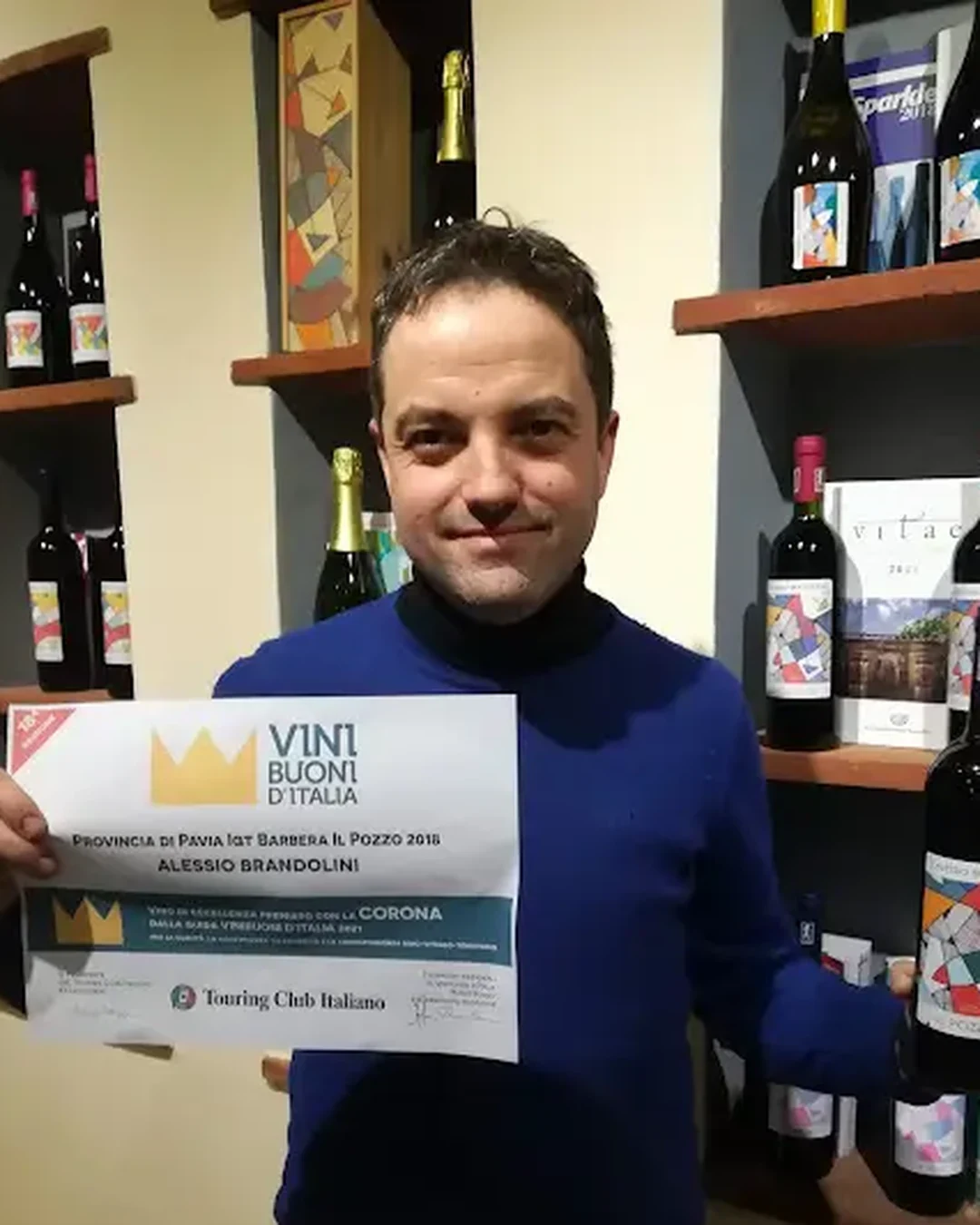
Alessio Brandolini, winemaker at Alessio Brandolini in Boffalora, works Pinot Noir from San Damiano al Colle's sunlit hills.
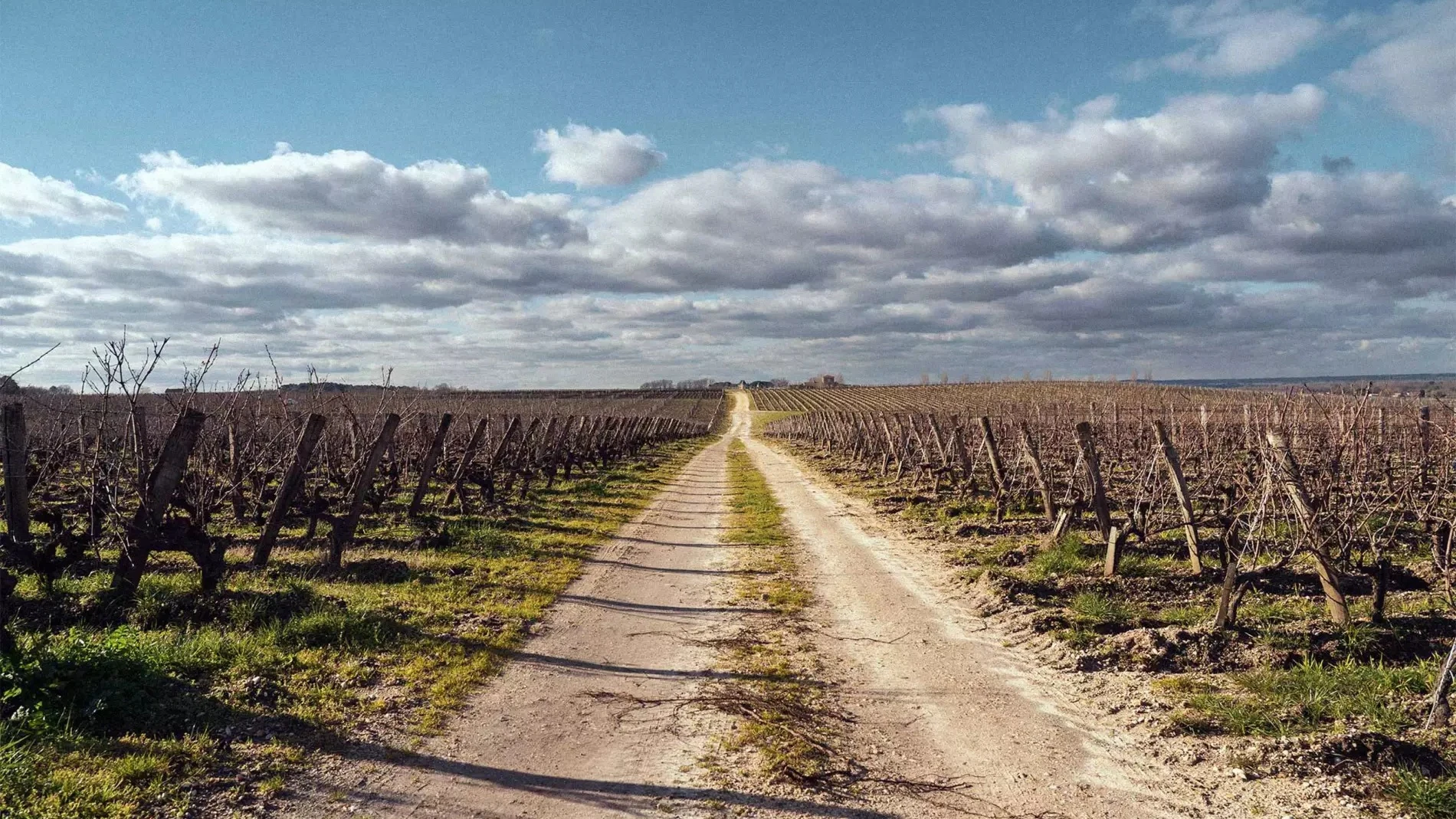
The pruning begins in Guyot rows above Boffalora. Alessio Brandolini, winemaker at Alessio Brandolini in Boffalora, works the family estate from San Damiano al Colle, reading the vine before the cellar has any say. His title is also his station: winegrower, owner, keeper of a name that has been tied to these hills since 1873. The estate traces that beginning to Carlo Brandolini, and Alessio now carries the line as the third generation at the head of the house. The biography here is not a sequence of appointments. It is a repeated return to the same slopes, the same light, the same decision of when to cut, when to wait, and when to let a harvest pass without forcing a wine into being. The house speaks of vino gentile, gentle wine, and the phrase suits the method when it stays practical: measured work in the vineyard, patience in the cellar, and a refusal to make volume the point. Brandolini’s bottles carry names such as Il Soffio, Al Negrès, Luogo d'Agosto, and Note d'Agosto, each one attached to the agricultural grammar of this place rather than to a borrowed style.
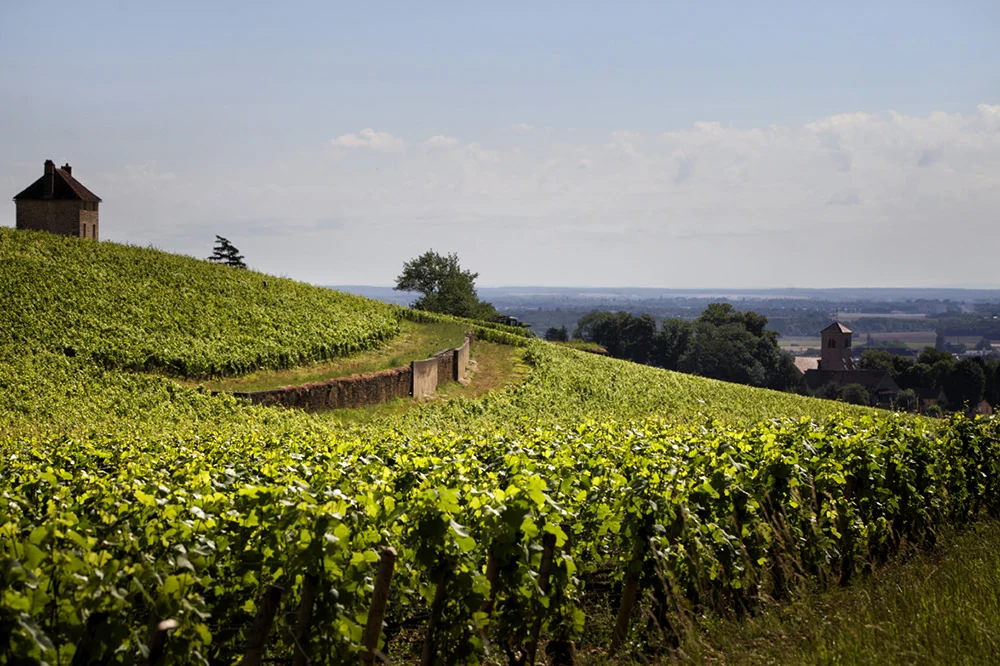
The vineyards sit on sun-exposed hills at 250 to 300 meters, in the eastern Oltrepò Pavese, where clay and limestone give Pinot Noir both grip and lift. Brandolini works Pinot Noir, Barbera, Chardonnay, Pinot Bianco, and Cabernet Franc, but the estate’s identity narrows most clearly around Pinot Noir in red and sparkling form. Al Negrès comes from Pinot Noir grown in San Damiano al Colle and carries the Pavia IGT designation. The fruit ferments on the skins for several days after pressing, drawing color, tannin, and the darker register of marasca cherry and currant into a garnet red wine built for structure and persistence. The house makes Al Negrès only in good harvests, a small sentence with real consequences at the bench. Luogo d'Agosto takes Pinot Noir toward Metodo Classico sparkling wine, with fruit from San Damiano al Colle and Montù Beccaria. The program is not expansive for its own sake. It is a set of variations on exposure, altitude, skin, time, and the family’s tolerance for saying no.
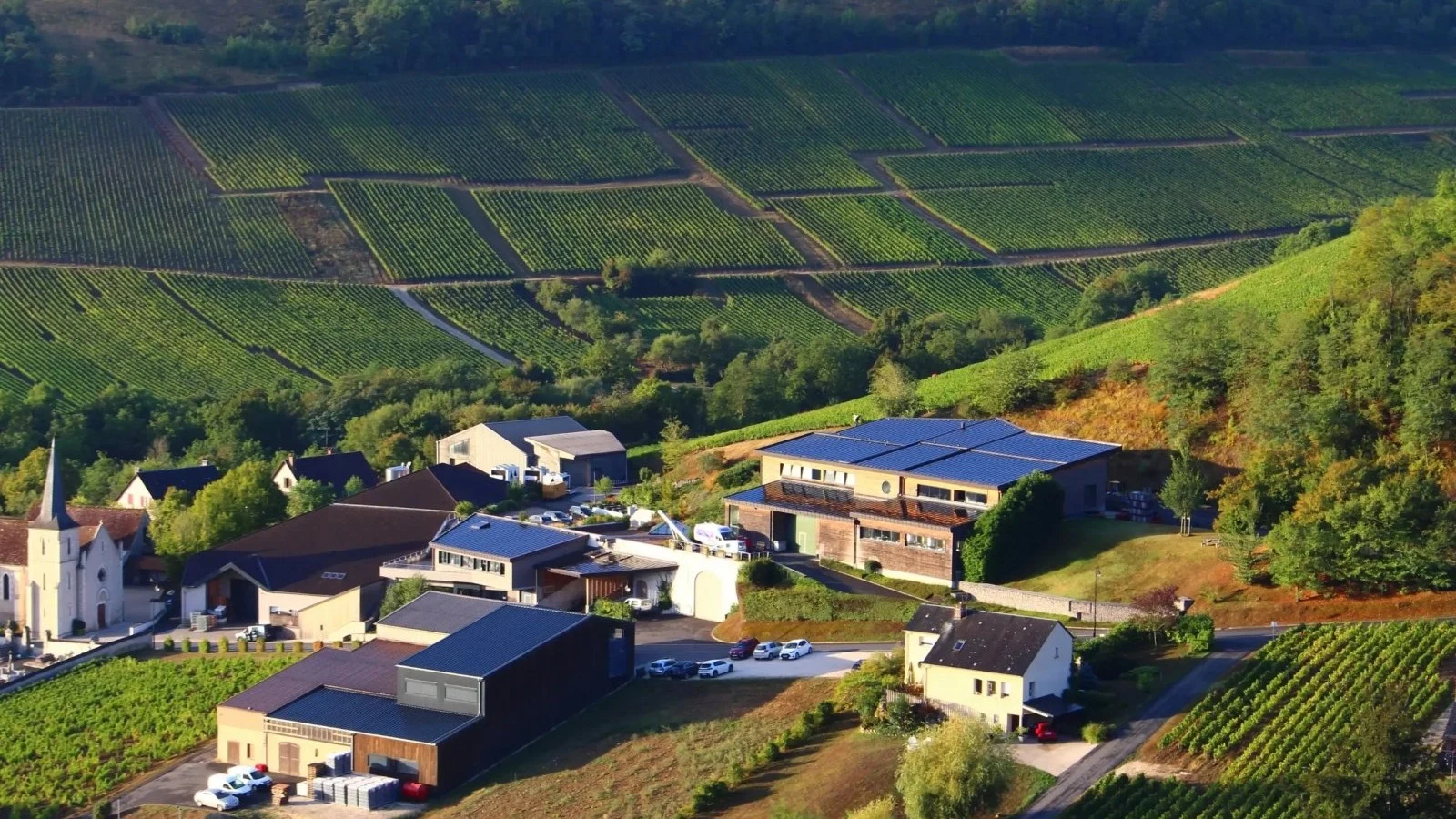
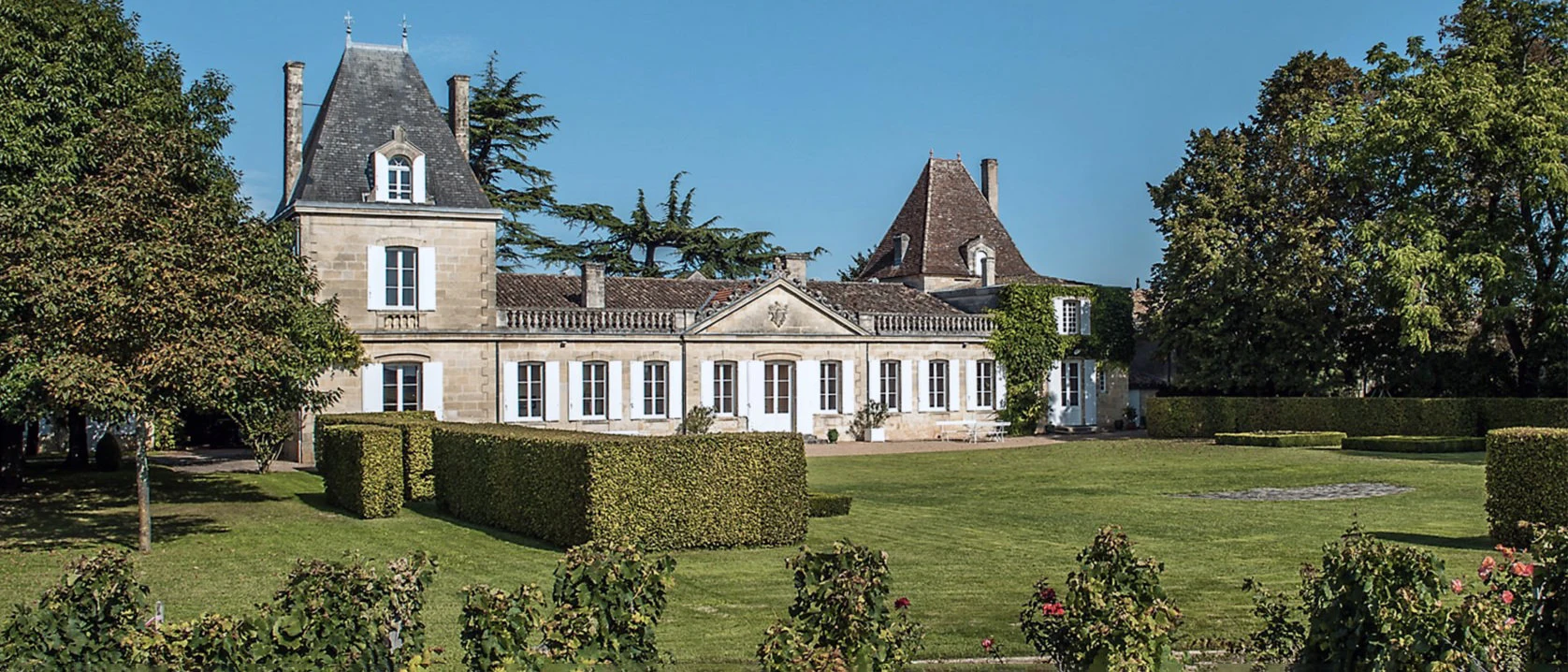
The place has the feel of a working hillside winery before it has the polish of a tasting address. Boffalora is a frazione of San Damiano al Colle, and its local reading as a windy place is more than a pastoral note; wind moves through the rows, dries the skins, and makes the vineyard feel open even when the work is close. The tasting room stays near the cellar rather than apart from it. A seated glass of Al Negrès or Luogo d'Agosto leads back to the slopes outside, not to a script about them. The noise is low, the scale small, the agriculture visible. Labels by Beppe Pasciutti bring another local hand to the bottles, but the room keeps returning to the same material facts: hillside fruit, family labor, and Pinot Noir grown where the sun holds the rows.
Recognition has reached the estate, including an award in the current year, and it has remained at a single address. Brandolini’s next work is already contained in the same cycle: pruning, flowering, harvest, and the choice of whether a vintage deserves Al Negrès. If the season gives enough, the cellar in Boffalora will have another bottle carrying that name.
San Damiano al Colle, Lombardia, Italien
Boffalora