- Falstaff Winery - Listed · 2026
Approaching Allesverloren, the Swartland announces itself before the cellar does: dry-country light, vineyard-covered slopes and the bulk of Kasteelberg shaping the horizon. This is not the manicured Cape estate fantasy of fountains and clipped theatre. The appeal is earthier. The place reads as old agricultural country, with mountain, vineyard and weather all doing visible work.
That matters because Swartland wine is often misunderstood when reduced to a single style. The region has a reputation for generous reds and serious Chenin Blanc, but its strength is more specific: heat, wind, older farming culture and hardy soils can produce wines with breadth without needing a luxury script around them. Allesverloren sits inside that conversation with unusually deep historical weight. The estate dates to 1704 and is described as the oldest wine estate in the Swartland, a credential that gives its bottles context beyond a tasting-room pour.
Kasteelberg soil, red-wine weight and the Swartland argument
The land is the clearest editorial reason to pay attention here. Vineyards climb from roughly 170 to 350 metres above sea level, planted in Malmesbury shale and Table Mountain sandstone. Those details are not decorative. In this part of South Africa, soil and slope help explain why the wines lean toward structure, depth of colour and ripe fruit concentration rather than the lifted delicacy associated with cooler coastal zones.
The climate pattern is equally important: cold, wet winters followed by warm, dry summers, with westerly winds and mountain shadow moderating late-day heat. For drinkers, that means the estate is better read through power and persistence than through aromatic lightness. The portfolio’s red and fortified emphasis fits the site. Shiraz, Cabernet Sauvignon and Tinta Barocca carry the main conversation, while Chenin Blanc and Muscadel broaden the frame without changing the estate’s centre of gravity.
Portuguese varieties give the estate its sharper identity within the wider Swartland story. Tinta Barocca, Touriga Nacional and Souzão belong historically to fortified-wine culture, and their presence in South Africa says something about the region’s appetite for varieties that can handle warmth, concentration and firm structure. Allesverloren’s old association with fortified wines is not just nostalgia: the estate won the General Smuts Trophy at the SA Championship Young Wine Show for Allesverloren Port in 1956 and 1957, a concrete marker of where its reputation first took shape.
A heritage estate that reads the region through fortifieds and full-bodied reds
Swartland’s modern reputation often gets discussed through a contemporary lens, but this estate pulls the timeline backward. The name, translating from Dutch as “all is lost,” comes from a 1704 story of settlers returning to find the farm destroyed by fire. That anecdote could easily become sentimental; its better use is as a reminder that wine history in this region is tied to difficult farming, isolation and persistence rather than to easy romance.
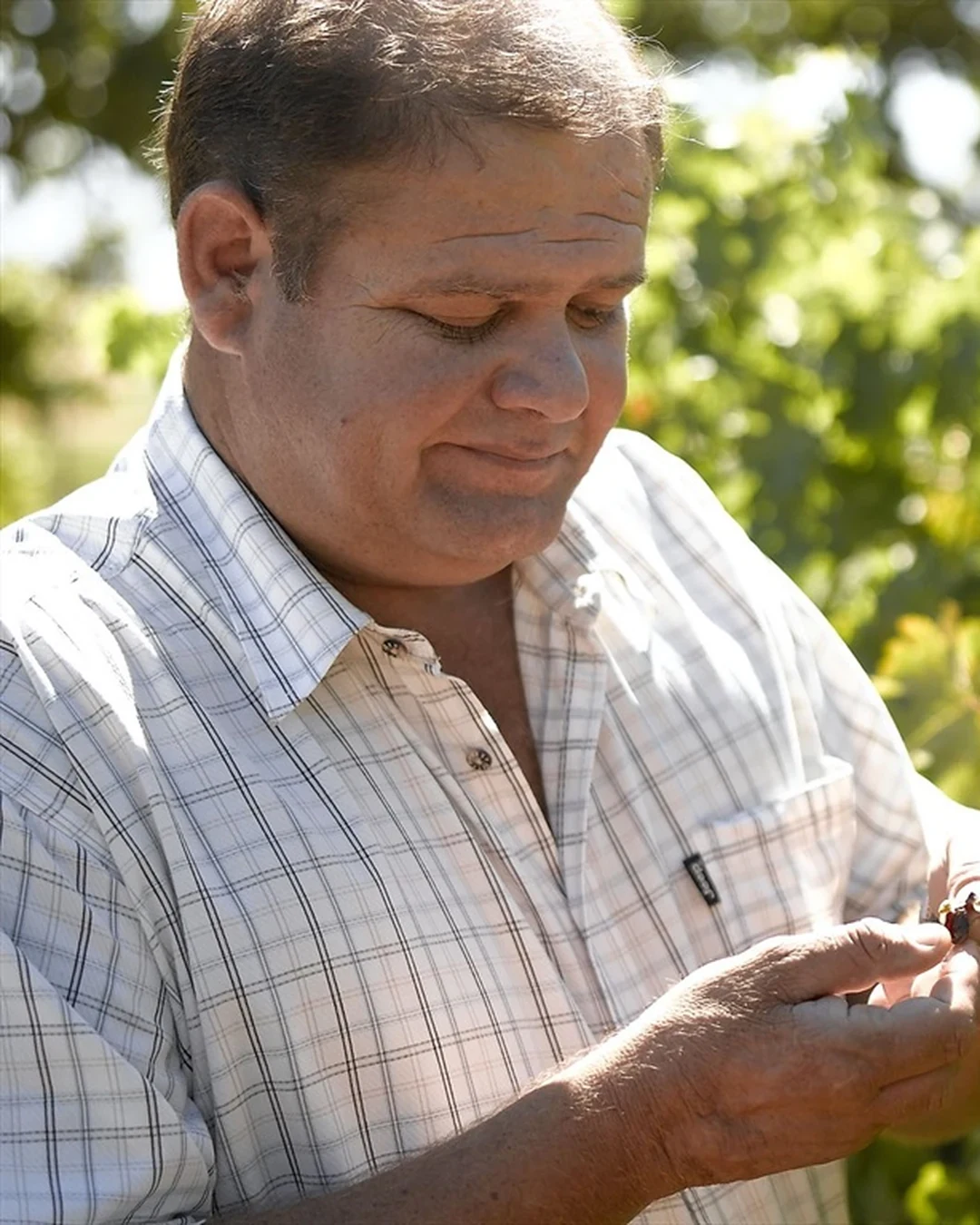
The Malan family has owned the property since 1872, and that continuity gives the cellar a long memory. Danie Malan, identified with the estate’s modern winemaking era, keeps the emphasis on farming and terroir rather than stylistic reinvention. That position suits the wines. In a region where fashion can swing between natural-wine minimalism, high-extract reds and old-vine rhetoric, Allesverloren is more legible as a classic Swartland address: red-wine confidence, fortified heritage, and a tasting experience tied to the physical site.
The estate covers 227 hectares, with trellised and drip-irrigated vineyards used as part of its viticultural approach. The production scale is medium, and the allocation status is open, so the experience is less about scarcity performance than about reading a working property through its long-running varieties. Tastingbook scores attached to individual bottles, including 86 Tb for Allesverloren Tinta Rosé 2020 and 83 Tb for Allesverloren Tinta Barocca 2012, add outside reference points, but the stronger argument remains geological and historical.
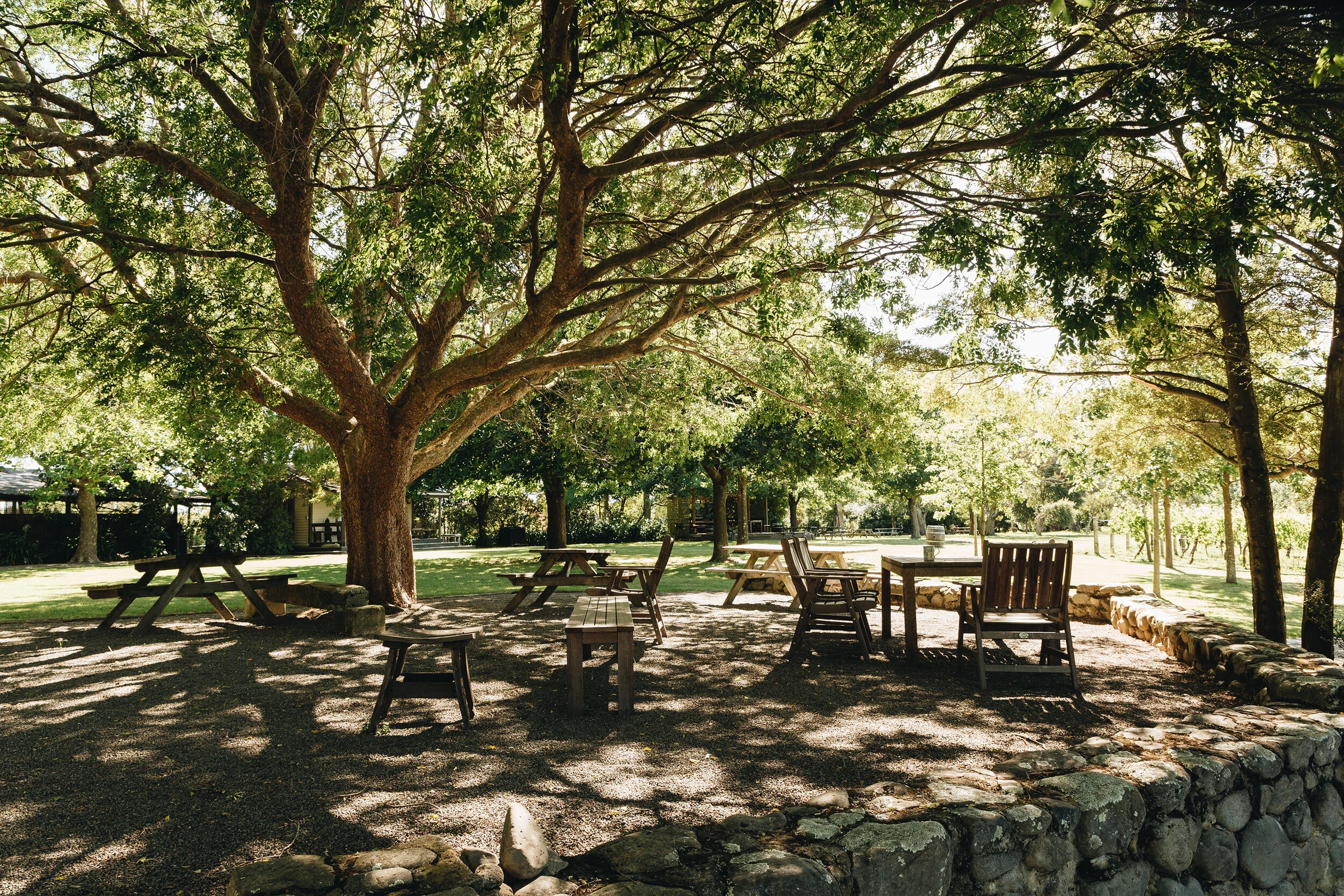
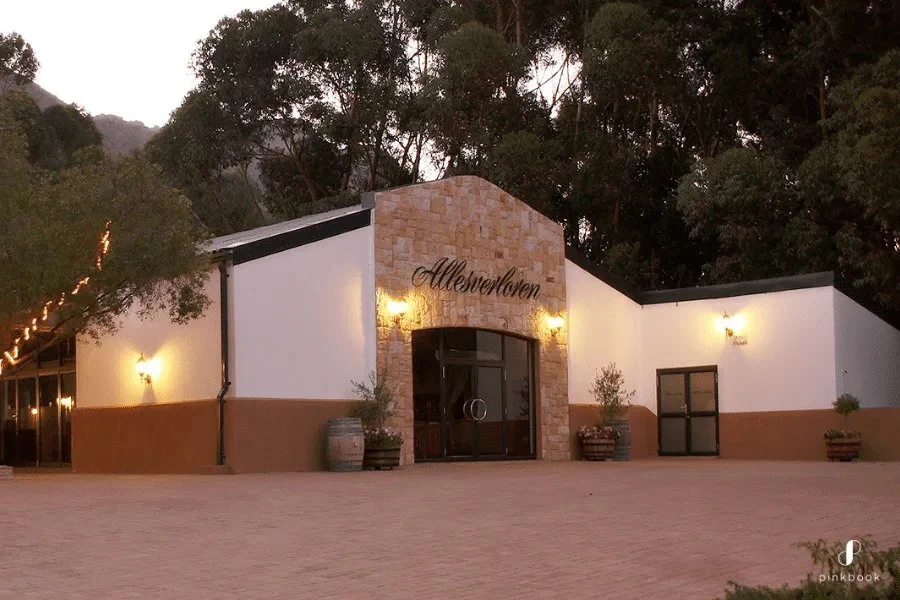
For a first-time visitor to Riebeeck West, the estate works as an anchor for understanding why Swartland reds have a different posture from many Cape wines. The setting is quiet and rustic, with mountain and vineyard views, outdoor seating and an estate-grounds format that suits a slower tasting rather than a quick cellar-door transaction. The dress code is casual, the visit type is walk-in, and reservations are recommended, especially for those treating the stop as part of a wider wine-country day rather than a passing errand.
How to place Allesverloren in a wider Cape wine itinerary
The better way to use Allesverloren is not as a standalone trophy stop, but as a lens on Swartland’s older, sturdier side. It suits drinkers who want to understand why shale, sandstone, elevation and heat management matter in the glass. It is also a useful counterweight to more polished Cape routes where architecture, restaurant programming or luxury retail can dominate the wine conversation.
Riebeeck West itself rewards a broader plan. For local context, start with Our full Riebeeck West wineries guide, then use Our full Riebeeck West restaurants guide, Our full Riebeeck West hotels guide, Our full Riebeeck West bars guide and Our full Riebeeck West experiences guide to build the rest of the day around food, lodging and slower regional stops.
Readers mapping a wider wine itinerary across South Africa and beyond can also compare regional styles through 4G Wines in Kapstadt, A. A. Badenhorst Family Wines in Paardeberg, Aaldering Estate in Stellenbosch, Alheit Vineyards in Hermanus, Allée Bleue in Groot Drakenstein, Anthonij Rupert in Franschhoek, Babylonstoren in Simondium, Backsberg in Paarl, »der Steiner« Hans Steiner in Podersdorf am See and & Handwein in Mannheim. The point is not to rank them against one another, but to see how place changes the language of wine: Swartland’s heat and stone speak differently from Stellenbosch structure, Hemel-en-Aarde precision, Franschhoek hospitality polish or Central European cellar culture.
Questions
Frequently asked
Who works at Allesverloren?
Made By profiles Danie Malan (Winemaker) at Allesverloren.
How expensive is Allesverloren?
Allesverloren is listed at a price level of $$.
The field
How it compares
| Place | Notes | Awards |
|---|---|---|
| Allesverloren | Riebeek West, $$ | · |
| Ata Rangi | Martinborough | World's 50 Best |
| Château Troplong Mondot | Saint-Laurent-des-Combes | · |
| Domaine Bruno Clair | Marsannay-la-Côte | · |
| Domaine Hubert Lamy | Saint-Aubin | · |
| Nyetimber | Horsham | World's 50 Best |
| Valdicava | Montalcino | · |