American Cut
In Residence
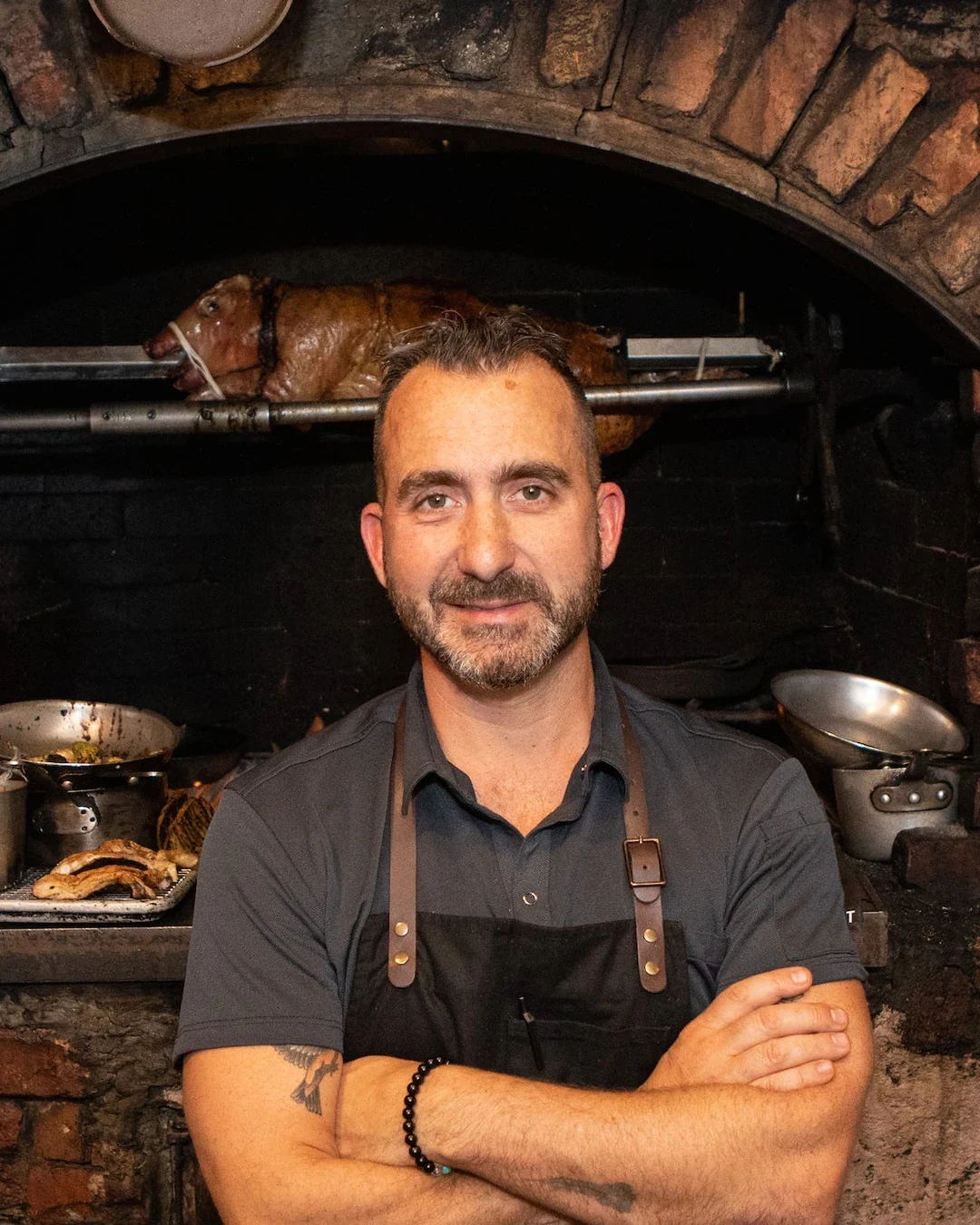
Marc Forgione
Chef
- 01CuisineModern American Steakhouse
- 02CityNew York City, United States
Dry-aged beef over high heat
- World's Best Steaks 101 Best Steak Restaurants #67 · 2026
- World's Best Steaks 50 Best Steakhouses in North America #24 · 2025
- World's Best Steaks 101 Best Steak Restaurants #75 · 2025
Beef, heat, and timing at the pass
The grill work turns on seconds: beef over high heat, the cut rested, the next plate waiting. American Cut in Tribeca, New York City, is a modern American steakhouse, but the discipline is older than the room. Dry ageing sets the clock weeks before service, seasoning decides how much of the cure reaches the palate, and the high-temperature grill leaves almost no margin between crust and overcooked centre. Carryover heat has to be counted, not guessed, because a rested cut keeps changing after it leaves the fire. A steakhouse pass does not forgive drift. The kitchen here works a narrow problem in the best sense, beef and flame and timing, with seafood and table-side finishes asking for the same attention at a different tempo. Nothing in that method is decorative. A cut arrives whole, sliced or bone-in, and the room can see whether the fire was read correctly.
A steakhouse built around measured cuts
The program gives the kitchen numbers that the hand has to honor. The 42 oz. Tomahawk Rib-Eye arrives as a statement of butchery before it becomes a plate; the 52 oz. Porterhouse with flaming bone marrow butter adds table-side heat to an already exacting cut. The dry-aged rib-eye carries pastrami spices, a seasoning choice that pushes the steakhouse grammar toward smoke, cure, and deli memory without leaving the grill. Chili Lobster brings seafood into the same high-heat register, where shell, chilli and sweetness have to stay in proportion. The 1924 Hotel Caesar keeps another kind of service in the room, prepared with the ceremony that a steakhouse can still hold when the crew treats the old forms as live work. American Cut’s beverage side sits close to that rhythm. The bar leans into craft cocktails, wine, and whiskey, with a curated wine program shaped to cuts that carry fat, char, spice, and salt. None of this reads as a tasting-menu argument. It is a la carte craft with prix fixe structure available, the method held in the timing between the fire, the pass, and the table.
The room keeps pace with the fire
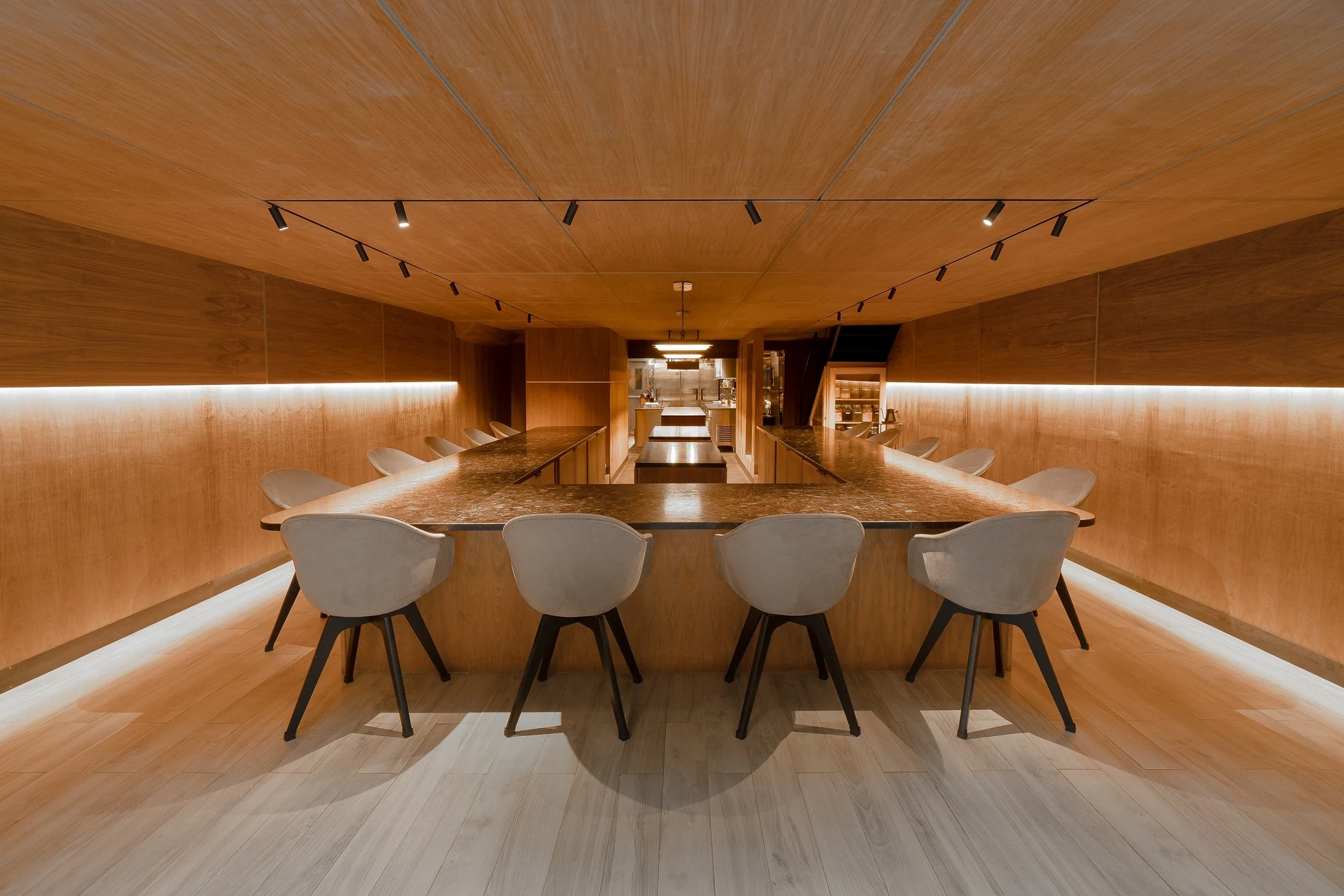
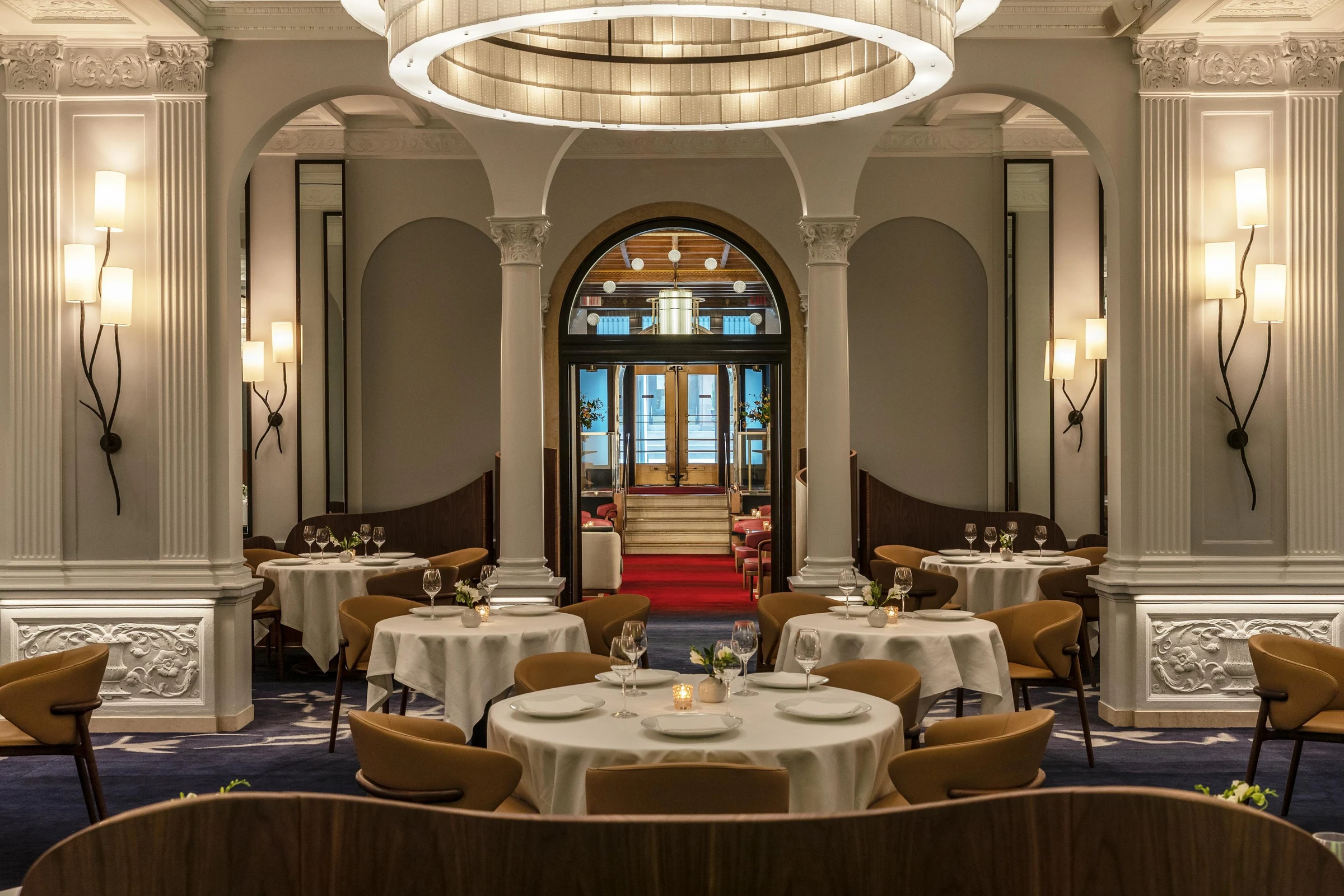
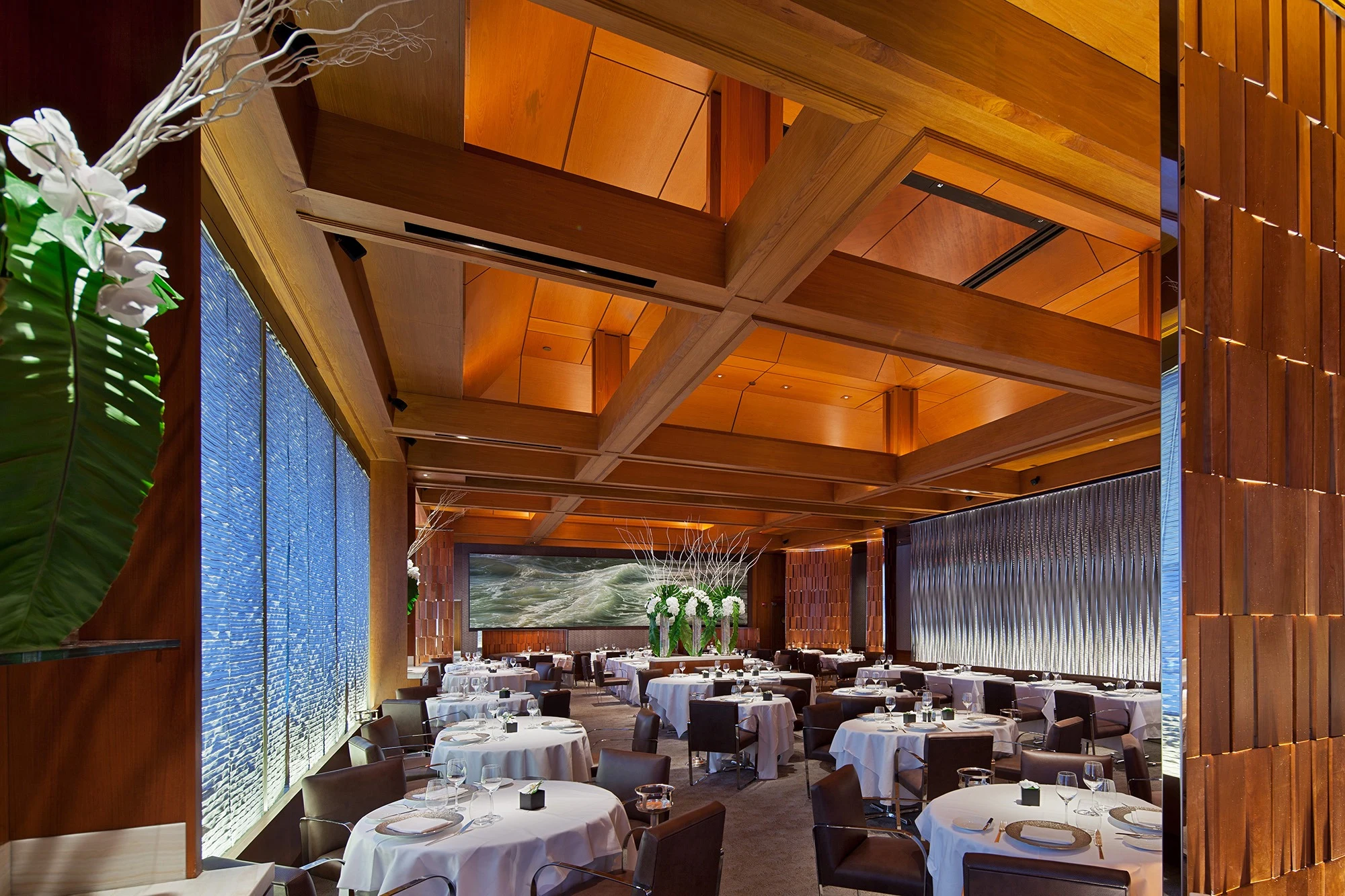
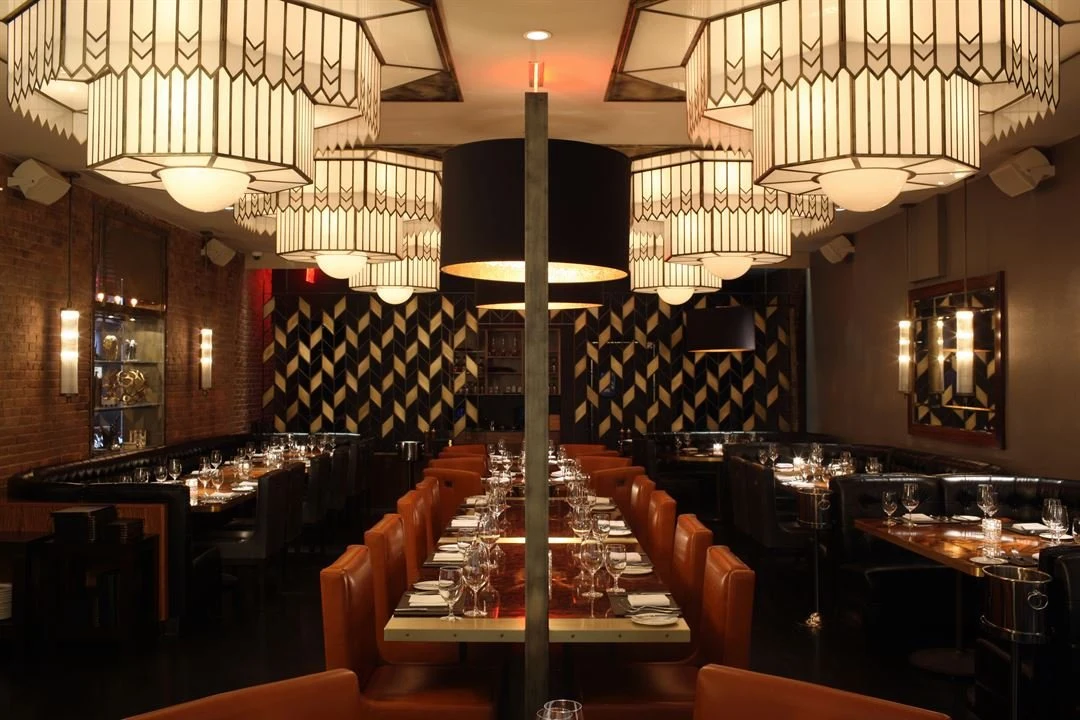
Candlelight softens the room, but the service stays alert. American Cut works in a luxe, buzzy register: comfortable seating, formal service, a bar with its own charge, and a dining room that lets table-side preparation become part of the evening without turning the kitchen into theater alone. The counterpoint is the pass, where the craft remains plain. Steak rests because it must. Butter flames because the dish calls for it. A Caesar is not nostalgic if the hands still make the gesture with care. The room wants energy and the grill requires patience, and the work of the evening is holding both at once. Volume rises at the bar, plates land in waves rather than in a fixed procession, and each cut still has to answer the same question when it reaches the table. Dry ageing, a high-temperature grill, and the nerve to let beef arrive without disguise are what the house has to sell, and the clearest test of it is still the dry-aged Rib-Eye with Pastrami spices.
Questions
Frequently asked
What kind of restaurant is American Cut?
American Cut is a modern American steakhouse in Tribeca, New York City. The kitchen works with dry-aged beef over a high-temperature grill, and the menu also includes seafood and table-side finishes.
What are some of the dishes it is known for?
The menu includes the 42 oz. Tomahawk Rib-Eye, the 52 oz. Porterhouse with flaming bone marrow butter, Chili Lobster, the 1924 Hotel Caesar, and a dry-aged Rib-Eye with pastrami spices.
What is the booking policy?
Reservations are essential, and bookings are made through SevenRooms.
What are the opening hours?
American Cut is open Monday to Thursday from 5 to 9 PM, Friday and Saturday from 5 to 10 PM, and closed on Sunday.
What is the dress code and price level?
The dress code is business casual, and the price tier is $$$$, with an approximate spend of $100 per person.
The field
How it compares
| Place | Cuisine | Notes | Awards |
|---|---|---|---|
| American Cut | Modern American Steakhouse | Tribeca-Civic Center, $$$$ | · |
| Atomix | Modern Korean Tasting Menu | New York City | Michelin 2 Stars, World's 50 Best |
| Daniel | Modern French Fine Dining | New York City | Michelin 1 Star, World's 50 Best |
| Eleven Madison Park | Contemporary Plant-Based Fine Dining | New York City | Michelin 3 Stars, World's 50 Best |
| Jungsik New York | Modern Korean Fine Dining | New York City | Michelin 3 Stars, World's 50 Best |
| Kabawa | Modern Caribbean Prix Fixe | New York City | World's 50 Best |
| Le Bernardin | French Seafood Fine Dining | New York City | Michelin 3 Stars, World's 50 Best |
In residence
Similar places
Modern Korean Tasting Menu
Atomix
New York City, United States
★★ · 50 Best
Modern French Fine Dining
Daniel
New York City, United States
★ · 50 Best
Contemporary Plant-Based Fine Dining
Eleven Madison Park
New York City, United States
★★★ · 50 Best
Modern Korean Fine Dining
Jungsik New York
New York City, United States
★★★ · 50 Best
Modern Caribbean Prix Fixe
Kabawa
New York City, United States
50 Best
French Seafood Fine Dining
Le Bernardin
New York City, United States
★★★ · 50 Best