Chiavennasca aged in chestnut casks
- Falstaff Winery - 4 Stars · 2026
- Pearl 2 Star Prestige · 2025
Since 2004 in the same cellar
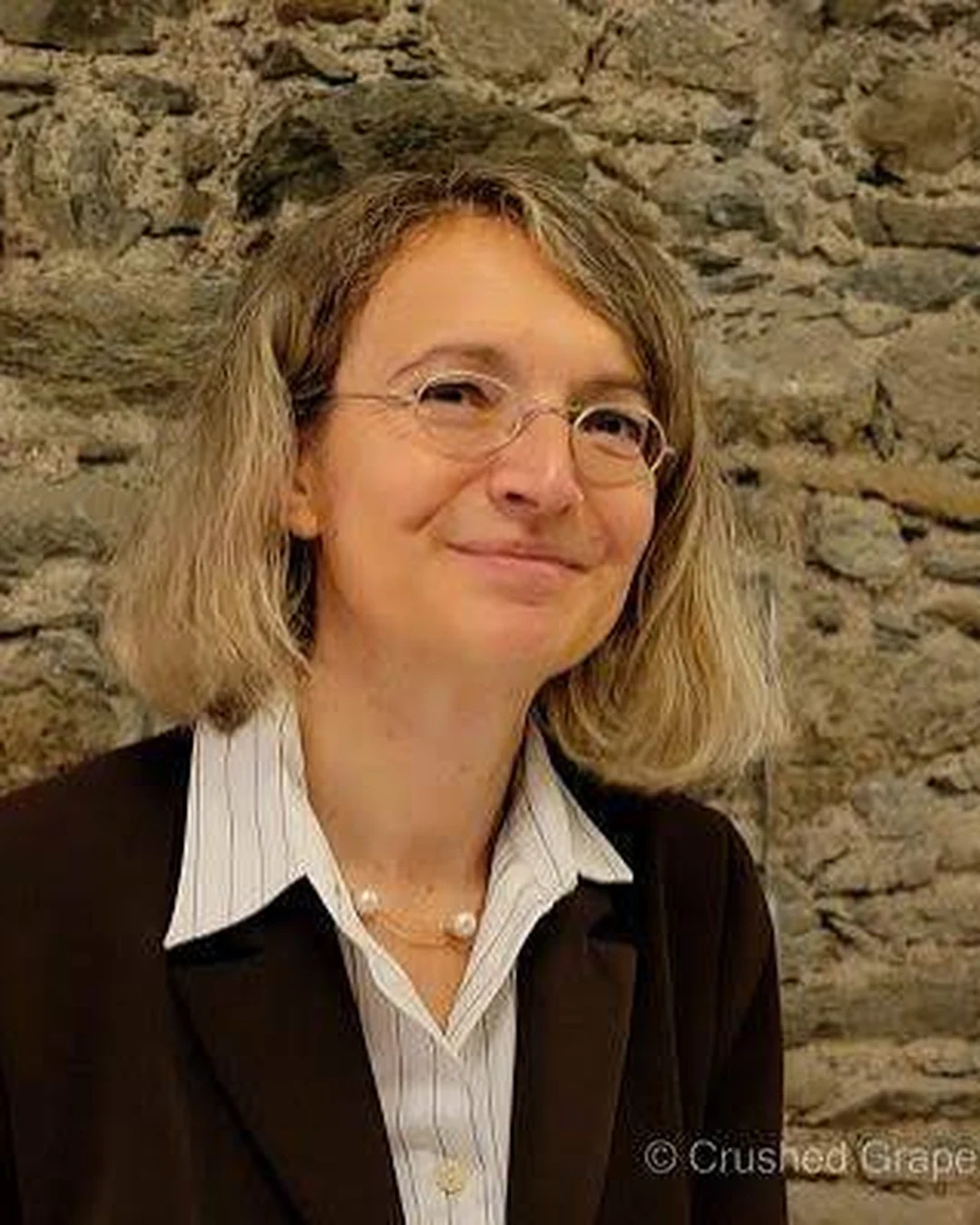
Chestnut casks set the pace before any bottle leaves the cellar. Isabella Pelizzatti Perego, Winemaker at Ar.Pe.Pe. in Sondrio, works from that slower measure, inside a house whose recent life has depended on restraint. She has held the post since 2004, carrying the Pelizzatti Perego name through the daily decisions that restore trust after a period she has described without polish: “The brand was destroyed by overproduction.” That sentence matters here because it names the fault line. The work at Ar.Pe.Pe. is not a performance of heritage; it is a correction made at the bench, vintage by vintage, with volume kept behind quality and the house style rebuilt through repeated choices.
Her lineage is carried in the name of the winery and in the obligation attached to it. The role asks for proximity rather than distance: reading the fruit, the cellar, the old expectations around Valtellina, and the damage done when a wine outruns its ground. Isabella’s most legible signature sits in bottlings tied to place, among them Rosso di Valtellina, Sassella Stella Retica, Inferno Fiamme Antiche, Grumello Buon Consiglio, and Sassella Rocce Rosse. The names do not behave like decoration. They are the map of the work.
Chiavennasca from terraced ground
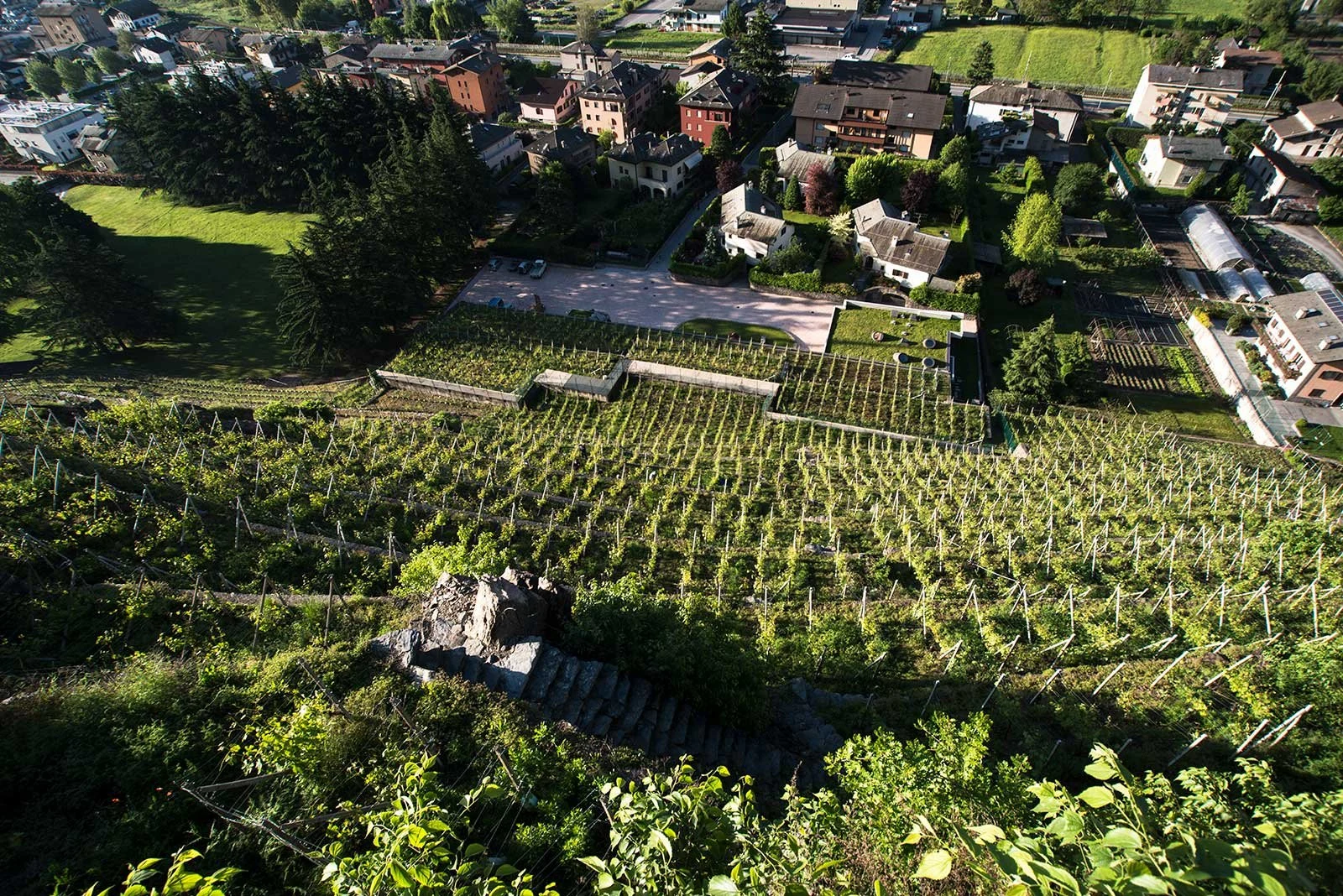
Ar.Pe.Pe. works in Valtellina Superiore DOCG, where Nebbiolo is also Chiavennasca, and the vines stand on steep terraced alpine vineyards rather than broad valley-floor ease. The house’s emphasis falls on hand-harvested fruit from Sassella, Grumello, and Inferno, subzones that give Isabella a vocabulary of slope, exposure, and limit. Those limits are part of the method. Terraces ask for hands; mountain vineyards make pace visible; the cellar receives fruit that has already been shaped by gradient and stone.
The wines remain still reds, built for clarity rather than weight, and the ageing in chestnut casks keeps the house close to an older material language. Chestnut is not neutral in the story of this place. It belongs to the cellar’s rhythm, to the long way by which Chiavennasca can loosen from severity without losing line. Since 2004, Isabella Pelizzatti Perego has worked from that slower measure in the same cellar, where Chestnut casks set the pace.
Below Grumello Castle
The cellar sits below Grumello Castle, stone-lined and quiet, with the kind of room that keeps the attention on the wine rather than on arrival. Outside, the vineyards climb in terraces across the Valtellina valley; inside, the air belongs to cask, stone, and the pause before a glass is lifted. It is a place for close tasting, not spectacle. The room narrows the exchange between maker, bottle, and site.
That quiet suits Isabella’s task. A winery rebuilt after excess cannot rely on volume to make its case; it has to let the method accumulate. At Ar.Pe.Pe., the measure is a named cask, a named slope, a named wine held long enough to show what was kept intact. Here are the cellar below Grumello Castle and the next glass of Sassella Rocce Rosse.
Questions
Frequently asked
Who makes the wines at Ar.Pe.Pe.?
Isabella Pelizzatti Perego has been the winemaker at Ar.Pe.Pe. In Sondrio since 2004.
What is Ar.Pe.Pe. known for?
The winery works with Chiavennasca from terraced vineyards in Valtellina, with a focus on hand-harvested fruit from Sassella, Grumello, and Inferno, and on ageing in chestnut casks.
Which wines are most closely associated with the house?
Among the bottlings tied to place are Rosso di Valtellina, Sassella Stella Retica, Inferno Fiamme Antiche, Grumello Buon Consiglio, and Sassella Rocce Rosse.
Where is the cellar?
The cellar sits below Grumello Castle in Sondrio.
What is the booking policy?
Visits are by appointment only.
The field
How it compares
| Place | Notes | Awards |
|---|---|---|
| Ar.Pe.Pe. | Sondrio, $$ | · |
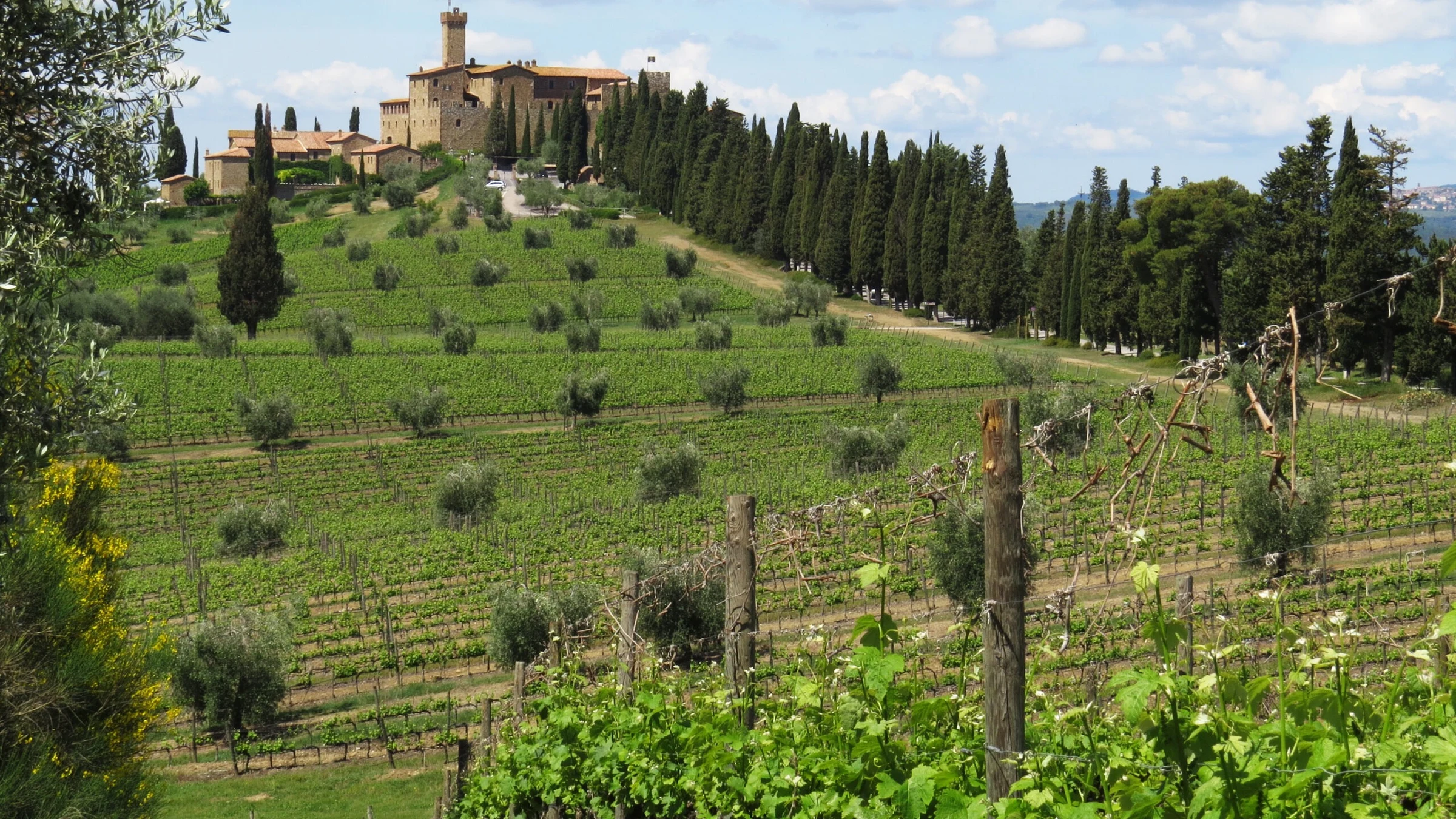
| Castello Banfi | Montalcino | World's 50 Best |
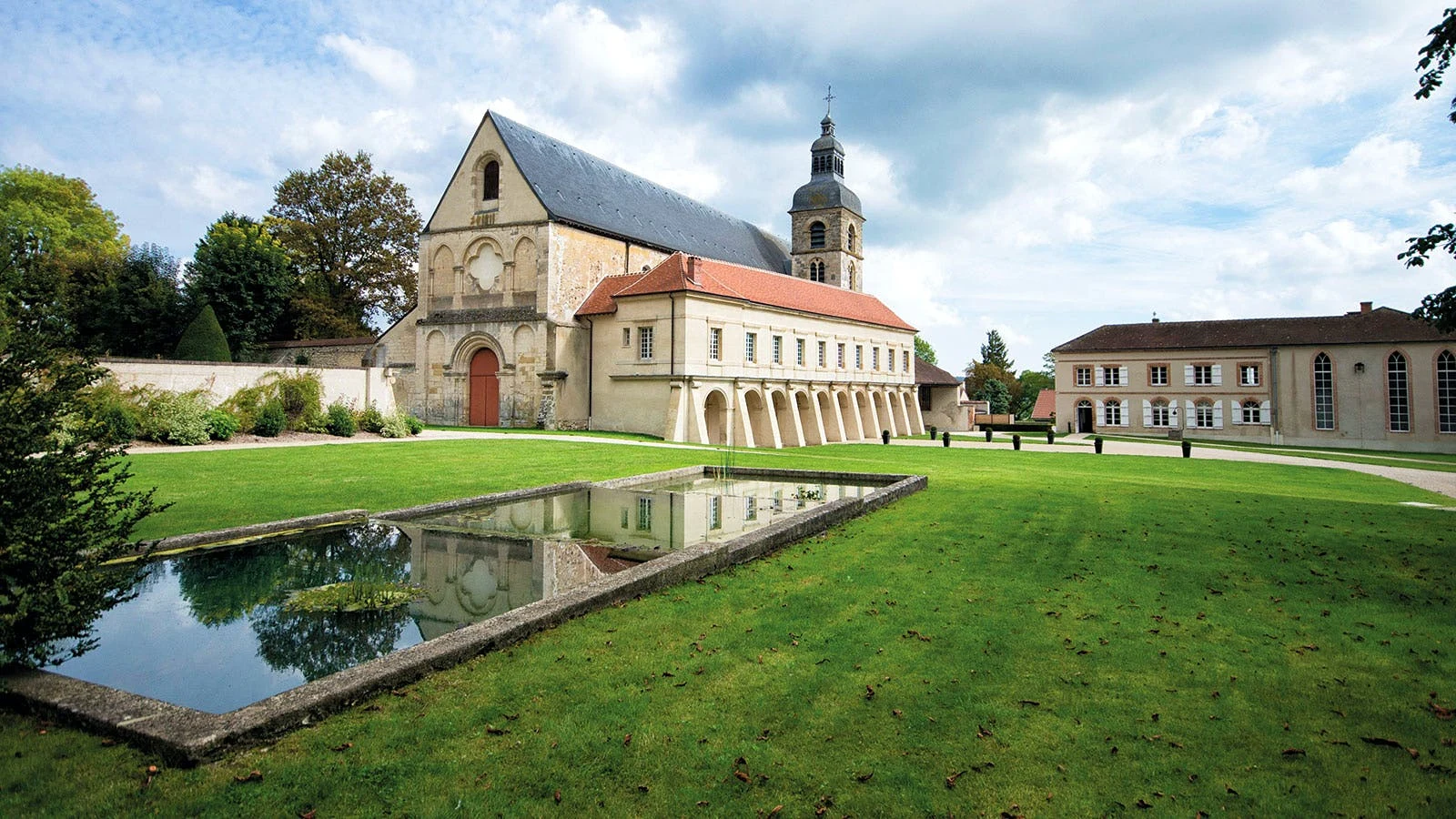
| Dom Pérignon | Hautvillers | · |
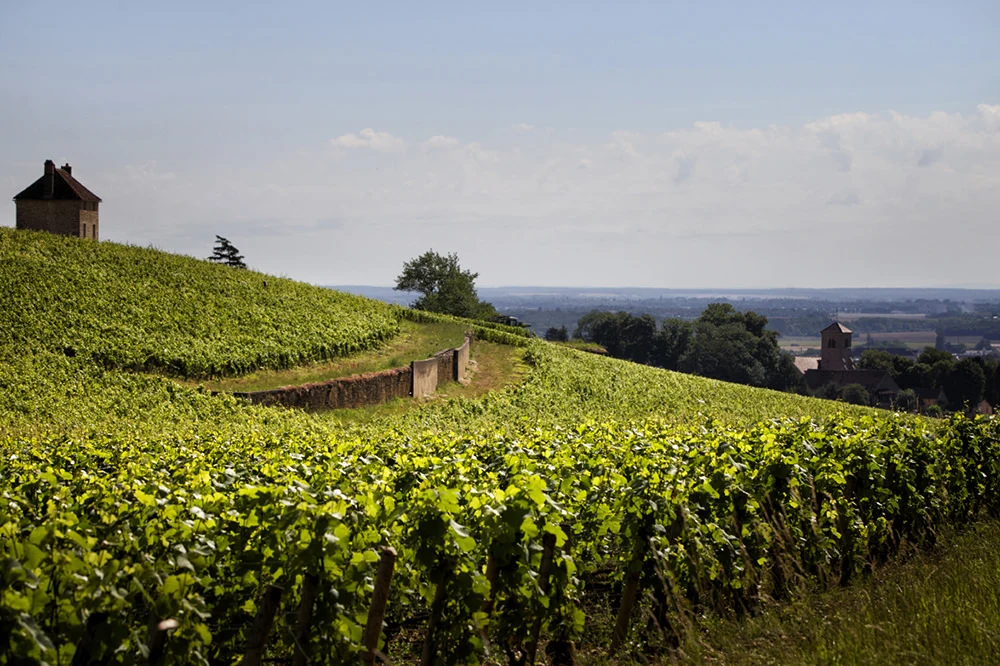
| Domaine Denis Mortet | Gevrey-Chambertin | · |
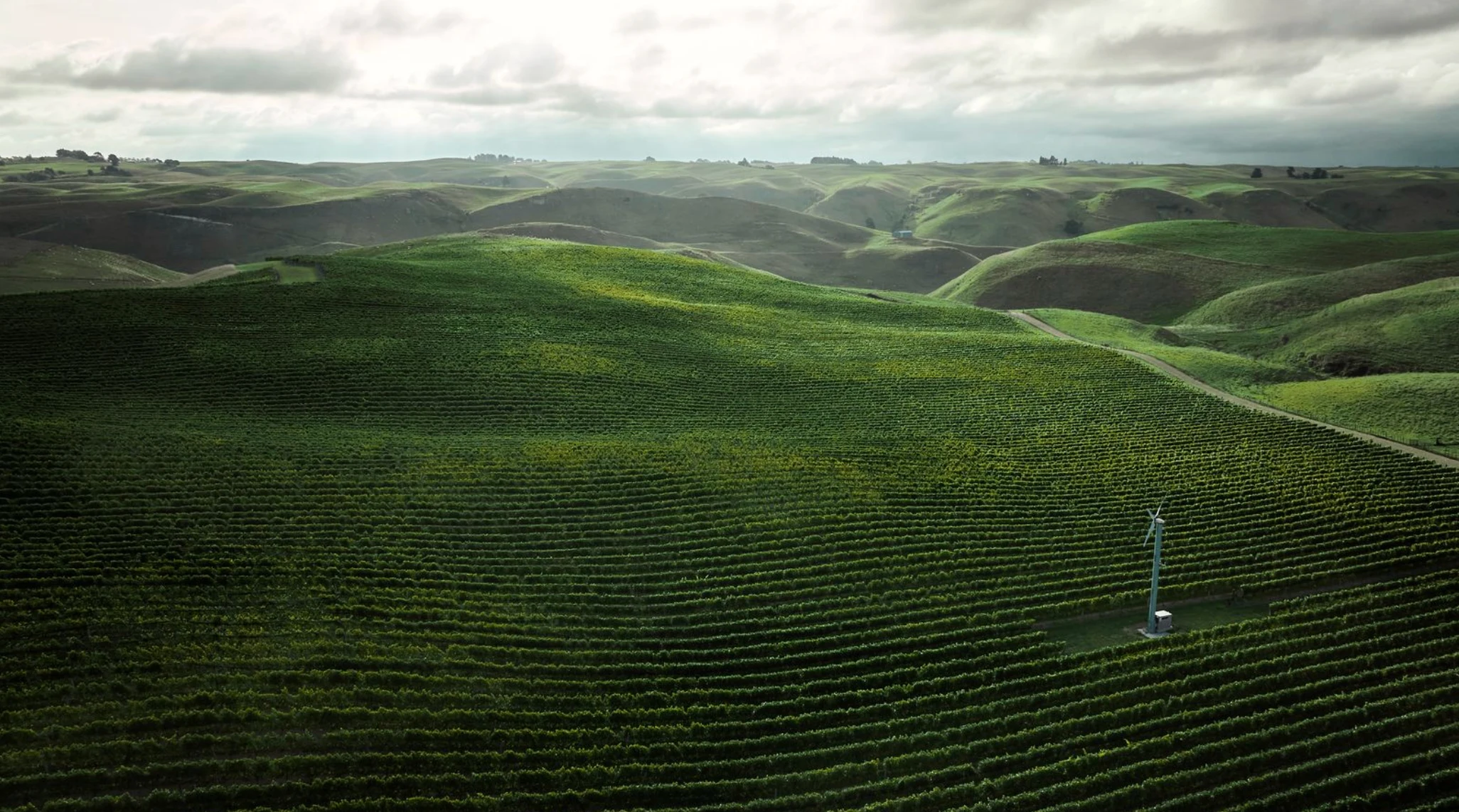
| Kumeu River Wines | Kumeu | World's 50 Best |
| Rupi del Nebbiolo | Sondrio | · |
| Vega Sicilia | Valbuena de Duero | · |