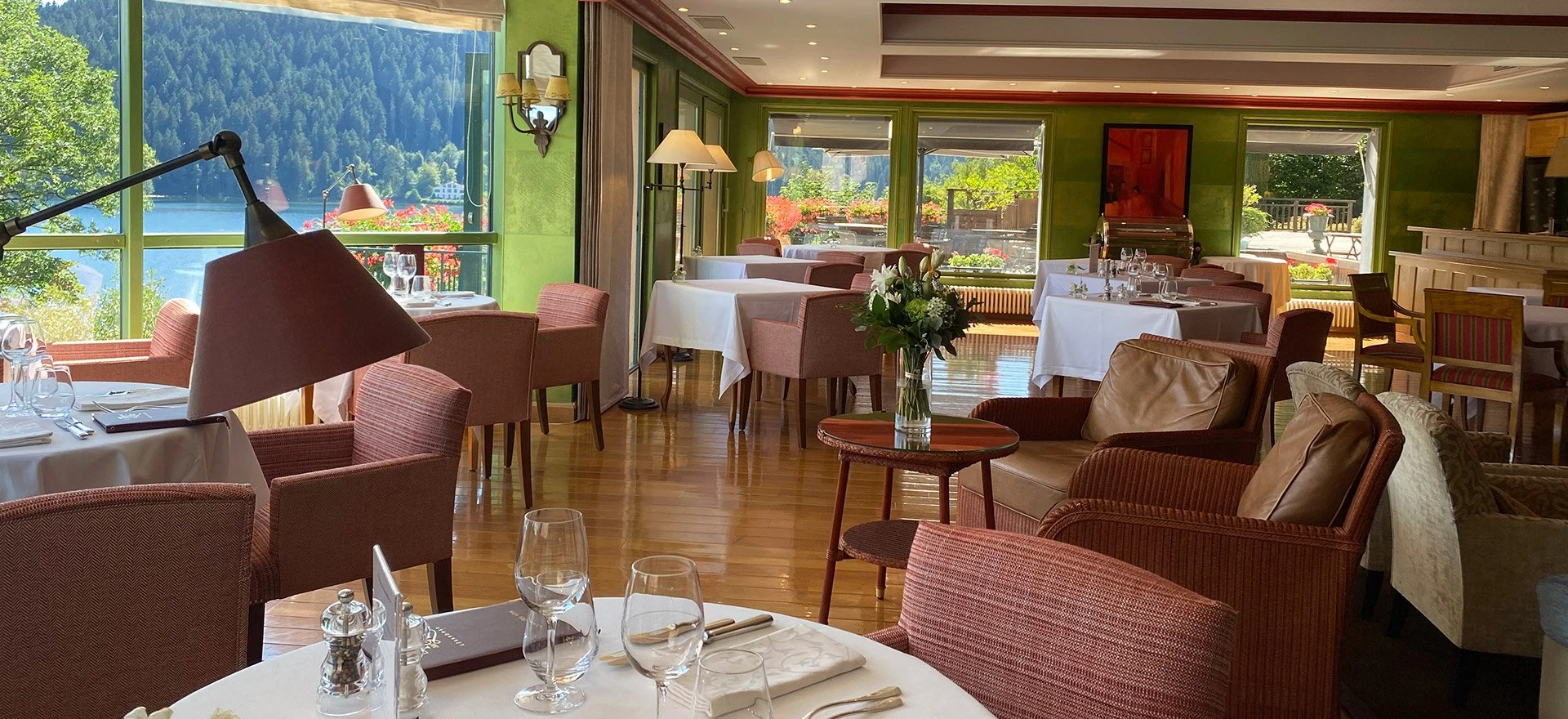
Auberge du Pont de la Zorn
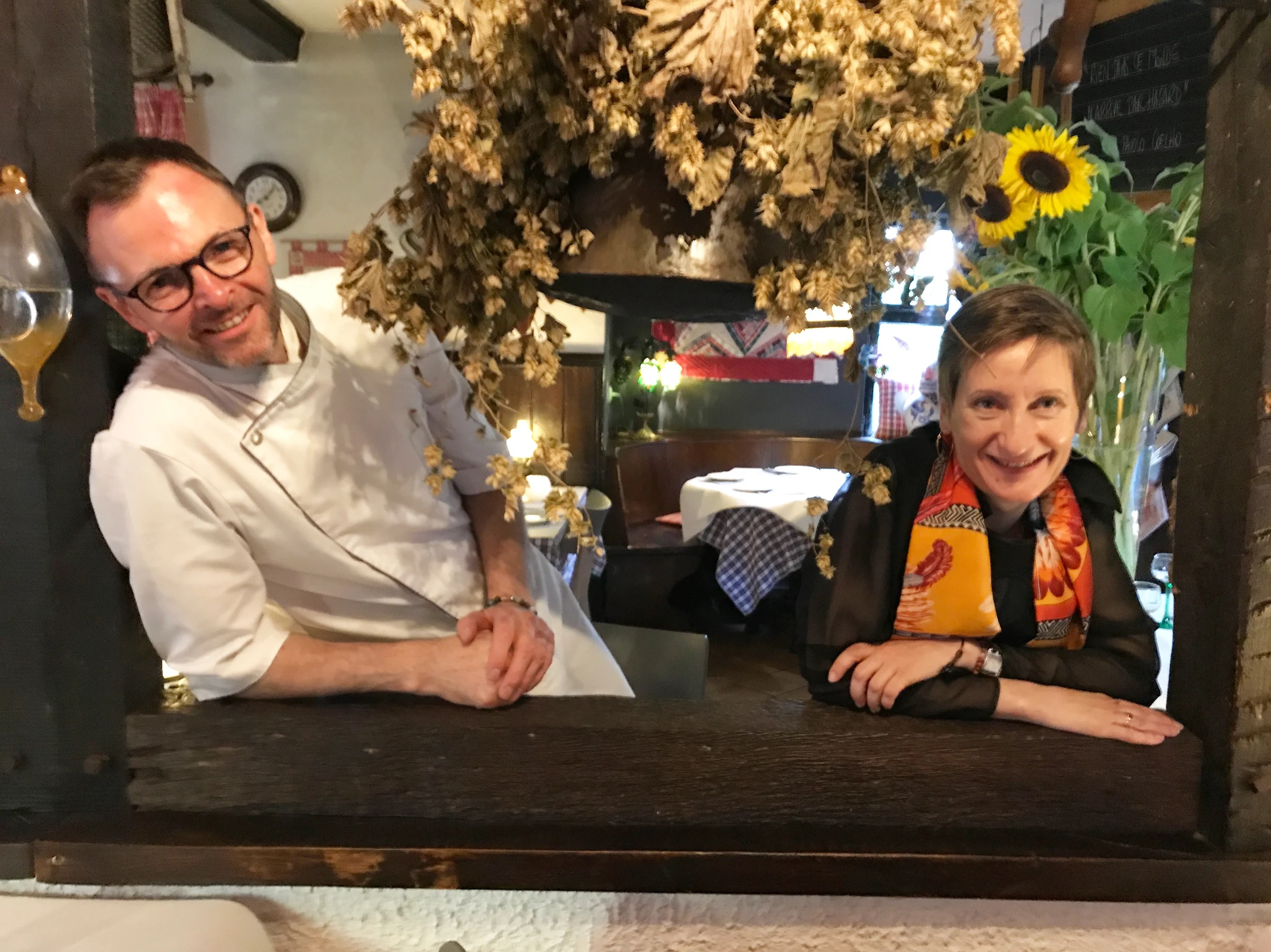
In Residence
Hervé Debeer
Owner
- 01CuisineTraditional Alsatian Winstub
- 02CityWeyersheim, France
- Michelin Bib Gourmand · Michelin Guide
- Michelin Bib Gourmand · 2026
- Michelin Bib Gourmand · 2025
- Michelin Bib Gourmand · 2024
Where the Rhine Plain Comes to the Table
The villages north of Strasbourg don't attract much passing attention from food travellers who tend to stop at the city's timbered brasseries and move on. Weyersheim, twelve kilometres up the Rhine plain, sits in the agricultural band where Alsace produces the ingredients that fill those city menus: market gardens, fruit orchards, freshwater streams, and the kind of small-scale producers who sell regionally rather than to export buyers. Auberge du Pont de la Zorn is a restaurant in Weyersheim, France, known for Traditional Alsatian Winstub cooking and recognized with Michelin Bib Gourmand awards in 2024 and 2025. The Zorn river runs through the village, and the auberge format, an inn built around the kitchen rather than around a view or a design concept, is how this part of Alsace has historically turned local produce into a reason to travel.
That context matters for understanding what the Michelin Bib Gourmand recognition, awarded in both 2024 and 2025, actually signals here. The Bib Gourmand category is Michelin's explicit acknowledgement that value-conscious cooking with genuine quality deserves attention alongside the starred tier. For a village address in the northern Alsace plain, it places Auberge du Pont de la Zorn in a competitive set that includes serious regional kitchens rather than tourist-facing Alsatian theme restaurants. Comparable Alsatian addresses working in a similar register of tradition and provenance include Auberge de l'Ill in Illhaeusern and village-rooted addresses like À l'Agneau d'Or in Obernai and À l'Ami Fritz in Ottrott, though those sit in different price and recognition tiers. The Zorn auberge works at the mid-price point, marked €€, where the argument is made through sourcing and technique rather than through tasting-menu architecture.
Alsatian Cuisine and Where It Comes From
Alsatian cooking is often reduced to its most visible exports: choucroute garnie, flammekueche, baeckeoffe. Those dishes exist because of the region's specific agricultural output, not in spite of it. The Rhine plain between Strasbourg and the German border is one of France's most productive market-garden zones, with soil conditions that support white asparagus, turnips, cabbages, and root vegetables alongside the cereal crops that make the region's bread and beer traditions viable. The rivers, including the Zorn, historically supplied freshwater fish, particularly pike, trout, and carp, that became the basis of the region's freshwater fish preparations.
A kitchen built around this geography works seasonally by necessity. White asparagus from the Rhine plain appears in spring and is gone within weeks. Foie gras production has strong local roots in Alsace, and the region's charcuterie tradition, driven by the pig-keeping culture of small farms, produces the raw material for the pork-heavy dishes that define the cuisine. These are not romantic abstractions about terroir. They are practical supply chains between specific farms and specific kitchens that have existed in this region for generations. The Bib Gourmand designation suggests the kitchen at Auberge du Pont de la Zorn is doing something considered with that supply chain rather than simply naming local provenance on a menu without substance behind it.
Across France's serious regional restaurants, from Bras in Laguiole to Flocons de Sel in Megève, the argument for ingredient sourcing as a guiding editorial principle has become the defining thread of serious provincial cooking. The scale differs enormously, but the underlying logic is the same: proximity to the source produces dishes that resist replication elsewhere. At the village level and mid-price range, that argument is made without the infrastructure of a three-star kitchen, which makes the execution either more honest or more exposed, depending on what arrives on the plate.
The Auberge Format and Its Expectations
The auberge as a dining format carries specific expectations in France. It implies hospitality rooted in place, cooking that reflects the immediate region, and a register that sits somewhere between the neighbourhood bistro and the destination restaurant. It is not the format of Alléno Paris au Pavillon Ledoyen or Mirazur in Menton. Nor is it trying to be. The auberge format stakes its reputation on familiarity, consistency, and the sense that the kitchen knows exactly what this region produces and how to prepare it.
At 4.5 stars across 908 Google reviews, Auberge du Pont de la Zorn maintains a rating that reflects sustained performance rather than a single wave of enthusiasm. Review volume at that level, for a village address in northern Alsace, indicates a recurring local and regional clientele alongside visitors making a specific trip. That pattern is typical of Bib Gourmand addresses that hold their recognition across consecutive years: they function as anchor points for food travellers who have moved beyond the Michelin-starred circuit but still want Michelin-level assurance about quality. For context on the broader French dining tier, addresses like Assiette Champenoise in Reims and Au Crocodile in Strasbourg occupy higher rungs of the same regional recognition structure.
Planning a Visit
Weyersheim sits in the Bas-Rhin department, reachable from Strasbourg by a short drive north along the Rhine plain. The village has no significant tourist infrastructure of its own, which means arriving by car is the practical approach for most visitors. The mid-price €€ positioning means a meal here sits well within a day-trip budget from Strasbourg, where the same spend at a Michelin-starred address would require a considerably higher outlay. Reservations are recommended. The Alsatian season follows agricultural rhythms: spring brings asparagus, autumn brings the game and chestnut preparations that mark the hunting calendar across the region. Those who want to cross-reference the wider Alsace dining scene will find regional peers at À l'Ami Fritz in Ottrott and, at the upper end of the regional tradition, Auberge de l'Ill in Illhaeusern.
Questions
Frequently asked
What recognition does Auberge du Pont de la Zorn hold?
Auberge du Pont de la Zorn holds a Michelin Bib Gourmand.
Who works at Auberge du Pont de la Zorn?
Made By profiles Hervé Debeer (Chef-Owner) at Auberge du Pont de la Zorn.
How expensive is Auberge du Pont de la Zorn?
Auberge du Pont de la Zorn is listed at a price level of $$.
Where is Auberge du Pont de la Zorn and what does it serve?
Auberge du Pont de la Zorn is in Weyersheim, Weyersheim, serving Traditional Alsatian Winstub.
The field
How it compares
| Place | Cuisine | Notes | Awards |
|---|---|---|---|
| Auberge du Pont de la Zorn | Traditional Alsatian Winstub | Weyersheim, $$ | · |
| Ikoyi | Modern West African Fine Dining | London | Michelin 2 Stars, World's 50 Best |
| KOL | Modern Mexican Fine Dining | London | Michelin 1 Star, World's 50 Best |
| Le Chambard | Traditional Alsatian Winstub | Kaysersberg | · |
| Sézanne | Modern French Fine Dining | Tokyo | Michelin 3 Stars, World's 50 Best |
| The Ledbury | Modern British Fine Dining | London | Michelin 3 Stars, World's 50 Best |
| Winstub du Chambard | Traditional Alsatian Winstub | Kaysersberg | · |
In residence
Similar places
Modern West African Fine Dining
Ikoyi
London, United Kingdom
★★ · 50 Best
Modern Mexican Fine Dining
KOL
London, United Kingdom
★ · 50 Best
Traditional Alsatian Winstub
Le Chambard
Kaysersberg, France
Modern French Fine Dining
Sézanne
Tokyo, Japan
★★★ · 50 Best
Modern British Fine Dining
The Ledbury
London, United Kingdom
★★★ · 50 Best
Traditional Alsatian Winstub
Winstub du Chambard
Kaysersberg, France