Six hectares of La Morra vines
- Falstaff Winery - Listed · 2026
Grass between the rows
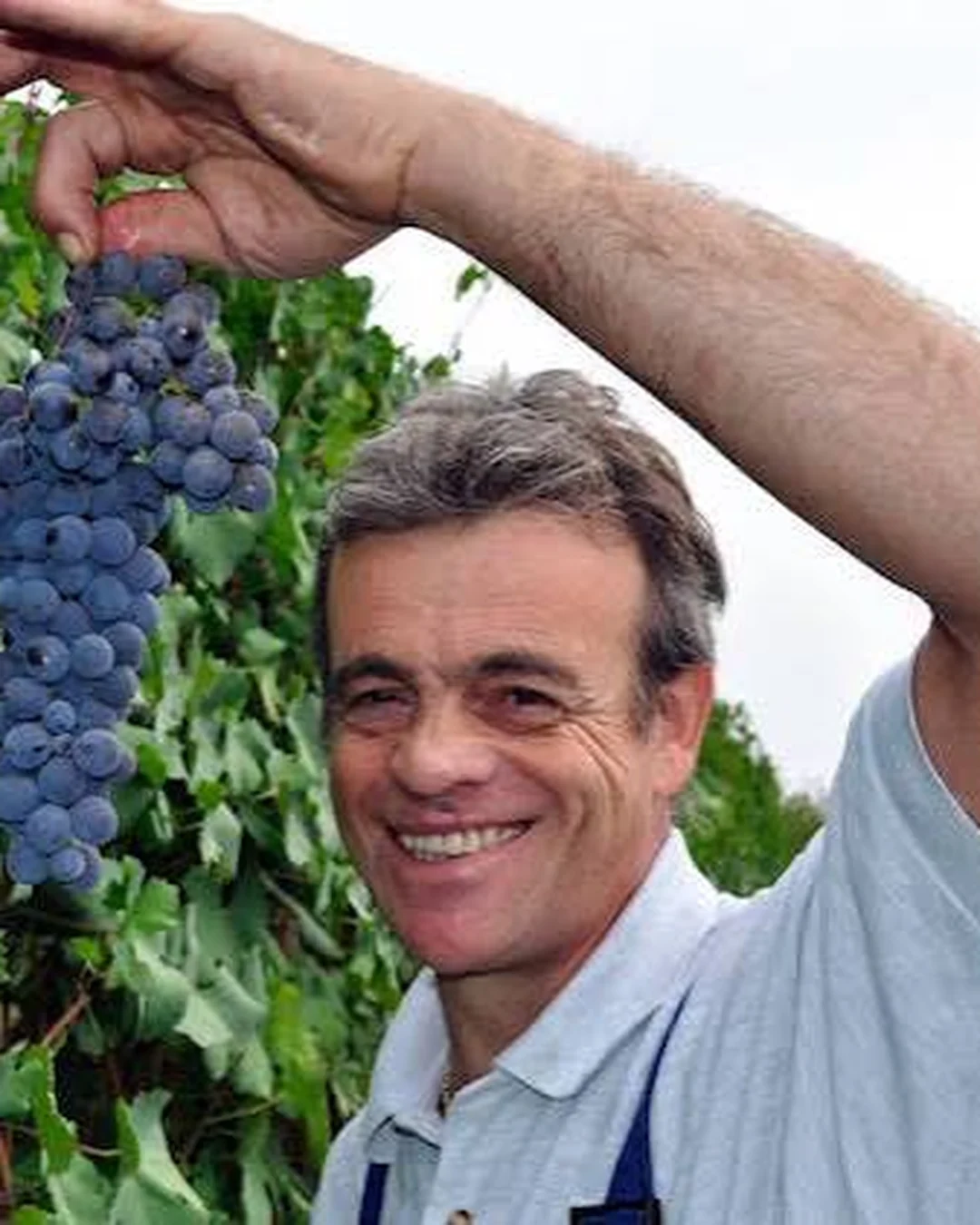
The grass stays between the vine rows, holding the slope against erosion while Eraldo Viberti, winemaker at Azienda Agricola Eraldo Viberti in Santa Maria, La Morra, Italy, keeps the work close to the family line. The Viberti family began making wine in La Morra in the early 20th century; this estate followed in 1960, in the Santa Maria hamlet, with Barolo as its fixed point. Eraldo carries the producer’s name on the label and the family name on the land, a double responsibility in a commune where vineyard, village, and cellar still speak to one another. The farm remains small, about six hectares, planted to the local grammar of Nebbiolo, Barbera, and Dolcetto. Its scale matters because decisions do not disappear into departments. The same maker who leads a tasting can speak from the vineyard, the cellar, and the bottle. That proximity gives the house its tone: not spectacle, not polish for its own sake, but repetition carried through a Barolo estate whose identity has stayed tied to La Morra.
Two Barolo lines in the cellar
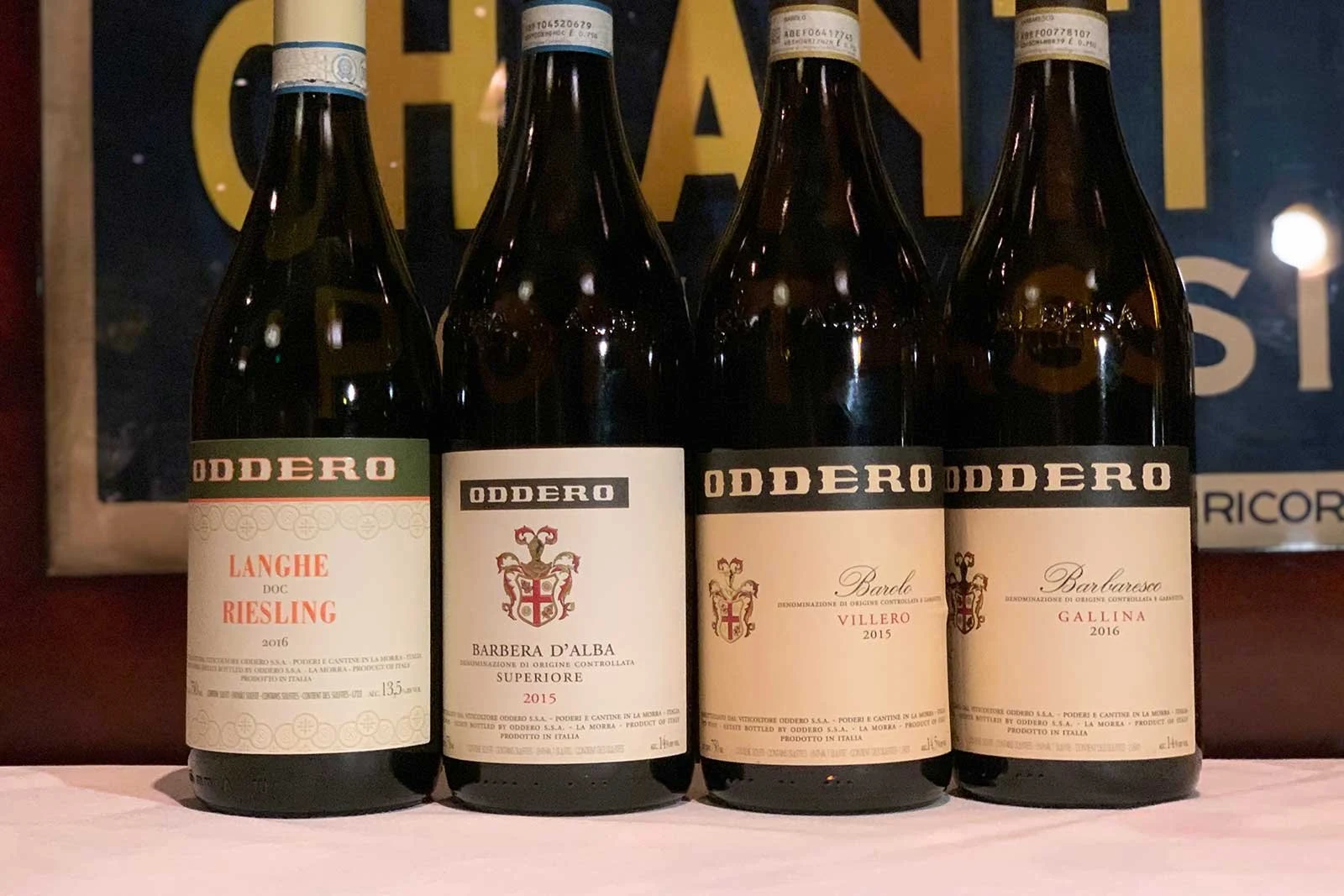
The method here keeps tradition and a more modern cellar vocabulary side by side. Roncaglie Barolo follows the older route, with aging in large wooden botti; Rocchettevino Barolo works through barrique, a smaller vessel with a different mark on Nebbiolo. Fermentation takes place in stainless steel tanks, clean and neutral enough to leave the fruit in view before the barrel program begins. For the Barolo wines, the house states 24 months in botte and at least 12 months of bottle aging, a tempo that keeps tannin, fruit, and structure on the long course rather than the quick one. Since 2018, the estate has been certified organic, and the vineyard work includes grassing down between rows, an old agricultural gesture with practical use on these hills. The portfolio stays within the Langhe vocabulary: Rocchettevino Barolo DOCG, Roncaglie Nebbiolo, Barolo Chinato, Clara, Barbera, Dolcetto d’Alba, Langhe Rosso, and Barolo del comune di La Morra. The hand changes with the wine, but the reference point does not move far from Nebbiolo.
A farmhouse above the Barolo hills
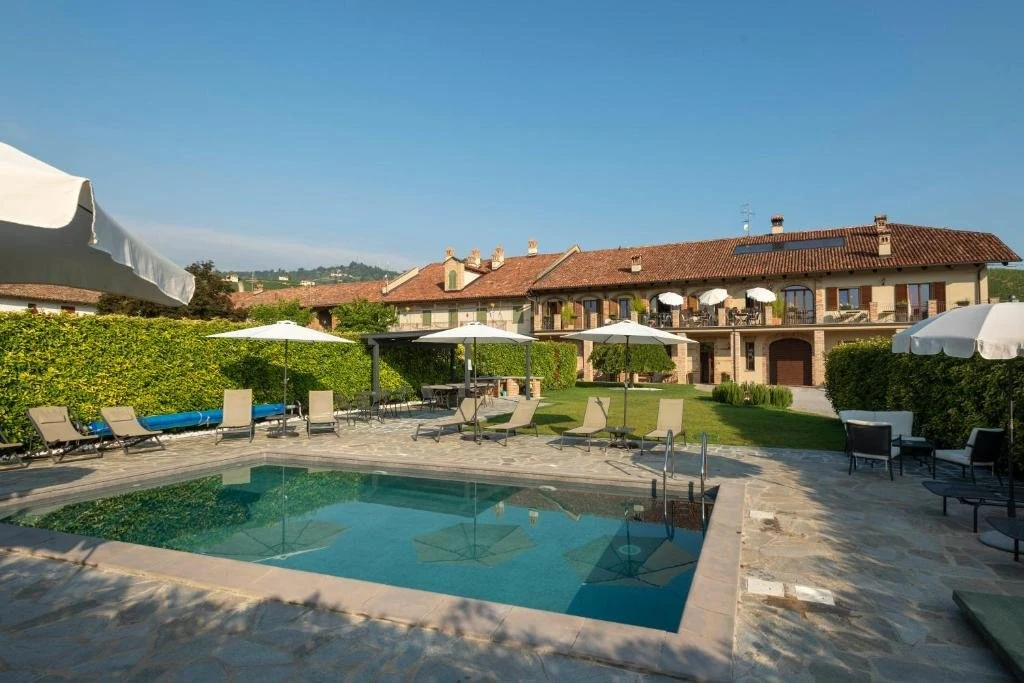
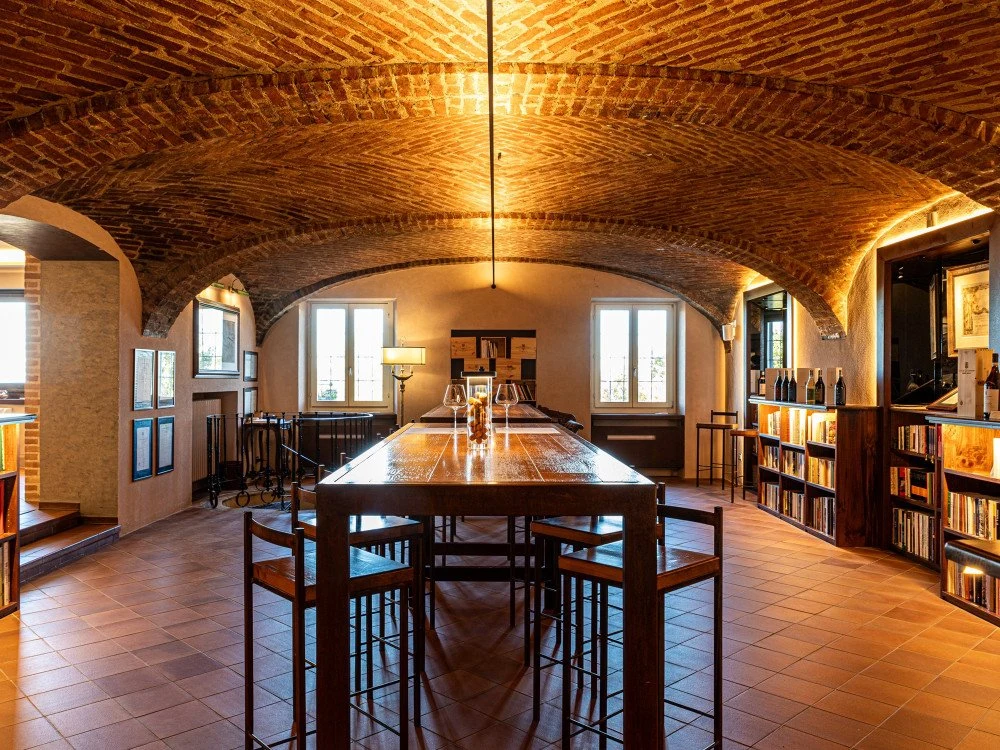
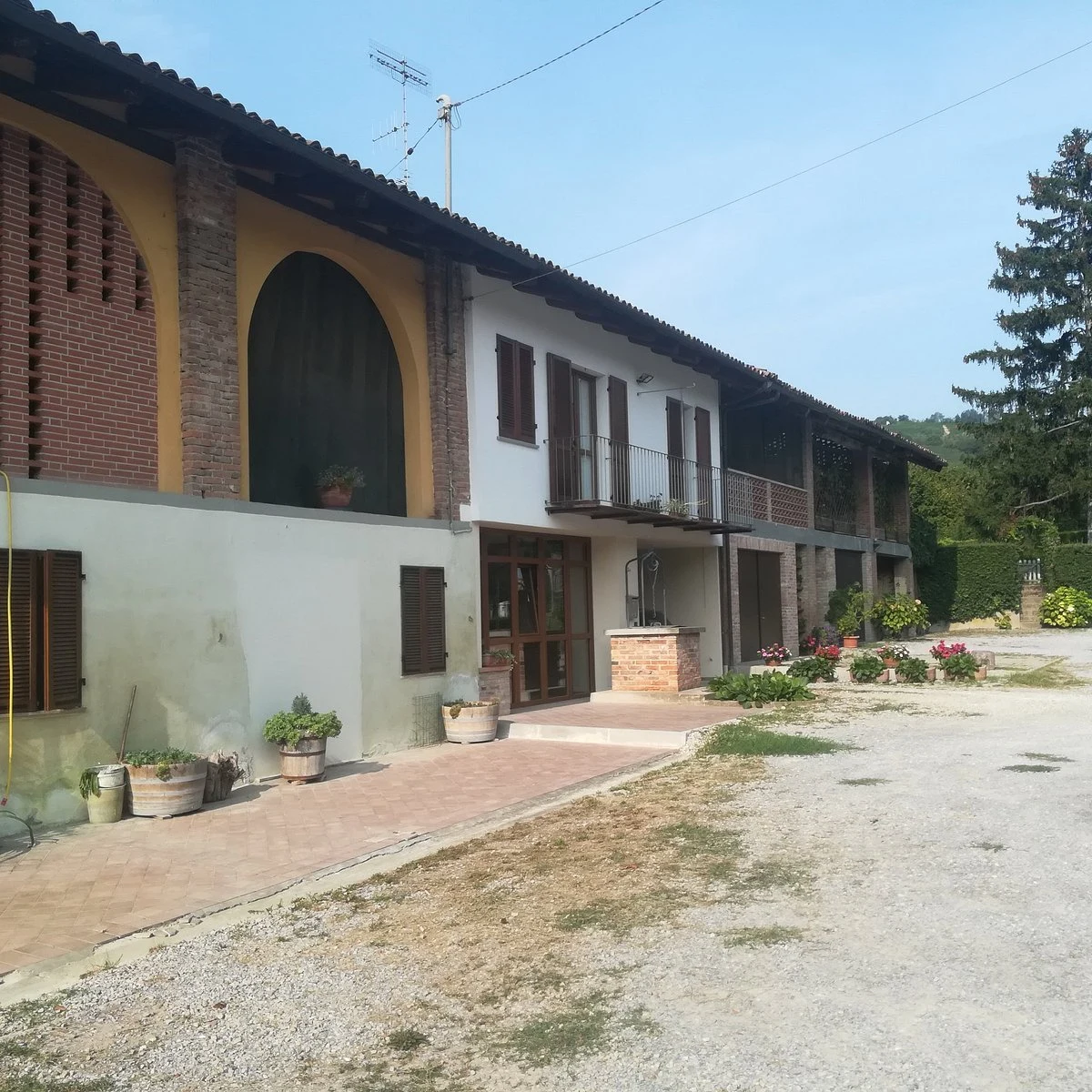
The room around the work is a traditional farmhouse winery in Borgata Tetti, within Santa Maria, set among vineyards and looking over the Barolo hills. Visits move at the scale of the estate: cellar, vineyard, tasting room, and a conversation led close to the person making the wine. The quiet is part of the place, not an effect. In a larger cellar, six hectares might read as a statistic; here it reads as a daily route, row by row, tank by tank, cask by cask. The setting keeps the tasting bench near the source of the material. Nebbiolo does not arrive here as an abstraction. It comes from La Morra soil, through the cellar, into glasses that can be traced back to Roncaglie, Rocchettevino, or Barolo Chinato.
Questions
Frequently asked
Who makes the wine at Azienda Agricola Eraldo Viberti?
Eraldo Viberti makes the wine here and carries the family name on the land and the producer’s name on the label.
What is the estate known for?
The estate is centred on Barolo and stays closely tied to La Morra, with a small farm of about six hectares in Santa Maria.
What wines are made at the winery?
The portfolio includes Rocchettevino Barolo DOCG, Roncaglie Nebbiolo, Barolo Chinato, Clara, Barbera, Dolcetto d’Alba, Langhe Rosso, and Barolo del comune di La Morra.
How are the Barolo wines aged?
Roncaglie Barolo ages in large wooden botti, while Rocchettevino Barolo uses barrique. For the Barolo wines, the estate states 24 months in botte and at least 12 months of bottle aging.
Can visits be booked in advance?
Visits are by appointment only, and the winery has on-site parking.
The field
How it compares
| Place | Notes |
|---|---|
| Azienda Agricola Eraldo Viberti | Santa Maria, $$ |
| Cascina Rocca – Franco Molino | La Morra |
| Negretti | La Morra |
| Oddero | La Morra |
| Poderi Gianni Gagliardo | La Morra |
| Rocche Costamagna | La Morra |
| Trediberri | La Morra |