Azienda Agricola San Biagio
- 01CityLa Morra, Italy
- Falstaff Winery - Listed · 2026
The approach to a Langhe cellar matters because the hills explain the wines before a glass is poured. Around La Morra, vineyard rows fold across marl-rich slopes, villages sit above the Barolo zone, and the rhythm is agricultural rather than performative. Azienda Agricola San Biagio belongs to Piedmont’s quieter wine-travel side: a family estate where vineyard setting, cellar work and tasting format ask the same question of place.
La Morra is often read through Nebbiolo, but its appeal reaches beyond grand red-wine seriousness. The area teaches exposure, altitude and soil, with the same grape changing from slope to slope. San Biagio’s holdings span La Morra, Barbaresco, Alba, Verduno, Roddi and Serralunga d’Alba, giving the cellar more than a single-village view. For broader routing, Our full La Morra wineries guide maps the category, while food and lodging planning sit in Our full La Morra restaurants guide and Our full La Morra hotels guide.
La Morra terroir, read through Nebbiolo and local varieties
The estate’s strongest editorial argument is terroir expression rather than trophy recognition. The wines use the classic Langhe vocabulary: Nebbiolo for Barolo DOCG and Barbaresco DOCG, supported by Barbera, Dolcetto and Verduno Pelaverga. That last grape matters because it prevents the conversation becoming only Barolo hierarchy. Verduno Pelaverga is a local Piedmont variety with a narrower footprint, and its place in the portfolio signals regional identity beyond the obvious labels.
The vineyard details are unusually useful for understanding style. Estate-associated sites include San Biagio, Galina, Roncaglie and Serra dei Turchi, with altitudes around 300 to 400 metres and soils described as calcareous marl and tufa. These are not decorative facts. In the Langhe, elevation affects ripening pace and acidity, while marl-based soils are central to Nebbiolo’s structure and perfume. The estate also works Guyot-trained vines, using green pruning, defoliation and hand thinning to manage growing-season balance.
Cellar choices keep the wines traditional. Barolo and Barbaresco are 100% Nebbiolo, with long maceration and fermentation in temperature-controlled steel tanks over 30 to 35 days. Ageing in large Slavonian oak casks of 60 to 80 hectolitres for 24 months, followed by bottle ageing, places the wines in the large-cask school rather than a small-barrique style. The point is technical, not nostalgic: oak stays behind grape and site.
A family cellar rather than a staged tasting-room circuit
Piedmont hospitality splits between polished visitor centres and small estates where owner conversation remains part of the experience. San Biagio sits in the second camp. The estate is family-run across five generations, with the Roggero family tied to the property since 1900. That history is not romance but a trust signal: a working agricultural address inside a UNESCO-recognised wine region, not a new brand built around regional fashion.
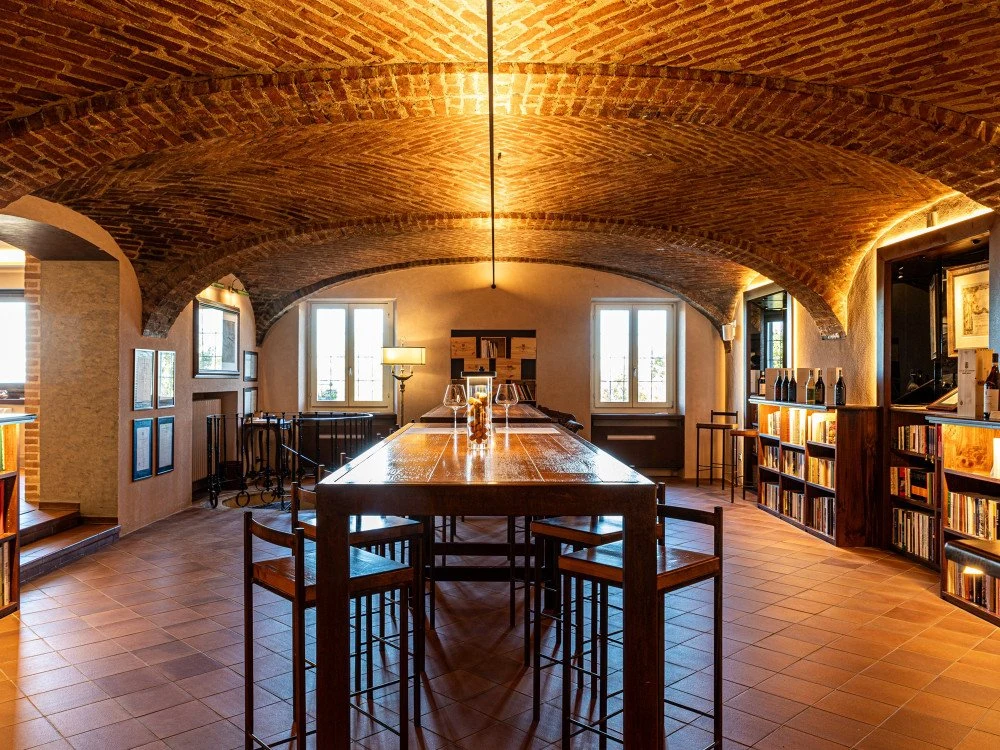
The tasting format is educational. Guided tastings, vineyard-and-cellar tours and private appointment tastings are offered, with Italian and English spoken. The tour duration is listed at 120 minutes, closer to a proper estate briefing than a quick pour-and-leave stop. The atmosphere is quiet, casual and personal, with small-capacity feel rather than commercial tasting hall. In a region where serious bottles can arrive wrapped in ceremony, that lack of stiffness is part of the appeal.
The portfolio extends beyond still reds, so the visit suits travellers wanting to understand Langhe production, not only chase one label. Alongside Barolo, Barbaresco, Nebbiolo, Barbera and Dolcetto, the estate makes still white, rosé and sparkling wine. Its Alta Langa Rosè Riserva is Metodo Classico from 100% Pinot Noir with at least 48 months of bottle ageing. That broadens the regional conversation: Piedmont is not only red wine, and the Langhe’s sparkling category is increasingly relevant for visitors seeking a fuller local view.
How to place it in a La Morra itinerary
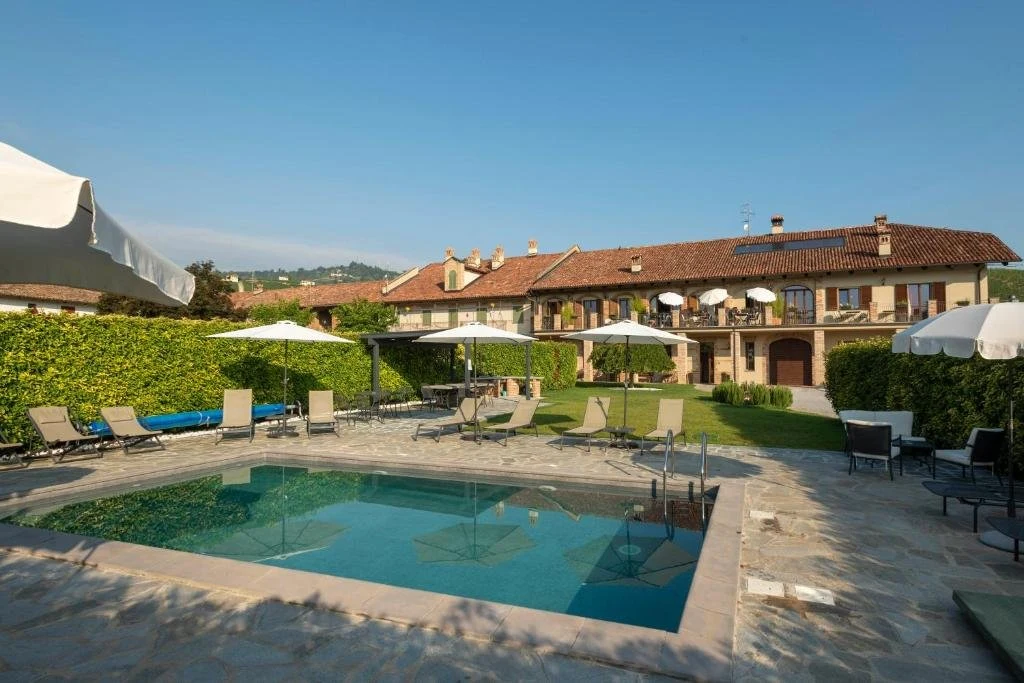
San Biagio suits travellers who value vineyard context, direct hospitality and a quieter pace. The estate setting in Frazione Santa Maria, just outside La Morra, keeps the visit close to the Barolo zone’s visual grammar: working vineyards, hillside views and a cellar atmosphere that feels agricultural before touristic. On-site parking, outdoor space and calm noise level make it practical for a measured stop rather than a rushed tasting between appointments.
The decision point is simple. Choose this estate to connect Nebbiolo structure to place, compare Barolo and Barbaresco within one family-run portfolio, and see how local varieties such as Verduno Pelaverga sit beside familiar regional grapes. It is less suited to visitors seeking a restaurant-style pairing program, since food pairing is not part of the listed format. Groups are accommodated, while the visit is better framed for adults and wine-focused travellers than for children.
For a fuller La Morra wine day, use San Biagio as a terroir-led anchor, then widen the lens through Agostino Bosco, Agricola Gian Piero Marrone, Alberto Voerzio, Aurelio Settimo and Azienda Agricola Alessandria Crissante. Non-wine planning can sit around the edges: Our full La Morra bars guide and Our full La Morra experiences guide help build out the rest of the day.
Travellers following Italian and Central European wine routes beyond Piedmont can compare regional models through 3GP SRL in Treviso, 47 Anno Domini in Trebaseleghe, A Mano Wine in Noci, »der Steiner« Hans Steiner in Podersdorf am See and & Handwein in Mannheim. San Biagio’s place in that wider map is clear: a small, family-run Piedmont estate where the main subject remains the hill, the grape and how both are translated in the cellar.
Questions
Frequently asked
How expensive is Azienda Agricola San Biagio?
Azienda Agricola San Biagio is listed at a price level of $$.
The field
How it compares
| Place | Notes |
|---|---|
| Azienda Agricola San Biagio | Frazione Santa Maria, $$ |
| Cascina Rocca – Franco Molino | La Morra |
| Negretti | La Morra |
| Oddero | La Morra |
| Poderi Gianni Gagliardo | La Morra |
| Rocche Costamagna | La Morra |
| Trediberri | La Morra |