- Falstaff Winery - Listed · 2026
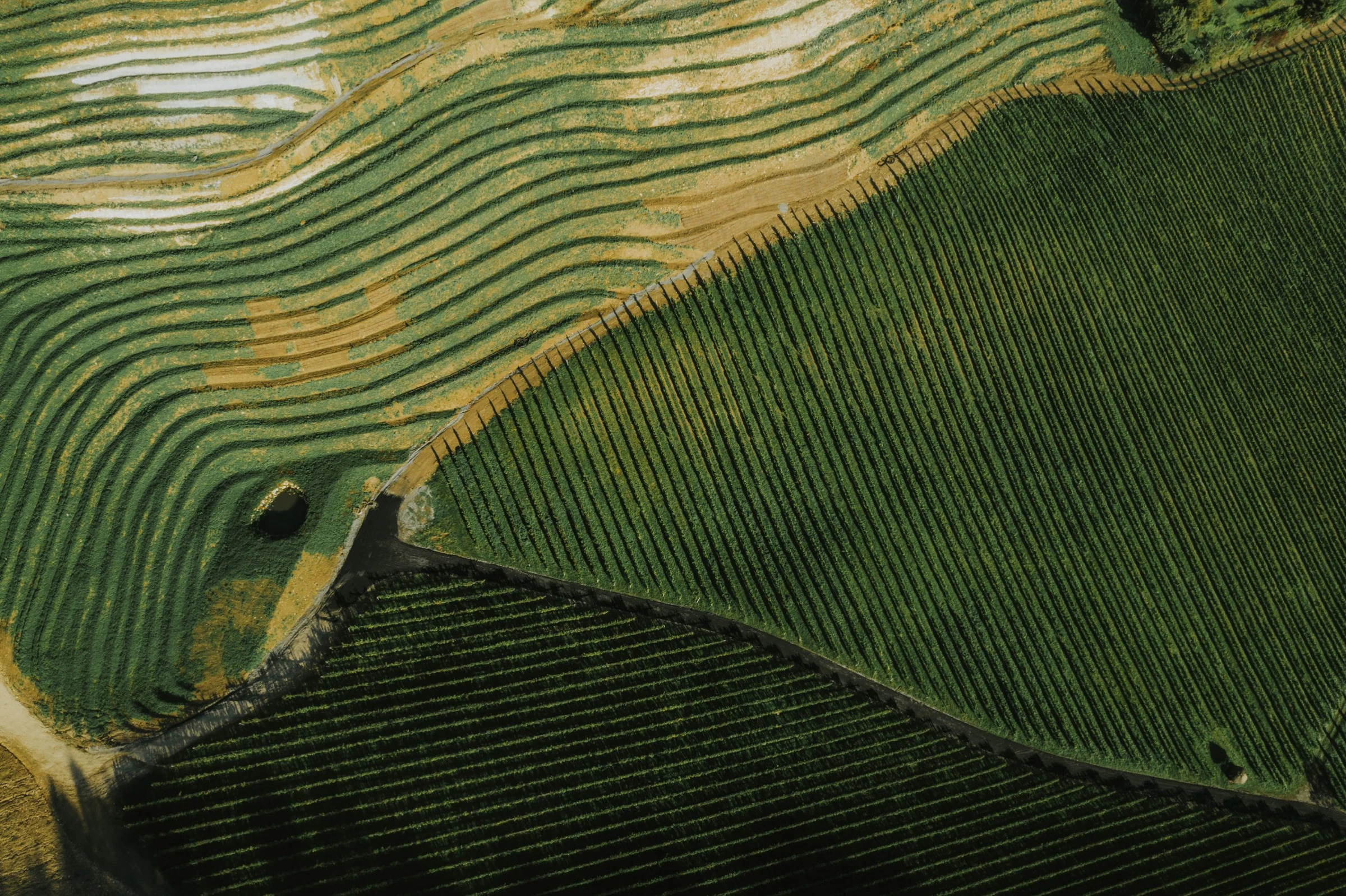
The approach to wine in Friuli’s eastern hills is rarely loud. It is measured in slope, wind, cellar temperature, and the stubborn persistence of local grapes that have survived fashion cycles. In Spessa Di Cividale, Azienda Agricola La Magnolia belongs to that quieter Friulian register: family-run, agrarian, and built around a restored cantina atmosphere rather than tasting-room theatre. The estate’s 40 hectares sit within the Colli Orientali del Friuli DOC, a zone where cold northern currents meet Adriatic warmth, giving both whites and reds the tension that defines serious Friuli drinking.
That regional tension matters more than any single bottle. Friuli-Venezia Giulia has long been split between international familiarity and native identity: Pinot Grigio, Chardonnay, Sauvignon, and Cabernet Sauvignon on one side; Ribolla Gialla, Pignolo, and Picolit on the other. La Magnolia works across both camps, but its stronger editorial argument is regional fluency. Estate-grown fruit gives the winery control over the whole chain, from vineyard to cellar, while the grape mix places it inside a Colli Orientali tradition that does not need to choose between local inheritance and broader European reference points.
Colli Orientali soil, Adriatic air, and a Friuli portfolio with native weight
The Colli Orientali are not a generic hillside postcard; the soils shift through marl, sandstone, and calcareous clay, and that mix is why the area can carry aromatic whites and structured reds without flattening either category. Ribolla Gialla and Pinot Grigio sit naturally in the white-wine conversation, while Pignolo gives the red side a specifically Friulian anchor. The estate also produces Sauvignon, Chardonnay, Cabernet Sauvignon, Picolit, and sparkling wines, a range that reflects the region’s practical agricultural intelligence rather than a narrow stylistic manifesto.
Recognition has come in the language Friuli often receives: not as mass-market glamour, but as critic-noted value and consistency. Marcello Leder scored Ubi Es 86/100 for the 2016 vintage and 84/100 for the 2018 vintage; Ribolla Gialla reached 85/100 for 2021, Pinot Grigio 85/100 for 2021, and Pignolo 84/100 for 2017. Gambero Rosso also singled out the 2022 Sauvignon among 11 value-for-money Sauvignons from Friuli Venezia Giulia. Those numbers do not turn the estate into a trophy stop; they give a useful signal for readers trying to understand where the wines sit: credible, regionally grounded, and priced in a moderate bracket.
Ubi Es, the barrel-aged red blend, is the estate’s clearest statement of ambition. Its importance is not just oak or cellar time; it shows how a smaller Friuli producer can use a reserve-style red to hold family memory, local grape culture, and aging intent in the same bottle. In a region often reduced internationally to white wine shorthand, that matters. The presence of Pignolo and Cabernet Sauvignon beside Ribolla Gialla and Sauvignon makes the portfolio a compact lesson in Colli Orientali range.
A family estate where hospitality stays close to the farm
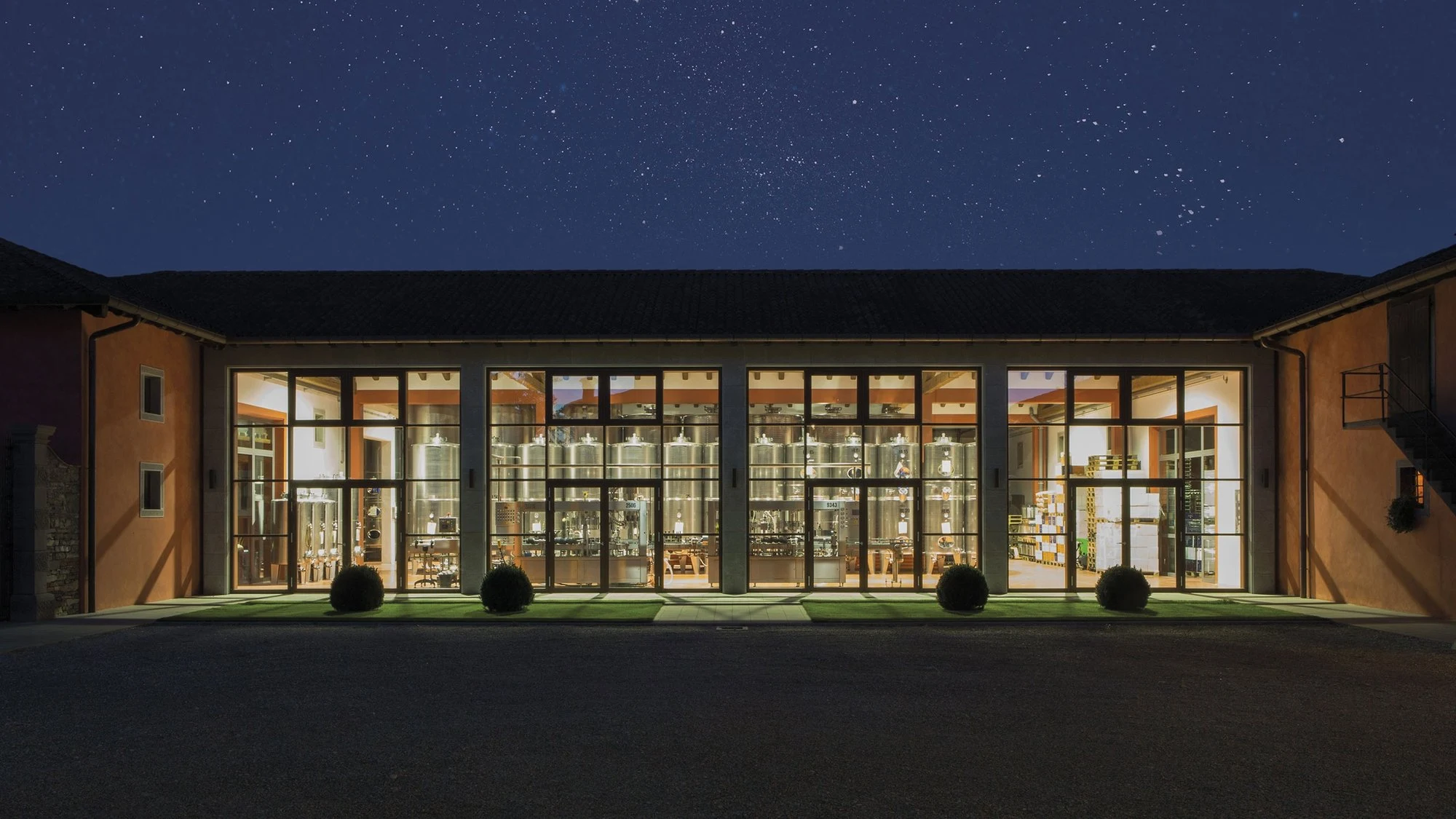
Friuli’s agritourism culture changes the tone of a winery visit. The emphasis is less on architectural performance and more on proximity: vineyards, cellar, family property, and a room that encourages conversation rather than turnover. La Magnolia’s on-site hospitality fits that pattern, with a restored cantina, a stone fireplace lounge, and pastel rooms tied to the magnolia motif. The result is intimate in the literal sense, scaled for guests who want the estate context around the glass rather than a quick flight detached from the land.
The family story is relevant because it explains continuity, not because it should dominate the wines. Guido Cozzarolo founded the winery in 1989 after buying the land in the 1960s and planting the first young vines. Cristina Cozzarolo now leads the estate, continuing a line shaped by her father’s agricultural work and by Claudio Cozzarolo’s enological training. That history places the winery inside a familiar Friulian pattern: technical ambition carried through family stewardship, with the estate name itself tied to a century-old magnolia tree on the property.
For travelers using Spessa Di Cividale as a base, the winery makes the strongest case as part of a wider Friuli itinerary rather than as an isolated detour. Pair the visit with a broader look at the area through Our full Spessa Di Cividale wineries guide, then use Our full Spessa Di Cividale restaurants guide, Our full Spessa Di Cividale hotels guide, Our full Spessa Di Cividale bars guide, and Our full Spessa Di Cividale experiences guide to build the rest of the stay around wine, food, and low-key regional travel.
How to read La Magnolia within a wider Italian wine map
Italy’s smaller estates often reveal more when read across regions. Friuli’s mixed native-international vocabulary has little in common with the Tuscan abbey rhythm of Abbadia Ardenga in Torrenieri or Abbazia Monte Oliveto in Asciano, and it differs again from southern producers such as A Mano Wine in Noci, a6mani in Fragagnano, and Abbazia di Crapolla in Neapel. Nearby Veneto references such as 3GP SRL in Treviso and 47 Anno Domini in Trebaseleghe show how quickly northeastern Italy changes tone from one wine area to another.
That comparative frame is useful because La Magnolia is not trying to play the same game as larger destination wineries. Its appeal is the Colli Orientali equation: estate fruit, native grapes, measured hospitality, and enough critic recognition to justify attention without turning the visit into a trophy exercise. Readers tracking family-run producers may also cross-reference Cozzarolo, while those looking beyond Italy can place the estate against different small-producer models such as »der Steiner« Hans Steiner in Podersdorf am See and & Handwein in Mannheim. The better reason to go remains local: Friuli’s eastern hills taste different from the rest of Italy, and this estate keeps that difference close to the soil.
Questions
Frequently asked
Who works at Azienda Agricola La Magnolia?
Made By profiles Cristina Cozzarolo (Winemaker) at Azienda Agricola La Magnolia.
How expensive is Azienda Agricola La Magnolia?
Azienda Agricola La Magnolia is listed at a price level of $$.
The field
How it compares
| Place | Notes | Awards |
|---|---|---|
| Azienda Agricola La Magnolia | Spessa di Cividale, $$ | · |
| Chapoutier | Tain-l'Hermitage | World's 50 Best |
| Château Pichon Longueville Baron | Pauillac | World's 50 Best |
| Cozzarolo | Spessa Di Cividale | · |
| Domaine La Barroche | Châteauneuf-du-Pape | · |
| Familienweingut Tement | Ehrenhausen | World's 50 Best |
| Yamazaki (Suntory) | Shimamoto | · |