- Opinionated About Dining Top Restaurants in Japan Ranked #101 · 2026
- Tabelog Silver #10: 4.4pts · 2026
- Opinionated About Dining Top Restaurants in Japan Ranked #112 · 2025
- Tabelog Silver · 2025
- Tabelog 100 #21: 4.4pts · 2025
- Opinionated About Dining Top Restaurants in Japan Ranked #319 · 2024
A Room That Operates on Its Own Clock
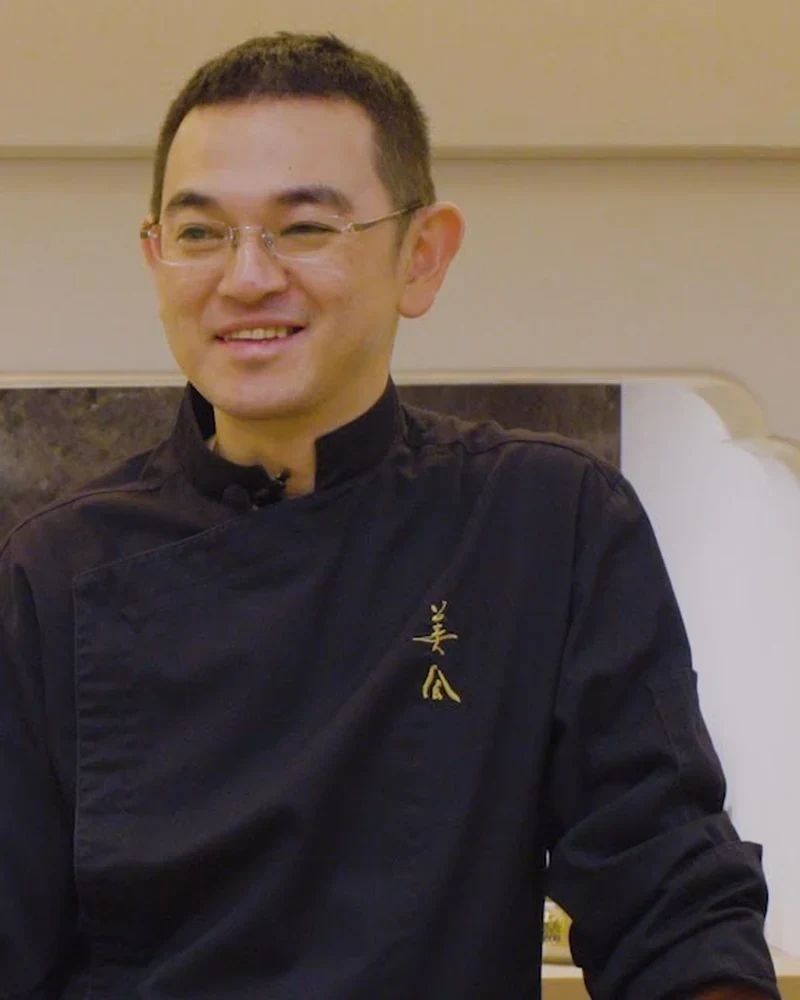
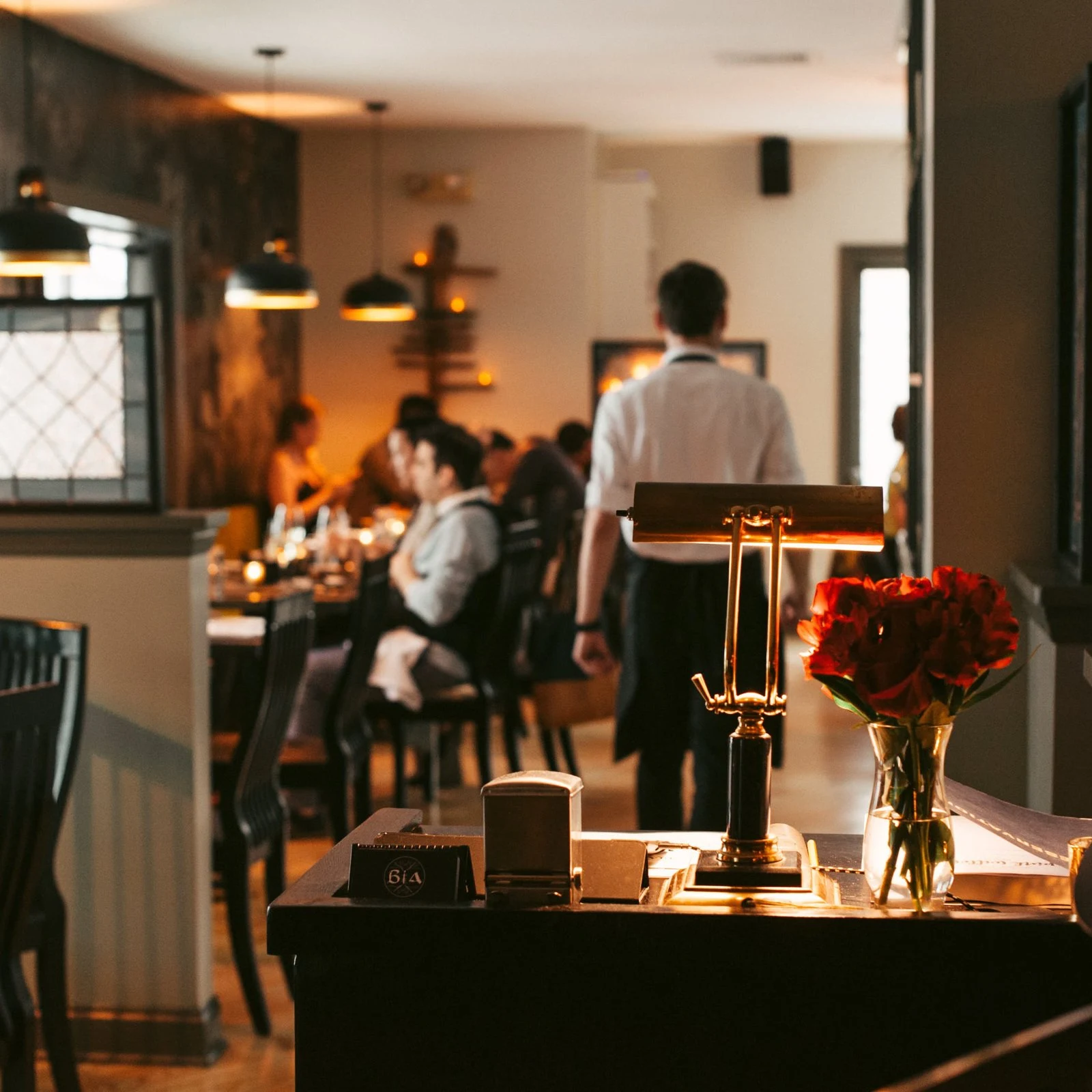
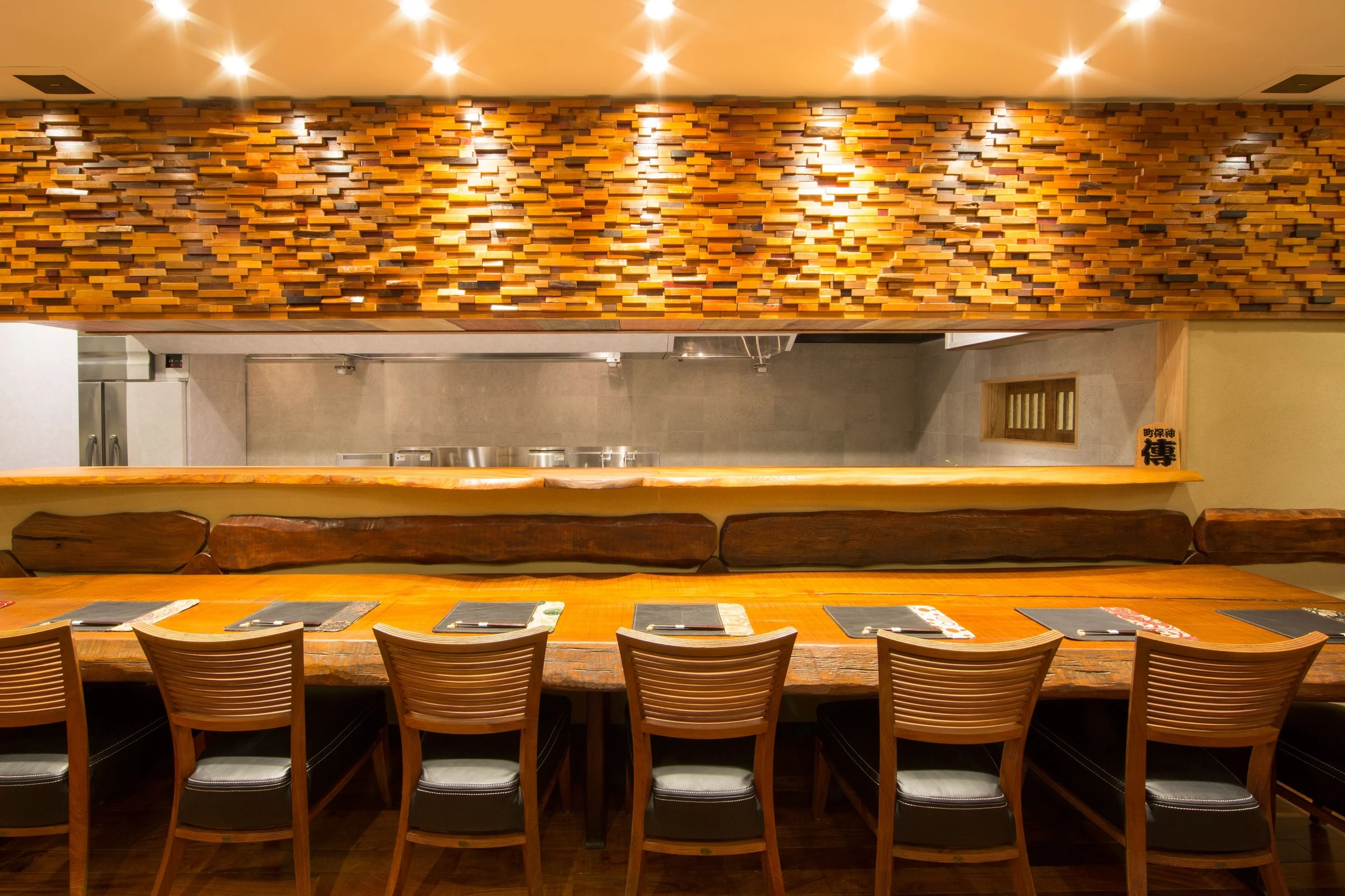
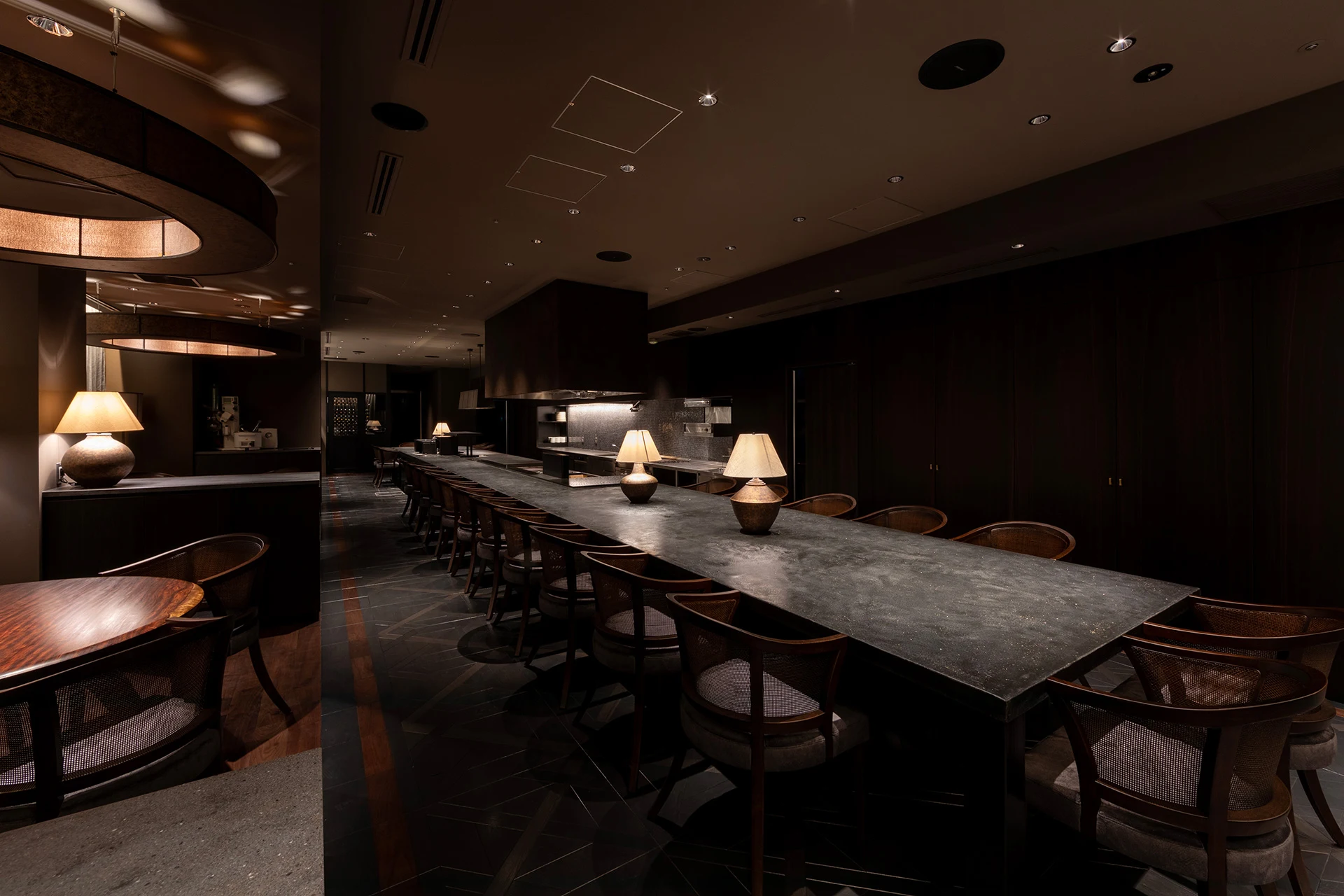
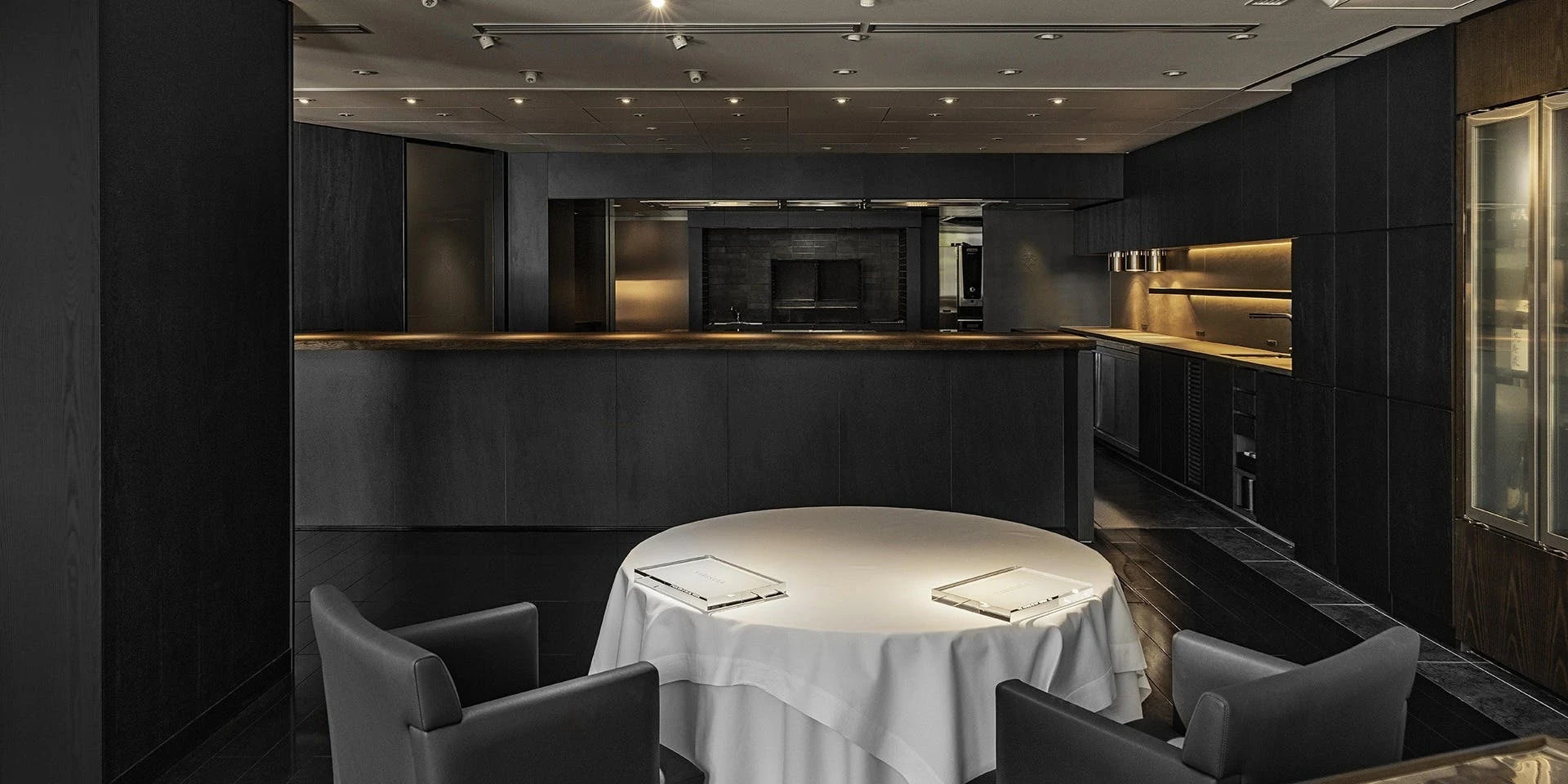
Bia in Roppongi, Tokyo serves Thai-Japanese Kaiseki Omakase at a reservation-essential counter led by chef Hiroyuki Kusaba. That is, in part, the point. Tokyo's most consistent innovative-cuisine counters tend to occupy exactly this kind of address: not the ground-floor visibility of a hotel restaurant, not the transparent theatre of a high-rise dining room, but a low-profile walk-up that filters out the merely curious. The room at Bia seats 15, which places it squarely inside the small-counter format that has come to define serious dining in the city since the mid-2010s. At that scale, the difference between a good evening and a great one depends less on any single dish than on the precision of the team running the floor.
The format is reservation-only, with two simultaneous seatings each evening, the first at 17:30, the second at 20:30. Arriving five minutes early is a stated requirement, not a courtesy suggestion, because courses begin for all guests at the same moment. That structural discipline shapes the energy of the room: service moves in coordinated phases rather than the staggered rhythms of à la carte, and the kitchen and floor operate as a single mechanism rather than two separate departments.
Where the Cuisine Sits in Tokyo's Innovative Category
Tokyo's innovative and creative-cuisine tier is more stratified than it appears from the outside. At the leading, Michelin-starred properties like Crony, which holds two stars and applies French technique to a shifting seasonal framework, or L'Effervescence, a three-star address in Nishi-Azabu, anchor one end of the spectrum. Below them sits a denser middle tier populated by counters that have earned sustained Tabelog recognition without Michelin designation, a meaningful distinction in Japan, where the Tabelog user base is large enough that sustained high scores carry real weight with local diners.
Bia has held Tabelog Silver Award status in three consecutive years: 2024, 2025, and 2026. Its current score of 4.42 places it in a narrow band above most of the Innovative/Creative Cuisine category. Tabelog's own ranking placed Bia at #112 among all Tokyo restaurants in 2025, up from #319 in 2024, a shift of more than 200 positions in a single year that suggests the restaurant is consolidating its audience rather than coasting on early momentum. It was also selected for the Tabelog Innovative/Creative Cuisine "Tabelog 100" list in 2025, a category cohort that functions as a peer-review shortlist for this section of the market.
The cuisine premise, a Japanese-Thai integration, occupies an underworked space in Tokyo's creative-cuisine conversation. Thai culinary tradition has largely been treated as a standalone category in the city, appearing in mid-market casual formats rather than at the counter-course level where Japanese technique typically dominates. Bia works across that boundary, and the fish-focused kitchen (noted explicitly in the venue's operational profile) aligns this with the ingredient discipline that underpins both Japanese and serious Thai cooking. For comparison, the knife-driven precision of Harutaka in Ginza operates from a pure sushi lineage, while RyuGin draws on kaiseki's seasonal architecture. Bia draws on neither of those traditions directly, which is what makes its position in the category distinctive rather than derivative.
The Team Architecture
The editorial angle that makes Bia interesting is not its cuisine hybrid in isolation, it is what kind of team is required to make that hybrid work at a 30,000 to 39,999 JPY course price point (with actual review-based spending frequently reaching the 40,000 to 49,999 JPY range). Chef Hiroyuki Kusaba leads the kitchen, but the front-of-house and beverage program carry an equal structural weight here. The venue identifies a sommelier as part of the service team and gives careful attention to sake, shochu, and wine.
BYO drinking is permitted, which broadens the range of conversations a sommelier can have with guests on any given evening. In practice, this arrangement, a credentialed sommelier operating alongside a BYO policy, creates a collaborative rather than directive relationship between the guest and the beverage program. The sommelier's role shifts from gatekeeper to guide, which suits the hybrid cuisine framework: a pairing that might traditionally reach for Burgundy in a French-influenced counter, or junmai daiginjo in a kaiseki context, here has to negotiate across two culinary traditions at once. That negotiation is the interesting work.
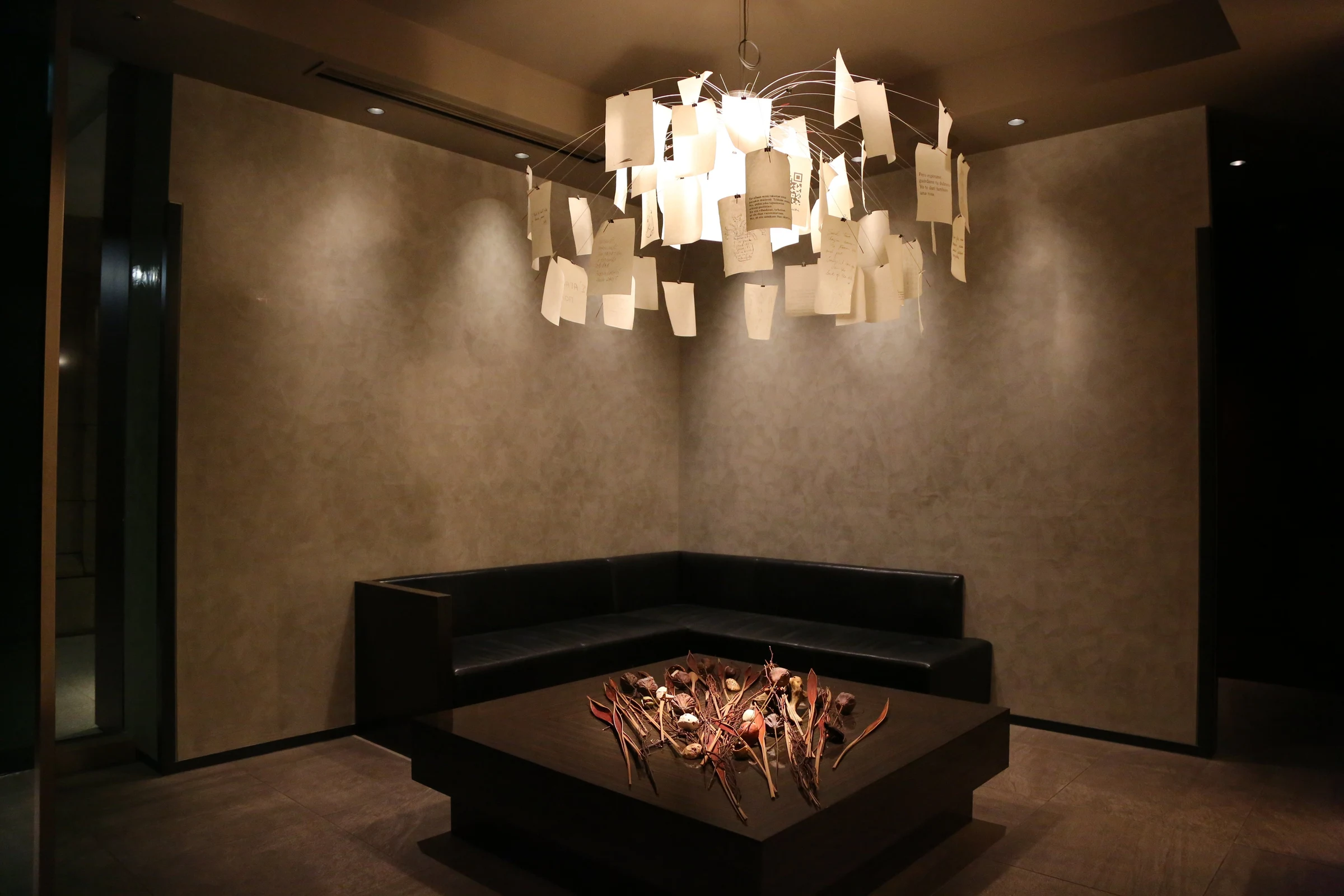
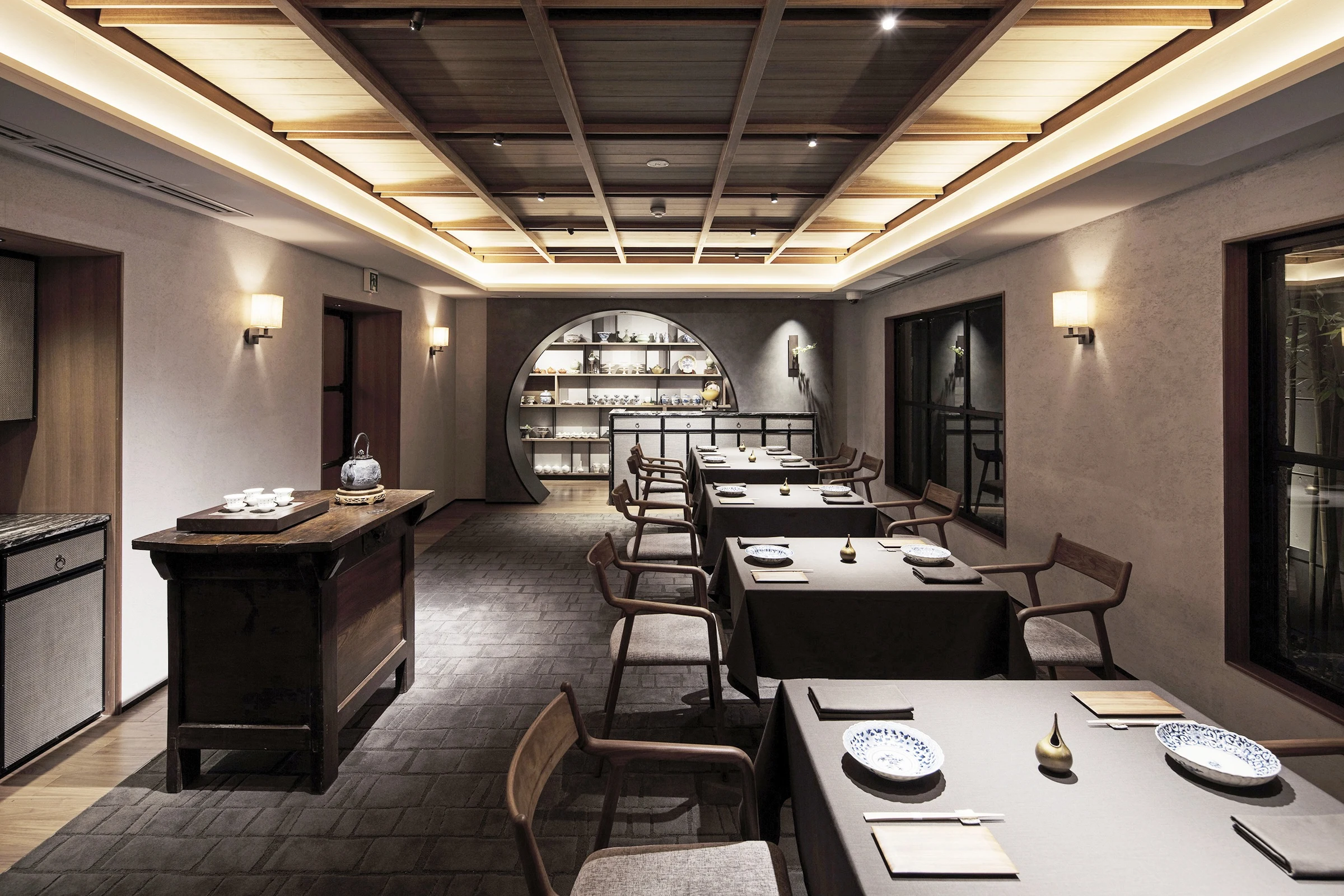
The private room configuration (available for parties of two through eight, with full private use for up to 20 people) suggests the restaurant operates as a client-entertainment venue for a portion of its bookings, a common pattern among Tokyo counters in this price tier. Roppongi's business district proximity reinforces that reading. The room supports this without being designed exclusively for it: counter seating and sofa seating coexist within the 15-seat footprint, and the space is described as both stylish and genuinely relaxing rather than formally stiff.
Roppongi as a Dining Address
Roppongi's dining reputation has shifted considerably over the past decade. The neighbourhood built its original food-and-drink identity around late-night international crowds, but the area around Nogizaka station, four minutes on foot from Bia, runs on a different frequency. The Nogizaka edge of Roppongi is quieter, more residential in feel, and has attracted a cluster of serious counters that benefit from proximity to Minato City's corporate and residential wealth without the noise associated with the central Roppongi intersection. Bia is four minutes from Nogizaka station and five from Roppongi station, placing it in that calmer transitional zone between the two.
For those building a broader Tokyo itinerary, the Roppongi-Nishi Azabu corridor contains several reference points worth considering. L'Effervescence in Nishi-Azabu represents the neighbourhood's French-technique high-end. Sézanne, though in Marunouchi, is a useful benchmark for understanding where French-Japanese crossover sits at the top of the market. Anyone exploring the innovative-cuisine tier more broadly should also consider Crony, whose two Michelin stars and French-innovative framework make it a direct peer-set comparison.
Beyond Tokyo, the Japan innovative-cuisine circuit extends to HAJIME in Osaka, Gion Sasaki in Kyoto, akordu in Nara, Goh in Fukuoka, 1000 in Yokohama, and 6 in Okinawa, a network of counters that collectively demonstrate how far outside Tokyo the category has matured.
Planning a Visit
Reservations are required and cancellations made the day before or on the day of the booking incur a 100% charge of the course fee, a policy that reflects both the small-seat economics and the perishable ingredient approach that a fish-focused kitchen requires. The venue accepts VISA, Mastercard, JCB, AMEX, and Diners cards; electronic money and QR-code payments are not accepted. No parking is available on-site, but coin parking exists nearby. The restaurant is non-smoking throughout. Families with children are accommodated in the private rooms when available; prams are welcome under the same condition.
The Sunday letter
Get new places like Bia every Sunday.
One email a week with the restaurants, bars and hotels we have just written up, and the people who run them.
One email a week. Unsubscribe from any issue.
Questions
Frequently asked
Who works at Bia?
Made By profiles Hiroyuki Kusaba (Chef) at Bia.
How expensive is Bia?
Bia is listed at a price level of $$$$.
Where is Bia and what does it serve?
Bia is in Minato, Tokyo, serving Thai-Japanese Kaiseki Omakase.
The field
How it compares
| Place | Cuisine | Notes | Awards |
|---|---|---|---|
| Bia | Thai-Japanese Kaiseki Omakase | Minato, $$$$ | · |
| Den | Modern Japanese Kaiseki | Tokyo | Michelin 2 Stars, World's 50 Best |
| Florilège | Modern French-Japanese Plant-Based Fine Dining | Tokyo | Michelin 2 Stars, World's 50 Best |
| Narisawa | Modern Japanese Satoyama Fine Dining | Tokyo | Michelin 2 Stars, World's 50 Best |
| Quintessence | Modern French Fine Dining | Tokyo | Michelin 3 Stars |
| Sazenka | Modern Chinese Fine Dining | Tokyo | Michelin 3 Stars, World's 50 Best |
| Sézanne | Modern French Fine Dining | Tokyo | Michelin 3 Stars, World's 50 Best |
In residence
Similar places
Modern Japanese Kaiseki
Den
Tokyo, Japan
★★ · 50 Best
Modern French-Japanese Plant-Based Fine Dining
Florilège
Tokyo, Japan
★★ · 50 Best
Modern Japanese Satoyama Fine Dining
Narisawa
Tokyo, Japan
★★ · 50 Best
Modern French Fine Dining
Quintessence
Tokyo, Japan
★★★
Modern Chinese Fine Dining
Sazenka
Tokyo, Japan
★★★ · 50 Best
Modern French Fine Dining
Sézanne
Tokyo, Japan
★★★ · 50 Best
The Sunday letter
Get the next Made By story in your inbox.
We send one email every Sunday morning with the places and people we covered that week.
One email a week. Unsubscribe from any issue.