- Falstaff Winery - 2 Stars · 2026
- Falstaff Winery - 3 Stars · 2026
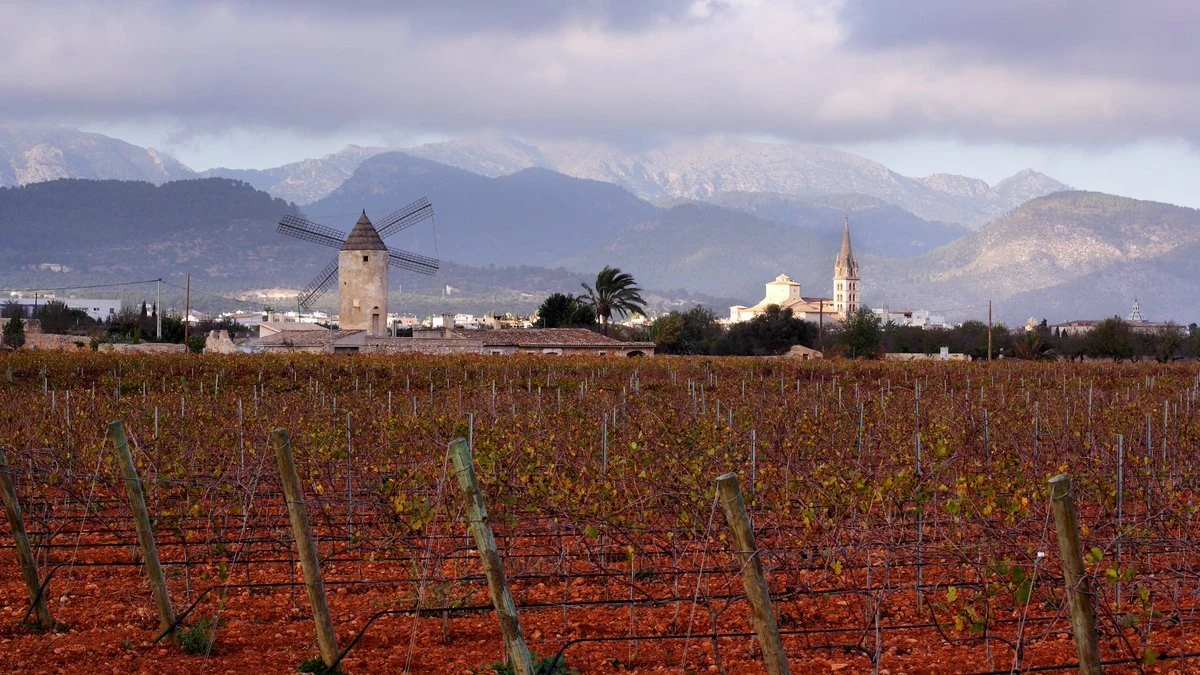
Approaching wine in Capdepera means leaving behind the shorthand version of Mallorca as a beach-and-lunch island and reading the eastern side through soil, sun, and restraint. The tone is quieter here: Plà i Llevant is not built on grand châteaux theatre, but on agricultural towns, dry summers, and wines made to sit naturally beside Mediterranean food. Bodega Ca's Beato fits that register. Its identity is not a glossy hospitality production; it reads as a traditional Mallorcan winery where the interest lies in the bottle, the farming context, and the way island ripeness is kept in balance.
That matters because Mallorca wine can be misunderstood outside Spain. The island’s serious producers are not trying to mimic mainland regions at scale. In the east, the better lens is immediacy: wines with enough structure for the table, enough freshness for warm-weather drinking, and enough local character to avoid becoming anonymous resort pours. Capdepera sits within the Plà i Llevant production area, a zone associated with the central and eastern plain of Mallorca, Mediterranean conditions, and a broad mix of local and international grapes. The result is a wine culture where freshness and drinkability are not minor virtues; they are central to how the region functions.
Capdepera terroir in a polished island-wine register
The clearest way to understand Bodega Ca's Beato is through land rather than biography. Plà i Llevant’s climate brings moderately cold winters followed by long, dry summers, a pattern that gives reds reliable ripeness while asking whites and rosés to hold their line. Mallorca’s wider wine framework also places emphasis on grapes grown and bottled on the island, an important distinction in a destination where tourism can flatten local identity into generic Mediterranean branding.
The estate’s documented range includes red, white, and rosé, which places it in the practical Mallorcan mode rather than a narrow collector format. The red wine from the 2020 vintage is the fullest expression described: powerful yet elegant, with a silky texture, a long finish, and notes of vanilla, roasted coffee, cherry, and balsamic depth. Those descriptors point toward a red built for grilled meat, game, and aged cheese rather than casual aperitif drinking. The white wine from the 2024 vintage is linked to organic viticulture on the finca and carries a 13.5% ABV marker, a useful clue to the island’s warm-climate profile without pushing it into heaviness.
Rosé completes the contemporary Mallorca triangle: red for structure, white for brightness, rosé for Mediterranean dining. That breadth is not decorative. On an island where meals stretch across seafood, lamb, vegetables, rice dishes, and hard cheeses, a multi-color cellar has a practical role. Bodega Ca's Beato is better read as part of that food-facing culture than as a label chasing trophy status.
What the wines say about Mallorca's eastern plain
Plà i Llevant gives producers a wide palette. The regional framework includes local white varieties such as Prensal blanc and Muscatel alongside grapes including Chardonnay, while red possibilities range from Callet and Mantonegro to Monastrell, Tempranillo, Merlot, and Cabernet Sauvignon. The specific varieties used here are not listed, so the safer reading is stylistic: the wines sit in a Mediterranean register shaped by sun, acidity management, and table use.
That last point is essential. Many Mallorca wines are designed for earlier drinking rather than decades of cellaring, and that rhythm suits the island. The red profile associated with Ca's Beato suggests polish rather than raw extraction: fruit-acidity balance, balsamic detail, and oak-like aromatic markers without a technical claim about barrel regime. The white and rosé point in the other direction, toward freshness and aromatic lift. Together, they show a producer aligned with the island’s real drinking culture, where wine is judged by how it works with lunch, heat, salt, and late dinners, not only by cellar potential.
Organic viticulture on the finca adds another layer to the terroir story. It should be read precisely: the strongest documented claim attaches organic farming to the 2024 white wine, not to a sweeping estate manifesto. Still, in a dry Mediterranean zone, farming choices have direct consequences for texture and freshness. Restraint in the vineyard often matters more here than cellar theatrics, especially when the aim is to keep ripeness from swallowing detail.
How to place it in a Capdepera itinerary
Capdepera rewards travellers who build days around locality rather than checklist movement. A winery such as this belongs in a slower eastern-Mallorca plan, paired with a meal that can handle structured red wine or a warm-day sequence built around white and rosé. The experience is low-key by nature: the interest is in the agricultural setting and the wines’ relationship to the island, not in a high-volume tasting-room production.
Planning should be practical. Published visitor programming is not the main public story here, so travellers should treat a visit as something to arrange ahead rather than assume on arrival. Dress can stay casual, but expectations should be calibrated toward a serious tasting mindset. For a broader local frame, use our full Capdepera wineries guide, then connect the wine stop with our full Capdepera restaurants guide, our full Capdepera hotels guide, our full Capdepera bars guide, and our full Capdepera experiences guide.
For readers mapping Spanish wine more broadly, the contrast is instructive. Mallorca’s eastern wines operate on a different axis from inland concentration or Atlantic sharpness: less about scale, more about Mediterranean usefulness. Wider reference points across the wine map include 3 Ases Bodegas y Viñedos in Quintanilla De Arriba, 4Kilos Vinícola in Felanitx, Aalto Bodegas y Vinedos in Quintanilla De Onesimo Valladolid, Abadia de Aribayos in Moraleja Del Vino, Abadía Retuerta in Sardón de Duero, Abel Mendoza Monge in San Vicente de la Sonsierra, Acústic Celler in Els Guiamets, Adega Algueira in Sober, »der Steiner« Hans Steiner in Podersdorf am See, and & Handwein in Mannheim. Ca's Beato’s value is narrower and more local: a Capdepera lens on Mallorca wine, with enough structure and freshness to make the island’s eastern plain legible in the glass.
Questions
Frequently asked
Who works at Bodega Ca's Beato?
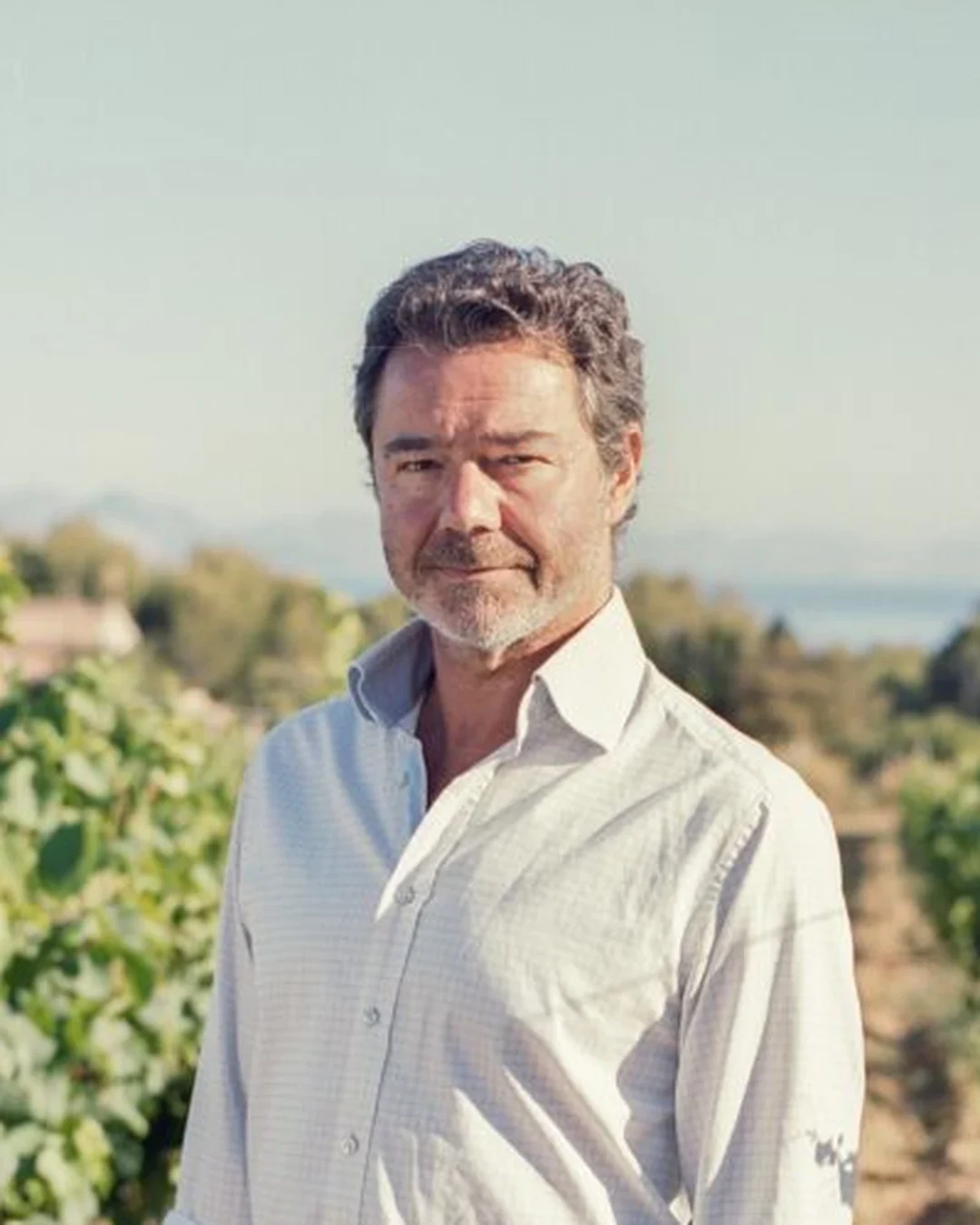
Made By profiles Conde Fabrice de Suyrot (Winemaker) at Bodega Ca's Beato.
How expensive is Bodega Ca's Beato?
Bodega Ca's Beato is listed at a price level of $$.
The field
How it compares
| Place | Notes | Awards |
|---|---|---|
| Bodega Ca's Beato | Capdepera, $$ | · |
| Château Troplong Mondot | Saint-Laurent-des-Combes | · |
| Domaine François Raveneau | Chablis | · |
| Domaine Roulot | Meursault | · |
| Felton Road Wines | Bannockburn | World's 50 Best |
| Harlan Estate | Napa | · |
| Masseto | Castagneto Carducci | · |